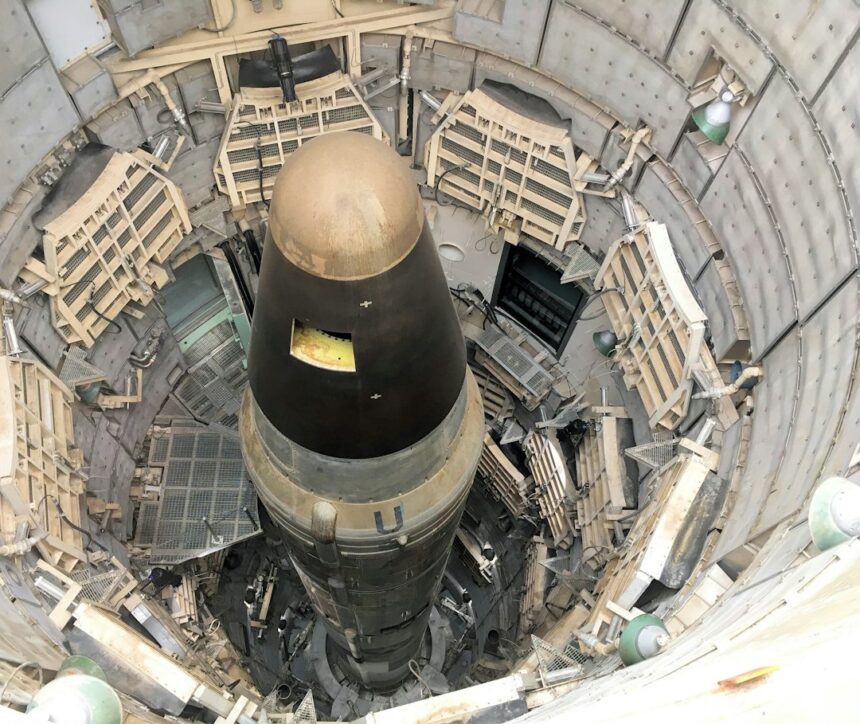
The dawn of the nuclear age ushered in an era of unprecedented strategic complexity. Nations possessing intercontinental ballistic missiles (ICBMs) held the chilling potential for swift, devastating retaliation, fundamentally altering the calculus of warfare and deterrence. In response to this evolving threat, the concept of ballistic missile defense (BMD) emerged not as a singular technological silver bullet, but as a nascent, evolving doctrine and a series of ambitious, often pioneering, technological endeavors. The early ballistic missile defense shields, though rudimentary by today’s standards, represented a significant leap in military thinking and set the stage for the sophisticated systems that populate the global strategic landscape today. These early efforts were born out of a desperate need to negate the existential threat posed by incoming nuclear warheads, a need that propelled scientific ingenuity and international strategic maneuvering into uncharted territories.
The Genesis of Missile Defense Concepts
The theoretical underpinnings of ballistic missile defense predate the actual development of ICBMs. Even as rockets were being developed for artillery and atmospheric warfare, military strategists pondered the possibility of intercepting enemy projectiles in flight. However, it was the dramatic acceleration of rocket technology during and immediately after World War II, culminating in the Soviet Union’s launch of Sputnik in 1957 and the subsequent development of ICBMs by both the US and USSR, that truly catalyzed the pursuit of missile defense. The perceived invulnerability of ballistic missiles, capable of traversing vast distances at hypersonic speeds, presented a formidable challenge. The core problem was not simply detecting a threat, but doing so with sufficient lead time to track, intercept, and neutralize it before impact. This required a convergence of advancements in radar, guidance systems, propulsion, and destructive technologies, all working in concert.
Early Theoretical Frameworks and the “Star Wars” Vision
The initial theoretical frameworks for missile defense revolved around concepts of active interception. This meant developing systems that could physically engage and destroy an incoming missile. Unlike passive defenses like hardened shelters, active defense promised to neutralize the threat before it reached its target. Visionaries and military planners alike began to envision complex, multi-layered systems that could operate in different phases of a missile’s trajectory – boost phase, mid-course phase, and terminal phase. The sheer audacity of these early concepts, particularly those that would later be popularly associated with the “Star Wars” program (Strategic Defense Initiative or SDI), was remarkable. They involved the deployment of satellites equipped with lasers, particle beams, and other exotic weaponry, alongside ground-based interceptors and sophisticated command and control networks. While many of these “Star Wars” concepts proved technologically infeasible or prohibitively expensive in their initial iterations, they undeniably pushed the boundaries of scientific exploration and laid the groundwork for future technological breakthroughs.
The Challenge of Hypersonic Interception
The primary technical hurdle in early BMD was the immense speed of ballistic missiles. ICBMs travel at speeds exceeding Mach 20 (approximately 15,000 miles per hour) during their mid-course phase. Intercepting such a projectile demanded reaction times measured in mere minutes, if not seconds, from detection to engagement. This necessitated the development of incredibly sensitive and powerful radar systems capable of tracking numerous fast-moving targets simultaneously. Furthermore, interceptor missiles themselves had to be exceptionally agile, capable of achieving comparable speeds and executing complex maneuvers to achieve a kill. The guidance systems for both the radar and the interceptors had to be precise enough to account for atmospheric effects, the curvature of the Earth, and the target missile’s own evasive maneuvers, if any were possible.
The development of early ballistic missile defense systems has been a critical focus for national security, particularly in light of evolving threats from rogue states. A related article that delves deeper into the implications and advancements in this area can be found at In the War Room. This piece explores the technological innovations and strategic considerations that shape the future of missile defense, highlighting the importance of proactive measures in safeguarding nations against potential missile attacks.
Pioneering Radar and Tracking Technologies
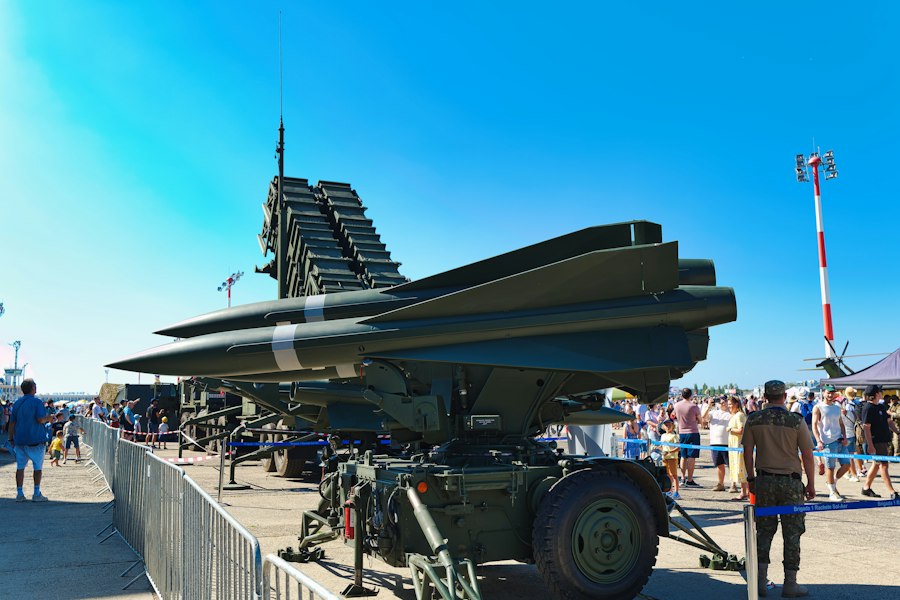
The development of effective radar systems was absolutely fundamental to any viable ballistic missile defense. Without the ability to detect, track, and identify incoming threats with precision and speed, all other aspects of a defense shield would be rendered moot. Early efforts focused on overcoming the limitations of existing radar technology, which was often designed for slower-moving aircraft or ships. The challenge was to develop radars with the range, power, and resolution necessary to pick out small, fast-moving ballistic missile warheads against the clutter of the Earth’s atmosphere and space. This led to significant advancements in radar design, signal processing, and deployment strategies.
The Evolution of Early Warning Radars
The first generation of missile defense systems relied heavily on large, powerful, ground-based early warning radars. These behemoths were designed to detect the launch of missiles and provide initial trajectory data. Radars like the U.S. Air Force’s Ballistic Missile Early Warning System (BMEWS), with its massive parabolic antennas, were critical in providing precious minutes of warning time. These systems were deployed in strategic locations around the globe, often in remote and harsh environments, to provide a comprehensive watch. The sheer scale and power of these radars were a testament to the technological ambition of the era. They were the “eyes” of the nascent defense shield, tasked with the monumental responsibility of spotting an incoming threat from thousands of miles away.
Ground-Based Interceptors and Guidance Systems
Complementing the early warning radars were the ground-based interceptor missiles themselves. Systems like the U.S. Nike-Zeus and later the Safeguard system employed large, multi-stage rockets designed to travel into space and collide with or detonate near an incoming ICBM warhead. The guidance systems for these interceptors were extraordinarily complex for their time. They had to receive real-time tracking data from the radars, calculate an intercept course, and guide the interceptor with extreme accuracy. Early guidance relied on a combination of inertial navigation systems and command guidance from ground stations, with later iterations incorporating semi-active or active radar homing to refine the final intercept. The development of these interceptors and their guidance systems represented a significant engineering achievement, pushing the boundaries of rocketry and avionics.
The Strategic Implications and Arms Race Dynamics
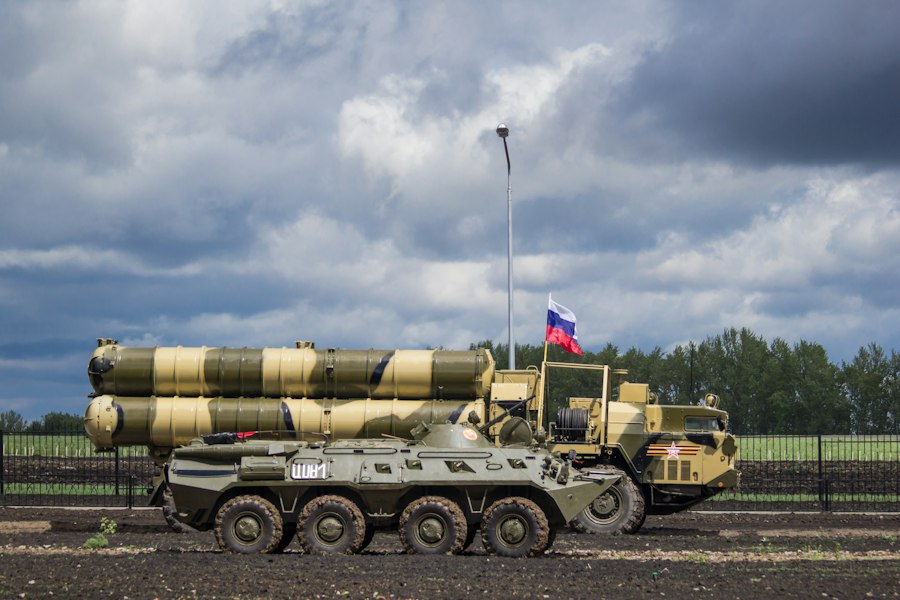
The pursuit of ballistic missile defense was not merely a technological race; it was deeply intertwined with the broader geopolitical landscape of the Cold War and the dynamics of the nuclear arms race. The development and deployment of BMD systems had profound implications for deterrence, strategic stability, and the balance of power between the superpowers. The very concept of missile defense challenged the established doctrine of Mutually Assured Destruction (MAD), which was predicated on the idea that any nuclear attack would result in catastrophic retaliation, thus deterring a first strike.
Deterrence Theory and the ABM Treaty
The advent of BMD immediately sparked intense debate within strategic circles. Proponents argued that defense offered a path to survival, potentially negating the threat of nuclear war. However, critics, particularly within the Soviet Union, viewed BMD as a destabilizing force. They feared that a successful defense shield would give the offense a unilateral advantage, emboldening one side to launch a first strike with impunity, knowing they could absorb the retaliatory blow. This concern led to the signing of the Anti-Ballistic Missile (ABM) Treaty in 1972, a landmark agreement between the United States and the Soviet Union. The treaty limited each side to one carefully controlled area of BMD deployment (typically around their capital or ICBM fields) and restricted the development and deployment of space-based or widespread ground-based BMD systems. The treaty was a recognition that while defense might seem desirable, its unchecked proliferation could undermine the fragile peace maintained by nuclear deterrence.
The Arms Race Momentum
Despite the ABM Treaty, the pursuit of missile defense continued, albeit often in a more clandestine or research-oriented manner. The underlying fear of a “breakout” by the opposing side, coupled with technological advancements, kept the BMD race alive. The Strategic Defense Initiative (SDI), announced by U.S. President Ronald Reagan in 1983, represented a significant escalation of this effort. While much of SDI was aspirational and faced immense technical and financial hurdles, it spurred substantial research into directed-energy weapons, advanced radar, and satellite-based interceptors. This, in turn, was perceived by the Soviet Union as a threat, leading to its own intensified research and development in counter-BMD technologies and a renewed push for offensive capabilities. The arms race, therefore, was a complex interplay of offense and defense, with each side constantly seeking to neutralize the other’s perceived advantages.
Technological Advancements and Limitations
The early ballistic missile defense shields, while conceptually groundbreaking, were ultimately limited by the technological capabilities of their time. The challenges were immense, pushing the frontiers of physics, engineering, and computer science. Despite considerable investment and ingenuity, fundamental limitations prevented these early systems from achieving the kind of comprehensive defense that was envisioned.
The Problem of Countermeasures
One of the most significant limitations faced by early BMD systems was the potential for countermeasures. Offensive missile designers could develop warheads that were harder to detect, more resilient to interceptor warheads, or designed to confuse tracking systems. This included technologies like decoys, which could mimic the radar signature of a warhead, and fragmentation warheads that dispersed smaller, more difficult-to-track submunitions. The constant cat-and-mouse game between offense and defense meant that any BMD system had to be continuously updated and improved to remain effective against evolving countermeasures, a challenge that proved particularly difficult for the nascent technologies of the era.
Sophistication of Interceptors and Kill Mechanisms
The sophistication of early interceptor missiles and their kill mechanisms was also a significant limiting factor. While some systems aimed for direct kinetic kill – a physical collision with the incoming warhead – this was incredibly difficult to achieve against hypersonic targets. Other systems relied on proximity fuzes to detonate a fragmentation warhead near the target. However, the effectiveness of these warheads was dependent on accurate targeting and the ability to overcome the stresses of high-speed flight and atmospheric reentry. Furthermore, the sheer number of incoming warheads in a large-scale attack posed a daunting challenge for even the most advanced early interceptor systems, which were limited in their engagement capacity. The development of truly effective and reliable kill mechanisms remained a persistent technological hurdle.
The development of an early ballistic missile defense shield has been a topic of significant interest in recent years, particularly as nations seek to enhance their security measures against potential threats. A related article discusses the technological advancements and strategic implications of such systems, highlighting their role in modern defense strategies. For more insights on this subject, you can read the full article here. This exploration sheds light on the challenges and opportunities that come with implementing these advanced defense mechanisms.
The Enduring Legacy and Global Impact
| Metric | Description | Value / Status | Unit |
|---|---|---|---|
| Detection Range | Maximum distance at which incoming ballistic missiles can be detected | 2,000 | km |
| Interceptor Speed | Speed of the interceptor missile used to neutralize threats | 7 | Mach |
| Reaction Time | Time from missile detection to interceptor launch | 30 | seconds |
| Success Rate | Percentage of successful interceptions during tests | 85 | % |
| Coverage Area | Geographical area protected by the missile defense shield | 1,500,000 | km² |
| Number of Interceptors | Total interceptors deployed in the defense system | 50 | units |
| Radar System Type | Type of radar technology used for missile tracking | Phased Array Radar | N/A |
| Operational Status | Current operational readiness of the defense shield | Active | N/A |
Though the early ballistic missile defense shields, in their most ambitious forms, did not achieve the comprehensive defense envisioned, their impact on the world is undeniable. They laid the foundational principles, spurred technological innovation, and fundamentally shaped strategic thinking for decades to come. The lessons learned from these early endeavors continue to inform the development and deployment of modern BMD systems, influencing global security dynamics and the ongoing pursuit of strategic stability.
The Foundation for Modern BMD Systems
The pioneering efforts in early BMD, despite their limitations, provided the essential building blocks for the sophisticated missile defense systems in existence today. Concepts like layered defense, integrated radar networks, and agile interceptors, first explored in the nascent shields, have been refined and perfected. Technologies that were once theoretical, such as advanced radar processing and miniaturized guidance systems, are now standard. The continuous research and development driven by the early BMD programs have led to significant advancements in fields ranging from material science to artificial intelligence, indirectly benefiting a wide array of civilian and military applications.
Shaping Global Security and Deterrence
The pursuit and perceived effectiveness of ballistic missile defense have had a profound and lasting impact on global security. While the ABM Treaty temporarily capped certain developments, the underlying desire for defense persisted. The proliferation of BMD capabilities, even in their early stages, created new strategic calculations and influenced the way nations approached deterrence. Today, the development and deployment of BMD systems by various nations continue to be a significant factor in international relations, driving discussions about strategic balance, arms control, and the prevention of conflict. The legacy of the early ballistic missile defense shields is thus a complex one, marked by both the aspirations of security and the inherent challenges of controlling the most destructive technologies ever devised.

The 1958 Space Nukes Meant to Destroy Soviet Missiles
FAQs
What is an early ballistic missile defense shield?
An early ballistic missile defense shield is a system designed to detect, track, intercept, and destroy incoming ballistic missiles before they reach their intended targets.
How does an early ballistic missile defense shield work?
An early ballistic missile defense shield typically consists of radars, sensors, command and control systems, and interceptor missiles. The radars and sensors detect and track incoming missiles, while the command and control systems analyze the data and guide interceptor missiles to destroy the threat.
What are the main objectives of an early ballistic missile defense shield?
The main objectives of an early ballistic missile defense shield are to protect civilian populations, military assets, and critical infrastructure from missile attacks, deter adversaries from launching missiles, and provide a layer of defense against potential missile threats.
What are some challenges associated with early ballistic missile defense shields?
Challenges associated with early ballistic missile defense shields include the speed and complexity of ballistic missiles, the need for rapid and accurate detection and tracking of threats, the limited range and effectiveness of interceptor missiles, and the high cost of developing and maintaining such systems.
Which countries have developed early ballistic missile defense shields?
Several countries, including the United States, Russia, China, Israel, and India, have developed and deployed early ballistic missile defense shields to protect against potential missile threats.