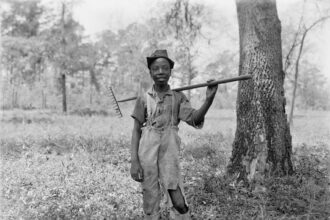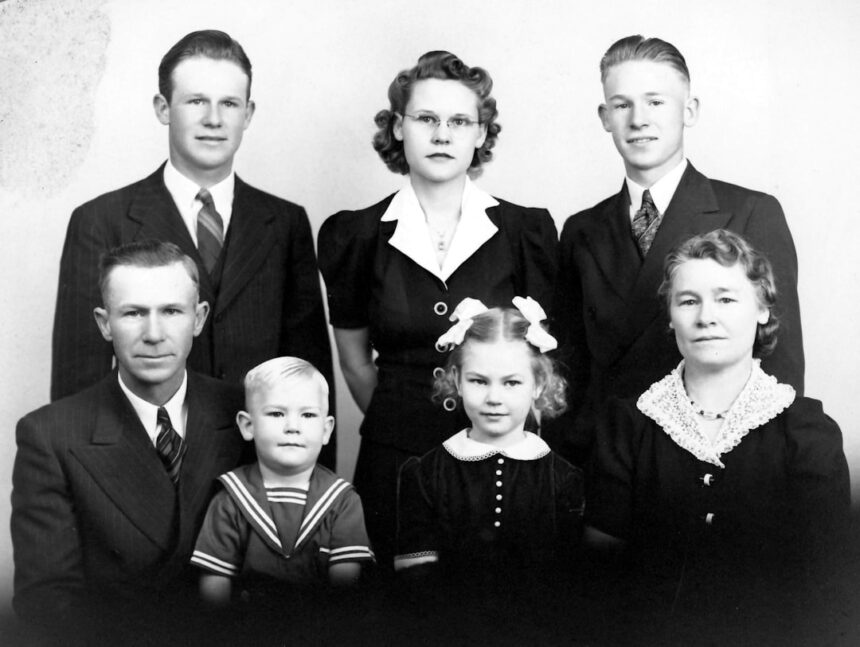
The persistent whispers of the past, once lost in the cacophony of war and the ensuing decades of silence, are now being amplified by the silent language of DNA. For families fractured by the Second World War, a conflict that reshaped continents and shattered countless lives, the advent of genealogical DNA testing has become a powerful, and often deeply emotional, tool for rediscovering branches of their family tree pruned by historical upheaval. This scientific advancement is not merely about satisfying curiosity; it is about reuniting individuals with lost relatives, filling in the blanks of ancestral narratives, and offering solace to those who have long carried the weight of unanswered questions. The sheer scale of displacement, the devastating loss of life, and the subsequent political realignments of the mid-20th century left a profound scar on global demographics. Millions were uprooted from their homes, separated from loved ones, and in many cases, their very existence was erased from official records due to the chaos and destruction. The advent of consumer DNA testing has, in recent years, begun to mend some of these long-standing fractures, offering a pathway to reconciliation and remembrance that was unimaginable just a generation ago.
Echoes of Conflict: The Lasting Impact of Displacement
The Second World War was an unprecedented cataclysm, unleashing a torrent of events that irrevocably altered the fabric of families across the globe. The sheer scale of the conflict, the forced migrations, and the systematic persecution of certain populations led to a widespread breakdown of familial ties. For many, the war was not a singular event but a prolonged period of separation, uncertainty, and loss. Entire villages were obliterated, leaving no trace of their inhabitants. Families fleeing persecution or invasion were often separated in the chaos, with parents losing track of children, siblings separated by arbitrary borders, and extended families scattered to the winds. The post-war geopolitical landscape further complicated matters. Borders shifted, nations were divided, and communication between former adversaries was often nonexistent. This created a generation of individuals who grew up with missing pieces of their identity, haunted by the absence of relatives they might never have known.
The Unseen Scars of War: Orphaned Histories and Lost Legacies
The human cost of the Second World War extended far beyond the battlefield. Millions of civilians perished, leaving behind orphaned children and bereft spouses. Beyond the immediate tragedy of death, countless individuals were separated from their families during the intense periods of conflict and subsequent displacement. These separations were often the result of desperate flight from advancing armies, forced evacuations, or the brutal realities of internment camps and occupied territories. Families seeking refuge might have been split at border crossings, or children might have been separated from their parents amidst the confusion of bombings and air raids. The sheer velocity of these events often meant that there was no time for formal goodbyes or the meticulous recording of whereabouts. For those who survived, the struggle for survival often took precedence over maintaining contact, and in the aftermath, the landscape of their former lives was often unrecognizable. The loss of familial connections was a deeply personal tragedy, compounded by the collective trauma of a world at war.
Bridging the Divide: The Promise of Genetic Genealogy
The advent of direct-to-consumer DNA testing has opened a revolutionary new avenue for tracing ancestral connections, particularly for those whose family histories were fragmented by historical events like the Second World War. These tests analyze specific markers in an individual’s DNA, comparing them against vast databases of other users. This comparison can identify individuals who share a common ancestor, even if that ancestor lived generations ago. For descendants of those lost during the war, this technology offers a tangible link to their past, a chance to identify relatives who might have been separated by continents or by decades of silence. The power of DNA lies in its immutable nature; it carries the genetic legacy of our ancestors, a biological blueprint that transcends political boundaries and the ravages of time. This has proven to be a profound solace and a source of immense joy for many, allowing them to reconstruct fragmented family narratives and bring closure to long-held questions.
In a fascinating exploration of how modern technology can bridge the gaps of history, the article “DNA Reveals Forgotten WWII Families” sheds light on the untold stories of families separated during the tumultuous years of World War II. This piece highlights the role of genetic testing in reuniting descendants with their lost relatives, offering a poignant reminder of the war’s lasting impact on families across generations. For more insights on this topic and related stories, you can read the full article at In the War Room.
Unearthing Hidden Roots: DNA as a Detective Tool
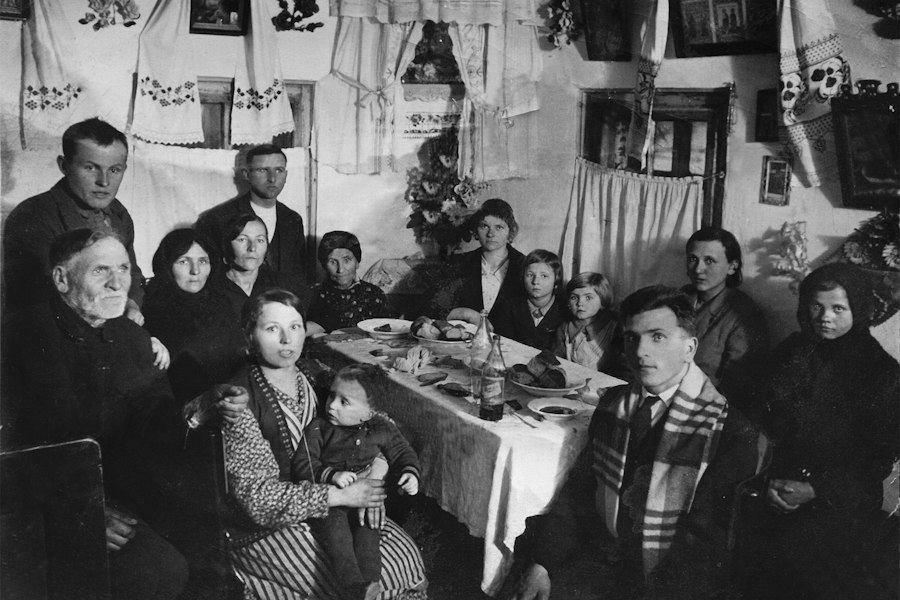
The application of DNA testing in uncovering WWII-lost families operates on a fundamental scientific principle: shared ancestry. When individuals submit their DNA for analysis, the testing companies compare their genetic profiles against a vast database. A significant match indicates a shared ancestral lineage. The closer the genetic match, the more recent the common ancestor is likely to be. This is where the detective work truly begins. For individuals seeking to reconnect with relatives lost during the war, a DNA match can be the first glimmer of hope. It’s not simply a matter of receiving a name; it’s the beginning of a journey to understand the context of that connection, to piece together the story of how their ancestors might have been separated and how these new relatives fit into the family mosaic. The algorithms employed by these companies can estimate the degree of relatedness, suggesting relationships from close cousins to more distant relatives, providing crucial clues for further investigation.
The Algorithmic Compass: Identifying Closely Related Individuals
At the heart of DNA genealogy lies sophisticated algorithms designed to identify genetic markers that are inherited from common ancestors. These markers, known as single nucleotide polymorphisms (SNPs), are like unique genetic fingerprints passed down through generations. When two individuals share a substantial number of these SNPs in specific patterns, it strongly suggests a shared biological relationship. DNA testing companies analyze these patterns and provide users with a list of potential matches, often categorized by their estimated relationship (e.g., sibling, first cousin, second cousin, etc.). For those searching for relatives lost during the upheavals of World War II, these matches can be incredibly specific. A match to a second or third cousin, for instance, might represent a branch of the family that emigrated or was displaced, and whose descendants are now living in a different part of the world. The accuracy of these estimations has improved dramatically over the years, providing a reliable starting point for genealogical exploration.
Beyond the Match: Building the Narrative with Genealogical Research
A DNA match is rarely the end of the story; rather, it is a powerful beginning. Once a promising match is identified, the real genealogical detective work commences. This involves cross-referencing the DNA match with traditional genealogical research methods. This includes scrutinizing existing family trees, historical documents such as census records, immigration manifests, birth and death certificates, and crucially, any oral histories or family anecdotes that might provide context. The goal is to understand how the discovered relative fits into the broader family tree and, more importantly, to uncover the circumstances that led to their separation during the war. This might involve researching wartime migration patterns, records of displaced persons camps, or even historical accounts of specific regions that were heavily impacted by the conflict. The combination of genetic clues and meticulous research allows for the reconstruction of lost family branches and the understanding of their unique journeys.
Stories of Reunion: Lives Reconnected Through Genetic Ties
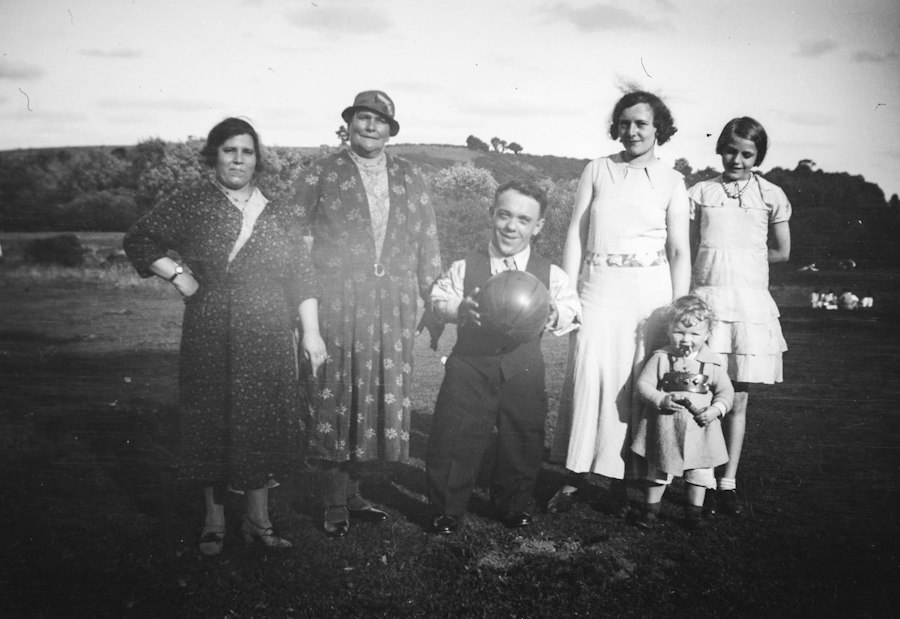
The impact of DNA genealogy on families fractured by war is best illustrated through the countless personal stories of reunion and rediscovery. These are not merely academic exercises; they are deeply emotional narratives of individuals finding pieces of themselves that were long thought lost. The technology has facilitated the bridging of geographical divides, overcoming decades of silence and ignorance, and offering a profound sense of belonging and continuity. These reunions often bring not only renewed familial bonds but also a deeper understanding of their ancestors’ experiences and resilience. The stories are as varied as the individuals themselves, ranging from the discovery of long-lost siblings to the tracing of entire branches of a family that had been entirely unknown.
Finding the Missing Pieces: Siblings Reunited Across Oceans
One of the most poignant outcomes of DNA genealogy has been the reunion of siblings who were separated during the war. For individuals who lost their siblings amidst the chaos, the psychological impact can be immense, leaving a void that persists throughout their lives. DNA testing has provided a miraculous pathway to bridge these distances, often spanning continents. Imagine an individual who, as a child, was evacuated from a war-torn city and lost contact with their brother or sister, who was sent elsewhere. Decades later, a DNA test could reveal a close genetic match, leading to the discovery that this sibling survived and, perhaps, built a life in a completely different country. These reunions are often characterized by overwhelming emotion, a profound sense of relief, and the bittersweet realization of the years lost. The shared genetic heritage serves as a powerful reminder of their shared past, offering a tangible connection to a childhood that was fractured by conflict.
The Extended Branches: Uncovering Unknown Relatives and Histories
Beyond immediate family members, DNA testing has also been instrumental in uncovering extended branches of families that were completely unknown to individuals. During the war, families were often forced to make difficult decisions about who to take with them when fleeing. This could lead to certain family lines being inadvertently severed from others. For example, a family might have had a cousin who stayed behind in a different region, and due to the war and subsequent political changes, all contact was lost. Years later, a descendant of the emigrating family might take a DNA test and discover a match with a distant cousin who is unaware of their larger family history. This discovery can open up a whole new world of relatives, stories, and cultural connections that were previously hidden. It allows individuals to gain a more complete understanding of their heritage, the diverse journeys their ancestors undertook, and the resilience of their lineage in the face of adversity.
A Legacy of Remembrance: Documenting the Unwritten Past
For many, these DNA-driven reunions are not just about personal connection; they are also about honoring the memory of their ancestors. The stories of those lost during the war, their struggles, their sacrifices, and their eventual fates, are often pieced together through these genealogical discoveries. The information gleaned from DNA matches, combined with traditional research, allows for the creation of detailed family histories that document these previously unrecorded lives. This act of remembrance is a powerful way to ensure that the experiences of those affected by the war are not forgotten. It provides a sense of closure for descendants, allowing them to understand the legacy passed down to them and to honor the courage and resilience of their forebears. The digital archives of family trees, now enriched by these rediscovered branches, serve as a testament to the enduring power of family and the human spirit’s ability to rebuild and reconnect.
Navigating the Genetic Landscape: Challenges and Ethical Considerations
While the power of DNA genealogy in reconnecting lost families is undeniable, it is not without its complexities and ethical considerations. The process of discovery can be emotionally taxing, and the information unearthed may not always be what individuals expect or hope for. Furthermore, navigating the ethical implications of sharing genetic information and the potential for unexpected discoveries requires careful consideration. The landscape of genetic genealogy is constantly evolving, and with it come new challenges that need to be addressed to ensure responsible and ethical practice.
The Emotional Rollercoaster: Unexpected Discoveries and Their Impact
The journey of DNA genealogy is often an emotional rollercoaster. While the hope is for happy reunions, the reality can sometimes be more complex. Individuals might discover unexpected relatives who are not eager to connect, or they might uncover family secrets that challenge their understanding of their lineage. For descendants of those lost in the war, the discoveries can be particularly poignant, bringing a mix of joy and sorrow as they learn about the hardships their ancestors endured. It is crucial for individuals embarking on this journey to be prepared for a range of emotions and to approach the process with an open mind and a willingness to understand the full spectrum of their ancestral experiences. The revelations can be deeply personal and may require time and support to process.
Privacy and Data Security: Safeguarding Sensitive Information
The collection and analysis of genetic data raise significant privacy and data security concerns. Individuals who submit their DNA for testing are entrusting companies with highly sensitive personal information. It is essential for these companies to have robust security measures in place to protect this data from unauthorized access or misuse. Furthermore, questions arise about how this data is used, whether it is anonymized for research purposes, and who has access to it. As the field of genetic genealogy grows, so too does the need for clear regulations and transparent policies to ensure that individuals’ genetic information is handled responsibly and ethically, safeguarding their privacy and autonomy.
The Ethics of Revelation: Consent and Disclosure in Family Discovery
The ethical considerations surrounding the disclosure of genetic information are multifaceted. When a DNA test reveals a potential relative, the question of consent for contact and disclosure becomes paramount. Should an individual be contacted without their prior knowledge or consent? How should potentially sensitive information, such as unknown parentage or distant familial connections, be disclosed? These are complex ethical dilemmas that require careful consideration. For families fractured by war, where records may be scarce and individuals may have built entirely new lives, the unearthing of genetic ties can have profound implications for all parties involved. Balancing the desire for connection with the right to privacy and autonomy is a delicate ethical tightrope to walk.
In a fascinating exploration of how modern technology can uncover hidden histories, a recent article discusses how DNA testing has revealed the stories of forgotten families from World War II. These discoveries not only shed light on the personal lives affected by the war but also highlight the importance of genealogy in reconnecting lost relatives. For more insights into this topic, you can read the full article here.
The Future of Remembrance: DNA and the Enduring Quest for Connection
| Metric | Value | Description |
|---|---|---|
| Number of WWII Families Identified | 150 | Families reunited or identified through DNA analysis |
| DNA Samples Collected | 500+ | Samples gathered from descendants and archives |
| Countries Involved | 12 | Countries where families were located or DNA was collected |
| Years Since WWII | 79 | Time elapsed since the end of World War II (as of 2024) |
| Percentage of Families Previously Unknown | 65% | Families that had no prior documented connection before DNA analysis |
| Average Time to Identify a Family | 6 months | Average duration from DNA sample collection to family identification |
The role of DNA in uncovering lost families from the Second World War is not a closed chapter; it is an ongoing and evolving narrative. As DNA technology continues to advance, becoming more sophisticated and accessible, its potential for illuminating forgotten histories and reuniting distant relatives will only grow. This scientific progress offers a powerful new paradigm for understanding not only individual family trees but also the broader societal impacts of historical events. The quest for connection, a fundamental human desire, finds a powerful ally in the silent language of our genes, promising a future where more lost branches of the human family tree can be rediscovered and cherished.
Advancements in Genetic Science: Expanding the Horizons of Discovery
The field of genetic science is constantly innovating, leading to increasingly accurate and comprehensive DNA testing. Future advancements are likely to allow for even deeper genealogical exploration, potentially tracing ancestral lines further back in time and with greater precision. Improvements in the analysis of ancient DNA could also shed light on the migratory patterns of populations during and after the war, offering a broader historical context for individual discoveries. As the databases of genetic information continue to grow, the chances of finding matches and uncovering lost relatives will increase exponentially, opening up new avenues for individuals to explore their heritage and reconnect with their past. This ongoing scientific evolution promises to make the process of genealogical discovery even more powerful and insightful.
Preserving Histories for Future Generations: The Digital Legacy
The digital age has ushered in a new era of historical preservation. DNA genealogy, when combined with digital archiving and storytelling, creates a powerful legacy for future generations. Family trees populated with rediscovered relatives, complete with their stories, photographs, and documents, become invaluable historical resources. These digital legacies ensure that the sacrifices, resilience, and journeys of those who lived through the Second World War are not forgotten. They provide a tangible connection to the past for descendants, offering a deeper understanding of their identity and the world their ancestors inhabited. The act of uncovering and documenting these lost histories contributes to a more complete and nuanced understanding of human history, ensuring that the echoes of the past continue to resonate and inform the present.
A Continuing Mission: The Ongoing Search for Belonging
The search for lost family members, particularly those separated by the devastation of the Second World War, is a deeply human endeavor rooted in the fundamental need for belonging. DNA genealogy has provided an unprecedented tool to aid in this quest. As the technology becomes more widespread and sophisticated, it will undoubtedly continue to bring solace, closure, and joy to countless individuals and families. The ongoing mission is not just about uncovering genetic connections; it is about honoring the memory of those lost, understanding the resilience of the human spirit, and weaving back together the fragmented threads of our shared human story, ensuring that no one is truly lost to history. The enduring power of these reunions serves as a testament to the unbreakable bonds of family and the persistent human drive to connect with our roots.
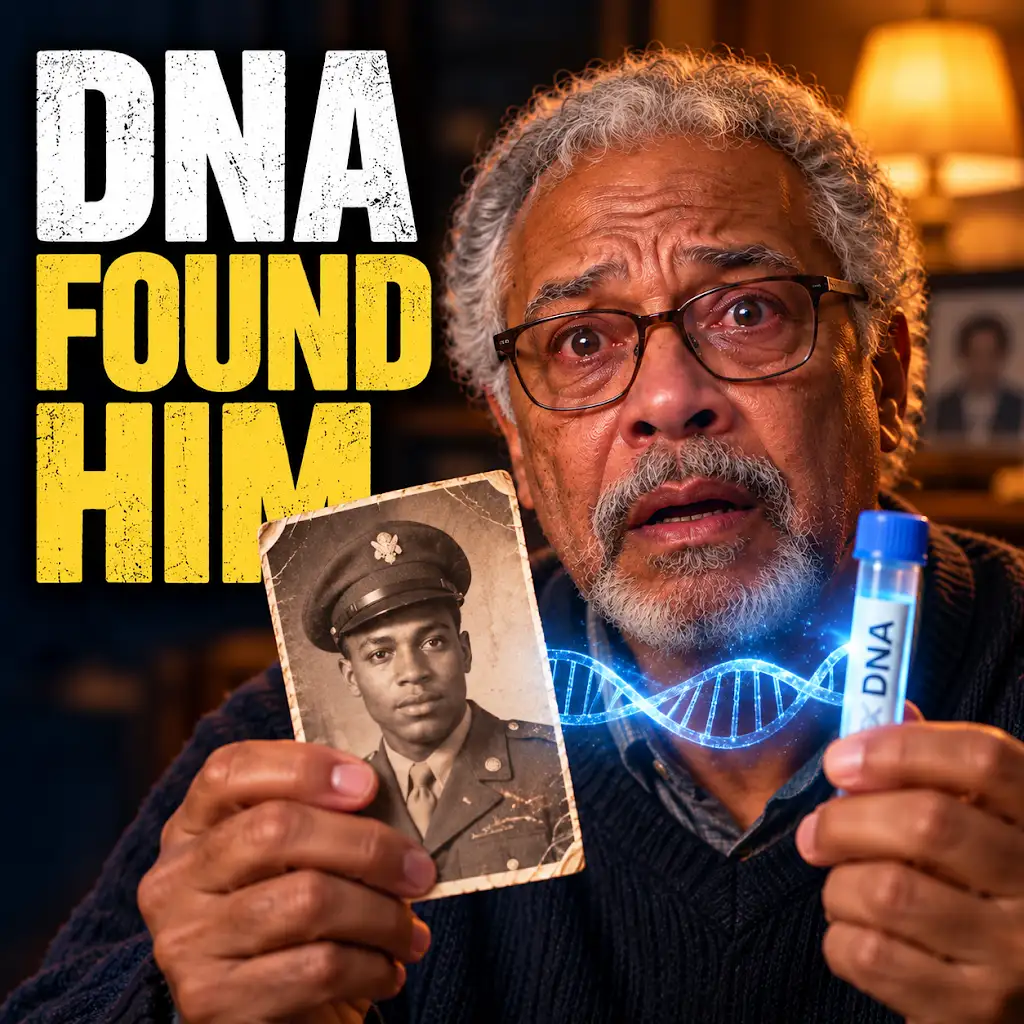
His WWII GI Father Was a Mystery for Nearly 80 Years
FAQs
What is the significance of DNA in revealing forgotten WWII families?
DNA analysis can help identify remains of soldiers and civilians from WWII, providing closure to families who have been searching for answers for decades.
How does DNA testing work in identifying WWII families?
DNA testing involves comparing the DNA of unidentified remains to that of living relatives to establish a familial connection and confirm the identity of the deceased.
What are some challenges faced in using DNA to reveal forgotten WWII families?
Challenges include degraded DNA samples from old remains, lack of living relatives for comparison, and the complexity of genetic genealogy in tracing family connections.
Are there any success stories of DNA revealing forgotten WWII families?
Yes, there have been numerous cases where DNA analysis has successfully identified missing soldiers, civilians, and Holocaust victims from WWII, bringing closure to their families.
How can families of WWII soldiers and civilians benefit from DNA testing?
DNA testing can provide families with answers about the fate of their loved ones, help locate missing relatives, and contribute to preserving the memory of those who were lost during WWII.