The Invisible Threads of Kinship
In the vast tapestry of human existence, the concept of family transcends geographical boundaries and the passage of time. For centuries, the desire to connect with ancestral roots and lost relatives has been a powerful motivator, a yearning for a sense of belonging and understanding. Today, this age-old quest has been revolutionized by the advent of genetic science. DNA, the intricate blueprint of life, has emerged as a remarkable tool, acting as an invisible bridge that connects continents and reunites families across the globe. This article explores the profound impact of DNA testing on genealogical research, the scientific principles that underpin these connections, and the myriad ways in which individuals are discovering their heritage and forging new relationships through the power of their genetic code.
In exploring the profound impact of DNA on familial connections, an insightful article titled “How Genetic Testing is Uniting Families Across the Globe” delves into the ways in which DNA testing has transformed the understanding of ancestry and heritage. This piece highlights personal stories of individuals who have discovered long-lost relatives through genetic connections, illustrating the powerful role of science in bridging distances and cultures. For more information, you can read the article here: How Genetic Testing is Uniting Families Across the Globe.
Unlocking Ancestral Secrets Through Genetic Markers

The ability to trace familial connections through DNA is rooted in the fundamental principles of heredity. Every individual inherits a unique combination of genetic material from their parents, who in turn inherited it from their ancestors. This inheritance pattern creates a traceable lineage, allowing scientists to identify shared genetic markers between individuals. These markers, specific sequences of DNA, can be used to determine the degree of relatedness between people. The more shared markers two individuals possess, the more closely related they are likely to be. This intricate dance of genetic inheritance, played out over generations, creates a biological roadmap, guiding researchers and individuals alike to discover their ancestral past.
The Science Behind the Connection
At its core, DNA testing for genealogical purposes relies on analyzing specific regions of a person’s DNA. These regions are chosen for their variability within the human population, meaning they differ from person to person. Two primary types of DNA are typically analyzed: autosomal DNA and mitochondrial DNA, each offering unique insights into familial relationships. Autosomal DNA, inherited equally from both parents, provides a comprehensive picture of ancestry across all lines of descent, extending back several generations. It is particularly useful for identifying more recent relatives, typically within the last five to seven generations. Mitochondrial DNA (mtDNA), on the other hand, is inherited solely from the mother. This maternal lineage can be traced back thousands of years, offering a glimpse into deep ancestral origins and migrations. Y-chromosome DNA (Y-DNA), passed down from father to son, provides insights into paternal lineage and can also be used to trace deep ancestral paths. By comparing the DNA of individuals to databases of other users, sophisticated algorithms can identify matches and suggest potential familial relationships, even when there is no prior knowledge of a connection.
The Evolution of Ancestry Testing
The journey of DNA-based ancestry testing has been a remarkable one, evolving from early, less precise methods to the highly sophisticated and accessible services available today. Initially, genetic genealogy was a domain primarily for academics and researchers. However, as technology advanced and the cost of DNA sequencing decreased, commercial testing kits became widely available to the public. This democratization of genetic information has opened up a world of possibilities for individuals seeking to understand their heritage. Early DNA tests often focused on broad ethnic origins, providing percentages of ancestry from different regions of the world. While these provided a general overview, they lacked the granularity needed for pinpointing specific family connections. The development of advanced algorithms and larger reference databases has allowed for the identification of closer relatives and the construction of more detailed family trees. The continuous improvement in technology ensures that the accuracy and scope of these tests are constantly expanding, offering an ever-more detailed and nuanced understanding of our genetic past.
Bridging Continents, Reconnecting Lives
The most profound impact of DNA testing lies in its ability to connect individuals who have been separated by vast distances, time, and often, lack of information. Stories of adoptees finding biological parents, of individuals discovering long-lost siblings, and of families reunited after generations of separation are becoming increasingly common, thanks to the power of genetic genealogy. These connections are not merely statistical probabilities; they represent the restoration of familial bonds, the filling of emotional voids, and the creation of new branches on existing family trees. The ripple effect of these reunions extends beyond the immediate individuals, often impacting entire families and communities.
The Journey of Discovery and Reunion
For many, the journey of DNA testing begins with a personal quest for identity. Perhaps an individual was adopted and seeks to understand their biological origins. Or maybe they grew up with fragmented family stories and wish to fill in the missing pieces. The process is often an emotional one, marked by anticipation, curiosity, and sometimes, trepidation. Receiving the results can be a moment of profound revelation. A match with a previously unknown relative, even if distant, can unlock a cascade of information and lead to the formation of new bonds. These reunions are often facilitated by the testing companies, which provide platforms for users to connect and communicate. The sharing of family trees, photographs, and stories creates a rich tapestry of shared heritage, allowing individuals to build relationships based on a foundation of genetic connection.
Beyond Immediate Family: Exploring Deeper Roots
While finding close relatives is a primary driver for many, DNA testing also offers the opportunity to explore deeper ancestral roots and understand the broader story of human migration. By analyzing genetic markers, individuals can discover their ethnic origins with a remarkable degree of detail, often tracing their lineage back to specific geographical regions and historical populations. This can be particularly enlightening for individuals with complex or mixed ethnic backgrounds, providing a tangible link to diverse cultures and ancestries. Furthermore, by connecting with others who share similar genetic profiles, individuals can contribute to larger genealogical projects, helping to map out human migration patterns and understand the shared history of humanity. These broader explorations can foster a deeper appreciation for the interconnectedness of all people and the rich tapestry of human diversity.
The Global Reach of Genetic Genealogy
The internet and readily available DNA testing kits have transformed genealogy from a niche hobby into a global phenomenon. Individuals from every corner of the world are participating, creating a vast and ever-expanding network of genetic connections. This global reach has immense implications for understanding family histories that span continents. A person in North America might discover a cousin in Europe, an aunt in Asia, or an ancestral village in Africa, all through the analysis of their DNA. This interconnectedness fosters a new understanding of global citizenship and the shared human experience.
Facilitating International Family Trees
The ability to connect with individuals across international borders is perhaps one of the most significant contributions of genetic genealogy. Previously, tracing family lines beyond one’s own country could be an arduous and often impossible task, requiring extensive research in foreign archives and potentially overcoming language barriers. DNA testing bypasses many of these obstacles. By providing a universal biological language, genetic markers can bridge geographical and linguistic divides. When two individuals from different continents share a significant number of DNA matches, it strongly suggests a shared ancestor, prompting further investigation into their respective family histories. This often leads to the discovery of shared migration stories, ancestral homelands, and familial connections that have been lost to time and distance. The process can be a collaborative effort, with individuals from different countries pooling their genealogical research to build a more complete and accurate family tree.
Cultural Exchange and Shared Heritage
The discovery of international family connections through DNA testing often sparks a profound cultural exchange. Individuals who might never have had the opportunity to interact with people from different backgrounds are suddenly brought together by shared ancestry. This can lead to a deeper understanding and appreciation of different cultures, traditions, and languages. It fosters empathy and a sense of global community, as people realize their family stories are interwoven with the histories of other nations and peoples. Sharing photographs, recipes, and stories of family traditions from different parts of the world creates a vibrant dialogue and enriches everyone’s understanding of their heritage. This shared heritage, once a source of division, becomes a powerful force for unity and connection in an increasingly interconnected world.
A fascinating exploration of how DNA testing has transformed the way families connect across continents can be found in a related article that delves into the emotional journeys of individuals discovering long-lost relatives. This piece highlights the profound impact of genetic testing on personal histories and relationships, illustrating how a simple DNA test can bridge vast distances and reveal unexpected family ties. For more insights on this topic, you can read the article here.
Challenges and Considerations in the Genetic Landscape
| Metric | Description | Example Data |
|---|---|---|
| Number of Families Connected | Total families identified as related through DNA testing across continents | 12,500+ |
| Continents Involved | Number of continents where connected families reside | 6 (Africa, Asia, Europe, North America, South America, Australia) |
| Average Genetic Match Percentage | Average percentage of shared DNA between connected family members | 25% |
| Common Ancestral Generations | Average number of generations back to the most recent common ancestor | 4-6 generations |
| Languages Spoken | Number of different languages spoken by connected family members | 15+ |
| Average Distance Between Families | Average geographical distance in kilometers between connected families | 8,000 km |
| Percentage of Unknown Relatives Found | Percentage of relatives discovered who were previously unknown to the family | 40% |
While the benefits of genetic genealogy are undeniable, it is important to acknowledge the challenges and ethical considerations that accompany this powerful technology. The interpretation of DNA results requires careful consideration, and privacy concerns are paramount. Understanding the limitations of the tests and approaching the process with realistic expectations are crucial for a positive experience.
Navigating the Nuances of Genetic Data
Interpreting DNA results can sometimes be complex. Genetic matches are probabilities, not certainties, and the degree of relatedness indicated by shared DNA can vary. Furthermore, genetic databases are not exhaustive, and the absence of a match does not necessarily mean there is no familial connection. It could simply mean that the relative in question has not yet participated in DNA testing. Experienced genealogists and genetic counselors can provide valuable guidance in navigating these nuances and understanding the implications of the results. It is also important to remember that DNA only tells part of the story. Genealogical research, including the examination of historical documents and family lore, remains essential for building a complete and accurate family tree.
Ethical Dimensions and Privacy Safeguards
The use of personal genetic information raises significant ethical considerations, particularly concerning privacy and data security. Individuals who undergo DNA testing entrust their most intimate biological information to testing companies. It is therefore crucial to choose reputable companies with robust privacy policies that clearly outline how genetic data is stored, used, and protected. Understanding who has access to your data and how it might be shared with third parties is essential. Furthermore, the discovery of unexpected familial relationships can sometimes lead to complex emotional situations, and individuals should be prepared for a range of potential outcomes. Open communication and a thoughtful approach are vital when navigating these sensitive personal discoveries. The responsible use of genetic information, coupled with a commitment to ethical practices, ensures that this powerful tool can continue to connect families in a positive and meaningful way.
The Future of Family Connections
The field of genetic genealogy is constantly evolving, with new technologies and research promising even more profound insights into our familial past and future connections. As DNA databases grow and analytical tools become more sophisticated, the ability to trace ancestral lines and reconnect with lost relatives will only become more powerful. The future holds the promise of deeper understandings of human migration, more precise identification of distant cousins, and perhaps even the ability to understand the genetic predispositions that bind us.
Advancements in Genealogical Technology
The ongoing advancements in DNA sequencing technology are continuously pushing the boundaries of what is possible in genealogical research. Next-generation sequencing techniques are becoming faster, cheaper, and more comprehensive, allowing for the analysis of larger portions of the genome and the identification of more subtle genetic variations. This will lead to more accurate estimations of relatedness and the ability to trace ancestry back further in time. Furthermore, the integration of artificial intelligence and machine learning is revolutionizing the way genetic data is analyzed, enabling the identification of complex familial patterns and the prediction of potential matches with greater precision. The development of new types of genetic tests, focusing on specific genealogical questions or ancestral traits, is also on the horizon.
Building a Global Family Album
Ultimately, DNA testing is more than just a scientific endeavor; it is a deeply human pursuit of connection and understanding. It allows individuals to build a global family album, filled with the stories, faces, and shared genetic heritage of people from all walks of life. As more individuals embrace the power of genetic genealogy, the invisible threads of kinship that connect us all will become stronger, weaving a more unified and understanding global community. The ability to trace our origins and discover our relatives, regardless of where they live, serves as a powerful reminder of our shared humanity and the enduring importance of family in shaping who we are. The journey of discovery continues, and with each DNA test, another connection is forged, another chapter in the grand human story is written.
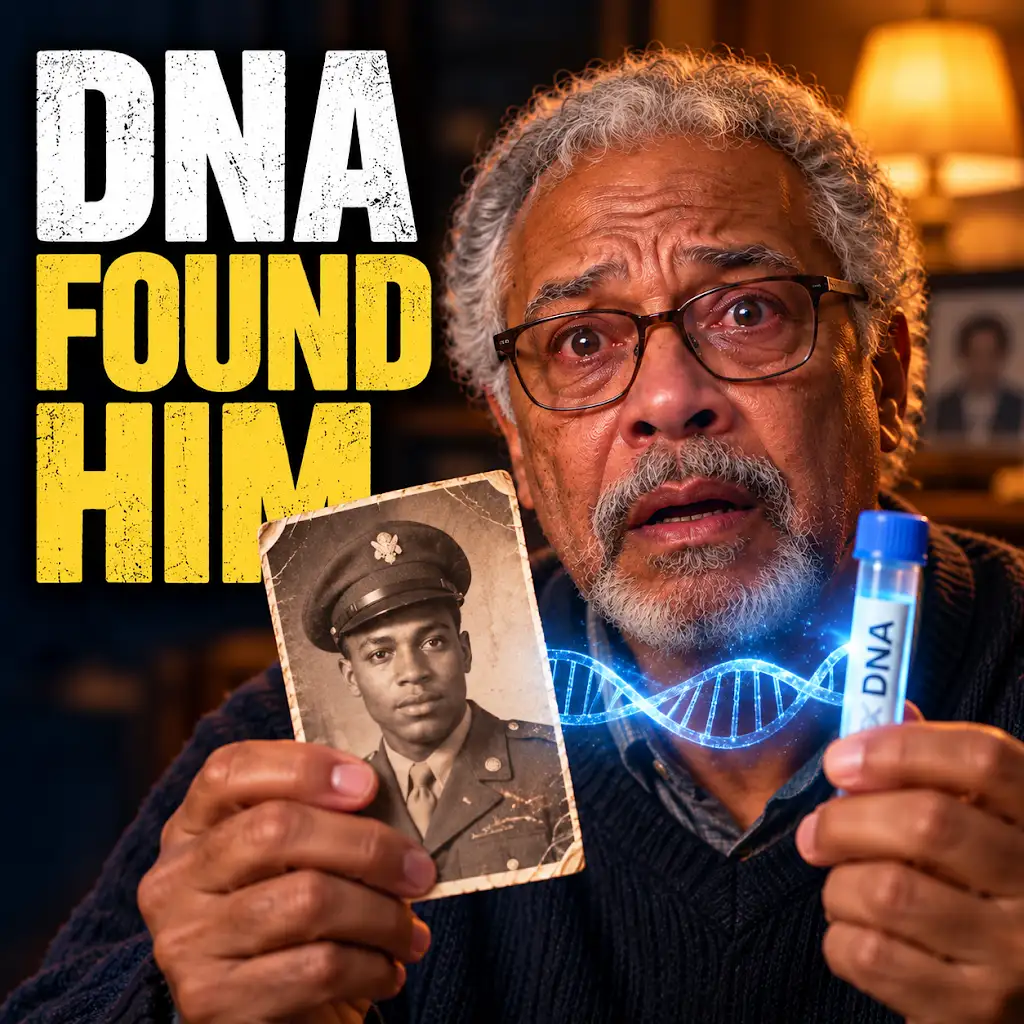
His WWII GI Father Was a Mystery for Nearly 80 Years
FAQs
What is the significance of DNA in connecting families across continents?
DNA testing has revolutionized the way families can trace their ancestry and connect with relatives across the globe. By comparing DNA markers, individuals can discover shared genetic heritage and establish familial relationships.
How does DNA testing help in identifying relatives from different parts of the world?
DNA testing can reveal genetic similarities between individuals from different continents, indicating a shared ancestry. This information can help people identify relatives they may not have known existed and connect with family members living in other countries.
What are the popular DNA testing companies that offer services for connecting families across continents?
Companies like AncestryDNA, 23andMe, and MyHeritageDNA are popular choices for individuals looking to explore their genetic heritage and connect with relatives from around the world. These companies provide DNA testing kits that can be used to uncover familial connections.
Can DNA testing help in reuniting families that have been separated by migration or adoption?
Yes, DNA testing has been instrumental in reuniting families that have been separated due to migration, adoption, or other circumstances. By comparing DNA profiles, individuals can find biological relatives and establish connections that may have been lost over time or distance.
Are there any privacy concerns associated with using DNA testing to connect families across continents?
Privacy concerns related to DNA testing include the potential for sensitive genetic information to be shared without consent, as well as the risk of data breaches or misuse of genetic data. It is important for individuals to carefully review the privacy policies of DNA testing companies and consider the implications of sharing their genetic information before proceeding with testing.