The human genome, a vast and intricate blueprint of life, has long held secrets. For centuries, genealogists painstakingly pieced together family trees through historical records, census data, and anecdotal evidence. While these methods offer valuable insights, they often hit dead ends, leaving individuals with unanswered questions about their ancestry and potential relatives. The advent of direct-to-consumer DNA testing has revolutionized the pursuit of familial connections, offering a powerful and accessible tool for uncovering biological relationships that were previously lost to time or circumstance. This technology, once relegated to forensic science and academic research, has now entered the mainstream, empowering individuals to explore their genetic heritage and discover a world of previously unknown family.
The Science Behind the Connection
At its core, DNA testing for ancestry relies on the fundamental principles of genetics. Every individual inherits a unique combination of DNA from their biological parents, which in turn passed down DNA from their ancestors. This DNA is organized into chromosomes, and within these chromosomes are segments called nucleotides, adenine (A), guanine (G), cytosine (C), and thymine (T). The order of these nucleotides forms the genetic code, and variations in this code, known as single nucleotide polymorphisms (SNPs), are what differentiate individuals. Ancestry DNA tests specifically analyze these SNPs to infer ethnic origins and identify shared DNA segments between individuals.
How Autosomal DNA Works
The most common type of DNA test for genealogical purposes is the autosomal DNA test. Autosomal DNA is inherited from both parents and makes up the vast majority of an individual’s DNA. It is passed down through generations in a random, but predictable, manner. When an individual takes an autosomal DNA test, a sample of their DNA, usually from saliva or a cheek swab, is sent to a laboratory. There, the DNA is amplified and analyzed for thousands of specific SNPs. The results are then compared against a vast database of other individuals who have also tested.
The software identifies segments of DNA that are identical between the test-taker and others in the database. The longer and more numerous the shared segments, the closer the biological relationship is likely to be. These matches are then categorized by estimated familial relationships, ranging from close relatives like siblings and parents to more distant cousins. It’s important to understand that these are estimations, and the exact degree of relationship may require further research or additional testing. The ethnic composition is determined by comparing the individual’s DNA to reference populations from different geographical regions around the world. The percentage assigned to each ethnicity reflects the proportion of DNA that aligns with the genetic markers found in those ancestral groups.
Understanding Y-DNA and Mitochondrial DNA
While autosomal DNA provides the broadest picture of ancestry, other types of DNA testing offer more focused insights. Y-DNA testing, for instance, examines the Y chromosome, which is passed down exclusively from father to son. This type of testing is invaluable for tracing a direct paternal lineage. By analyzing specific markers on the Y chromosome, researchers can identify common paternal ancestors and trace a family’s Y-DNA haplogroup, which indicates deep ancestral origins. This can be particularly useful for men seeking to connect with relatives who share their specific paternal line, even across continents and centuries.
Mitochondrial DNA (mtDNA), on the other hand, is inherited solely from the mother, passed down from a mother to all her children. mtDNA testing is useful for tracing a direct maternal lineage. It provides information about a person’s deep maternal ancestry, also identified by haplogroups, which can pinpoint ancient migratory patterns of human populations. While mtDNA has a lower mutation rate than Y-DNA, making it less precise for recent familial relationships, it is a powerful tool for understanding the very earliest chapters of human migration and ancestry. Combining insights from autosomal, Y-DNA, and mtDNA tests can provide a more comprehensive understanding of one’s genetic heritage.
If you’re interested in exploring the fascinating world of genetic connections and how DNA can help individuals find their biological relatives, you might want to check out this insightful article on the topic. It delves into the various methods and technologies used in DNA testing, as well as the emotional journeys people undertake when discovering their roots. For more information, you can read the full article here: Finding Biological Relatives with DNA.
Navigating the Results and Building Connections
The moment of receiving DNA test results can be a mixture of excitement, anticipation, and sometimes, trepidation. The raw data, often presented as a list of ethnic percentages and a database of potential DNA matches, requires careful interpretation and strategic utilization. Simply receiving a list of names and shared centimorgans (cM), the unit of measurement for DNA segment length, is only the first step. The true discovery lies in the diligent effort to understand these results and actively build connections.
Deciphering Your Ethnicity Estimate
The ethnicity estimate is often the most immediately engaging aspect of DNA test results. Presented as percentages, it provides a glimpse into the geographical regions where an individual’s ancestors likely originated. However, it’s crucial to approach these estimates with a nuanced understanding. The databases used by testing companies are constantly evolving, and the algorithms used to interpret the data are becoming more sophisticated. Therefore, ethnicity estimates can change over time with updates to the testing company’s reference populations.
Furthermore, ethnicity is a fluid concept, and these percentages reflect historical migrations and intermingling of populations. A person with an ethnicity estimate showing 40% Irish and 30% Scandinavian, for example, doesn’t necessarily mean they have direct ancestors from only those two specific regions. It indicates that a significant portion of their DNA markers align with reference populations from Ireland and Scandinavia, reflecting complex historical movements and interactions. Understanding that these are estimations and not definitive pronouncements is key to avoiding misinterpretations.
Understanding DNA Matches and Centimorgans
The most profound discoveries often come from the DNA matches section. This is where the software has identified individuals in the database who share a statistically significant amount of DNA with the test-taker. The number of centimorgans (cM) shared is the primary indicator of the closeness of a biological relationship. For example, a sibling might share around 3,700 cM, while a first cousin might share approximately 850 cM.
However, it’s essential to remember that the relationship between cM and actual familial ties is not always exact. Two individuals could share the same amount of cM but be related in different ways. For instance, two people could share 400 cM, and one might be a first cousin once removed, while the other could be a half-second cousin. This is where genealogical research becomes paramount. The cM count serves as a starting point, prompting further investigation into shared ancestry.
In recent years, the ability to find biological relatives through DNA testing has transformed the way people connect with their ancestry. Many individuals are discovering long-lost family members and uncovering hidden aspects of their heritage. For those interested in exploring this fascinating topic further, an insightful article can be found at In The War Room, which delves into the implications and experiences of using DNA to trace familial connections. This growing trend not only sheds light on personal histories but also raises important questions about privacy and the ethics of genetic testing.
The Art of Contacting and Collaborating
Once potential matches are identified, the next crucial step is to initiate contact. This can be a daunting prospect, especially when dealing with individuals who may be unaware of their extended family. A polite, clear, and concise message is paramount. It’s advisable to introduce oneself, mention the shared DNA connection, and express a desire to learn more about their family history. Sharing your own family tree or known ancestral lines can often facilitate the process and provide common ground for discussion.
Collaboration is the bedrock of successful DNA-driven genealogy. By pooling information, sharing research findings, and comparing family trees, individuals can often overcome brick walls and identify shared ancestors more efficiently. Some testing companies offer tools that allow users to build and share family trees directly within their platform, which can greatly simplify the process of connecting with matches. Open communication and a willingness to share are key to unlocking the full potential of DNA testing for discovering biological relatives.
Uncovering Hidden Branches of the Family Tree
The power of DNA testing extends beyond confirming existing family knowledge; it often unearths entirely new branches of the family tree, revealing relatives previously unknown and shedding light on intriguing ancestral narratives. These discoveries can range from the heartwarming to the complex, offering a richer and more nuanced understanding of one’s lineage.
Solving Genealogical Mysteries and Adoption Searches
For individuals searching for biological parents or siblings after adoption, DNA testing can be a life-changing tool. The ability to connect with genetic relatives, even distant ones, can provide crucial clues and open doors to reunification. Many adoptees have found answers to long-held questions about their origins, leading to profound emotional healing and the formation of new family bonds. The anonymity that once surrounded adoption can be softened by the genetic connections revealed through DNA, offering a pathway to understanding and belonging.
Beyond adoption, DNA testing can resolve long-standing genealogical mysteries. Perhaps an ancestor’s parentage has always been debated, or a particular family line seems to abruptly disappear from records. DNA matches can provide the missing pieces of the puzzle, linking individuals to previously unknown cousins who may hold the key to understanding these enigmas. The serendipitous discovery of a common ancestor through a DNA match can unravel decades of genealogical speculation.
Exploring Intercountry and Interracial Ancestry
In an increasingly interconnected world, individuals often have diverse ancestral backgrounds. DNA testing can illuminate these complex heritages, revealing connections to populations that may not have been previously acknowledged or understood. For those with intercountry or interracial ancestry, DNA results can provide concrete evidence of their diverse roots, validating their lived experiences and fostering a deeper appreciation for their unique background. This can be particularly empowering for individuals seeking to understand and embrace all facets of their identity.
These tests can also highlight the migratory patterns of human populations over millennia, revealing how different groups have interacted and intermingled. A person who believed themselves to be of purely European descent might discover African or Asian ancestry, reflecting the vast historical movements of people across continents. This can lead to a more inclusive and expansive view of family and heritage, challenging preconceived notions and embracing the richness of human diversity.
The Role of DNA in Connecting with Adopted Relatives
The journey of adoption is often characterized by a profound desire to understand one’s biological origins. DNA testing has emerged as a powerful and accessible means for adopted individuals to connect with their birth families. By submitting their DNA, adoptees can be matched with biological relatives who have also tested, creating opportunities for reunion and the exchange of vital information. This process can provide adoptees with answers to questions about their medical history, family traits, and the circumstances of their birth.
The experience of finding biological relatives can be deeply emotional and transformative for all involved. For birth parents, it can offer closure and the chance to connect with a child they may have longed to know. For adoptive families, it can provide a greater understanding of their child’s heritage and support their journey of self-discovery. It is important for all parties to approach these connections with empathy, respect, and a willingness to navigate the complexities that can arise. Many DNA testing companies offer resources and support services to assist individuals in this process, recognizing the sensitive nature of these discoveries.
Ethical Considerations and Responsible Use
While the pursuit of biological relatives through DNA testing offers immense personal rewards, it also raises important ethical considerations that demand careful attention. The sharing of genetic information, the potential for unexpected discoveries, and the implications for family relationships necessitate a responsible and mindful approach.
Privacy, Data Security, and Consent
A primary concern surrounding DNA testing is the privacy and security of genetic data. Individuals entrust sensitive personal information to these companies, and it is imperative that robust security measures are in place to protect this data from unauthorized access or breaches. Understanding the privacy policies of DNA testing companies, including how their data is stored, used, and potentially shared with third parties, is crucial. Many companies now offer options for users to control their data sharing preferences and even request data deletion.
Furthermore, consent is a cornerstone of ethical DNA testing. While individuals have the right to test their own DNA, the implications of their results can extend to other family members. For example, discovering a new sibling or an unknown relative can impact the relationships and understanding of existing family members. It is advisable to consider the potential impact on loved ones and to approach the sharing of information with sensitivity and respect. In cases where children are tested, parental consent is essential.
The Unexpected and Potential for Disruption
The nature of DNA testing is that it can uncover information that is unexpected and, in some cases, disruptive to established family narratives. Discoveries of unknown siblings, half-siblings, or previously unknown paternal or maternal lines can challenge long-held beliefs and lead to complex emotional responses. It is important for individuals to be prepared for the possibility of such discoveries and to have a support system in place to navigate these emotional landscapes.
The potential for unintended consequences, such as revealing infidelity or challenging family secrets, should also be considered. While DNA testing is a powerful tool for connection, it is not a substitute for open communication and healthy family dynamics. Approaching the pursuit of genetic relatives with a desire for understanding and connection, rather than solely for the purpose of uncovering scandal, is a more constructive approach.
Future Implications and Genetic Genealogy
As DNA technology continues to advance, its implications for genetic genealogy and our understanding of human history are profound. The ever-expanding databases, coupled with sophisticated analytical tools, promise to unlock even deeper ancestral connections and provide more precise insights into our genetic past. This ongoing evolution necessitates a continuous dialogue about the ethical frameworks governing genetic information and its use.
The future may also see increased integration of genetic data with other forms of genealogical research, creating a more holistic and comprehensive approach to family history. The ability to link genetic connections with historical records and traditional genealogical research will undoubtedly lead to unprecedented discoveries. However, it is paramount that this progress is guided by a commitment to ethical principles, ensuring that the pursuit of knowledge is balanced with the protection of individual privacy and the responsible stewardship of genetic information. The journey of discovering biological relatives through DNA testing is a testament to the enduring human desire to understand our origins and connect with our past, a journey that continues to unfold with each new genetic discovery.
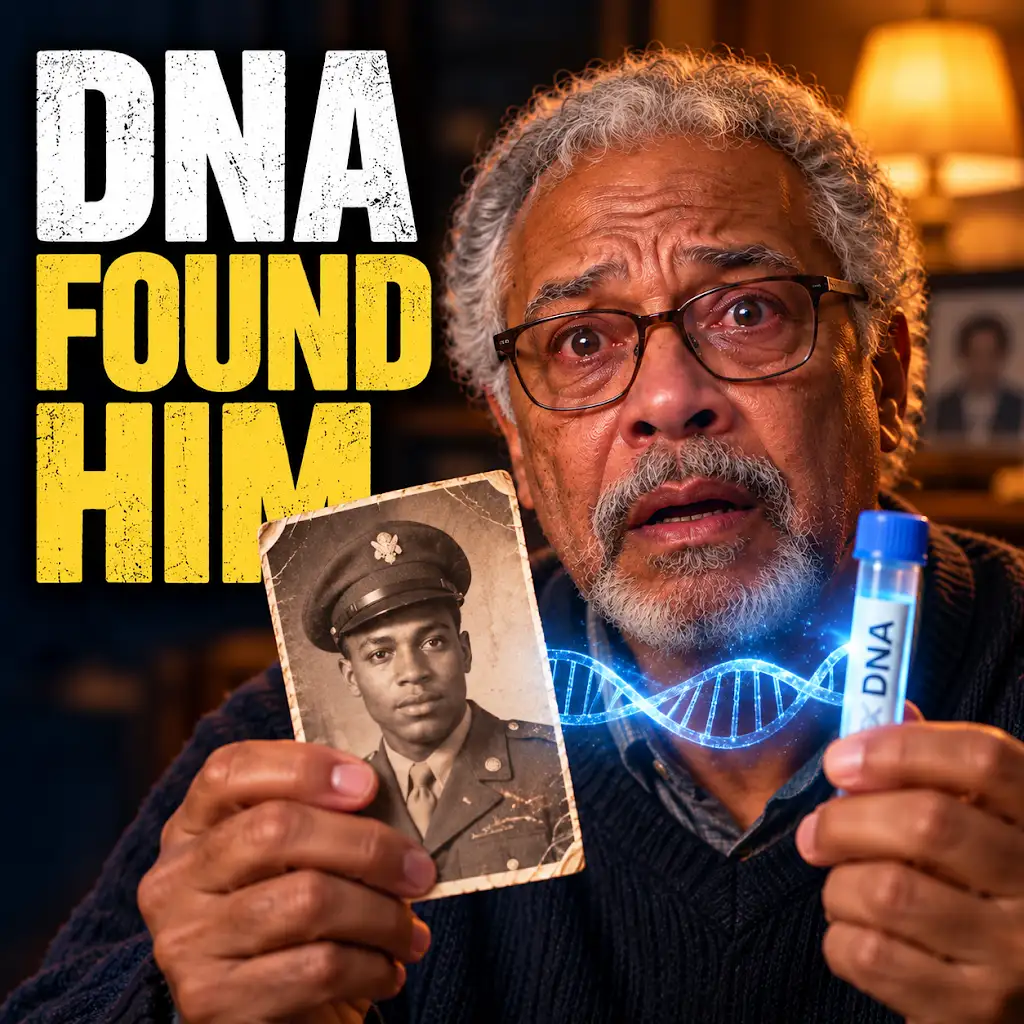
His WWII GI Father Was a Mystery for Nearly 80 Years
FAQs
What is DNA testing for finding biological relatives?
DNA testing for finding biological relatives involves analyzing an individual’s DNA to identify genetic matches with other individuals who share common ancestry. This can help in locating biological relatives such as siblings, parents, or cousins.
How does DNA testing work for finding biological relatives?
DNA testing for finding biological relatives compares specific genetic markers in an individual’s DNA with those of others in a DNA database. By identifying shared genetic markers, it is possible to determine the degree of relatedness between individuals and locate potential biological relatives.
What are the different types of DNA tests available for finding biological relatives?
There are several types of DNA tests that can be used to find biological relatives, including autosomal DNA testing, Y-DNA testing, and mitochondrial DNA testing. Autosomal DNA testing is the most common and can identify relatives on both the maternal and paternal sides of the family.
How accurate are DNA tests for finding biological relatives?
DNA tests for finding biological relatives are generally considered to be highly accurate. The degree of relatedness between individuals is determined by the amount of shared genetic material, and the results are typically reliable in identifying biological relatives within a certain degree of relatedness.
Are there any privacy concerns with DNA testing for finding biological relatives?
There are privacy concerns associated with DNA testing for finding biological relatives, as individuals may uncover unexpected information about their family history or genetic predispositions. It is important to carefully consider the potential implications of DNA testing and to understand the privacy policies of the testing company before proceeding.