DEVGRU: Elite Maritime Special Operations
DEVGRU, officially known as the Naval Special Warfare Development Group, stands as the apex of maritime special operations forces within the United States. It is an organization shrouded in secrecy, its missions often classified, and its operators among the most highly trained and capable individuals in the world. Tasked with conducting the most sensitive and dangerous operations, DEVGRU is the tip of the spear for the U.S. Navy’s special warfare command, a unit that embodies the pinnacle of precision, resilience, and adaptability in the face of extreme adversity.
The genesis of DEVGRU can be traced back to the aftermath of the failed Operation Eagle Claw in 1980, a daring but ultimately disastrous attempt to rescue American hostages from Iran. The perceived shortcomings of the existing special operations forces highlighted the need for a more specialized and integrated unit capable of executing complex, high-stakes missions with a focus on clandestine operations and counter-terrorism.
The Genesis of SEAL Team Six
Following the significant operational failures and critiques of Operation Eagle Claw, the Navy initiated a comprehensive review of its special operations capabilities. This led to the establishment of a new, highly specialized unit, initially designated SEAL Team Six (ST6). The mandate for ST6 was clear: to develop and provide specialized maritime capabilities for counter-terrorism and hostage rescue operations, drawing upon the best talent and training available within the Naval Special Warfare community. The creation of ST6 was a direct response to the evolving nature of global threats and the need for a force that could operate in the shadows, executing missions that traditional military units were not equipped to handle. This early iteration laid the foundational principles of rigorous selection, intense training, and unwavering dedication to mission success that continue to define DEVGRU today.
The Transition to DEVGRU and Modernization
The designation of SEAL Team Six was eventually superseded by Naval Special Warfare Development Group (DEVGRU) in 1987. This change in nomenclature was not merely cosmetic; it reflected an expansion of the unit’s mission scope and its increasing integration into the broader intelligence and special operations landscape. DEVGRU was tasked with not only counter-terrorism and hostage rescue but also with conducting unconventional warfare, direct action missions, and special reconnaissance in some of the world’s most challenging environments. The evolution from ST6 to DEVGRU signaled a commitment to continuous improvement, research, and development of new tactics, techniques, and procedures (TTPs) to stay ahead of emerging threats. This period saw the integration of advanced technologies, sophisticated intelligence gathering, and a more nuanced understanding of asymmetric warfare, solidifying DEVGRU’s position as a premier special operations force.
DEVGRU, also known as SEAL Team Six, has been at the forefront of maritime special operations, showcasing their unparalleled skills in high-stakes environments. For those interested in a deeper understanding of their tactics and missions, a related article can be found at In the War Room, which explores the intricacies of naval warfare and the role of elite units like DEVGRU in modern conflicts. This resource provides valuable insights into the challenges and strategies employed by these specialized forces in maritime operations.
The Rigorous Selection and Training Regimen
The path to becoming a DEVGRU operator is arguably one of the most arduous and unforgiving in the military. It begins with operators already seasoned in the demanding world of Naval Special Warfare, having successfully completed Basic Underwater Demolition/SEAL (BUD/S) training and served in operational SEAL teams. Even for these elite individuals, the selection process for DEVGRU is a gauntlet designed to identify those with exceptional mental fortitude, physical prowess, and unwavering character.
Beyond BUD/S: The Advanced Selection Pipeline
Upon expressing interest in DEVGRU, SEALs enter a multi-phased selection process that goes far beyond the already legendary BUD/S. This pipeline is designed to test candidates under extreme pressure, pushing their physical and mental limits to unprecedented levels. It involves specialized courses focused on advanced combat skills, unconventional warfare, intelligence gathering, and a deep understanding of enemy tactics and motivations. Candidates are assessed not only on their individual performance but also on their ability to operate effectively as part of a cohesive unit, demonstrating superior decision-making under duress and an innate capacity for problem-solving in chaotic environments. The emphasis is on identifying individuals who not only possess exceptional skills but also the psychological resilience to operate with precision and effectiveness in the face of constant danger and uncertainty.
Continuous Skill Refinement and Specialization
Once selected, operators embark on a continuous cycle of training and skill refinement. DEVGRU operators are specialists in a multitude of disciplines, including:
Advanced Close Quarters Combat (CQC)
DEVGRU operators are masters of close-quarters combat, trained to breach and clear complex environments with lethal precision. This involves extensive live-fire exercises in simulated urban settings, utilizing advanced techniques for room clearing, movement, and threat neutralization. Their CQC proficiency is honed through countless hours of practice, ensuring they can operate seamlessly in confined spaces where split-second decisions can mean the difference between mission success and catastrophic failure.
Maritime Interdiction and Boarding Operations
Given their maritime roots, DEVGRU excels in interdiction and boarding operations from vessels and aircraft. This includes high-speed boat operations, helicopter-borne insertions, and boarding hostile vessels in challenging sea states. Their expertise extends to understanding the nuances of maritime law, identifying contraband, and safely apprehending individuals in a maritime environment.
Hostage Rescue and Recovery
A cornerstone of DEVGRU’s mission set is the recovery of hostages from hostile territories or occupied structures. This requires meticulous planning, precise execution, and the ability to de-escalate tense situations while neutralizing threats. Their training in this area is multifaceted, incorporating negotiation tactics, psychological profiling, and the tactical deployment of forces to achieve a successful resolution with minimal collateral damage and maximum safety for the hostages.
Intelligence Gathering and Analysis
DEVGRU operators are not just warriors; they are also highly skilled intelligence collectors and analysts. They are trained to gather information through various means, from direct observation to the utilization of advanced surveillance equipment. Their ability to process and interpret this intelligence in real-time is crucial for mission planning and execution, allowing them to adapt to evolving circumstances and anticipate enemy actions.
Advanced Weapons and Tactics
DEVGRU operators are proficient with a vast array of weaponry, from standard issue firearms to specialized precision rifles and non-lethal options. Their training extends to understanding the ballistic properties of various ammunition types, effective targeting under different environmental conditions, and the tactical application of each weapon system to achieve mission objectives. They are also constantly evaluating and integrating new weapons technologies to maintain their operational edge.
Survival and Evasion Techniques
Operating in remote and hostile environments necessitates advanced survival and evasion skills. DEVGRU operators are trained in wilderness survival, evasion techniques to avoid detection, and methods for escaping captivity. This ensures their survivability and ability to continue their mission or exfiltrate even when operating behind enemy lines and cut off from support.
Global Operations and Mission Profiles
DEVGRU’s operational theater is global, with its operators deployed to virtually every continent to address the most pressing security threats facing the United States. Their missions are characterized by their extreme sensitivity, often involving direct action against high-value targets, clandestine reconnaissance, and counter-terrorism operations in denied areas.
Direct Action and Counter-Terrorism
A significant portion of DEVGRU’s operations involves direct action (DA) missions. These are precisely planned and executed assaults designed to disrupt, degrade, or destroy enemy capabilities. This can range from targeting terrorist leaders and cells to destroying critical enemy infrastructure. Counter-terrorism operations are a core competency, with DEVGRU being the primary force for responding to domestic and international terrorist threats, including hostage situations and active shooter events involving foreign entities.
Special Reconnaissance and Intelligence Gathering
Beyond direct kinetic action, DEVGRU also conducts highly specialized reconnaissance (SR) missions. These involve gathering intelligence in denied or hostile territories, often under extreme conditions. Operators may be inserted deep behind enemy lines for extended periods, observing and reporting on enemy movements, capabilities, and intentions. This intelligence is crucial for informing broader military and diplomatic strategies.
Counter-Proliferation and WMD Interdiction
In an increasingly complex world, DEVGRU plays a vital role in counter-proliferation efforts, particularly concerning weapons of mass destruction (WMD). Their operators may be tasked with interdicting the movement of WMD materials, securing or neutralizing WMD facilities, and preventing hostile actors from acquiring or developing these devastating weapons. These missions are among the most dangerous and require meticulous planning and flawless execution.
Support to Other Agencies and Operations
DEVGRU does not operate in a vacuum. They frequently provide specialized support to other U.S. government agencies, including the Central Intelligence Agency (CIA), the Federal Bureau of Investigation (FBI), and other elements of the intelligence community. This support can range from providing tactical expertise for sensitive operations to conducting clandestine insertions and extractions of personnel. They also contribute to broader military operations, serving as a force multiplier in specialized capacities.
The Unseen Hand: Secrecy and Operational Security
The very nature of DEVGRU’s missions dictates an unprecedented level of secrecy. The organization operates in the shadows, its existence and activities often unknown to the public. This operational security (OPSEC) is not merely a matter of protecting classified information; it is fundamental to the success of their missions and the safety of their operators.
The Veil of Anonymity
DEVGRU operators are deliberately kept anonymous. Their identities are closely guarded secrets, and public recognition is actively discouraged. This anonymity is a critical tool, allowing them to operate with freedom of movement and preventing adversaries from identifying and targeting them. The absence of public profiles and the extreme vetting of personnel who have any contact with the unit all contribute to this pervasive veil of anonymity.
Mission Disclosure and Public Perception
The lack of public disclosure surrounding DEVGRU’s operations can lead to speculation and misinformation. While some missions may eventually be declassified years or even decades later, the immediate aftermath of an operation is typically met with silence. This deliberate withholding of information is a calculated strategy to protect ongoing operations, future planning, and the identities of those involved. It also serves to deny adversaries valuable intelligence.
The Importance of Information Control
The control of information is paramount for DEVGRU. Every aspect of their operations, from intelligence gathering to tactical planning and execution, is handled with the utmost discretion. This includes strict protocols for communication, document handling, and personnel interactions. The consequences of a security breach can be dire, impacting not only the success of a mission but also the lives of operators and the national security interests of the United States.
DEVGRU, also known as SEAL Team Six, has been involved in numerous high-stakes maritime special operations that showcase their elite capabilities. For those interested in exploring the intricacies of these operations, a related article provides valuable insights into the strategies and training that underpin their success. You can read more about this in the article on maritime special operations here. This resource delves into the unique challenges faced by these operatives in aquatic environments, highlighting their adaptability and precision in executing complex missions.
Legacy and Enduring Significance
| Metric | Details |
|---|---|
| Unit Name | DEVGRU (Naval Special Warfare Development Group) |
| Primary Role | Maritime Special Operations, Counterterrorism, Direct Action |
| Parent Organization | United States Naval Special Warfare Command (NSWC) |
| Operational Environment | Maritime, Coastal, Underwater, Urban |
| Key Capabilities | Hostage Rescue, Underwater Demolition, Reconnaissance, Counterterrorism |
| Typical Team Size | 6-12 operators per mission team |
| Training Duration | Over 18 months specialized training including SEAL qualification and DEVGRU selection |
| Equipment | Advanced diving gear, specialized weapons, stealth boats, night vision, and communications |
| Notable Operations | Operation Neptune Spear (Bin Laden raid), Numerous classified maritime missions |
DEVGRU’s legacy is one of unwavering commitment to protecting national interests through elite maritime special operations. The unit has consistently demonstrated its ability to adapt to evolving threats and to execute missions that are beyond the capabilities of conventional forces. Its contributions, though often unseen, have been instrumental in shaping the global security landscape.
Hallmarks of Excellence
The hallmarks of DEVGRU’s excellence are deeply ingrained in its culture: an unrelenting pursuit of perfection, a profound sense of duty, and an extraordinary capacity for teamwork under the most extreme duress. These qualities, honed through rigorous selection and continuous training, allow DEVGRU operators to consistently achieve mission success in environments where others would fail.
The Future of Maritime Special Operations
As global threats continue to evolve, DEVGRU remains at the forefront of maritime special operations. The unit continues to invest in advanced technologies, innovative training methodologies, and the development of its highly skilled personnel. Its adaptability and commitment to staying ahead of emerging threats ensure that it will continue to be a critical asset for the United States in the years to come, safeguarding national security interests through its specialized and unparalleled capabilities. The legacy of DEVGRU is not just in its past achievements, but in its ongoing commitment to being the premier maritime special operations force, ready to meet any challenge, no matter how daunting.
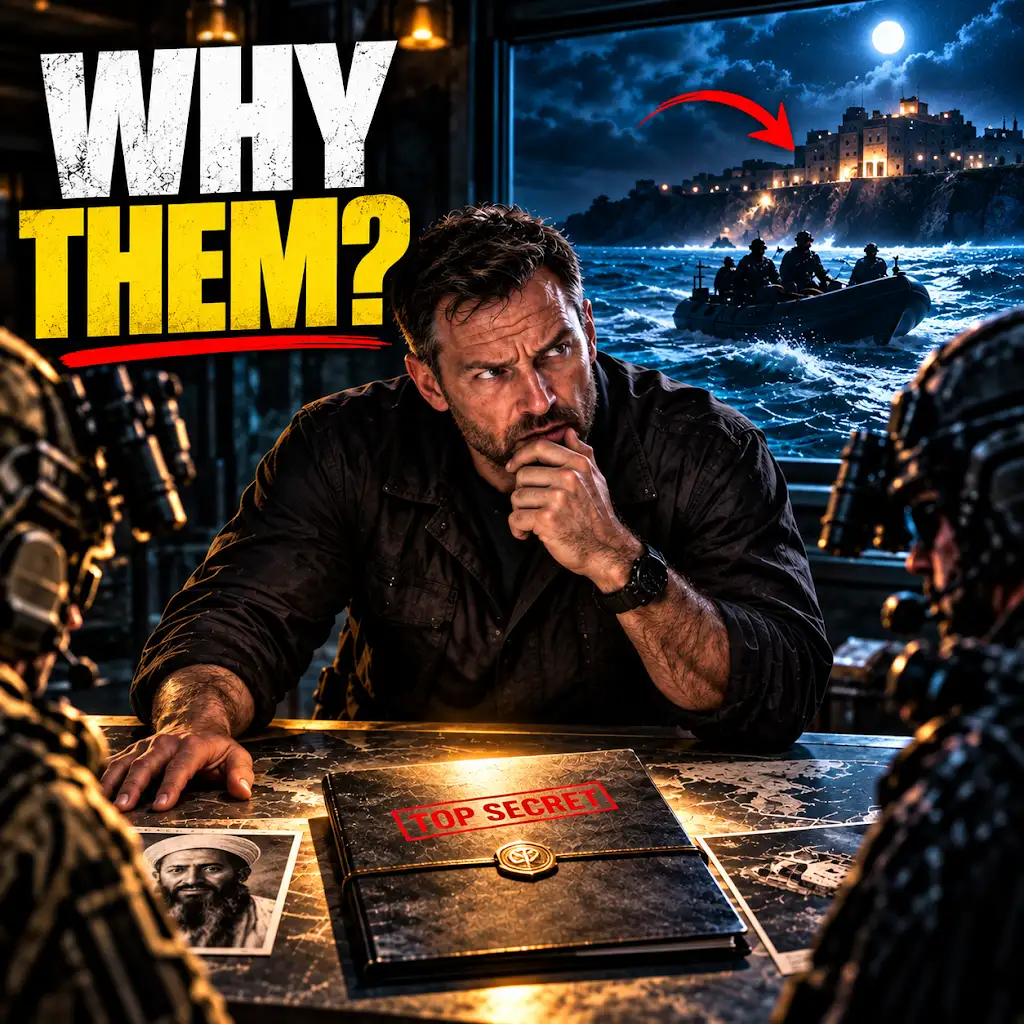
Why SEAL Team Six Got the Bin Laden Raid — Not Delta Force
FAQs
What is DEVGRU?
DEVGRU, also known as the United States Naval Special Warfare Development Group, is a special operations force within the U.S. Navy.
What is the primary focus of DEVGRU?
DEVGRU specializes in maritime special operations, including counter-terrorism, hostage rescue, and direct action missions.
How does DEVGRU differ from other special operations forces?
DEVGRU is considered one of the most elite special operations units in the U.S. military and is specifically focused on maritime operations, such as those conducted from submarines or ships.
What are the qualifications to become a member of DEVGRU?
Candidates for DEVGRU must first be Navy SEALs and then undergo a rigorous selection process that includes physical fitness tests, psychological evaluations, and specialized training.
What are some notable operations conducted by DEVGRU?
DEVGRU was involved in the operation that led to the death of Osama bin Laden in 2011, as well as numerous other high-profile missions around the world.