Delta Force and SEAL Team Six, two of the most elite and secretive special operations units in the United States military, are often mentioned in the same breath when discussing high-stakes, critical missions. While both are highly trained and capable of executing complex operations, their differing specializations, historical development, and operational philosophies set them apart. Understanding these distinctions is crucial to appreciating the unique strengths and roles each unit fulfills within the broader spectrum of U.S. special operations. This article will delve into the divergent paths and mission specializations of Delta Force and SEAL Team Six, exploring the nuances that define their operational effectiveness.
The development of both Delta Force and SEAL Team Six was a direct response to evolving global threats and the perceived need for specialized capabilities that existing conventional forces could not adequately address. Their origins are rooted in specific historical events and the subsequent realization that highly trained, discrete units were essential for unconventional warfare and counterterrorism.
The Birth of Delta Force: Counterterrorism’s Vanguard
Delta Force, officially known as the 1st Special Forces Operational Detachment-Delta (1st SFOD-D), was established in 1977 by Colonel Charles Beckwith. Beckwith, a highly decorated Green Beret, recognized a critical gap in U.S. counterterrorism capabilities following the Munich Olympics massacre in 1972 and the subsequent Iran hostage crisis. The existing Special Forces units, while capable, were not specifically structured or trained for the rapid, direct-action hostage rescue missions that were becoming increasingly prevalent. Delta Force was designed from the ground up to be a highly secretive, precision strike unit focused on counterterrorism and hostage rescue. Its initial recruitment emphasized individuals with prior special operations experience, particularly from the Rangers and Green Berets, looking for those with exceptional aptitude, maturity, and mental fortitude. The unit’s early development was heavily influenced by British Special Air Service (SAS) doctrine, emphasizing small unit tactics, individual initiative, and a broad skillset.
The Rise of SEAL Team Six: Naval Special Warfare’s Spearhead
SEAL Team Six, officially known as the Naval Special Warfare Development Group (DEVGRU), has a somewhat more complex and evolving lineage. Its origins can be traced back to the Vietnam War and the development of SEAL (Sea, Air, Land) Teams. However, the direct precursor to DEVGRU was established in the late 1970s as Task Force 160, intended to provide a dedicated counterterrorism capability for the Navy. This task force was later reorganized and renamed SEAL Team Six in 1980, directly in response to the failed Operation Eagle Claw, the U.S. military’s attempt to rescue American hostages in Iran. This operation highlighted significant deficiencies in inter-service coordination and specialized counterterrorism planning. SEAL Team Six was envisioned as a direct-action, counterterrorism unit within the Naval Special Warfare Command (NSWC), capable of operating from the maritime environment but also extending its reach inland. Like Delta, its initial cadre was drawn from experienced SEALs, chosen for their exceptional skills, adaptability, and commitment to extreme performance.
Delta Force and SEAL Team Six, two of the most elite special operations units in the United States, often receive different missions due to their unique training, operational focus, and organizational structures. While both units are highly skilled, Delta Force typically specializes in counter-terrorism and hostage rescue operations on land, whereas SEAL Team Six, officially known as DEVGRU, is primarily focused on maritime operations and can conduct a wider range of missions that include direct action and reconnaissance. For a deeper understanding of the distinctions between these two formidable units and the rationale behind their mission assignments, you can read more in this related article: IntheWarRoom.
Core Mission Specializations: Distinct but Complementary
While both Delta Force and SEAL Team Six are capable of a wide array of special operations, their primary mission specializations reflect their historical development and the branches of service they belong to. These specializations allow for a more focused and efficient application of their unique skillsets.
Delta Force: The Master of Direct Action and Counterterrorism
Delta Force’s primary specialization lies in direct action (DA) operations, particularly those involving counterterrorism. This encompasses a broad range of missions, including:
Hostage Rescue and Liberation
This is perhaps Delta Force’s most well-known and defining specialization. Their training and operational tempo are heavily geared towards swiftly and decisively resolving hostage situations, whether they occur in urban environments, aircraft, or other challenging locations. This requires meticulous planning, rapid infiltration, precise execution, and the ability to neutralize threats while minimizing collateral damage and ensuring the safety of hostages. The unit’s history is replete with such operations, though many remain classified due to their sensitive nature.
Counterterrorism Operations
Beyond hostage rescue, Delta Force is tasked with a wide array of counterterrorism missions. This includes intelligence gathering through clandestine means, disrupting terrorist organizations, capturing or eliminating high-value terrorist targets, and interdicting terrorist activities before they can manifest. Their operational methodology often involves deep reconnaissance, surgical strikes, and the ability to operate with extreme stealth and speed.
Special Reconnaissance and Intelligence Gathering
While not their primary focus, Delta Force possesses significant capabilities in special reconnaissance. This can involve infiltrating denied areas to gather intelligence on enemy positions, capabilities, and intentions, especially when those intentions are related to terrorism or the planning of attacks. This intelligence is crucial for informing broader national security strategies and preventing attacks.
Unconventional Warfare and Foreign Internal Defense (Limited Scope)
While Special Forces Groups are the primary operators of Unconventional Warfare (UW) and Foreign Internal Defense (FID) missions, Delta Force may be called upon for very specific, high-risk UW or FID operations where a small, highly specialized team is required. This is typically in situations where conventional forces are insufficient or where the mission demands a level of secrecy and precision that only Delta can provide. Their involvement in these areas is usually in a supporting or advisory capacity for exceptionally sensitive operations.
SEAL Team Six: Maritime Dominance and Global Reach
SEAL Team Six, as a component of Naval Special Warfare, leverages its maritime heritage and extends its operational capabilities across various environments. Its specializations include:
Maritime Counterterrorism
This is a cornerstone of DEVGRU’s mission set. They are trained to combat terrorist threats emanating from or operating within the maritime domain. This includes interdicting terrorist vessels, conducting boarding operations against hostile craft, and neutralizing threats in port facilities and coastal areas. Their expertise in diving, amphibious operations, and maritime navigation is unparalleled.
Direct Action in Maritime and Coastal Environments
Similar to Delta, DEVGRU conducts direct action missions, but with a strong emphasis on maritime and coastal settings. This can involve raids on enemy positions located on islands, coastlines, or within offshore structures. Their ability to insert and extract via watercraft, submarines, and helicopters from maritime platforms provides them with unique operational advantages.
Counter-Proliferation Operations
DEVGRU plays a critical role in preventing the proliferation of weapons of mass destruction (WMD). This can involve clandestine operations to interdict the transfer of WMD materials, disrupt the operations of rogue states or terrorist groups seeking WMD, and secure sensitive materials. These missions often require a high degree of technical expertise and the ability to operate in complex, hostile environments.
Special Reconnaissance and Intelligence Gathering (Maritime Focus)
DEVGRU conducts special reconnaissance missions with a particular focus on the maritime environment. This includes covertly gathering intelligence on enemy naval capabilities, identifying maritime terrorist networks, and mapping out littoral areas for potential operations. Their ability to operate submerged and from discreet platforms makes them ideal for such tasks.
Direct Action and Counterterrorism (Global Reach)
While rooted in maritime operations, DEVGRU has evolved into a highly capable direct action and counterterrorism unit with global reach. They are trained to operate in any environment, from deserts to mountains, and are frequently deployed to conduct high-risk counterterrorism missions worldwide, often in conjunction with or in support of Delta Force.
Operational Philosophies and Methodologies
The differing organizational structures and service affiliations of Delta Force and SEAL Team Six have also shaped their distinct operational philosophies and methodologies. While both prioritize success and the preservation of life, their approaches to planning, execution, and risk assessment can vary.
Delta Force: Precision, Secrecy, and Deliberate Planning
Delta Force operates under a philosophy that emphasizes precision, absolute secrecy, and meticulous, deliberate planning.
The “Perfect Plan” Mentality
Delta operators are instilled with the belief that a mission’s success hinges on a near-flawless plan. This involves extensive rehearsals, detailed intelligence analysis, and a thorough understanding of every variable. The goal is to create an operation where the execution is almost automatic, minimizing the need for on-the-spot improvisation in critical moments. This often leads to longer planning cycles but aims to drastically reduce mission risks.
Emphasis on Individual Skill and Team Cohesion
While teamwork is paramount, Delta Force places a significant emphasis on the individual skills and proficiencies of each operator. Each member is expected to be a master of their craft, whether it’s marksmanship, demolitions, medical support, or communications. This allows for greater flexibility and initiative within the team structure during operations.
Deniability and Strategic Ambiguity
Due to the highly sensitive nature of their missions, Delta Force operates with a doctrine of deniability and strategic ambiguity. Their operations are often conducted with plausible deniability, meaning the U.S. government can credibly deny any involvement if the operation goes awry or is compromised. This allows for the execution of critical missions that might otherwise be politically unfeasible.
Integration with Intelligence Agencies
Delta Force has a particularly strong and integrated relationship with U.S. intelligence agencies, especially the Central Intelligence Agency (CIA). This collaboration is crucial for intelligence gathering, targeting, and the planning of covert operations. They often conduct joint missions or provide direct support to intelligence operations.
SEAL Team Six: Adaptability, Speed, and Maritime Synergy
SEAL Team Six’s operational philosophy is characterized by adaptability, speed, and the inherent synergy of its maritime capabilities.
“The Only Easy Day Was Yesterday” Ethos
DEVGRU embodies an ethos of relentless training and constant improvement, often summarized by the unofficial motto “The only easy day was yesterday.” This reflects a culture of pushing boundaries, embracing challenges, and continuously seeking to enhance operational effectiveness. There is a strong emphasis on mental toughness and the ability to perform under extreme duress.
Fluidity and Rapid Response
While planning is critical, DEVGRU is also highly adept at rapid deployment and adapting to evolving situations on the ground. Their training emphasizes agility and the ability to transition seamlessly between different operational environments and tactics. This allows them to respond effectively to rapidly changing threats.
Leveraging Maritime Advantages
DEVGRU’s philosophy is deeply intertwined with its maritime roots. They excel at utilizing the inherent advantages of the sea, including stealthy insertion and extraction, covert approaches, and the ability to operate from diverse maritime platforms. This provides them with unique strategic and tactical options.
Inter-Service Collaboration and Joint Operations
As a component of Naval Special Warfare, DEVGRU frequently operates in conjunction with other branches of the military and special operations units from allied nations. They are highly experienced in joint operations, bringing their specialized maritime capabilities to bear in complex, multi-faceted missions.
Recruitment, Training, and Operator Profile
The path to becoming a member of either Delta Force or SEAL Team Six is notoriously difficult, attracting only the most physically and mentally resilient individuals. While both units seek exceptional candidates, their recruitment pipelines and specialized training programs reflect their distinct mission sets.
Delta Force: The “Best of the Best” from Existing Special Operations Ranks
Delta Force’s recruitment pipeline is highly selective and primarily draws from experienced operators within other elite special operations units.
Selection Process: A Brutal Gauntlet
The selection process for Delta Force is widely considered one of the most rigorous in the U.S. military. It involves an extensive physical assessment, psychological evaluations, and demanding field exercises designed to identify individuals with superior problem-solving skills, leadership potential, and the ability to operate under immense stress. Candidates are often unaware of the full scope of the assessment until they are in its midst.
Operator Profile: The Multipurpose Specialist
Delta operators are expected to be highly proficient in a broad range of skills. They are master marksmen, exceptional demolitions experts, skilled in hand-to-hand combat, and possess advanced medical and communication capabilities. The emphasis is on creating a versatile operator capable of handling diverse mission requirements with minimal reliance on external support. They are often described as “jack of all trades” with mastery in many.
Basic and Advanced Skills Training: Continuous Evolution
While candidates are already highly trained, Delta Force provides extensive further training. This includes advanced marksmanship, specialized demolitions, close-quarters combat techniques, advanced survival skills, and extensive scenario-based training that simulates real-world operations. Continuous skill development and cross-training are hallmarks of Delta’s approach.
SEAL Team Six: The Elite Within the SEAL Community
SEAL Team Six’s recruitment is similarly demanding, primarily drawing from the ranks of seasoned SEALs who have already demonstrated exceptional performance.
Selection Process: Building on a Foundation of Excellence
DEVGRU’s selection process builds upon the already high standards of the SEAL community. Candidates undergo rigorous physical and psychological testing, including extended operations that push their endurance and decision-making abilities to the absolute limit. The focus is on identifying individuals with the highest level of mental fortitude, teamwork, and adaptability.
Operator Profile: Maritime Masters with Global Acumen
DEVGRU operators are masters of maritime operations, possessing unparalleled skills in diving, underwater demolition, and small boat operations. However, they are also trained to operate effectively in all environments, demonstrating proficiency in land warfare, close-quarters combat, and intelligence gathering. The emphasis is on creating a highly adaptable operator with a maritime core.
Specialized Training: From Deep Sea to Desert Sands
DEVGRU operators receive specialized training tailored to their diverse mission sets. This includes advanced maritime tactics, submarine operations, aerial infiltration and exfiltration, advanced combat medicine, and extensive counterterrorism scenarios. They are constantly exposed to new technologies and tactics to maintain their cutting-edge capabilities.
Delta Force and SEAL Team Six, both elite special operations units, often receive different missions due to their unique training, operational focus, and organizational structures. For instance, while Delta Force is primarily tasked with counter-terrorism and hostage rescue operations, SEAL Team Six specializes in maritime operations and direct action missions. This distinction is highlighted in a related article that delves into the specific roles and capabilities of these units, providing insight into why they are deployed for different types of missions. To learn more about this fascinating topic, you can read the full article here.
Interoperability and Joint Operations: A Synergistic Relationship
| Aspect | Delta Force | SEAL Team Six (DEVGRU) |
|---|---|---|
| Primary Mission Focus | Counter-terrorism, hostage rescue, direct action on land | Counter-terrorism, maritime operations, direct action in sea/air/land environments |
| Operational Environment | Primarily land-based, urban and rural environments | Maritime, coastal, and riverine environments, plus land and air |
| Training Specialization | Close quarters combat, marksmanship, reconnaissance, intelligence gathering | Diving, parachuting, close quarters combat, advanced maritime tactics |
| Typical Mission Types | Hostage rescue, high-value target capture/elimination, reconnaissance | Ship boarding, underwater demolition, hostage rescue in maritime settings |
| Command Structure | U.S. Army, under Joint Special Operations Command (JSOC) | U.S. Navy, under Joint Special Operations Command (JSOC) |
| Selection Criteria | Army Special Forces background, emphasis on land warfare skills | Navy SEALs background, emphasis on maritime and amphibious skills |
| Equipment Focus | Land-based weapons, surveillance, and breaching tools | Specialized diving gear, boats, maritime weapons, and breaching tools |
While Delta Force and SEAL Team Six possess distinct specializations, their operational effectiveness is often amplified through interoperability and joint operations. In many high-stakes scenarios, these units will collaborate, leveraging each other’s unique strengths to achieve mission success.
Combined Arms Approach to Complex Threats
Modern warfare and counterterrorism often present complex threats that no single unit can effectively address alone. In such situations, Delta Force and DEVGRU can combine their specialized skills. For instance, a mission might require DEVGRU’s maritime insertion capabilities to approach a target, followed by Delta Force’s expertise in direct action and hostage rescue once ashore.
Resource Sharing and Intelligence Fusion
During joint operations, these units can share specialized equipment, intelligence, and logistical support. This synergy allows for a more comprehensive and effective approach to mission planning and execution. The fusion of intelligence from both units provides a more complete picture of the operational environment and potential threats.
Historical Examples of Collaboration
While specifics are often classified, historical accounts and declassified information suggest instances where Delta Force and SEAL Team Six have operated in tandem or provided mutual support. These collaborations underscore the understanding within the special operations community that while their specializations differ, their ultimate goal of protecting national interests is shared.
Bridging the Gap: Complementary Capabilities
The key to their successful collaboration lies in their complementary capabilities. Delta’s deep expertise in direct action and counterterrorism within land-based scenarios is enhanced by DEVGRU’s mastery of maritime operations and global reach. Conversely, DEVGRU benefits from Delta’s extensive experience in certain types of clandestine operations and intelligence integration. This creates a powerful, multifaceted special operations force capable of tackling a vast spectrum of threats.
Conclusion: Elite Units Serving Distinct but Vital Roles
Delta Force and SEAL Team Six represent the pinnacle of U.S. special operations. While both are comprised of exceptionally trained and dedicated individuals capable of extraordinary feats, their differing mission specializations, historical development, and operational philosophies allow them to serve distinct yet vital roles within the national security apparatus. Delta Force, with its origins firmly rooted in counterterrorism and direct action, excels in high-risk, precision strike missions, often involving hostage rescue. SEAL Team Six, leveraging its maritime heritage, provides a formidable capability in maritime counterterrorism, global direct action, and counter-proliferation.
Their strengths are not mutually exclusive but rather complementary. In an increasingly complex global landscape, the United States military relies on the specialized expertise of both Delta Force and SEAL Team Six to address a wide range of threats. Understanding their individual specializations provides crucial insight into the nuanced and highly effective approach of U.S. special operations, where specialized units are meticulously crafted and deployed to achieve specific objectives with unparalleled precision and effectiveness. The continued evolution and collaboration of these elite units ensure that the nation has the capability to respond to its most pressing security challenges.
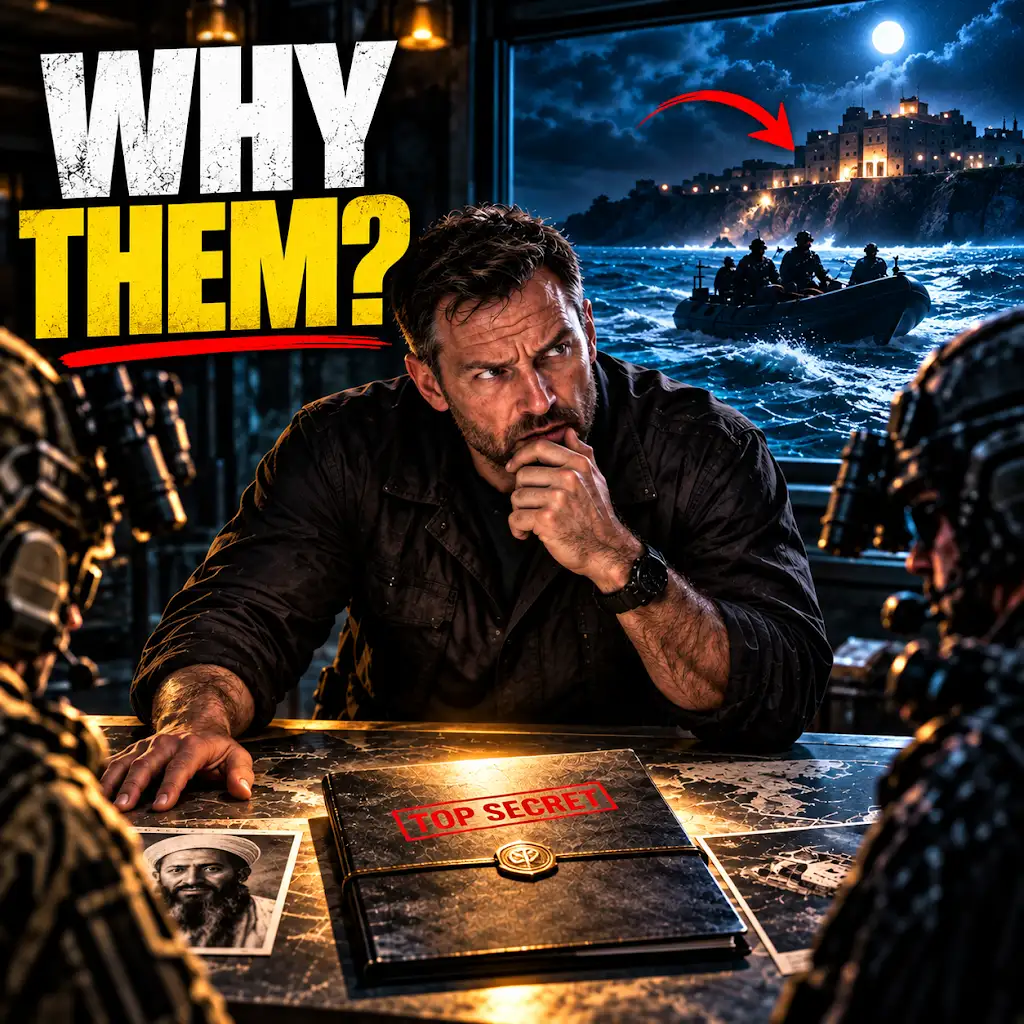
Why SEAL Team Six Got the Bin Laden Raid — Not Delta Force
FAQs
1. What are Delta Force and SEAL Team Six?
Delta Force and SEAL Team Six are elite special operations forces within the United States military. Delta Force is officially known as 1st Special Forces Operational Detachment-Delta, while SEAL Team Six is officially known as the Naval Special Warfare Development Group (DEVGRU).
2. Why do Delta Force and SEAL Team Six receive different missions?
Delta Force and SEAL Team Six are both specialized units with unique capabilities and areas of expertise. Delta Force primarily focuses on counterterrorism and hostage rescue missions, while SEAL Team Six specializes in counterterrorism, hostage rescue, and direct action missions, often involving maritime operations.
3. How are missions assigned to Delta Force and SEAL Team Six?
Missions are assigned to Delta Force and SEAL Team Six based on a variety of factors, including the specific skills and capabilities of each unit, the nature of the mission, and the operational requirements. The decision on which unit to assign a mission to is typically made by higher-level military commanders and officials.
4. Are Delta Force and SEAL Team Six interchangeable in terms of missions?
While both Delta Force and SEAL Team Six are elite special operations forces, they are not interchangeable in terms of missions. Each unit has its own unique training, equipment, and operational procedures that make them better suited for certain types of missions. As a result, missions are assigned to each unit based on their specific strengths and capabilities.
5. How do Delta Force and SEAL Team Six work together on missions?
Delta Force and SEAL Team Six often work together on joint missions, leveraging their respective strengths and capabilities to achieve mission success. These joint operations may involve coordinating on planning, intelligence gathering, and execution of missions to maximize effectiveness and achieve the desired objectives.