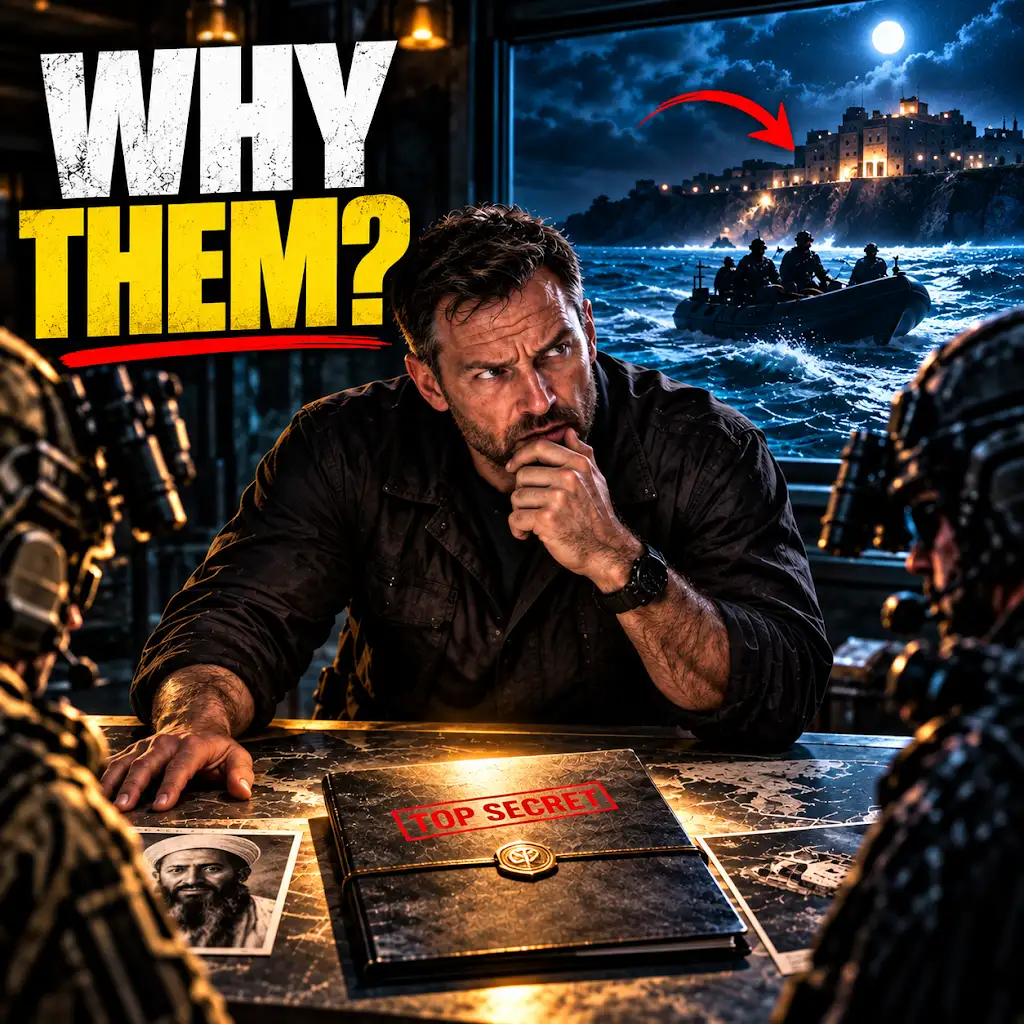
Delta Force and Navy SEALs, two of the most elite special operations forces in the United States military, are often discussed in the same breath. While both units are renowned for their unparalleled bravery, skill, and dedication to national security, their operational methodologies, primary missions, and organizational structures diverge significantly. Understanding these differences is crucial to appreciating the distinct roles each plays in the complex landscape of modern warfare and counterterrorism. This article will delve into the mission variations between Delta Force and the Navy SEALs, exploring the unique capabilities and operational contexts that define these formidable organizations.
Both Delta Force and the Navy SEALs emerged from a need for highly specialized units capable of handling unconventional threats that fell outside the purview of conventional military forces. Their creation was a direct response to perceived shortcomings in existing capabilities, particularly in the realm of hostage rescue and direct action against high-value targets.
Delta Force: The Counterterrorism Spearhead
Delta Force, officially known as 1st Special Forces Operational Detachment-Delta (1st SFOD-D), was established in 1977 by Colonel Charles Beckwith. Its primary mandate was to develop a dedicated counterterrorism unit capable of responding to domestic and international terrorist threats. The unit was heavily influenced by British Special Air Service (SAS) doctrine, emphasizing small-unit tactics, precision, and a high degree of operational autonomy. Delta Force’s training and operational tempo are geared towards scenarios requiring immediate, decisive action, often in highly sensitive or politically charged environments. Their core competencies lie in direct action missions, hostage rescue, counterterrorism operations, and special reconnaissance.
Navy SEALs: Maritime Dominance and Beyond
The United States Navy Sea, Air, and Land (SEAL) Teams, commonly referred to as SEALs, have a longer lineage, with their roots tracing back to World War II. The modern SEAL Teams were officially established in 1962. Their foundational doctrine is inherently maritime, reflecting their Navy origins. This means they are trained for operations in and from the sea, a capability that gives them a unique operational edge in coastal and littoral environments. However, over decades of conflict and evolving threats, the SEALs have expanded their operational spectrum significantly, becoming proficient in a wide array of special warfare and special operations capabilities beyond their maritime origins. Their mandates encompass direct action, special reconnaissance, unconventional warfare, foreign internal defense, and counterterrorism, with a strong emphasis on amphibious and maritime environments.
When exploring the differences in missions between Delta Force and Navy SEALs, it’s insightful to consider various perspectives on their operational roles and training methodologies. A related article that delves deeper into these distinctions can be found at In The War Room, where you can gain a comprehensive understanding of how these elite units approach their unique challenges and objectives in the field.
Operational Philosophies and Tactical Approaches
The differences in their origins and mandates have shaped distinct operational philosophies and tactical approaches for Delta Force and the Navy SEALs. While both employ stealth, surprise, and overwhelming force when necessary, the nuances of their methodologies reflect their specialized training and intended roles.
Delta Force: Precision and Surgical Strikes
Delta Force’s operational philosophy is often characterized by its emphasis on surgical precision. Missions are meticulously planned, often involving extensive intelligence gathering and reconnaissance to ensure a high probability of success with minimal collateral damage. The unit’s small team sizes allow for greater agility and adaptability in dynamic situations. They are trained to infiltrate clandestine locations, neutralize threats with extreme prejudice, and exfiltrate with minimal exposure. This approach is particularly critical in hostage rescue scenarios where the lives of innocents are paramount. Their operations are often covert, aiming to achieve objectives without attribution or escalation.
Navy SEALs: Versatility and Expeditionary Operations
The Navy SEALs, on the other hand, embody a more expeditionary operational philosophy. Their maritime heritage means they are adept at operating from naval platforms, projecting power from the sea to the shore. This allows them to conduct operations in remote and denied areas where access by other forces might be difficult. Their training emphasizes a broader range of skill sets, preparing them for a wider spectrum of missions. While they can execute precise, surgical strikes, they are also capable of sustained operations in denied territories, often working in conjunction with indigenous forces. Their adaptability allows them to transition between various mission types seamlessly, from direct action against enemy targets to providing specialized training to allied militaries.
Mission Profiles and Capabilities
The distinct mandates and operational philosophies of Delta Force and the Navy SEALs translate into specialized mission profiles and capabilities that cater to different aspects of national security requirements.
Delta Force: Counterterrorism and Hostage Rescue Mastery
Delta Force’s primary focus is on counterterrorism and hostage rescue. This includes:
High-Value Target (HVT) Interdiction:
Delta Force is often tasked with eliminating or capturing individuals deemed critical threats to national security. These missions require an intimate understanding of the target’s routines, security measures, and the operational environment. The unit excels at planning and executing complex assaults against heavily fortified enemy positions or during periods of high enemy vulnerability.
Hostage Rescue Operations:
This is arguably Delta Force’s most publicly recognized capability. Their rigorous training in close-quarters combat, negotiation tactics (though often a secondary option to decisive action), and swift execution makes them exceptionally suited for rescuing hostages from terrorist organizations or criminal syndicates. These operations are characterized by their extreme urgency and the need for meticulous planning to minimize risks to the hostages.
Direct Action Against Terrorist Organizations:
Delta Force conducts direct action missions against terrorist groups, aiming to disrupt their operations, degrade their capabilities, and eliminate key leadership. These missions often involve raids on enemy compounds, ambushes, and the destruction of enemy infrastructure.
Special Reconnaissance in Counterterrorism Contexts:
While reconnaissance is a core competency of many special operations forces, Delta Force’s reconnaissance missions are typically focused on gathering intelligence for imminent counterterrorism operations. This might involve surveillance of suspected terrorist safe houses, tracking high-value individuals, or assessing the security of potential target locations.
Navy SEALs: Maritime Special Operations and Beyond
The Navy SEALs possess a broad spectrum of capabilities, with a strong emphasis on maritime environments, but extending far beyond:
Maritime Interdiction Operations (MIO):
SEALs are frequently deployed to intercept suspect vessels, conduct boardings, and secure cargo or individuals at sea. This is a critical function in combating piracy, smuggling, and the proliferation of weapons of mass destruction. Their maritime expertise allows them to operate effectively in challenging sea conditions.
Amphibious Raids and Infiltration:
Leveraging their naval assets, SEALs conduct amphibious raids, assaulting coastal targets from the sea. This includes deploying via small boats, submarines, or even parachuting into the water near their objective. Their ability to operate in the littorals offers a significant strategic advantage.
Special Reconnaissance (SR) in Diverse Environments:
SEALs conduct SR in a wide range of environments, including coastal, jungle, desert, and mountainous terrain. This SR is often focused on intelligence gathering for broader military operations, such as locating enemy positions, assessing terrain, or monitoring enemy movements over extended periods.
Unconventional Warfare (UW) and Foreign Internal Defense (FID):
SEALs are extensively trained in UW and FID. This involves working with and training indigenous forces to combat insurgencies or destabilizing elements within a nation’s borders. They can act as advisors, trainers, and direct action partners to allied forces, enhancing their capabilities and building local capacity.
Counterterrorism Operations (CT):
While Delta Force is the primary counterterrorism unit, SEALs also conduct CT operations, particularly those with a maritime component or requiring broader expeditionary capabilities. They are trained to respond to terrorist threats on ships, in port facilities, or in coastal areas.
Direct Action (DA) Across Domains:
SEALs conduct direct action missions across land, sea, and air. This can range from commando raids on enemy installations to specialized combat operations in support of larger military campaigns. Their versatility allows them to adapt to a wide array of tactical situations.
Sabotage and Clandestine Operations:
SEALs are trained to conduct sabotage missions, disrupting enemy infrastructure and logistics. They are also capable of executing clandestine operations, often in denied territories, to achieve strategic objectives without direct attribution.
Training Regimens and Skill Sets
The rigorous and specialized training regimens of Delta Force and the Navy SEALs are what forge them into the elite operators they are. These programs are designed to push the boundaries of human endurance, skill, and mental fortitude, equipping them with the unique abilities required for their respective missions.
Delta Force: The Ultimate Selection and Skill Refinement
Delta Force’s selection and training process is famously arduous and highly selective, aiming to identify and cultivate individuals with exceptional psychological resilience, problem-solving skills, and combat proficiency.
Basic and Advanced Special Forces Training:
Operators typically come from existing Special Forces communities (e.g., Army Green Berets, Rangers, or Delta Force’s own pipeline). They already possess a high level of military skill before even entering Delta’s selection process.
Elite Marksmanship and Weapons Proficiency:
Delta operators are masters of firearms, proficient with a vast array of weaponry. Their training emphasizes precision shooting under extreme stress, moving target engagement, and unconventional shooting positions.
Advanced Close-Quarters Battle (CQB):
CQB is a cornerstone of Delta Force training. They practice endlessly in simulated environments, mastering room-clearing techniques, close-range engagements, and the rapid, decisive application of force in confined spaces.
Infiltration and Exfiltration Techniques:
Delta operators are trained in a multitude of infiltration and exfiltration methods, including HALO/HAHO (High Altitude-Low Opening/High Altitude-High Opening) parachuting, specialized maritime insertion (submarines, small boats, diving), and overland movement in denied territories.
Intelligence Gathering and Analysis:
While not their primary mission focus, Delta operators receive extensive training in intelligence gathering, surveillance, and reconnaissance to support their direct action and hostage rescue missions.
Survival, Evasion, Resistance, and Escape (SERE):
SERE training is critical to ensure operators can survive behind enemy lines if compromised.
Navy SEALs: The SEAL Ethos and Maritime Specialization
The Navy SEALs undergo a demanding Basic Underwater Demolition/SEAL (BUD/S) training program, followed by advanced individual training (AIT) and unit-specific qualifications.
BUD/S Training: The Crucible of the SEALs:
BUD/S is legendary for its brutal physical and mental challenges. Candidates are pushed to their absolute limits in the infamous “Hell Week,” designed to weed out those who lack the extreme determination and resilience required of a SEAL.
Underwater Demolition and Diving Expertise:
As their name suggests, SEALs are expert divers, trained in various forms of diving, including combat diving, rebreather operations, and explosive breaching of underwater obstacles.
Small Boat Operations and Maritime Mobility:
SEALs are highly proficient in operating a wide range of small boats, from inflatable raiding craft to high-speed insertion and extraction vehicles. Their maritime mobility is a key advantage.
Land Warfare Skills and Expeditionary Readiness:
While maritime-specialized, SEALs are equally adept at land warfare. Their training includes small-unit tactics, infantry skills, advanced marksmanship, and survival in diverse terrestrial environments.
Close-Quarters Battle (CQB) and Breaching:
SEALs also receive extensive CQB training, comparable to other elite units, enabling them to effectively engage threats in confined spaces during raids and assaults.
Special Reconnaissance and Intelligence Collection:
SEALs are trained to conduct deep reconnaissance, gathering intelligence on enemy forces, terrain, and potential targets over extended periods.
Foreign Internal Defense and Unconventional Warfare Training:
SEALs receive specialized training in working with and training foreign military forces, a crucial aspect of their broader operational mission set.
When exploring the differences in missions between Delta Force and Navy SEALs, it’s fascinating to consider how each unit approaches their unique objectives. For a deeper understanding of these elite forces and their operational distinctions, you can read a related article that delves into their training, tactics, and specific mission profiles. This insightful piece highlights the nuances that set them apart while showcasing their shared commitment to excellence. To learn more, check out the article here.
Command and Control Structures
| Aspect | Delta Force | Navy SEALs |
|---|---|---|
| Primary Mission | Counter-terrorism, hostage rescue, direct action | Maritime special operations, reconnaissance, direct action |
| Operational Environment | Urban, desert, and varied global environments | Sea, riverine, coastal, and land environments |
| Selection Process | Highly secretive, focused on psychological and physical endurance | Extremely rigorous BUD/S training emphasizing physical and mental toughness |
| Typical Missions | High-value target capture/elimination, intelligence gathering, hostage rescue | Amphibious assaults, underwater demolition, reconnaissance, direct action raids |
| Unit Size | Smaller, highly specialized teams | Larger teams with diverse capabilities |
| Training Focus | Close quarters combat, marksmanship, covert operations | Diving, parachuting, survival, and maritime warfare |
| Command Structure | Under U.S. Army Special Operations Command | Under U.S. Naval Special Warfare Command |
| Notable Operations | Operation Eagle Claw, capturing Saddam Hussein | Operation Neptune Spear (Bin Laden raid), Vietnam War SEAL missions |
The organizational structures and reporting lines of Delta Force and the Navy SEALs reflect their respective service branches and operational mandates. This distinction in command and control is critical for understanding how they are deployed and integrated into larger military operations.
Delta Force: A Tier-One Unit Under Joint Command
Delta Force operates under the direct purview of the Joint Special Operations Command (JSOC). JSOC is a unified command of the U.S. Department of Defense responsible for overseeing and synchronizing the operations of the most elite special operations units in the U.S. military.
JSOC Oversight and Integration:
This means Delta Force does not typically operate as a standalone unit in the same way a conventional military unit might. Instead, their missions are carefully synchronized with other JSOC units (like DEVGRU, the Navy’s special mission unit) and broader military objectives. JSOC’s involvement ensures that Delta’s actions are integrated into the overall strategic and operational planning of the U.S. military.
Operational Autonomy within a Framework:
While Delta Force enjoys a degree of operational autonomy in the planning and execution of their missions, this autonomy exists within the overarching strategic guidance and intelligence provided by JSOC and the broader intelligence community.
Rapid Deployment and Response:
The JSOC structure allows for rapid deployment and response, as Delta Force can be tasked and deployed with a high degree of urgency to address emerging threats.
Navy SEALs: Naval Special Warfare Command (NSWC) and Task Force Integration
The Navy SEALs fall under the command of the Naval Special Warfare Command (NSWC). NSOC oversees all Navy special operations forces, including the SEAL Teams, Special Warfare Support Activity, and Naval Special Warfare Development Group (DEVGRU).
SEAL Teams as Naval Assets:
While capable of operating independently, SEAL Teams are fundamentally naval assets. This means their deployment and integration into operations often involve naval task forces, carrier strike groups, and amphibious ready groups.
Flexibility in Deployment:
This structure provides them with significant flexibility. They can be deployed from naval platforms, conducting operations that leverage the full range of naval capabilities. They can also be attached to joint task forces for land-based operations.
Broad Mission Spectrum and Task Force Roles:
Their broad mission spectrum means they are often assigned to various task forces, playing roles that align with their diverse skill sets, from maritime interdiction to direct action on land. Their integration can be more fluid and dependent on the specific operational context and the needs of the supported joint force commander.
Strategic Implications and Future Evolution
The distinct roles and capabilities of Delta Force and the Navy SEALs have significant strategic implications for U.S. foreign policy and national security. As the global threat landscape continues to evolve, so too will the roles and demands placed upon these elite units.
Delta Force: The Sharp Edge of Counterterrorism and High-Risk Operations
Delta Force’s specialization in high-risk counterterrorism and hostage rescue operations positions them as the sharp edge of U.S. efforts to combat transnational terrorism. Their ability to execute precision strikes against elusive targets and to rescue individuals from the clutches of hostile groups provides a critical capability in maintaining global security.
Evolving Terrorist Tactics and Adaptability:
As terrorist organizations evolve their tactics, moving into cyber warfare, lone-wolf attacks, and decentralized networks, Delta Force will need to continue adapting its intelligence gathering, operational planning, and execution methodologies. The emphasis on real-time intelligence and swift, decisive action will remain paramount.
The Role in Information Warfare and Cyber Operations:
Future operations may see Delta Force playing a more significant role in information warfare and cyber operations, complementing their kinetic capabilities to disrupt enemy communications, propaganda, and networks.
Navy SEALs: Maritime Power Projection and Global Stability
The Navy SEALs, with their inherent maritime capabilities, are crucial for projecting U.S. power and influence in the world’s littorals and oceans. Their ability to operate in denied maritime environments and to support allied nations contributes significantly to global stability.
Increased Demand for Maritime Security:
As global trade and maritime security become increasingly critical, the demand for SEAL capabilities in areas like anti-piracy, interdiction of illicit trafficking, and freedom of navigation operations is likely to grow.
Integration with Emerging Naval Technologies:
The SEALs will continue to integrate with emerging naval technologies, such as unmanned underwater vehicles (UUVs) and advanced autonomous systems, to enhance their operational reach and effectiveness in the maritime domain.
Expanding Roles in Hybrid Warfare and Gray Zone Conflicts:
In the context of hybrid warfare and gray zone conflicts, where the lines between peace and war are blurred, the SEALs’ versatility in unconventional warfare, foreign internal defense, and special reconnaissance will make them invaluable assets for shaping environments and deterring aggression. Their ability to operate below the threshold of overt conflict, while still projecting strength, will be a key differentiator.
In conclusion, while both Delta Force and the Navy SEALs represent the pinnacle of American special operations, their distinct missions, operational philosophies, and training regimens underscore their unique and complementary roles in safeguarding national interests. Delta Force stands as the specialized instrument for high-stakes counterterrorism and hostage rescue, while the Navy SEALs embody the versatile maritime power projection force capable of a broad spectrum of operations across land, sea, and air. Understanding these variations is essential to appreciating the intricate tapestry of capabilities that the United States military deploys to address the multifaceted challenges of the modern world.