The clandestine world of special operations often conjures images of elite warriors executing impossible missions. Within this specialized realm, two names stand out for their unparalleled capabilities and the legendary status they command: Delta Force and DEVGRU. While both are premier counter-terrorism and special operations units within the United States military, their distinct origins, organizational structures, and operational theaters have led to significant variances in their mission profiles. Understanding these differences is crucial to appreciating the specialized roles each unit plays in safeguarding national interests.
The genesis of both Delta Force and DEVGRU reflects their respective service branches and the evolving threats they were designed to address. These distinct origins have profoundly shaped their training, equipment, and the types of missions they are most frequently tasked with.
Delta Force: The Army’s Unconventional Warfare Arm
Delta Force, officially known as the 1st Special Forces Operational Detachment-Delta (1st SFOD-D), emerged from the U.S. Army’s Special Forces community. Its establishment in the late 1970s was a direct response to the increasing threat of international terrorism and the perceived shortcomings in existing capabilities for hostage rescue and direct action missions against terrorist organizations. The unit drew heavily on the experience and ethos of British Special Air Service (SAS), aiming to create a similar elite, highly adaptable force capable of operating in any environment.
- Founding Principles: Delta Force was conceived as a direct-action, counter-terrorism unit, emphasizing speed, surprise, and precision. Its initial focus was on resolving terrorist incidents, particularly hostage situations, that were occurring with greater frequency globally.
- Army Integration: As an Army unit, Delta Force benefits from the vast resources and extensive training infrastructure of the U.S. Army. This includes access to specialized aviation assets, intelligence gathering capabilities, and a broad spectrum of conventional and unconventional warfare doctrines.
- Selection and Training: The selection process for Delta Force is notoriously rigorous, drawing from experienced soldiers within the U.S. Army, particularly from Special Forces and Rangers. Training is intense, focusing on advanced marksmanship, close-quarters combat, intelligence gathering, demolitions, and a wide array of survival and infiltration techniques.
DEVGRU: The Navy’s Maritime Special Warfare Elite
DEVGRU, formerly known as SEAL Team Six, is the U.S. Navy’s premier maritime counter-terrorism unit. Its creation in the late 1970s was also a reaction to high-profile terrorist incidents, particularly the Iranian hostage crisis. Unlike Delta Force, which was designed to be a more generalized direct-action unit, DEVGRU’s primary advantage lies in its maritime specialization, inherited from the SEALs.
- Naval Roots: DEVGRU is an integral part of the Naval Special Warfare Command (NSWC). This maritime heritage imbues the unit with unparalleled expertise in amphibious operations, submarine infiltration, and operations in coastal and maritime environments.
- Maritime Specialization: The core competency of DEVGRU is its ability to operate seamlessly from, on, and under the water. This includes specialized training in combat diving, small boat operations, submersible insertion, and maritime interdiction.
- Selection and Training: DEVGRU recruits exclusively from experienced U.S. Navy SEALs. The selection and training process is exceptionally demanding, building upon the already formidable skills of SEALs and adding advanced counter-terrorism techniques, maritime operations, intelligence fusion, and specialized weapons handling.
Delta Force and DEVGRU, two of the most elite special operations units in the U.S. military, have distinct missions and operational focuses that set them apart. While Delta Force, officially known as the 1st Special Forces Operational Detachment-Delta, primarily engages in counter-terrorism, hostage rescue, and direct action missions, DEVGRU, or Navy SEAL Team Six, is often tasked with maritime operations and counter-terrorism missions that require a naval component. For a deeper understanding of these differences and insights into their respective operations, you can read more in this related article: IntheWarRoom.
Core Mission Variances: Direct Action vs. Maritime Special Operations
While both units are highly capable in direct action scenarios, the nature of those actions and the environments in which they are typically conducted highlight key mission variances.
Direct Action: A Shared but Differentiated Capability
Direct action missions, by definition, involve offensive operations to seize, destroy, capture, or recover personnel or material. Both Delta Force and DEVGRU excel in this area, but their specialization leads to subtle but significant differences in approach and execution.
- Delta Force’s Broad Spectrum Direct Action: Delta Force is renowned for its proficiency in executing high-risk direct action missions across a wide range of environments – from urban settings to remote wilderness. Their training emphasizes a comprehensive understanding of battlefield dynamics, allowing them to adapt to diverse threats and terrains. This includes operations such as:
- Hostage Rescue: This is a cornerstone mission for Delta Force, historically originating from their mandate. They are trained to infiltrate, neutralize threats, and extract hostages with speed and precision, often under extreme pressure.
- Counter-Terrorism Operations: Beyond hostage rescue, Delta Force conducts operations to disrupt, degrade, and defeat terrorist organizations through raids, ambushes, and targeted eliminations of enemy leadership.
- Special Reconnaissance: While not their primary focus, Delta Force can conduct reconnaissance missions in high-threat areas to gather intelligence for larger operations.
- Sabotage and Demolition: Their capabilities extend to the destruction of critical enemy infrastructure or assets.
- DEVGRU’s Maritime-Centric Direct Action: DEVGRU’s direct action missions are heavily influenced by their maritime capabilities. They are the premier force for operations that require insertion or extraction from waterborne platforms.
- Maritime Interdiction and Boarding: This is a signature mission for DEVGRU. They are trained to board and secure vessels suspected of carrying weapons, contraband, or terrorists, often in hostile seas.
- Coastal Raids and Infiltration: DEVGRU specializes in clandestine insertions into coastal areas, conducting raids on shore-based targets and then exfiltrating, often back into the water.
- Submarine and Underwater Operations: Their unique expertise allows for operations that involve submerged insertions and extractions, adding an unparalleled layer of stealth and surprise to their missions. This can include reconnaissance or direct action against targets accessible only from the sea floor or through underwater routes.
- Counter-Piracy Operations: In regions plagued by piracy, DEVGRU is a critical asset, capable of swift and decisive action to rescue captured vessels and personnel.
Counter-Terrorism and Hostage Rescue: Overlapping but Distinct Priorities
While both units are counter-terrorism forces, their historical mandates and operational strengths create a nuanced division of labor.
- Delta Force as the Primary Hostage Rescue Force: Historically, Delta Force was established as the nation’s primary force for domestic and international hostage rescue operations. Their training and doctrine are deeply ingrained with the principles of swift, decisive action to save lives in hostage situations. They are adept at planning and executing complex rescue operations involving multiple scenarios, from aircraft hijackings to embassy sieges.
- DEVGRU’s Maritime Hostage Situations: While Delta Force is the default for many hostage scenarios, DEVGRU assumes responsibility for hostage situations that occur in a maritime context. This could involve the hijacking of ships, oil rigs, or other maritime assets. Their specialized skills in maritime operations and boarding are essential for resolving these unique challenges.
- Broader Counter-Terrorism Strategies: Beyond immediate rescue, both units contribute to broader counter-terrorism strategies. Delta Force often focuses on dismantling terrorist networks through intelligence-driven operations and direct action against leadership. DEVGRU’s role might involve disrupting terrorist financing or operations at sea, or conducting operations against terrorist cells operating from maritime bases.
Operational Environments and Specializations
The environments in which these units operate significantly influence their mission sets and the specialized skills they cultivate.
Land-Based Operations: Delta Force’s Domain
Delta Force is optimized for a wide range of land-based operations, leveraging the U.S. Army’s vast logistical and intelligence networks.
- Urban Warfare and Close-Quarters Combat (CQC): Delta Force is arguably the world’s foremost authority on urban warfare and CQC. Their training simulates complex urban environments with a high density of civilian presence, requiring extreme precision and de-escalation skills when necessary, alongside lethal force. This includes operations in dense cities, villages, and complex structures.
- Desert and Mountain Warfare: Their training encompasses survival and operational effectiveness in extreme terrestrial environments, such as arid deserts and rugged mountainous regions, preparing them for operations in diverse geographical landscapes.
- Intelligence-Driven Operations: Delta Force operates at the forefront of intelligence fusion, integrating real-time intelligence from various sources to conduct highly targeted and efficient operations. This often involves deep reconnaissance and surveillance before a direct action event.
- Unconventional Warfare: While not their primary mission, Delta Force possesses capabilities for unconventional warfare, including working with indigenous forces and operating behind enemy lines.
Maritime and Littoral Operations: DEVGRU’s Forte
DEVGRU’s specialization is intrinsically linked to water, making them indispensable for missions in and around oceans, seas, and coastlines.
- Littoral Combat and Amphibious Operations: DEVGRU excels in operations within the littoral zone – the area where land and sea meet. This includes amphibious assaults, coastal reconnaissance, and operations against targets situated on the immediate coastline.
- Submarine and Underwater Infiltration/Exfiltration: Their unique ability to operate from submarines and conduct underwater insertions and extractions provides an unparalleled advantage in stealth and surprise, allowing them to access targets that are otherwise unreachable.
- Maritime Security and Counter-Piracy: As mentioned, DEVGRU plays a critical role in securing global shipping lanes and combating piracy, often operating in volatile international waters.
- Specialized Diving and Underwater Combat: Their extensive training in combat diving, including deep-sea and technical diving, allows them to conduct missions in environments that are inaccessible to most other units. This includes underwater reconnaissance, demolition, and direct action against submerged targets.
Intelligence and Interagency Cooperation
Both units rely heavily on intelligence and engage in significant interagency cooperation, but their specific intelligence requirements and relationships can differ.
Delta Force’s Intelligence Integration
Delta Force integrates closely with the U.S. Army’s intelligence apparatus and broader intelligence agencies.
- Focus on Human Intelligence (HUMINT) and Signals Intelligence (SIGINT): Their operations often hinge on detailed HUMINT, gathered through clandestine operatives and sources within target organizations. SIGINT is also crucial for monitoring communications and electronic signatures.
- Collaboration with the CIA and DIA: Delta Force has a long-standing and deep working relationship with the Central Intelligence Agency (CIA) and the Defense Intelligence Agency (DIA). This collaboration is vital for targeting high-value individuals and understanding complex terrorist networks.
- Information Sharing and Operational Planning: The seamless flow of intelligence is paramount for Delta Force’s success. They work collaboratively with intelligence analysts to refine target packages and develop operational plans that are based on the most accurate and up-to-date information.
DEVGRU’s Intelligence Fusion and Maritime Focus
DEVGRU’s intelligence gathering has a distinct maritime emphasis, complementing their operational capabilities.
- Maritime Intelligence Gathering: Their intelligence requirements often involve monitoring maritime traffic, tracking vessels of interest, and understanding the operational patterns of maritime terrorist groups. This involves specialized intelligence collection from naval assets and other maritime sources.
- Cooperation with the National Geospatial-Intelligence Agency (NGA): Given the importance of geospatial intelligence for maritime operations, DEVGRU likely collaborates closely with the NGA to acquire and interpret imagery and mapping data.
- Interagency Operations with Coast Guard and FBI: In domestic maritime security operations, DEVGRU may coordinate with the U.S. Coast Guard and the Federal Bureau of Investigation (FBI), particularly in scenarios involving drug interdiction, illegal immigration, or terrorism threats within U.S. waters.
- Global Maritime Awareness: Their intelligence efforts contribute to a broader picture of global maritime security, informing strategic decisions regarding naval deployments and counter-terrorism efforts at sea.
Delta Force and DEVGRU, both elite special operations units of the U.S. military, have distinct missions and operational focuses that set them apart. While Delta Force primarily engages in counter-terrorism and hostage rescue, DEVGRU, also known as SEAL Team Six, often specializes in maritime operations and direct action missions. For a deeper understanding of the differences between these two formidable units, you can read more in this insightful article on their unique roles and missions. To explore further, visit this link.
Inter-Service Rivalry and Unified Command Structures
| Aspect | Delta Force (1st SFOD-D) | DEVGRU (SEAL Team Six) |
|---|---|---|
| Primary Mission | Counter-terrorism, hostage rescue, direct action, and reconnaissance primarily on land | Counter-terrorism, hostage rescue, direct action, and reconnaissance primarily in maritime and coastal environments |
| Branch | U.S. Army | U.S. Navy |
| Operational Environment | Land-based operations, urban and rural terrain | Maritime, coastal, and riverine environments, also capable of land operations |
| Selection Process | Highly secretive, includes physical and psychological testing, often recruits from Army Special Forces | Extremely rigorous, includes BUD/S training and additional selection phases |
| Typical Missions | Hostage rescue, high-value target capture/elimination, reconnaissance, direct action raids | Hostage rescue, counter-terrorism, direct action, reconnaissance, maritime interdiction |
| Known For | Operation Eagle Claw, capturing Saddam Hussein, various classified missions | Operation Neptune Spear (Osama bin Laden raid), Maersk Alabama rescue |
| Team Size | Classified, typically smaller, highly specialized teams | Classified, organized into troops and squadrons |
| Training Focus | Close quarters combat, marksmanship, explosives, intelligence gathering | Diving, parachuting, close quarters combat, marksmanship, explosives |
While both units operate under the umbrella of the U.S. Special Operations Command (SOCOM), their historical identities and the nature of their missions can sometimes lead to nuanced interactions and, at times, perceived rivalry, though officially they work in concert.
The SOCOM Umbrella
Under SOCOM, both Delta Force and DEVGRU are part of a larger command structure designed to synchronize special operations efforts across all branches of the military.
- Resource Allocation and Tasking: SOCOM plays a crucial role in allocating resources and tasking units like Delta Force and DEVGRU to meet national security objectives. This ensures that the right unit is deployed for the right mission.
- Joint Operations and Interoperability: SOCOM emphasizes joint operations, meaning that Delta Force and DEVGRU may find themselves working alongside other special operations units from different services, or even conventional forces, on complex missions.
- Strategic Planning: Both units contribute to SOCOM’s strategic planning process, providing insights into their respective capabilities and operational environments to inform the development of future special operations doctrine and strategy.
Perceived Rivalry and Professional Respect
Despite their distinct roles, the elite nature of both units can lead to a healthy degree of professional competition and, at times, perceived rivalry. However, this is generally characterized by mutual respect born from shared experiences and the demanding nature of their work.
- Different Skill Sets, Shared Objectives: While their skill sets are different, their ultimate objectives are the same: to protect U.S. interests and defeat adversaries. This shared purpose often transcends any inter-service dynamics.
- Operational Independence: Each unit generally operates with a degree of autonomy in their specialized areas. Delta Force is the go-to for land-based direct action and hostage rescue, while DEVGRU holds the mantle for maritime special operations. This division of labor often minimizes direct operational overlap, reducing opportunities for friction.
- Mutual Acknowledgment of Excellence: Operators from both units recognize the exceptional training and dedication required to be a member of the other. This mutual acknowledgment fosters a professional respect that is essential in the high-stakes world of special operations.
In conclusion, while both Delta Force and DEVGRU represent the pinnacle of U.S. special operations capabilities, their mission variances stem from distinct origins and specialized training. Delta Force, rooted in the U.S. Army, excels in a broad spectrum of land-based direct action and hostage rescue missions, emphasizing adaptability and precision in diverse environments. DEVGRU, forged in the U.S. Navy’s maritime tradition, is the undisputed master of naval special warfare, specializing in operations from, on, and under the water, with a distinct focus on maritime counter-terrorism and interdiction. Understanding these differences allows for a deeper appreciation of the intricate and highly specialized roles each unit plays in safeguarding national security, operating in concert under the broader umbrella of U.S. Special Operations Command.
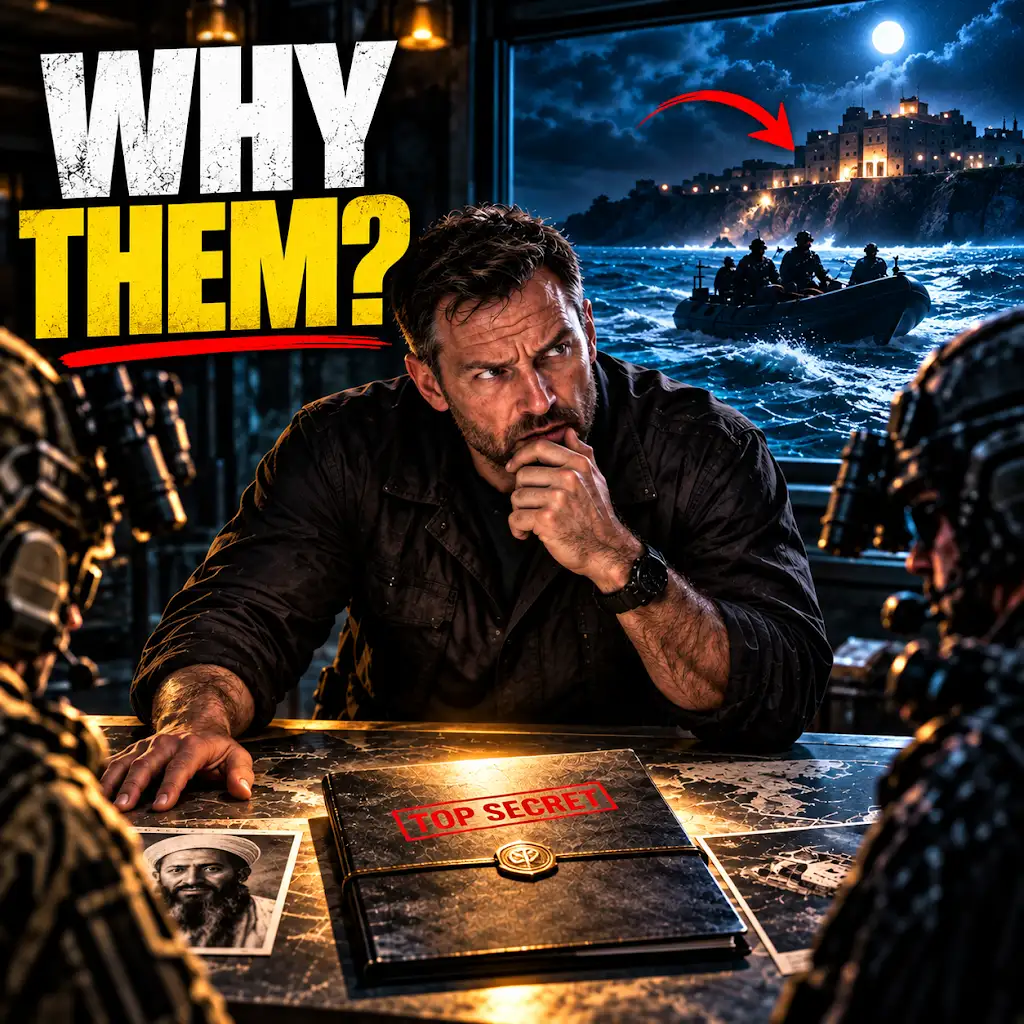
Why SEAL Team Six Got the Bin Laden Raid — Not Delta Force
FAQs
What is Delta Force and DEVGRU?
Delta Force, officially known as 1st Special Forces Operational Detachment-Delta, is a U.S. Army special operations unit focused on counterterrorism and hostage rescue missions. DEVGRU, officially known as Naval Special Warfare Development Group, is a U.S. Navy special operations unit specializing in counterterrorism and special reconnaissance.
What are the primary missions of Delta Force?
Delta Force primarily focuses on counterterrorism operations, hostage rescue missions, and direct action missions. They are known for their expertise in conducting high-risk operations in hostile environments.
What are the primary missions of DEVGRU?
DEVGRU primarily focuses on counterterrorism operations, special reconnaissance, and hostage rescue missions. They are known for their expertise in maritime operations and precision raids.
How do Delta Force and DEVGRU differ in terms of recruitment and selection?
Delta Force primarily recruits from within the U.S. Army Special Forces community, while DEVGRU primarily recruits from the U.S. Navy SEALs. Both units have rigorous selection processes that include physical fitness tests, psychological evaluations, and specialized training.
How do Delta Force and DEVGRU differ in terms of operational capabilities?
Delta Force is known for its land-based operations and proficiency in urban warfare, while DEVGRU is known for its maritime operations and proficiency in maritime counterterrorism. Both units work closely with other special operations forces and intelligence agencies to achieve their mission objectives.