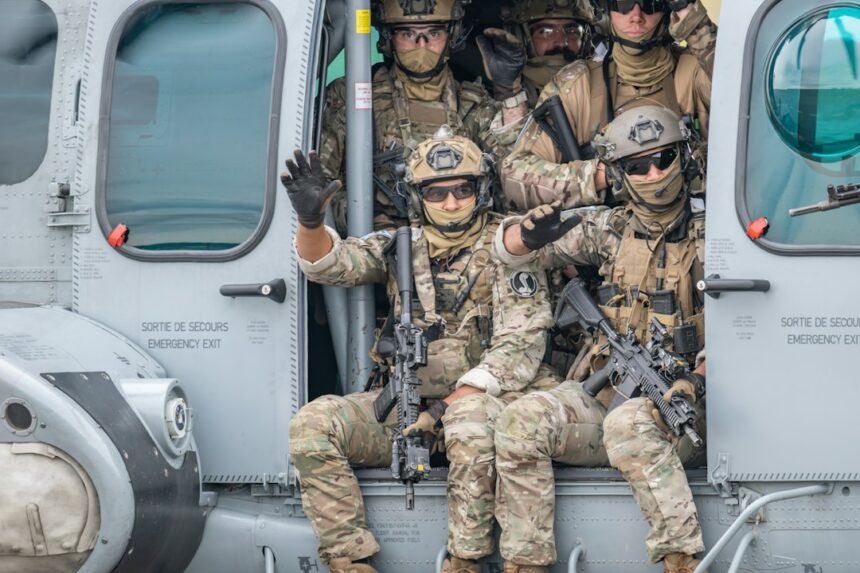
Delta Force, officially known as the 1st Special Forces Operational Detachment-Delta (1st SFOD-D), stands as a silent guardian, an elite counterterrorism unit operating in the shadows. Its history is a tapestry woven with clandestine missions, unparalleled bravery, and a relentless pursuit of national security against the most insidious threats. This article delves into the genesis, evolution, and pivotal operations of Delta Force, highlighting its crucial role in shaping the landscape of modern counterterrorism.
The impetus for creating a dedicated counterterrorism unit like Delta Force stemmed from a painful and highly public failure: the Iranian hostage crisis of 1979. The botched rescue attempt, codenamed Operation Eagle Claw, exposed critical deficiencies in the United States’ ability to respond effectively to complex hostage situations and acts of international terrorism. The mission’s disastrous outcome, marked by helicopter mechanical failures and a tragic loss of life, underscored the urgent need for a specialized, highly trained, and agile force capable of operating with precision and overwhelming speed.
The Shadow of Operation Eagle Claw: A Catalyst for Change
Operation Eagle Claw was a stark lesson in the realities of counterterrorism. The inability to successfully extricate American diplomats held captive in Tehran exposed the limitations of existing military assets. The mission’s planning and execution revealed a lack of inter-service coordination, inadequate equipment, and insufficient specialized training for such high-stakes operations. The image of burned-out helicopters and fallen soldiers on the Iranian desert served as a potent symbol of this failure, igniting a national debate about the country’s preparedness to confront evolving terrorist threats. This public debacle directly paved the way for a strategic reassessment of America’s special operations capabilities.
Colonel Charlie Beckwith and the Vision for a New Unit
The architect of Delta Force was Colonel Charlie Beckwith, a seasoned Special Forces officer with extensive combat experience. Beckwith had recognized the growing threat of terrorism and the need for a unit that could perform a wider range of specialized missions, including hostage rescue, counter-proliferation, and direct action against terrorist organizations. He tirelessly advocated for the creation of such a unit, drawing inspiration from Britain’s elite Special Air Service (SAS), with which he had trained and served. Beckwith envisioned a unit composed of the absolute best soldiers, rigorously selected and meticulously trained to operate with the highest levels of proficiency and discretion. His vision was not merely about creating another special operations unit; it was about forging a unit that could excel in the most demanding and dangerous environments, a force capable of responding to threats that other units were not equipped or authorized to handle.
Establishing the Framework: Selection and Training
The establishment of Delta Force involved a meticulous and demanding process of selection and training. The criteria for joining Delta were exceptionally stringent, requiring not only exemplary military performance but also specific psychological and physical attributes. Candidates underwent a brutal selection course designed to push them to their absolute limits, both mentally and physically. This phase was crucial in identifying individuals who possessed the resilience, adaptability, and unwavering composure necessary for the unit’s clandestine operations. Following selection, intensive training commenced, focusing on a broad spectrum of skills essential for counterterrorism. This included advanced marksmanship, close-quarters combat, intelligence gathering, infiltration and exfiltration techniques, demolitions, and specialized medical care. The training emphasized problem-solving under extreme pressure, the ability to improvise, and the unwavering commitment to mission success, even at great personal risk. The foundational principles of operational security and absolute discretion were deeply ingrained from the outset, shaping the unit’s operational ethos.
Delta Force, officially known as the 1st Special Forces Operational Detachment-Delta, has a storied history in counterterrorism operations, playing a crucial role in various high-stakes missions since its inception. For a deeper understanding of the evolution and impact of Delta Force in the realm of counterterrorism, you can explore the article available at In The War Room, which provides insightful analysis and detailed accounts of their operations over the years.
Evolving Threats, Evolving Tactics: Delta’s Operational Spectrum
As the global threat landscape shifted, so too did the operational purview of Delta Force. The unit’s early focus on hostage rescue evolved to encompass a broader spectrum of counterterrorism activities, reflecting the increasing sophistication and reach of terrorist organizations. Delta’s adaptability and willingness to embrace new technologies and methodologies became hallmarks of its success.
Beyond Hostage Rescue: Expanding the Mission Set
While hostage rescue remained a core competency, Delta Force’s mandate expanded significantly in the years following its inception. The rise of international terrorism, fueled by state-sponsored actors and increasingly organized non-state groups, demanded a more proactive and multifaceted approach. Delta began to engage in direct action operations against terrorist infrastructure, leaders, and weapons caches. This included disruptive operations aimed at dismantling terrorist networks before they could launch attacks, as well as intelligence-driven raids to capture or eliminate high-value targets. The unit also developed capabilities in counter-proliferation operations, focusing on preventing the spread of weapons of mass destruction to hostile actors. This expansion required not only enhanced tactical skills but also a deep understanding of geopolitical complexities and the ability to operate in a wide range of environments, from dense urban settings to remote, austere terrains.
Technological Advancements and Operational Integration
Delta Force has consistently been at the forefront of adopting and integrating new technologies to enhance its operational effectiveness. From advanced surveillance and reconnaissance equipment to cutting-edge communication systems and specialized weaponry, the unit has leveraged technological innovation to maintain its tactical edge. This includes the use of unmanned aerial vehicles (UAVs) for real-time intelligence gathering, advanced night-vision technology for low-light operations, and specialized breaching tools for rapidly accessing fortified locations. Furthermore, Delta Force has fostered close working relationships with intelligence agencies, developing seamless integration between tactical operations and intelligence collection and analysis. This intelligence-driven approach ensures that operations are not only precisely executed but also strategically informed, maximizing their impact and minimizing risks.
The Importance of Inter-Agency Cooperation
Effective counterterrorism is rarely a solo endeavor. Delta Force understands the critical importance of seamless inter-agency cooperation. While operating with a high degree of autonomy, the unit frequently collaborates with other branches of the U.S. military, as well as civilian agencies such as the FBI and the CIA, and international partners. This collaboration ensures that operations are coordinated, information is shared effectively, and the full spectrum of national security assets is leveraged. Such partnerships are vital for intelligence sharing, logistical support, and the overall success of complex, multi-faceted counterterrorism campaigns. The ability to seamlessly integrate with other entities, respecting their mandates and operational constraints, is a testament to Delta’s strategic agility.
Landmark Operations: Echoes in the Annals of Counterterrorism
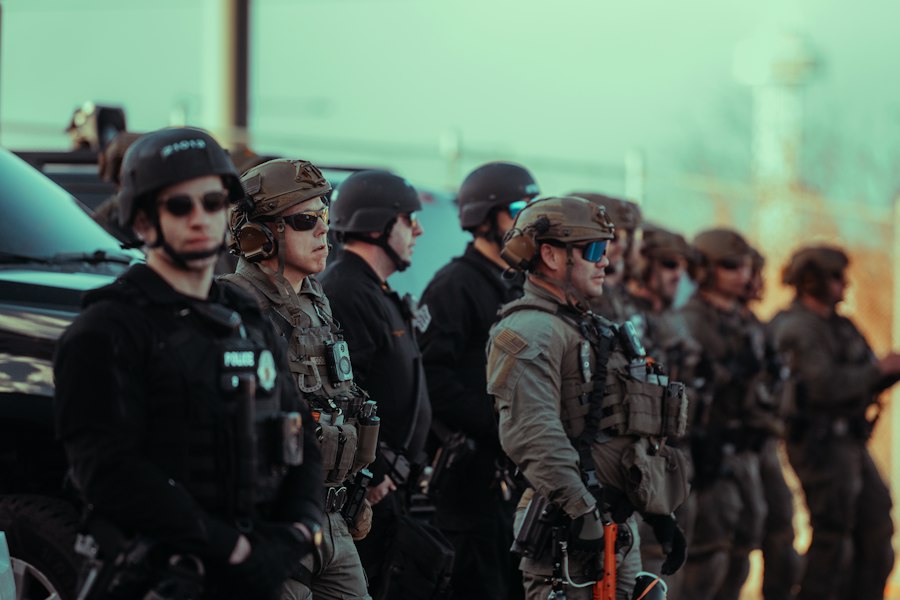
The operational history of Delta Force is replete with missions that have shaped the course of counterterrorism efforts, often remaining classified for years. These operations, characterized by their extreme risk and the precision with which they were executed, have prevented countless attacks and disrupted significant terrorist threats.
Operation Eagle Claw Revisited: The Seeds of a New Unit
While not a Delta operation in its own right, the catastrophic failure of Operation Eagle Claw in 1980 served as the direct catalyst for Delta’s formation. The lessons learned from this ill-fated attempt to rescue American hostages from Iran were profound. The mission’s disintegration due to a series of mechanical failures, poor planning, and a lack of decisive leadership exposed critical vulnerabilities in the U.S. military’s ability to conduct special operations. The public spectacle of the mission’s failure highlighted the urgent need for a dedicated, highly trained, and specialized force capable of executing complex hostage rescue scenarios with precision and minimal collateral damage. The painful memories of Operation Eagle Claw were indelibly etched into the minds of military leaders, serving as a constant reminder of the necessity for a unit like Delta Force, which would be meticulously designed and rigorously trained to avoid the pitfalls that had doomed its predecessor. This historical event is intrinsically linked to Delta’s very existence, underscoring the unit’s genesis as a response to critical national security failures.
The Mogadishu Debacle and its Aftermath: Lessons Learned in the Horn of Africa
The protracted and brutal urban combat that unfolded in Mogadishu, Somalia, in October 1993, commonly referred to as the Battle of Mogadishu or “Black Hawk Down,” saw elements of Delta Force engaged in intense operations. While the mission’s objective was to capture key lieutenants of Somali warlord Mohamed Farrah Aidid, the operation devolved into a prolonged firefight and a desperate effort to extract downed helicopters and their crews. The engagement, which resulted in significant casualties on both sides, including the deaths of U.S. soldiers and a much larger number of Somali militia fighters and civilians, offered stark and brutal lessons. For Delta, the experience underscored the inherent dangers of operating in hostile urban environments against determined adversaries, the critical need for robust support elements, and the unforgiving realities of prolonged engagement. The aftermath of Mogadishu led to a critical re-evaluation of U.S. military doctrine and the deployment of special operations forces, emphasizing the importance of situational awareness, superior firepower, and swift extraction capabilities. This costly experience profoundly shaped future operational planning and force protection strategies for Delta and other special operations units.
The Hunt for Bin Laden: A Decade of Pursuit
The hunt for Osama bin Laden, the mastermind behind the 9/11 terrorist attacks, became a defining mission for Delta Force and the broader U.S. counterterrorism apparatus. For over a decade, Delta operators were deeply involved in intelligence gathering, reconnaissance, and direct action operations aimed at locating and neutralizing the al-Qaeda leader. This protracted effort spanned multiple theaters of operation, requiring immense patience, adaptability, and the relentless pursuit of fragmented intelligence. While the final operation that led to bin Laden’s death was executed by the Navy’s SEAL Team Six, Delta Force played an indispensable role in the preceding years, conducting numerous missions that disrupted al-Qaeda’s networks, captured key operatives, and provided the crucial intelligence that ultimately pinpointed bin Laden’s compound in Abbottabad, Pakistan. This sustained effort showcased Delta’s endurance and strategic patience in confronting an elusive and deeply entrenched enemy.
The Unseen Hand: Delta’s Impact on Global Security
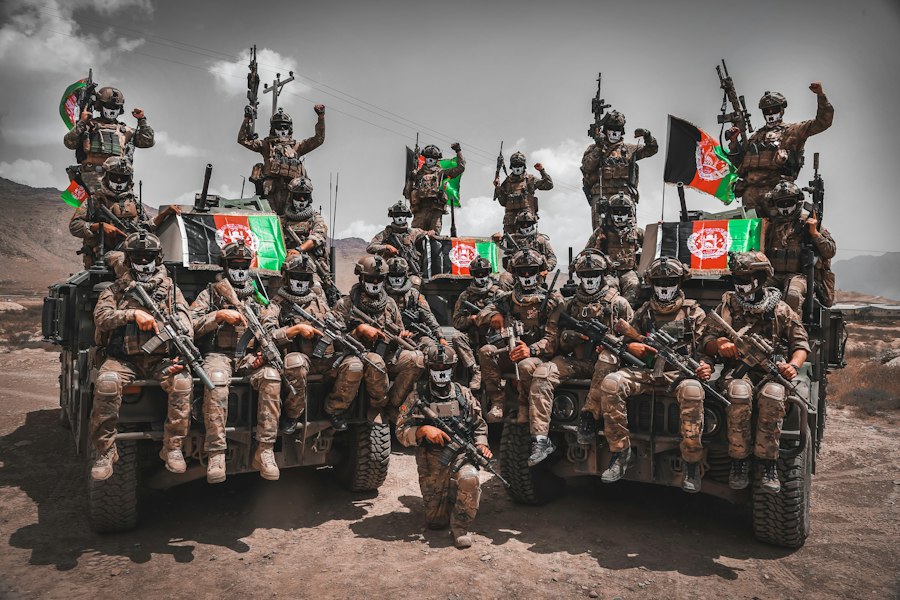
The true impact of Delta Force’s operations often remains behind a veil of secrecy. However, the unit’s consistent successes have undeniably played a pivotal role in shaping global security and preventing catastrophic terrorist attacks. Its actions, though largely unknown to the public, have ripple effects that resonate far beyond the battlefield.
Disrupting Terrorist Networks: A Proactive Defense
Delta Force’s proactive approach to counterterrorism has been instrumental in disrupting terrorist networks before they could launch devastating attacks. Through meticulously planned raids, intelligence-driven operations, and the capture or elimination of key operatives, Delta has significantly degraded the capabilities of numerous terrorist organizations worldwide. This includes dismantling training camps, interdicting funding streams, and preventing the acquisition of weapons. The unit’s ability to operate with surgical precision minimizes collateral damage and often allows for the capture of valuable intelligence that further aids in the ongoing fight against terrorism. This commitment to preventative action has been a cornerstone of its success.
Intelligence Gathering and Analysis: The Foundation of Success
The effectiveness of Delta Force’s operations is inextricably linked to its sophisticated intelligence gathering and analysis capabilities. The unit works closely with intelligence agencies to collect, process, and disseminate critical information. Operators on the ground are trained to identify and exploit intelligence opportunities, contributing to a continuous cycle of actionable intelligence. This synergistic relationship between operators and analysts ensures that missions are not only tactically sound but also strategically informed, leading to greater mission success and a more comprehensive understanding of the enemy.
The Psychological Deterrent: A Shadow of Consequence
While not an overt element, the existence and proven capabilities of Delta Force serve as a significant psychological deterrent to potential adversaries. The knowledge that a highly trained and exceptionally capable unit exists, ready to respond swiftly and decisively to terrorist threats, can instill a sense of caution and consequence in those who might contemplate acts of terror. This invisible deterrent effect, while difficult to quantify, is an undeniable component of Delta’s contribution to global security, reinforcing the idea that no act of terrorism will go unanswered.
Delta Force, officially known as the 1st Special Forces Operational Detachment-Delta, has a storied history in counterterrorism operations, playing a crucial role in various high-stakes missions since its inception. For those interested in a deeper understanding of its operations and impact, a related article can be found that explores the evolution of Delta Force and its significant contributions to national security. You can read more about this fascinating topic in the article available here.
The Future of Counterterrorism: Adapting to Emerging Threats
| Operation | Year | Location | Objective | Outcome | Casualties (Delta Force) |
|---|---|---|---|---|---|
| Operation Eagle Claw | 1980 | Tehran, Iran | Rescue American hostages from U.S. Embassy | Mission failed due to mechanical issues and accident | 8 killed (including support personnel) |
| Operation Urgent Fury | 1983 | Grenada | Rescue American medical students and overthrow Marxist government | Successful; hostages rescued and government overthrown | Minimal casualties |
| Operation Just Cause | 1989 | Panama | Capture Manuel Noriega and restore democratic government | Successful; Noriega captured | Few casualties |
| Operation Gothic Serpent | 1993 | Mogadishu, Somalia | Capture warlord Mohamed Farrah Aidid | Partial success; mission led to Battle of Mogadishu | 18 killed, 73 wounded |
| Operation Enduring Freedom | 2001–present | Afghanistan | Remove Taliban and target Al-Qaeda leadership | Ongoing; significant impact on terrorist networks | Classified |
| Operation Neptune Spear | 2011 | Abbottabad, Pakistan | Eliminate Osama bin Laden | Successful; bin Laden killed | No casualties |
| Various Counterterrorism Raids | 2010s–2020s | Global (Middle East, Africa, etc.) | Target high-value terrorist operatives and cells | Ongoing; numerous successful raids | Classified |
As the nature of terrorism continues to evolve, so too must the capabilities and strategies of elite counterterrorism units like Delta Force. The unit faces a future marked by increasingly complex threats, including cyber warfare, the proliferation of advanced weaponry, and the potential for lone-wolf attacks inspired by extremist ideologies.
The Evolving Battlefield: Cyber and Hybrid Threats
The modern battlefield is no longer confined to physical spaces. Delta Force must increasingly contend with the realm of cyber warfare, where terrorist groups can launch attacks on critical infrastructure, spread propaganda, and coordinate operations. The unit is expected to develop and integrate advanced cyber capabilities into its operational planning, working in conjunction with cyber command units to counter these emerging threats. Furthermore, the rise of hybrid warfare, which combines conventional military tactics with irregular tactics, misinformation, and cyberattacks, presents a new and complex challenge that will require Delta to adapt its strategies and maintain its operational versatility.
Maintaining Operational Readiness: The Imperative of Training
The cornerstone of Delta Force’s enduring success lies in its unwavering commitment to rigorous and continuous training. As threats evolve, so too must the training regimens. This involves simulating increasingly complex scenarios, incorporating new technologies, and maintaining proficiency in a wide array of specialized skills. The unit must also adapt its training to account for the psychological toll of prolonged counterterrorism operations, ensuring the mental well-being of its operators. Sustained investment in training and personnel development remains paramount to ensuring Delta’s readiness for any contingency.
The Ethical Landscape: Balancing Security and Civil Liberties
Operating in the shadows of counterterrorism inevitably raises complex ethical considerations. Delta Force, like all units involved in such sensitive operations, must navigate a delicate balance between national security imperatives and the protection of civil liberties. Adherence to strict rules of engagement, robust oversight mechanisms, and a commitment to upholding legal and ethical standards are crucial for maintaining public trust and ensuring that operations are conducted with integrity. The unit’s operational framework is continually scrutinized to ensure accountability and adherence to international law, a critical aspect of its long-term legitimacy.
In conclusion, Delta Force stands as a testament to the United States’ commitment to combating terrorism. Its history is a narrative of courage, innovation, and unwavering dedication to safeguarding national interests. As the global threat landscape continues to shift, Delta Force will undoubtedly remain at the forefront, adapting to new challenges and continuing its vital mission to protect the nation from the shadows.
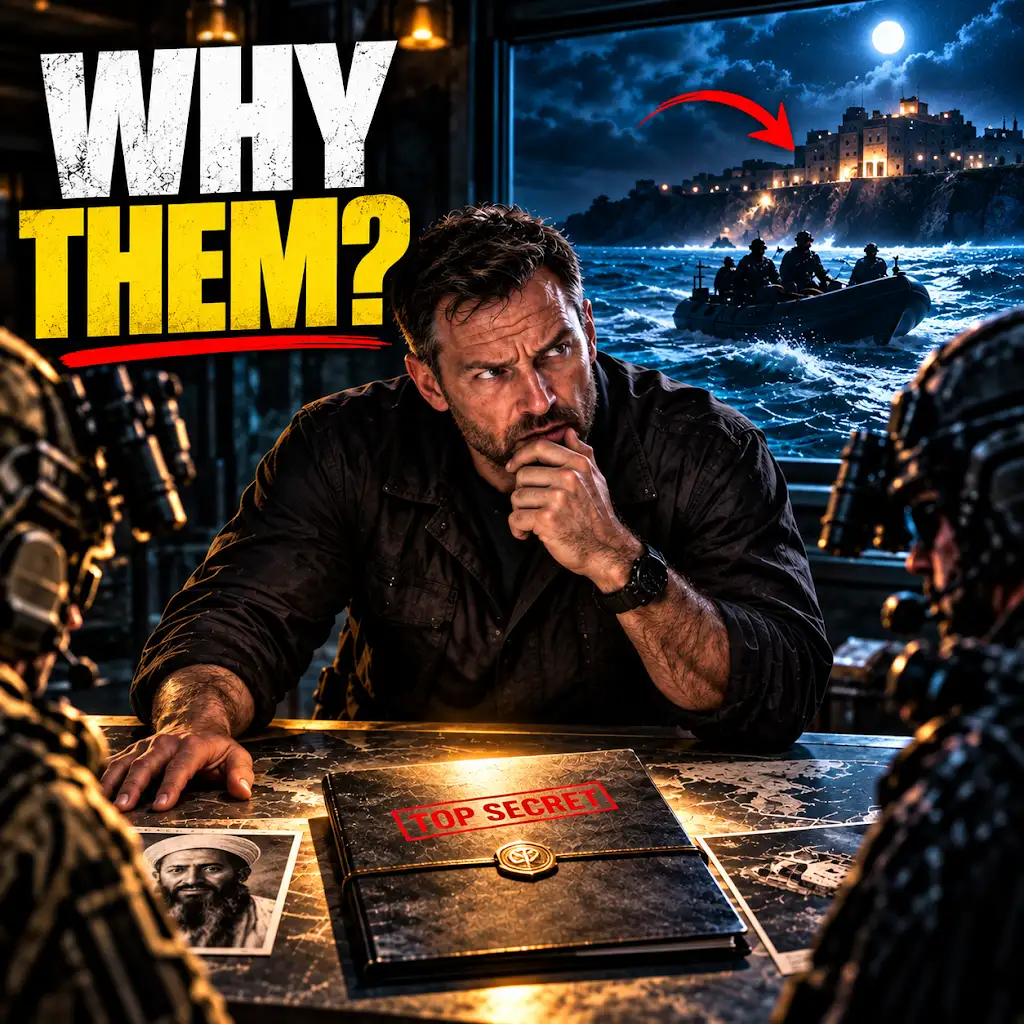
Why SEAL Team Six Got the Bin Laden Raid — Not Delta Force
FAQs
What is Delta Force?
Delta Force is a special operations unit of the United States Army, specializing in counterterrorism and other high-risk missions.
When was Delta Force established?
Delta Force was established in 1977 in response to the increasing threat of terrorism around the world.
What are some notable Delta Force operations?
Some notable Delta Force operations include the 1980 Iranian Embassy siege in London, the 1993 Battle of Mogadishu in Somalia, and the 2011 raid that killed Osama bin Laden in Pakistan.
What is the selection process like for Delta Force operators?
The selection process for Delta Force operators is extremely rigorous and includes physical fitness tests, psychological evaluations, and specialized training in various combat skills.
How does Delta Force differ from other special operations units?
Delta Force is known for its focus on counterterrorism and hostage rescue missions, as well as its high level of secrecy and independence from the traditional military chain of command.