The geopolitical landscape of the 21st century is increasingly defined by the burgeoning rivalry between the United States and the People’s Republic of China. At the heart of this complex dynamic lies the question of Taiwan, a self-governing democracy that Beijing considers a renegade province and vows to reclaim, by force if necessary. The potential for a Chinese invasion of Taiwan has become a paramount concern for Washington, not only due to its strategic implications but also for the broader implications for global order and democratic values. The United States, while maintaining a policy of strategic ambiguity, has signaled an increasing commitment to Taiwan’s defense, leading to a critical debate: can America, and its potential allies, truly halt a determined Chinese assault on the island?
The Strategic Crucible: Why Taiwan Matters
Taiwan, a mere 100 miles off the coast of mainland China, is far more than just a territorial dispute. Its strategic importance is multifaceted, encompassing economic, military, and ideological dimensions. For China, the “reunification” with Taiwan is framed as the final chapter of its “century of humiliation” and a critical step in achieving its national rejuvenation. For the United States and its allies, a Chinese takeover of Taiwan would represent a seismic shift in the global balance of power, with profound and far-reaching consequences.
Economic Lifeline and Technological Hub
Taiwan’s economy is not only robust but also intricately woven into the fabric of global commerce. The island is a powerhouse in advanced manufacturing, particularly in the production of semiconductors. Companies like Taiwan Semiconductor Manufacturing Company (TSMC) are indispensable to the global technology supply chain, producing the most advanced chips that power everything from smartphones and laptops to advanced military hardware. A Chinese blockade or invasion would cripple this production, triggering a global economic crisis of unprecedented scale. The disruption to global trade and the vital flow of advanced technology would reverberate across continents, impacting industries and consumers alike.
The First Island Chain and Pacific Dominance
Geographically, Taiwan sits at a critical juncture within the “First Island Chain,” a series of island nations that arc from Japan down through the Philippines and towards Borneo. Control of Taiwan would allow China to break out of this chain, projecting its military power much further into the Pacific Ocean. This would significantly challenge the established U.S. dominance in the region, impacting naval access, air power projection, and the security of U.S. allies like Japan, South Korea, and the Philippines. The strategic implications for freedom of navigation and the security of international trade routes are immense.
The Ideological Imperative: Democracy vs. Authoritarianism
Beyond economics and military strategy, the Taiwan question is also a stark ideological battle. Taiwan represents a vibrant, functioning democracy in a region dominated by authoritarian regimes. A successful Chinese takeover would be a devastating blow to the global democratic movement, signaling to authoritarians worldwide that the forceful suppression of democratic aspirations can be rewarded. It would embolden China’s influence and diminish the perceived strength and viability of democratic governance as a model for the future. This ideological struggle informs the moral and political calculus for the United States in its commitment to Taiwan.
In the ongoing discussion about the potential for China to invade Taiwan, a related article that provides valuable insights is available on In The War Room. This article delves into the strategic implications of U.S. military presence in the Asia-Pacific region and the potential responses to Chinese aggression. For a deeper understanding of the geopolitical dynamics at play, you can read the article here: In The War Room.
China’s Ascendant Military Might: Capabilities and Intentions
The People’s Liberation Army (PLA) has undergone a dramatic modernization and expansion in recent decades, transforming from a largely land-based force into a formidable blue-water navy and air force. This military growth is directly linked to Beijing’s ambitions regarding Taiwan. Understanding the PLA’s capabilities and its likely invasion strategy is crucial to assessing the feasibility of a U.S.-led defense.
Naval and Amphibious Prowess
A Taiwan invasion would, by its very nature, be a massive amphibious operation. China has been investing heavily in its naval power, including aircraft carriers, destroyers, and a growing fleet of amphibious assault ships capable of transporting troops and equipment across the Strait. The PLA Navy (PLAN) is now the largest in the world by hull count, and while qualitative differences with the U.S. Navy persist, its sheer size and growing sophistication present a significant challenge. The PLA has also conducted numerous large-scale amphibious exercises, simulating invasion scenarios, and has developed specialized landing craft and hovercraft to overcome Taiwan’s natural defenses.
Air Superiority and Missile Dominance
Achieving air superiority over the Taiwan Strait would be a prerequisite for any successful invasion. The PLA Air Force (PLAAF) has been rapidly acquiring advanced fighter jets, bombers, and refueling capabilities. Furthermore, China possesses a vast arsenal of ballistic and cruise missiles, including anti-ship ballistic missiles (ASBMs) specifically designed to target aircraft carriers and other naval vessels. The sheer volume of these missiles, coupled with sophisticated targeting systems, presents a significant threat to any U.S. or allied naval presence in the region.
Cyber and Space Warfare Capabilities
The PLA’s modernization extends beyond traditional kinetic warfare. China has developed sophisticated cyber warfare capabilities, capable of disrupting Taiwan’s communication networks, critical infrastructure, and command and control systems. Its advancements in space-based assets, including surveillance and communication satellites, also offer critical advantages for intelligence gathering and targeting during a conflict. These multi-domain capabilities are designed to paralyze an adversary before and during an invasion, further complicating defense efforts.
Xi Jinping’s Resolve and the Timeline Debate
Under President Xi Jinping, China’s rhetoric on Taiwan has become increasingly assertive. While Beijing insists on peaceful reunification, Xi has repeatedly stated that the use of force cannot be ruled out and that the “historical task of reunifying the motherland must be completed.” The question of when China might attempt an invasion remains a subject of intense debate among intelligence agencies and defense analysts. Some believe a window of opportunity for China could open in the coming years, while others argue that the risks and costs of an invasion remain prohibitively high for the PLA. Factors such as China’s economic stability, its internal political dynamics, and the perceived willingness of the U.S. and its allies to intervene all play a role in this calculus.
America’s Defense Strategy: Deterrence, Ambiguity, and the Tools of Intervention
The United States’ approach to Taiwan’s defense is characterized by a delicate balance between deterrence, strategic ambiguity, and the tangible provision of military assistance. While the U.S. does not have a formal defense treaty with Taiwan, the Taiwan Relations Act mandates that the U.S. provide Taiwan with the means to defend itself and considers any effort to determine Taiwan’s future by other than peaceful means a threat to the peace and security of the Western Pacific.
The Taiwan Relations Act and “Strategic Ambiguity”
The cornerstone of U.S. policy for decades has been “strategic ambiguity.” This policy intentionally leaves unclear whether the U.S. would intervene militarily in the event of a Chinese attack. The rationale is that this ambiguity deters China from attacking by leaving open the possibility of a strong U.S. response, while also deterring Taiwan from provoking China by declaring formal independence. However, in recent years, there have been increasing calls for a shift to “strategic clarity,” with some U.S. officials and experts arguing that a clearer commitment would be a more effective deterrent.
Arms Sales and Military Training
Despite strategic ambiguity, the U.S. remains Taiwan’s primary supplier of advanced weaponry. Through regular arms sales, Washington aims to equip Taiwan with the capabilities needed for self-defense. These sales include fighter jets, missile defense systems, naval vessels, and other equipment designed to counter a potential invasion. Additionally, the U.S. provides military training and advisory support to Taiwan’s armed forces, helping to enhance their readiness and interoperability.
The Potential for U.S. Military Intervention
Should deterrence fail and an invasion commence, the U.S. military would face a monumental challenge. The geographical distance, the sheer scale of a potential conflict, and the sophistication of the PLA would test American military capabilities to their limits. U.S. military planners are developing various contingency plans, but a conflict would likely involve a protracted and costly engagement, potentially extending beyond the immediate Taiwan Strait to encompass regional air and naval battles. The U.S. would likely aim to blunt the initial amphibious assault, disrupt Chinese supply lines, and inflict heavy casualties, while simultaneously seeking to draw in regional allies.
The Role of Allies: Japan, Australia, and Beyond
The United States’ ability to effectively defend Taiwan is inextricably linked to the willingness and capacity of its allies to participate. Japan, with its proximity to Taiwan and its own security interests in the Indo-Pacific, is a crucial potential partner. Australia has also increased its defense engagement in the region, reflecting growing concerns about China’s assertiveness. The Philippines, strategically located, also plays a vital role. The collective security framework in the Indo-Pacific, if galvanized, could present a more formidable deterrent than a unilateral U.S. effort. However, the extent of allied commitment, particularly in the face of significant Chinese military pressure, remains a critical variable.
The “Taiwan Model” of Defense: Island Fortification and Asymmetric Warfare
Taiwan itself is not a passive bystander in its own defense. The island nation has been diligently fortifying its defenses, focusing on strategies that leverage its geography and technological expertise to inflict maximum damage on an invading force. This approach emphasizes resilience, asymmetric warfare, and making the cost of invasion prohibitively high for China.
Hardening Infrastructure and Civilian Preparedness
Taiwan is investing in hardening its critical infrastructure, including power grids, communication networks, and transportation hubs, to withstand potential Chinese attacks. Emphasis is also being placed on civilian preparedness, with drills and public education campaigns aimed at informing the population on how to respond in the event of an invasion or blockade. This includes encouraging the stockpiling of essential supplies and establishing evacuation plans for vulnerable areas.
The Concept of “Porcupine Strategy”
Taiwan has increasingly adopted what is often referred to as the “Porcupine Strategy.” This doctrine emphasizes making the island as unappealing and costly to conquer as a porcupine is to attack. It involves developing a robust arsenal of asymmetric capabilities, such as anti-ship missiles, anti-tank weapons, sea mines, and drones, that can inflict significant damage on an invading force at a relatively low cost to Taiwan. The aim is to create a “killing zone” in the Taiwan Strait and on the island itself, deterring an invasion by promising unbearable losses.
Leveraging Technology and Innovation
Taiwan’s renowned technological prowess extends to its defense capabilities. The island is exploring and developing innovative solutions, including artificial intelligence-powered defense systems, advanced cyber capabilities, and swarm drone technologies. These cutting-edge applications can enhance reconnaissance, targeting, and defensive capabilities, providing a crucial advantage against a larger, more conventionally equipped adversary. The ability to innovate and adapt quickly is a key strength for Taiwan.
The Role of Reserve Forces and Civilian Resistance
Taiwan has a substantial reserve force, composed of former active-duty personnel who can be quickly mobilized in the event of a conflict. Furthermore, the potential for widespread civilian resistance, inspired by the island’s democratic values and its desire for self-determination, could present a significant challenge to any occupying force. This intangible, yet powerful, element of national resolve is a critical factor in the defense calculus.
The ongoing tensions between the United States and China regarding Taiwan have raised critical questions about the potential for conflict in the region. A related article discusses the strategic implications of America’s role in deterring Chinese aggression and explores various diplomatic and military options available to the U.S. to prevent an invasion. For a deeper understanding of these dynamics, you can read more in this insightful piece on the subject. Check it out here.
The Scenarios of Conflict: Blockade, Invasion, and the Grim Realities
The potential pathways to conflict over Taiwan are varied, each carrying its own set of challenges and potential outcomes. While a full-scale amphibious invasion is the most dramatic scenario, other forms of aggression could precede or even replace such an overt assault. Understanding these scenarios is crucial for assessing the effectiveness of U.S. and Taiwanese defense strategies.
The “Gray Zone” Tactics: Coercion Short of War
China has been increasingly employing “gray zone” tactics, which fall below the threshold of armed conflict but are designed to coerce and intimidate Taiwan. These tactics include frequent air and naval incursions into Taiwan’s Air Defense Identification Zone (ADIZ), cyberattacks, disinformation campaigns, and economic pressure. These actions aim to erode Taiwan’s defenses, test its resolve, and create a sense of inevitability of Chinese control without triggering a full-blown war.
A Naval Blockade: Strangling Taiwan’s Economy
A more severe form of coercion would be a naval blockade. China could attempt to cut off Taiwan’s sea lanes, disrupting its imports of vital resources like energy and food, and its exports of manufactured goods. Such a blockade would exert immense economic pressure, potentially leading to internal unrest and forcing Taiwan to capitulate without a direct military assault. However, a blockade would also carry significant risks for China, potentially provoking international intervention and retaliation.
The Amphibious Assault: The Ultimate Test
The most direct and devastating scenario is a full-scale amphibious invasion. This would involve a massive deployment of Chinese troops, naval vessels, and air power aimed at landing forces on Taiwan’s shores and overwhelming its defenses. The operational complexities and immense logistical challenges of such an undertaking are staggering, and the risks of failure, even for the PLA, are substantial. However, if successful, it would represent a decisive victory for Beijing and a catastrophic blow to the existing international order.
The Escalation Ladder: Nuclear Risks and Global Ramifications
A conflict over Taiwan would not be confined to the immediate region. The potential for escalation, including the involvement of nuclear-armed powers, is a grim reality. While both the U.S. and China are committed to avoiding nuclear conflict, miscalculation or a rapidly deteriorating situation could lead to unforeseen and catastrophic consequences. The global economic fallout from a war over Taiwan would be immense, impacting supply chains, financial markets, and global stability for years to come. The interconnectedness of the world means that a conflict in this region would inevitably have far-reaching ramifications for all nations.
The Verdict: A Difficult Defense, But Not Impossible
The question of whether America can halt China’s invasion of Taiwan is complex and fraught with uncertainty. There is no easy answer, and the outcome would depend on a myriad of factors, including the preparedness of all parties, the effectiveness of deterrence, the willingness of allies to commit, and the unpredictable nature of warfare itself.
The Deterrent Effect: A Delicate Balance
The primary goal of U.S. and Taiwanese policy is deterrence. The hope is that the credible threat of a devastating response, both from Taiwan’s asymmetric capabilities and potential U.S. intervention, will dissuade Beijing from launching an invasion. This deterrence is a delicate balance, constantly tested by China’s growing military power and assertive rhetoric. The effectiveness of this deterrent hinges on perceived resolve and capability.
The Importance of Allied Unity
The strength of any defensive coalition would be paramount. A unified front among the U.S., Japan, Australia, and other like-minded nations would present a significantly greater challenge to China than a solo U.S. effort. The ability of these nations to coordinate their military assets, share intelligence, and present a united diplomatic front would be crucial in deterring aggression and, if necessary, mounting a successful defense.
Taiwan’s Self-Defense Capability: A Crucial First Line
Taiwan’s own defense capabilities are the first and most critical line of defense. A well-trained, well-equipped, and determined Taiwanese military, employing asymmetric strategies, can inflict significant initial damage and resistance. This makes the invasion more costly and risky for China, potentially creating the space and time for external intervention. Taiwan’s resolve and its ability to sustain a defense are fundamental to its survival.
The Unquantifiable: Will and Resolve
Ultimately, the defense of Taiwan may come down to an intangible factor: will and resolve. The determination of the Taiwanese people to defend their freedom and democracy, the resolve of the United States to uphold its commitments, and the unified will of allies to resist aggression will be as important as any military hardware or strategic plan. China’s leadership will be assessing not only the military balance but also the political will and the potential for sustained conflict.
In conclusion, while a Chinese invasion of Taiwan would present a formidable challenge for the United States and its allies, the notion that it is an insurmountable task is an oversimplification. The defense of Taiwan is not a foregone conclusion. It is a high-stakes geopolitical chess match where the moves of each player, their capabilities, their intentions, and their willingness to bear costs, will determine the ultimate outcome. The coming years will be critical in shaping this future, and the world will be watching with bated breath as the standoff in the Taiwan Strait continues to define the dynamics of global power.
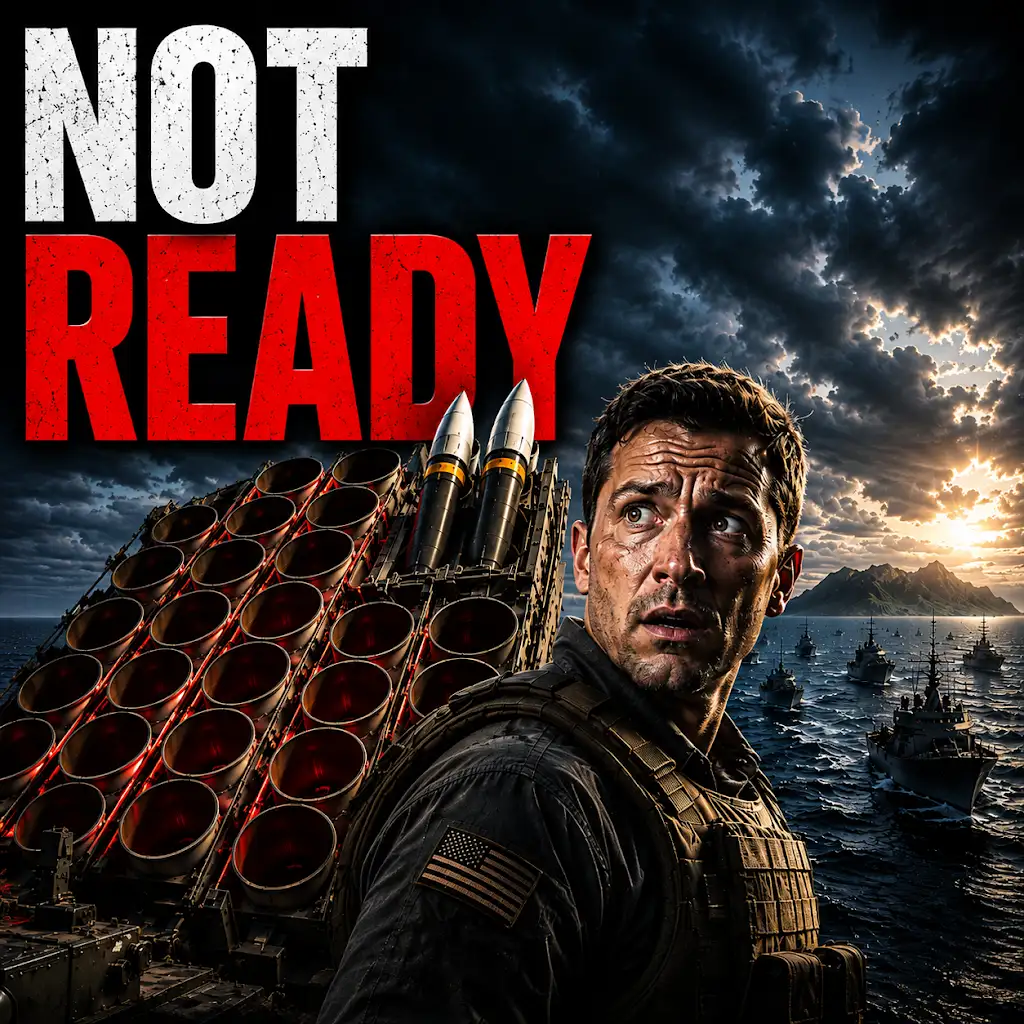
What Happens If China Moves Before America Rearms?
FAQs
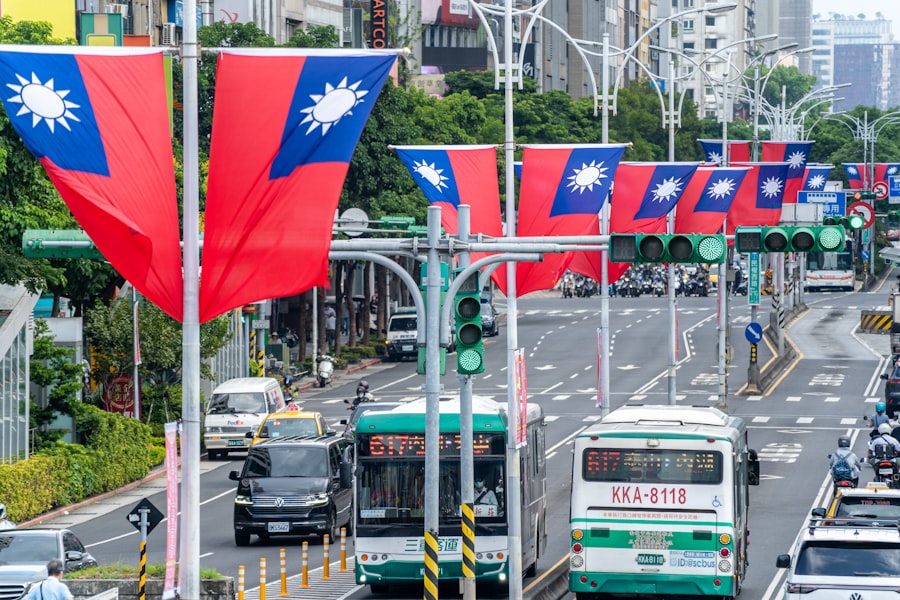
What is the current relationship between China and Taiwan?
China considers Taiwan to be a part of its territory, while Taiwan operates as a separate, self-governing entity. The two have a complex and tense relationship, with China often asserting its claim over Taiwan.
What is the United States’ stance on the Taiwan-China relationship?
The United States has a long-standing policy of “strategic ambiguity” regarding Taiwan, meaning it does not officially recognize Taiwan as a separate country, but it also opposes any attempt by China to use force to reunify with Taiwan.
What measures has the United States taken to prevent China from invading Taiwan?
The United States has increased its military presence in the region, conducted joint military exercises with Taiwan, and provided military aid to Taiwan in order to deter China from attempting to invade.
What are the potential consequences of a Chinese invasion of Taiwan?
A Chinese invasion of Taiwan could have significant geopolitical and economic implications, potentially leading to a regional conflict and disrupting global supply chains, as Taiwan is a major producer of semiconductors and other high-tech components.
What are the challenges in preventing a Chinese invasion of Taiwan?
The challenges in preventing a Chinese invasion of Taiwan include the complex and sensitive nature of the Taiwan-China relationship, the potential for escalation and conflict, and the need for diplomatic and strategic coordination among various countries in the region.