The Silent Service Unveiled: A Deep Dive into Cold War Submarine Documentary
The hushed depths of the ocean have long been a theater for silent, unseen conflicts, and nowhere is this more true than during the Cold War. A recent documentary, “Silent Depths: Cold War Submarine Secrets,” offers an unprecedented journey into this clandestine world, exploring the technological marvels, strategic maneuvers, and human stories that defined naval warfare beneath the waves. The film eschews sensationalism for a detailed, historically grounded exploration, utilizing archival footage, expert interviews, and meticulously recreated CGI to paint a vivid picture of the submarine’s evolution from a primitive hunter-killer to a sophisticated deterrent. Viewers are guided through the intricate labyrinth of submarine design, the nerve-wracking missions undertaken by their crews, and the profound psychological toll of prolonged submersion. This article delves into the key themes and revelations presented in the documentary, examining its impact on our understanding of this critical period in history.
The documentary opens with a stark reminder of the geopolitical climate that necessitated the development of potent undersea forces. The escalating tensions between the United States and the Soviet Union, characterized by proxy wars and the ever-present threat of nuclear annihilation, created an environment where conventional warfare was too risky. Submarines, with their inherent stealth and destructive potential, emerged as the ultimate strategic weapon. “Silent Depths” meticulously charts the rapid technological advancements driven by this arms race. Early submarines, cumbersome and reliant on diesel engines, were quickly superseded by nuclear-powered behemoths capable of remaining submerged for months on end. The film showcases the groundbreaking innovations in sonar, torpedo technology, and reactor design that transformed submarines from vulnerable vessels into virtually undetectable predators.
The documentary’s strength lies in its ability to translate complex technical details into accessible narratives. It avoids getting bogged down in jargon, instead focusing on the human element behind these technological leaps. Engineers and naval officers, many of whom served during the Cold War, share their experiences, recounting the immense pressure and dedication required to develop and deploy these sophisticated machines. The constant threat of detection, the unforgiving environment of the deep sea, and the immense responsibility of carrying nuclear weapons are all explored with a palpable sense of gravitas. The film effectively conveys that these were not just machines, but extensions of human will and strategy, operated by individuals who faced unimaginable challenges.
For those interested in the intricate details of Cold War naval strategies, a fascinating article can be found at In the War Room, which delves into the technological advancements and espionage tactics employed by submarines during this tense period. This resource complements the Cold War submarine documentary by providing additional context and analysis of the underwater operations that played a crucial role in shaping global politics.
The Dawn of Nuclear Deterrence: Submarines in the Nuclear Age

The advent of nuclear propulsion fundamentally reshaped the role of submarines, elevating them from tactical assets to strategic linchpins. “Silent Depths” dedicates significant attention to this transformative period, illustrating how nuclear power freed submarines from the constraints of surfacing for air, allowing for sustained, deep-water operations. This freedom of movement meant submarines could patrol vast ocean expanses, remaining undetected for extended periods, a capability that profoundly altered the strategic landscape of the Cold War.
The Atomic Engine: A Technological Revolution
The documentary meticulously details the development of nuclear reactors for submarine use. It highlights the pioneering work of figures like Hyman G. Rickover, often referred to as the “Father of the Nuclear Navy.” Through interviews with engineers and historians, the film explains the immense engineering challenges involved in miniaturizing and making nuclear reactors safe for onboard use. The immense energy output and the ability to operate for years without refueling offered an unprecedented operational advantage. This section of the documentary illustrates how the successful implementation of this technology was not merely an incremental improvement but a paradigm shift in naval warfare. The inherent risks associated with nuclear technology are also addressed, showcasing the rigorous safety protocols and the constant vigilance required to manage these powerful reactors. The film emphasizes that the successful deployment of nuclear submarines was a testament to human ingenuity under extreme pressure, pushing the boundaries of what was previously thought possible. The dedication of the scientists and engineers who worked on these projects, often under intense secrecy, is a recurring theme, underscoring the human drive behind such monumental technological achievements.
The Ballistic Missile Submarine: A New Era of Deterrence
The integration of ballistic missiles onto submarines marked another pivotal moment in the Cold War. “Silent Depths” explains how the Polaris missile program, and later its successors, provided the United States with a credible second-strike capability. This meant that even if the US mainland were attacked, submarines hidden in the ocean depths could retaliate, ensuring mutually assured destruction (MAD). The documentary utilizes declassified footage and expert analysis to demonstrate the strategic implications of these “boomers.” Their ability to hide and launch devastating nuclear payloads from unknown locations made them the ultimate deterrent. The film delves into the operational complexities of deploying and commanding these vessels, emphasizing the immense psychological pressure on the crews tasked with maintaining constant readiness. The documentary highlights the strategic advantage of these mobile nuclear platforms, underscoring their role in maintaining a fragile peace through the threat of overwhelming retaliation. The sheer destructive power held within these submerged giants is conveyed through impactful visuals and expert commentary, leaving the viewer with a profound understanding of the stakes involved.
Espionage Beneath the Waves: The Shadowy World of Submarine Operations

Beyond the direct threat of nuclear confrontation, submarines played a crucial role in intelligence gathering and covert operations. “Silent Depths” shines a light on these often-overlooked aspects of submarine warfare, revealing the daring missions undertaken to gather crucial intelligence on enemy capabilities and movements. The documentary emphasizes the ingenuity and bravery required for these clandestine operations, where discovery meant not just the loss of a vessel and its crew, but potentially a catastrophic escalation of the Cold War.
Listening to the Enemy: The Art of Electronic Eavesdropping
A significant portion of the documentary is dedicated to the sophisticated methods employed by submarines to intercept enemy communications and sonar signals. The film explains how advanced hydrophones and towed arrays allowed submarines to “listen” to the vast ocean, identifying the sound signatures of other vessels, including enemy submarines. This auditory intelligence was vital for tracking enemy movements, assessing their capabilities, and planning countermeasures. The documentary features interviews with former sonar operators who describe the intense concentration and skill required to discern faint sounds in the cacophony of the ocean. They speak of the “soundscapes” of the sea, the unique acoustic fingerprints of different vessels, and the constant battle against the ocean’s own noises. The film effectively illustrates how sonar technology evolved dramatically during the Cold War, from rudimentary listening devices to highly sophisticated systems capable of pinpointing enemy submarines at great distances. The technological arms race extended to this realm as well, with both sides constantly developing new methods to detect and evade each other.
Covert Missions and Special Operations: The Unseen Wars
“Silent Depths” also explores the more covert aspects of submarine operations, including intelligence gathering missions and the deployment of special forces. The documentary details instances where submarines were used to lay surveillance equipment, conduct reconnaissance of enemy coastlines, and even exfiltrate intelligence operatives. These missions were fraught with extreme risk, as detection could have severe geopolitical consequences. The film highlights the specialized training and equipment required for these operations, showcasing the adaptability and versatility of submarine forces. The documentary provides specific examples, drawing on declassified reports and firsthand accounts, of highly classified missions that highlight the crucial role submarines played in the intelligence war of the Cold War. The bravery and professionalism of the crews involved in these dangerous ventures are underscored, reminding viewers of the human cost of these unseen conflicts.
The Human Element: Life and Death Below the Surface
The technological prowess and strategic importance of Cold War submarines are undeniable, but “Silent Depths” never loses sight of the human beings who operated them. The documentary provides a poignant look at the daily lives of submariners, the psychological pressures they endured, and the profound sense of camaraderie that bonded them. The isolation, the constant danger, and the prolonged separation from loved ones were all part of the submariner’s experience.
A World Apart: Daily Life in the Submarine
The film offers an intimate glimpse into the cramped quarters and monotonous routines of submarine life. It showcases the challenges of living in a confined space for months on end, with limited privacy and the constant hum of machinery. The documentary details the strict schedules, the rigorous training, and the psychological toll of being cut off from the outside world. Interviews with former submariners describe the unique bond that develops among crew members, forged in shared hardship and reliance. They recount the small comforts, the shared jokes, and the unspoken understanding that became essential for survival and morale. The documentary doesn’t shy away from the less glamorous aspects of submarine life, highlighting the sacrifices made by these individuals. The film effectively conveys the sense of detachment from the surface world, where weeks could pass without any contact, and the crew’s only connection to humanity was through radio transmissions that could be days old.
The Weight of Command: Leadership Under Pressure
“Silent Depths” places a particular emphasis on the immense responsibility shouldered by submarine commanders. These individuals were tasked with the safety of their crew, the successful execution of their mission, and, in the case of ballistic missile submarines, the potential for initiating nuclear war. The documentary explores the psychological fortitude required to make life-or-death decisions in high-stakes situations, often with incomplete information. It features insights from naval historians and former commanders who discuss the leadership qualities necessary for success in such an unforgiving environment. The film illustrates the constant tension between maintaining operational readiness and ensuring the well-being of the crew. The documentary portrays the profound isolation of command, where the ultimate burden rested on the shoulders of one individual, making the psychological demands of leadership even more acute. The interviews with former commanders provide a rare insight into the mental fortitude required to navigate the immense pressures of command in a clandestine and often terrifying theater of operations.
The Cold War era was marked by intense naval competition, particularly in the realm of submarine warfare, which is vividly captured in the recent documentary exploring this clandestine aspect of military history. For those interested in delving deeper into the strategic implications and technological advancements of submarines during this period, a related article can provide further insights. You can read more about it in this informative piece on submarine strategies and their impact on global politics by visiting this link.
Legacy and Lessons: Echoes of the Cold War Under the Waves
| Metric | Value | Description |
|---|---|---|
| Documentary Title | The Silent War: Cold War Submarines | Name of the documentary |
| Duration | 90 minutes | Total runtime of the documentary |
| Release Year | 2022 | Year the documentary was released |
| Number of Submarines Featured | 12 | Count of different Cold War submarines covered |
| Countries Covered | USA, USSR, UK, France | Countries whose submarines are featured |
| Interviews Conducted | 15 | Number of expert and veteran interviews included |
| Archival Footage Hours | 5 hours | Amount of archival footage used in the documentary |
| Viewer Rating (IMDb) | 8.2/10 | Average viewer rating on IMDb |
| Production Budget | 1.2 million | Estimated production budget in USD |
As the Cold War recedes further into history, “Silent Depths” serves as a vital reminder of its impact and the lessons that can be learned from this period of intense global tension. The documentary encourages reflection on the strategies employed, the technological advancements made, and the profound human experiences that shaped the submarine’s role. The film’s concluding sections explore the lasting legacy of Cold War submarine development and its implications for contemporary naval strategy.
The Technological Footprint: Innovations That Endure
The documentary meticulously details the technological innovations that emerged from the Cold War submarine programs, many of which continue to influence naval technology today. The advancements in sonar, stealth technology, and nuclear propulsion have had a profound and lasting impact on maritime capabilities across the globe. “Silent Depths” highlights how the relentless pursuit of undersea dominance led to breakthroughs that have applications far beyond military spheres, from oceanographic research to deep-sea exploration. The film emphasizes that the Cold War, despite its inherent dangers, spurred a period of unprecedented innovation in underwater technology. The documentary also touches upon the ethical considerations surrounding these technologies, prompting viewers to ponder the dual-use nature of many of these advancements. The film effectively argues that understanding the technological trajectory of the Cold War is crucial for comprehending the current state of global military capabilities.
The Specter of Nuclear War: A Cautionary Tale
Perhaps the most enduring lesson of the Cold War submarine era, as conveyed by “Silent Depths,” is the ever-present specter of nuclear war. The documentary underscores the immense destructive power that was placed in the hands of submariners and the fragile balance that maintained peace. It serves as a stark reminder of the catastrophic consequences that could have resulted from miscalculation or escalation. The film advocates for continued dialogue and diplomacy, emphasizing the importance of learning from the past to prevent future conflicts. The documentary’s final moments are a somber reflection on the precariousness of peace during the Cold War and the critical role submarines played in maintaining that balance, albeit a balance built on the threat of annihilation. The film leaves the audience with a powerful message about the importance of vigilance, arms control, and the pursuit of lasting peace, using the submerged world of Cold War submarines as a potent symbol of the profound risks humanity faced and the enduring responsibility to learn from its history.
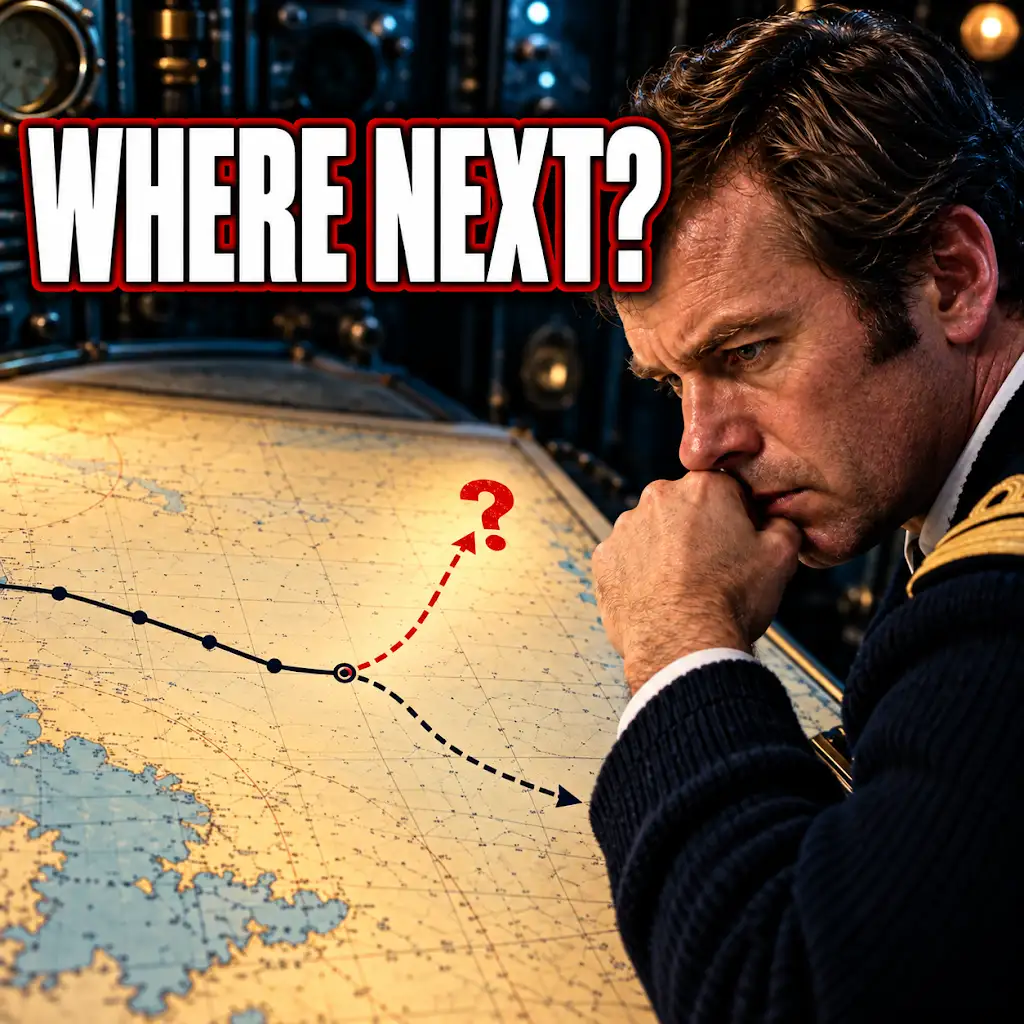
The Soviet Submarine Britain Lost—Then Found Again
FAQs
1. What is the focus of the cold war submarine documentary?
The documentary focuses on the role of submarines during the Cold War era, exploring their strategic importance, technological advancements, and the intense rivalry between the superpowers.
2. How does the documentary portray the daily life of submariners during the Cold War?
The documentary provides a glimpse into the challenging and secretive world of submariners, showcasing their cramped living conditions, rigorous training, and the constant threat of detection by enemy forces.
3. What archival footage is included in the cold war submarine documentary?
The documentary features a wealth of archival footage, including classified mission recordings, declassified government documents, and interviews with former submariners who share their firsthand experiences.
4. What experts are interviewed in the cold war submarine documentary?
The documentary includes interviews with military historians, naval officers, Cold War experts, and submarine veterans who offer valuable insights into the historical context, strategic decisions, and technological innovations of the time.
5. How does the cold war submarine documentary shed light on the geopolitical tensions of the era?
The documentary delves into the geopolitical tensions of the Cold War, illustrating how submarines played a crucial role in the nuclear arms race, espionage activities, and the overall balance of power between the United States and the Soviet Union.