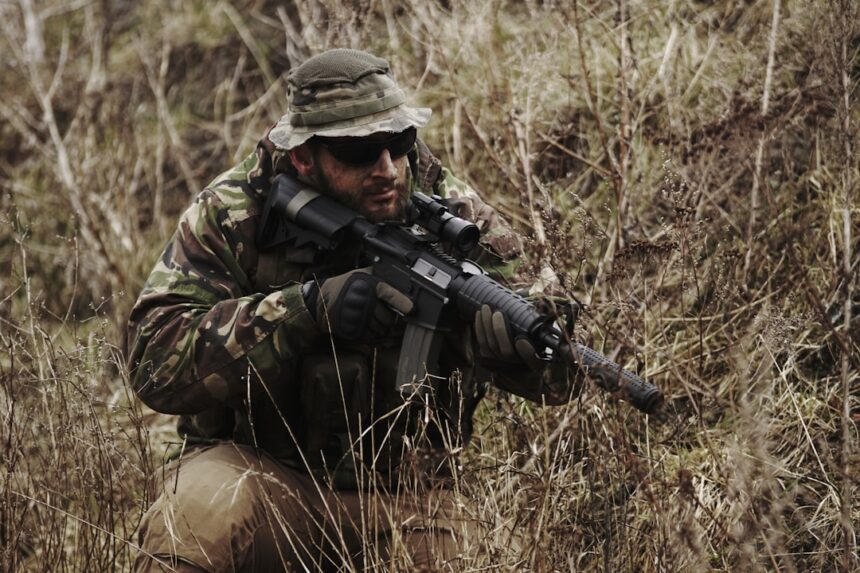
Military readiness metrics serve as critical indicators of a nation’s ability to respond effectively to threats and challenges. These metrics encompass a wide range of factors, including personnel availability, equipment functionality, and logistical support. By quantifying these elements, military organizations can assess their preparedness for various operational scenarios.
The complexity of military readiness metrics lies in their multifaceted nature; they must account for not only the immediate capabilities of armed forces but also the long-term sustainability of those capabilities in the face of evolving threats. In essence, military readiness metrics provide a snapshot of a military’s operational capacity at any given moment. They are designed to inform decision-makers about the strengths and weaknesses of their forces, enabling them to make informed choices regarding deployments, training, and resource allocation.
Understanding these metrics is crucial for military leaders, policymakers, and analysts alike, as they form the foundation upon which strategic decisions are made. The interplay between different readiness components can reveal insights into potential vulnerabilities and areas requiring improvement, ultimately shaping a nation’s defense posture.
Key Takeaways
- Accurate military readiness metrics are crucial for assessing true operational capability and national security.
- Misconceptions about readiness can lead to flawed assessments and poor decision-making.
- Training, equipment, and technology play vital roles in improving and measuring military readiness.
- Readiness metrics directly influence resource allocation and overall military effectiveness.
- Transparency and accountability in readiness reporting are essential for trust and informed policy decisions.
The Importance of Accurate Readiness Assessments
Accurate readiness assessments are vital for ensuring that military forces can respond effectively to crises. When assessments are precise, they provide a clear picture of a military’s capabilities, allowing leaders to identify gaps and prioritize resources accordingly. Inaccurate assessments, on the other hand, can lead to overconfidence or underestimation of threats, potentially resulting in catastrophic consequences during real-world operations.
Therefore, the integrity of readiness assessments is paramount; they must be based on reliable data and thorough analysis. Moreover, accurate readiness assessments foster trust among military personnel and civilian leadership. When service members believe that their capabilities are accurately represented, they are more likely to maintain morale and commitment to their missions.
Conversely, if personnel perceive that their readiness is being misrepresented or downplayed, it can lead to disillusionment and decreased effectiveness. Thus, the importance of accurate readiness assessments extends beyond mere numbers; it encompasses the very ethos of military service and the confidence that underpins operational success.
Common Misconceptions about Military Readiness
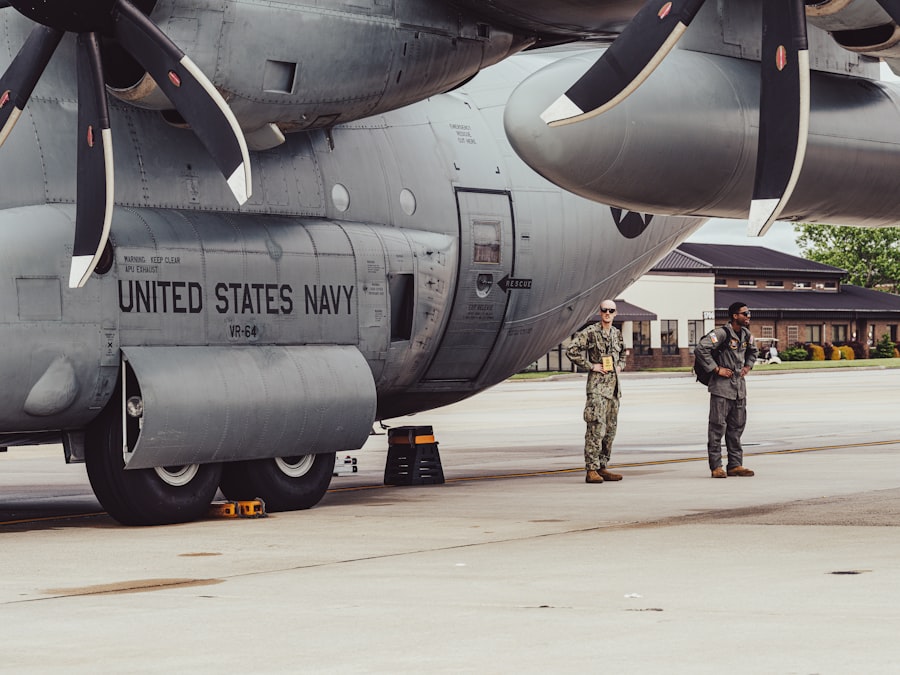
Despite the critical role that military readiness metrics play in national defense, several misconceptions persist regarding their interpretation and significance. One common misconception is that high readiness levels equate to immediate operational capability. In reality, readiness is a dynamic state influenced by numerous factors, including training cycles, equipment maintenance schedules, and personnel turnover.
A unit may report high readiness metrics on paper but still face challenges in executing complex missions due to underlying issues that are not immediately apparent. Another prevalent misconception is that readiness metrics are solely quantitative.
For instance, the effectiveness of leadership, unit cohesion, and the psychological preparedness of personnel can significantly impact a unit’s ability to perform under pressure. Therefore, a comprehensive understanding of military readiness requires a nuanced approach that considers both quantitative data and qualitative insights.
The Impact of Readiness Metrics on National Security
| Readiness Metric | Description | Impact on National Security | Measurement Frequency | Example Data |
|---|---|---|---|---|
| Personnel Readiness | Availability and training level of military personnel | Ensures forces are capable of rapid deployment and effective operations | Monthly | 95% of personnel fully trained and deployable |
| Equipment Readiness | Operational status and maintenance of military equipment | Maintains combat effectiveness and reduces mission failure risk | Weekly | 87% of critical equipment fully operational |
| Logistics Readiness | Availability of supplies, ammunition, and fuel | Supports sustained military operations and rapid response | Bi-weekly | Inventory levels at 90% of required thresholds |
| Cybersecurity Readiness | Protection and resilience of information systems | Prevents cyber attacks that could compromise national defense | Continuous monitoring | 99.9% uptime of critical defense networks |
| Training Exercise Frequency | Number of readiness drills and simulations conducted | Improves coordination and preparedness for real-world scenarios | Quarterly | 4 major exercises conducted per quarter |
The implications of military readiness metrics extend far beyond the confines of individual units; they have profound effects on national security as a whole. A nation with robust readiness metrics is better positioned to deter adversaries and respond swiftly to emerging threats. Conversely, poor readiness can embolden potential aggressors, leading to increased instability in regions of strategic interest.
As such, national security strategies must be closely aligned with accurate assessments of military readiness. Furthermore, the relationship between readiness metrics and national security is not static; it evolves in response to geopolitical shifts and technological advancements. As new threats emerge—be they cyber warfare, terrorism, or conventional military confrontations—military forces must adapt their readiness metrics accordingly.
This adaptability ensures that nations remain vigilant and prepared to address a diverse array of challenges in an increasingly complex global landscape.
The Role of Training and Equipment in Readiness Metrics
Training and equipment are two foundational pillars upon which military readiness is built. Effective training programs ensure that personnel are not only familiar with their roles but also capable of executing complex tasks under pressure. Regular drills and exercises help maintain operational proficiency and foster teamwork among service members.
Consequently, training metrics often serve as key indicators of overall readiness; units that engage in rigorous training regimes tend to report higher levels of preparedness. Equipment availability is equally critical in determining military readiness. Modern warfare relies heavily on advanced technology and weaponry; thus, maintaining equipment in optimal condition is essential for operational success.
Readiness metrics must account for the status of equipment—whether it is fully operational or undergoing maintenance—as well as the availability of spare parts and logistical support. A well-equipped force with inadequate training may struggle in combat scenarios, while a highly trained unit lacking functional equipment may find itself equally disadvantaged.
The Challenges of Measuring Military Readiness
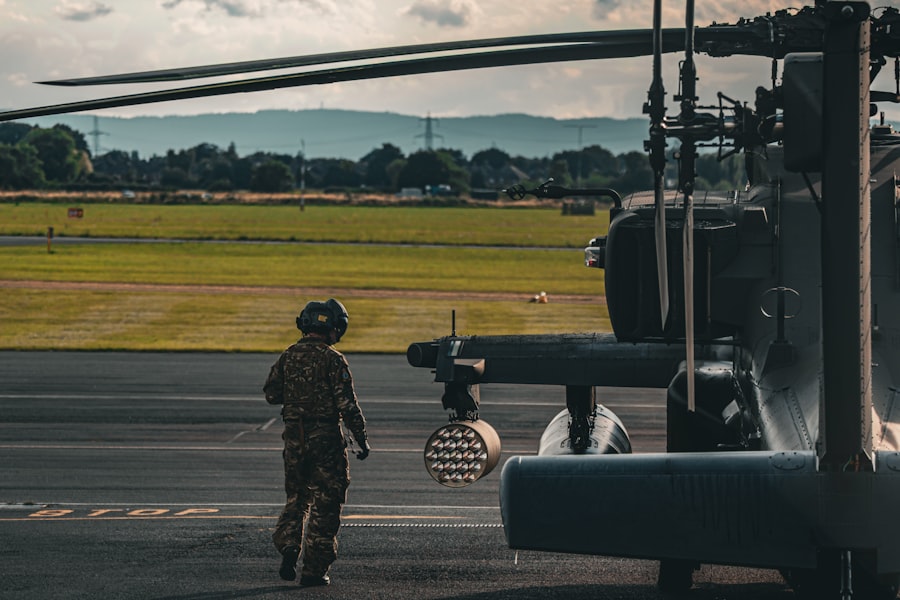
Measuring military readiness presents numerous challenges that can complicate assessments and hinder decision-making processes. One significant challenge is the inherent variability in operational environments; different missions may require distinct capabilities that are not easily quantifiable through standard metrics. For instance, a unit prepared for conventional warfare may not be adequately equipped for counterinsurgency operations or humanitarian assistance missions.
This variability necessitates a flexible approach to measuring readiness that can adapt to diverse operational contexts. Additionally, the reliance on self-reported data can introduce biases into readiness assessments. Units may be incentivized to present themselves as more prepared than they truly are due to pressure from higher command or concerns about resource allocation.
This phenomenon can lead to discrepancies between reported readiness levels and actual capabilities on the ground. To mitigate these challenges, military organizations must implement robust verification processes that include independent evaluations and real-world testing scenarios.
The Relationship Between Readiness Metrics and Operational Effectiveness
The connection between readiness metrics and operational effectiveness is both direct and profound. High levels of readiness typically correlate with improved performance during missions; units that are well-trained and adequately equipped are more likely to achieve their objectives successfully. Conversely, low readiness levels can result in mission failures or suboptimal outcomes, which can have far-reaching consequences for national security and international relations.
Moreover, operational effectiveness is not solely determined by individual unit readiness; it also hinges on the integration of various forces within a joint operational framework. Effective coordination among different branches of the military—such as the Army, Navy, Air Force, and Marine Corps—requires a shared understanding of readiness metrics across all levels of command. This collaborative approach ensures that all components work together seamlessly during joint operations, maximizing overall effectiveness in achieving strategic goals.
The Influence of Readiness Metrics on Resource Allocation
Resource allocation within military organizations is heavily influenced by readiness metrics.
Units that demonstrate high levels of readiness may receive priority for resources, while those struggling with preparedness may face budget cuts or reduced support.
This dynamic underscores the importance of accurate reporting; inflated or deflated readiness metrics can skew resource allocation decisions and ultimately impact national defense. Furthermore, resource allocation decisions based on readiness metrics must consider long-term sustainability rather than short-term gains. Investing heavily in one area at the expense of others can create imbalances within the force structure, leading to vulnerabilities over time.
A holistic approach to resource allocation—one that takes into account both current readiness levels and future requirements—is essential for maintaining a well-rounded and capable military force.
The Role of Technology in Enhancing Readiness Metrics
Advancements in technology have revolutionized the way military organizations assess and report on readiness metrics. Modern data analytics tools enable real-time monitoring of personnel availability, equipment status, and training progress, providing leaders with up-to-date information for decision-making. Additionally, simulation technologies allow for more effective training exercises that can accurately reflect operational conditions without the logistical burdens associated with traditional drills.
Moreover, technology facilitates greater transparency in reporting readiness metrics. Digital platforms can streamline data collection processes and ensure that information is readily accessible to decision-makers at all levels. This increased transparency fosters accountability within military organizations; leaders are more likely to act on accurate data when they understand its implications for overall mission success.
The Future of Military Readiness Assessments
As global security dynamics continue to evolve, so too must military readiness assessments adapt to meet new challenges. The future will likely see an increased emphasis on integrating artificial intelligence and machine learning into readiness evaluations. These technologies can analyze vast amounts of data quickly and accurately, identifying trends and potential issues before they escalate into crises.
Additionally, future assessments may place greater importance on joint interoperability among allied forces. As international coalitions become more common in addressing global threats, understanding how different militaries measure and report their readiness will be crucial for effective collaboration during joint operations. This shift will require standardization of metrics across nations while still allowing for flexibility based on individual capabilities.
The Need for Transparency and Accountability in Readiness Reporting
Transparency and accountability are essential components of effective military readiness reporting. When military organizations commit to open communication regarding their capabilities and limitations, they foster trust among stakeholders—including government officials, service members, and the public. This trust is vital for ensuring continued support for defense initiatives and resource allocation decisions.
Moreover, accountability mechanisms must be established to ensure that reported readiness metrics reflect reality accurately. Independent audits and evaluations can help verify self-reported data while providing insights into areas needing improvement. By prioritizing transparency and accountability in readiness reporting, military organizations can enhance their credibility and ensure that they remain prepared to meet the challenges of an ever-changing security landscape.
In conclusion, understanding military readiness metrics is crucial for assessing a nation’s defense capabilities effectively. Accurate assessments play a vital role in national security strategies while dispelling common misconceptions about what constitutes true preparedness. As technology continues to advance and global threats evolve, the future of military readiness assessments will require adaptability and a commitment to transparency—ensuring that armed forces remain capable of responding effectively to any challenge that arises.
In exploring the complexities of military readiness metrics, it’s essential to consider various perspectives on the topic. A related article that delves into the implications of these metrics can be found on In The War Room, which provides a comprehensive analysis of military preparedness and its impact on national security. For more insights, you can read the article [here](https://www.inthewarroom.com/).
WATCH THIS! The Secret Army That Controls the Pentagon’s Software
FAQs
What are military readiness metrics?
Military readiness metrics are quantitative and qualitative measures used to assess the preparedness of military forces to perform their assigned missions. These metrics evaluate factors such as personnel availability, equipment status, training levels, and logistical support.
Why are military readiness metrics important?
Military readiness metrics are crucial because they provide commanders and policymakers with data to make informed decisions about force deployment, resource allocation, and strategic planning. They help ensure that military units are capable of responding effectively to threats and emergencies.
What are some common types of military readiness metrics?
Common military readiness metrics include personnel strength (such as the number of trained and available soldiers), equipment readiness (percentage of operational vehicles, aircraft, or weapons), training proficiency, maintenance status, and supply levels.
How is military readiness measured?
Military readiness is measured through regular assessments, inspections, and reporting systems that collect data on personnel, equipment, training, and logistics. These assessments may involve unit self-reports, third-party evaluations, and automated tracking systems.
Are military readiness metrics always accurate?
While military readiness metrics aim to provide accurate information, they can sometimes be influenced by reporting biases, data collection challenges, or differing definitions of readiness. Continuous improvement in measurement methods is necessary to enhance accuracy.
Can military readiness metrics predict combat effectiveness?
Military readiness metrics provide indicators of a unit’s potential combat effectiveness but do not guarantee performance in actual combat. Factors such as morale, leadership, and unforeseen circumstances also significantly impact combat outcomes.
How do military readiness metrics impact defense policy?
Readiness metrics inform defense policy by highlighting areas needing investment or reform. Policymakers use these metrics to prioritize funding, adjust force structure, and develop training programs to maintain or improve military capabilities.
Have military readiness metrics evolved over time?
Yes, military readiness metrics have evolved with advances in technology, changes in warfare, and lessons learned from past conflicts. Modern metrics increasingly incorporate real-time data, cyber readiness, and joint force interoperability.
Who is responsible for monitoring military readiness?
Monitoring military readiness is typically the responsibility of military leadership at various levels, including unit commanders, service branches, and defense departments. Oversight may also involve government agencies and independent auditors.
Can military readiness metrics be standardized across different countries?
While some readiness concepts are universal, standardizing metrics across countries is challenging due to differences in military structure, doctrine, and strategic priorities. However, allied nations often collaborate to align certain readiness assessments for joint operations.