The Gulf War, officially known as Operation Desert Storm, remains a watershed moment in modern military history. Launched in 1991, it saw a coalition of 35 nations, led by the United States, engage Iraqi forces occupying Kuwait. Beyond the sheer scale of the conflict, it was the sophisticated military tactics employed by the coalition that captured global attention and redefined warfare. This article delves into the intricate strategies that led to the swift and decisive victory, offering a glimpse into the minds of the strategists and the execution on the ground.
The successful conclusion of Desert Storm was not a matter of improvisation; it was the result of meticulous planning and a clear strategic vision. The coalition’s objectives were multifaceted, extending beyond the immediate liberation of Kuwait to include the deterrence of further aggression and the establishment of regional stability. This overarching strategy informed every tactical decision, ensuring a cohesive and purposeful campaign.
Defining Objectives and Mandate
The United Nations Security Council Resolution 678 provided the legal and political framework for the use of “all necessary means” to liberate Kuwait and restore international peace and security in the region. This clear mandate allowed for a robust military response. The primary objective was the expulsion of Iraqi forces from Kuwait. However, secondary objectives included weakening Iraq’s military capabilities to prevent future aggression, ensuring the stability of oil supplies, and protecting regional allies. The coalition leadership understood that a purely punitive mission could lead to unintended consequences, thus a calibrated approach was crucial.
Intelligence Dominance: The Unseen Weapon
The foundation of Desert Storm’s tactical success lay in unparalleled intelligence gathering and analysis. Satellites, reconnaissance aircraft, electronic eavesdropping, and human intelligence provided a comprehensive picture of Iraqi dispositions, strengths, and weaknesses. This detailed understanding allowed for precision targeting and the avoidance of unnecessary risks.
Satellite Imagery and Reconnaissance
The omnipresent gaze of satellites offered real-time and historical imagery of Iraqi military installations, troop movements, and infrastructure. This information was critical for identifying key targets, assessing their defenses, and planning offensive routes. Reconnaissance aircraft, such as the U-2 and SR-71 Blackbird, provided high-altitude photographic and electronic intelligence, complementing the satellite data.
Electronic Warfare and Signals Intelligence
The coalition’s mastery of electronic warfare (EW) was a significant factor. They meticulously monitored Iraqi communications, identifying command and control nodes, unit locations, and operational plans. This signals intelligence (SIGINT) allowed for the disruption of enemy communications, the deception of enemy forces, and the precise targeting of enemy assets. EW teams actively jammed Iraqi radar and communication systems, creating confusion and diminishing their ability to react effectively.
Coalition Building and Coordination
The formation of a broad international coalition was a diplomatic triumph that amplified military might. This diverse group brought unique capabilities and perspectives, but also presented significant logistical and command challenges. The ability to effectively integrate these forces was a testament to robust planning and communication protocols.
Interoperability and Joint Operations
Ensuring that forces from different nations could operate together seamlessly was a monumental task. This involved standardizing communication procedures, coordinating logistics, and establishing unified command structures. The emphasis on joint and combined operations allowed for the synergistic application of diverse military assets, from naval gunfire support to air superiority.
Logistics and Supply Chain Management
The sheer scale of deploying and sustaining hundreds of thousands of troops, along with their equipment, across vast distances was an unprecedented logistical undertaking. The coalition’s success in maintaining a robust supply chain, from fuel and ammunition to food and medical supplies, was critical to sustained operations and morale.
The military strategy employed during Operation Desert Storm has been a subject of extensive analysis and discussion, highlighting the effectiveness of coalition forces and the use of advanced technology in warfare. For a deeper understanding of the strategic decisions made during this pivotal conflict, you can refer to a related article that delves into the intricacies of the operation and its implications for future military engagements. To read more, visit this article.
The Air Campaign: Dominance from Above
The air war, codenamed Operation Southern Watch and later integrated into Desert Storm, was the opening salvo and the sustained hammer blow that crippled Iraqi military capabilities. It was a meticulously planned and executed campaign that demonstrated the transformative power of air superiority.
Phase I: Strategic Bombing and Interdiction
The initial phase focused on systematically degrading Iraq’s ability to wage war. This involved targeting command and control centers, airfields, military production facilities, and critical infrastructure. The objective was to achieve air supremacy and to cripple the Iraqi war machine before the ground offensive even began.
Command and Control Decapitation
Key targets included the palaces of Saddam Hussein and the ministries responsible for military operations. By neutralizing these leadership nodes, the coalition aimed to sow confusion and disarray within the Iraqi command structure. This also aimed to demoralize the Iraqi populace and military.
Infrastructure and Logistics Disruption
Power plants, bridges, and transportation networks were systematically targeted to impede the movement of troops and supplies. This interdiction campaign aimed to isolate Iraqi forces in Kuwait and prevent them from receiving reinforcements or escaping. The destruction of fuel depots and repair facilities also severely hampered their operational capacity.
Airfield and Aircraft Neutralization
The Iraqi Air Force, though numerically significant, was quickly neutralized. Coalition aircraft launched overwhelming strikes against airfields, runways, and parked aircraft, rendering them incapable of effective engagement. This ensured that Iraqi aircraft posed minimal threat to coalition forces.
Phase II: Close Air Support and Battlefield Interdiction
As the ground offensive loomed, the air campaign shifted its focus to directly supporting ground troops and interdicting Iraqi movements. This phase demonstrated the effectiveness of precision-guided munitions and the seamless integration of air and ground operations.
Precision-Guided Munitions (PGMs)
Desert Storm was a showcase for the widespread use of PGMs, including laser-guided bombs and cruise missiles. These weapons allowed for pinpoint accuracy, minimizing collateral damage and maximizing the destruction of targeted Iraqi assets. This was a significant departure from the “dumb bombs” of previous conflicts.
Interdiction of Iraqi Ground Forces
Coalition aircraft relentlessly attacked Iraqi troop concentrations, artillery positions, and armored formations as they moved within Kuwait and Southern Iraq. This battlefield interdiction crippled the Iraqi ability to mount a cohesive defense or to launch counterattacks.
Suppression of Enemy Air Defenses (SEAD)
A critical element of air dominance was the systematic suppression of Iraqi air defenses. Specialized aircraft and electronic warfare systems worked in concert to neutralize or destroy surface-to-air missile (SAM) sites, anti-aircraft artillery, and radar installations, creating safe corridors for coalition aircraft.
The Ground Offensive: The 100-Hour War
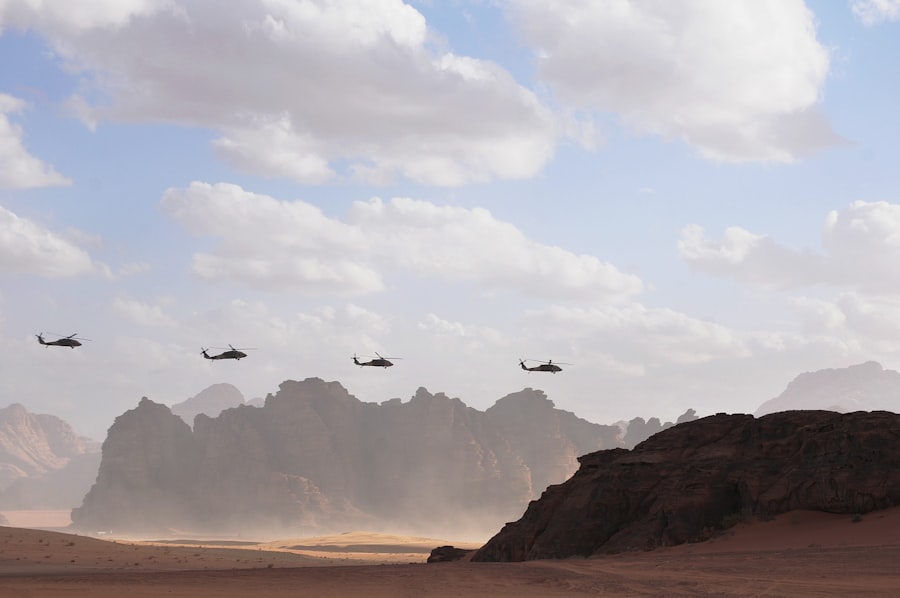
The ground war, though brief, was a decisive and overwhelming triumph for the coalition. It showcased a masterful application of maneuver warfare, overwhelming firepower, and superior training. The objective was to rapidly dislodge Iraqi forces from Kuwait and neutralize their offensive capabilities.
The Left Hook: A Masterful Maneuver
Perhaps the most iconic tactical maneuver of Desert Storm was the “Left Hook.” This daring flanking movement involved coalition forces driving deep into Iraq, to the west of Kuwait, cutting off Iraqi supply lines and encircling their forces in Kuwait.
VII Corps and XVIII Airborne Corps Advance
The core of the Left Hook involved the rapid advance of VII Corps and the XVIII Airborne Corps. These units, equipped with advanced armored vehicles and supported by extensive air power, pushed hundreds of miles into Iraq, overwhelming Iraqi defenses and outmaneuvering their positions.
Cutting Off Supply Lines and Escape Routes
The primary objective of the Left Hook was to sever the flow of supplies and reinforcements to the Iraqi army in Kuwait. By positioning forces to the west, the coalition effectively trapped the Iraqi forces, denying them resupply and preventing an organized retreat.
The Battle of Medina Ridge
A significant engagement within the Left Hook was the Battle of Medina Ridge, where coalition armor clashed with elite Iraqi Republican Guard units. The superior training, technology, and tactics of the coalition forces resulted in a decisive victory, inflicting heavy losses on the Republican Guard.
The Direct Assault: Clearing Kuwait
Concurrently, coalition forces launched a more direct assault into Kuwait, pushing the Iraqi army back and liberating the occupied territory. This phase involved significant urban warfare considerations and the clearing of entrenched positions.
Kuwaiti Liberation Forces
Local Kuwaiti resistance fighters and liberation forces played a vital role in intelligence gathering and disruption within occupied Kuwait, paving the way for the coalition’s advance. Their knowledge of the terrain and enemy dispositions was invaluable.
Mop-up Operations and Prisoner of War Handling
As Iraqi forces surrendered en masse, coalition forces conducted extensive mop-up operations to secure territory and disarm remaining enemy units. The humane and efficient handling of hundreds of thousands of prisoners of war was also a critical aspect of the ground campaign.
Technological Superiority: The Edge in Battle

Desert Storm was a turning point in military technology, showcasing the impact of advanced weaponry, communication systems, and strategic planning tools. This technological edge allowed the coalition to achieve objectives with unprecedented speed and precision.
Precision-Guided Munitions (PGMs) in Action
As mentioned earlier, the widespread and effective use of PGMs was a defining characteristic of Desert Storm. This allowed for surgical strikes, minimizing civilian casualties and maximizing the destruction of military targets.
Laser-Guided Bombs (LGBs) and Infrared-Guided Missiles
The accuracy of LGBs, guided by laser designators, allowed for the destruction of hardened targets with remarkable precision. Infrared-guided missiles offered similar capabilities, particularly against tanks and other heat-emitting vehicles.
Cruise Missiles and Their Strategic Impact
The Tomahawk cruise missile, launched from ships and submarines, played a significant role in the initial phases of the air campaign, delivering precision strikes against deeply buried or heavily defended targets, often before enemy forces could react.
Advanced Communication and Command Systems
The ability to maintain seamless communication and command across vast distances and diverse units was crucial. The coalition utilized sophisticated satellite communication systems, encrypted radios, and networked battlefield management systems.
Global Positioning System (GPS)
The advent of GPS technology provided unparalleled navigation capabilities for ground forces, aircraft, and even individual soldiers. This ensured accurate troop movement, precise targeting, and efficient rendezvous.
Integrated Command and Control Networks
The development of integrated command and control networks allowed for real-time information sharing and decision-making across different branches of service and allied nations, fostering a truly joint operational environment.
The military strategy employed during Desert Storm has been the subject of extensive analysis, highlighting its innovative use of technology and coalition forces. For a deeper understanding of the tactics and decisions that shaped this operation, you can explore a related article that delves into the intricacies of the campaign. This insightful piece can be found at In the War Room, where it examines the strategic frameworks that contributed to the swift success of the mission.
Post-Conflict Strategy: Securing the Peace
| Aspect | Details |
|---|---|
| Operation Name | Desert Storm |
| Duration | January 17, 1991 – February 28, 1991 |
| Location | Kuwait and Iraq |
| Objective | Liberation of Kuwait from Iraqi occupation |
| Coalition Forces | 34 nations, led by the United States |
| Key Strategies | Air superiority, precision bombing, ground assault |
| Outcome | Decisive victory for the coalition forces |
The successful military campaign was only one part of the overall strategy. The coalition also had to contend with the aftermath of the conflict, including the humanitarian crisis, the potential for regional instability, and the future of Iraq.
Establishing No-Fly Zones and Sanctions
Following the cessation of hostilities, the coalition established no-fly zones over parts of Iraq to protect Kurdish and Shiite populations from aerial attack by the Iraqi regime. Economic sanctions were also maintained to limit Iraq’s military capabilities.
Humanitarian Aid and Reconstruction Efforts
The coalition, along with international organizations, provided significant humanitarian aid to the affected populations, including those displaced by the conflict and the consequences of the sanctions. Reconstruction efforts focused on critical infrastructure.
Regional Security Architecture
Desert Storm fundamentally reshaped the security landscape of the Middle East. The coalition’s victory bolstered the confidence of regional allies and led to a re-evaluation of security alliances and the role of external powers in maintaining stability. The long-term consequences of the conflict continue to be felt.
In conclusion, Operation Desert Storm was a triumph of military strategy and execution. The coalition’s success was not solely due to superior firepower, but to a comprehensive understanding of the battlefield, the effective integration of diverse forces, and a commitment to technological innovation. The tactics employed in Desert Storm continue to be studied and analyzed, offering invaluable lessons for future military operations and the complex challenges of modern warfare.

The Invisible Attack That Crippled Iraq’s Army | Desert Storm Documentary
FAQs
What was the Desert Storm military strategy?
The Desert Storm military strategy was a combination of air power, ground operations, and coalition forces to liberate Kuwait from Iraqi occupation. The strategy focused on overwhelming the Iraqi forces with air strikes, followed by a ground offensive to push them out of Kuwait.
Who was involved in the Desert Storm military strategy?
The Desert Storm military strategy was carried out by a coalition of 35 countries, with the United States playing a leading role. Other key contributors included the United Kingdom, France, Saudi Arabia, and Egypt.
What were the key components of the Desert Storm military strategy?
The key components of the Desert Storm military strategy included a massive air campaign to degrade Iraqi defenses and infrastructure, followed by a ground offensive to drive Iraqi forces out of Kuwait. The strategy also involved coordination with coalition partners and the use of advanced technology and precision-guided munitions.
What were the outcomes of the Desert Storm military strategy?
The Desert Storm military strategy achieved its objectives of liberating Kuwait and pushing Iraqi forces out of the country. The coalition forces suffered relatively low casualties, while inflicting heavy losses on the Iraqi military. The success of the strategy also established the United States as a dominant military power in the region.
How did the Desert Storm military strategy impact future military operations?
The Desert Storm military strategy demonstrated the effectiveness of combined arms operations, precision-guided munitions, and coalition warfare. It also influenced future military doctrines and strategies, particularly in the use of air power and technology in modern warfare.