The sands of time often bury the most intricate details of human conflict. World War II, a conflagration of unprecedented scale, was no different. While the grand narratives of battles and turning points are etched in history, the silent wars waged in the shadows, the realm of intelligence operations, often remain obscured, their secrets guarded for decades. Only through the painstaking process of declassification can these hidden chapters of history begin to be illuminated, revealing the ingenuity, audacity, and often the sheer luck that shaped the outcome of the global struggle. This exploration delves into some of these declassified World War II intelligence operations, shedding light on the clandestine efforts that were as vital to victory as any pitched battle.
The Whispers of the Enigma Codebreakers
The ability to read an enemy’s communications is perhaps the most coveted prize in the intelligence world. For much of World War II, the German military and intelligence services relied on the sophisticated Enigma cipher machine to secure their communications. Believed to be unbreakable, Enigma’s complex rotor system and plugboard provided a seemingly infinite number of permutations, making decryption an insurmountable task for conventional cryptanalytic methods. However, within the hallowed halls of Bletchley Park, Britain’s Government Code and Cypher School, a revolution in cryptanalysis was brewing. The declassified documents emanating from this era reveal the monumental effort, the intellectual brilliance, and the sheer determination that led to the cracking of Enigma and, crucially, its successor, Lorenz.
Bletchley Park: A Crucible of Genius
The story of Bletchley Park is a testament to the power of interdisciplinary collaboration. Mathematicians, linguists, engineers, and even crossword puzzle enthusiasts were brought together, forming an unlikely but formidable team. The sheer scale of the operation was staggering. Thousands of individuals, many of them women, worked tirelessly in often cramped and austere conditions. Their work was cloaked in the utmost secrecy, with many employees unaware of the true significance of their tasks, believing they were engaged in mundane clerical or mechanical duties. The declassified papers offer glimpses into the daily routines, the frustrations, and the moments of exhilarating breakthrough that characterized life at Bletchley Park. We see memos detailing the painstaking process of collecting intercepted messages, the development of rudimentary mechanical aids to speed up decryption, and the establishment of rigorous procedures to maintain the secrecy of their success. The sheer volume of intercepted traffic meant that every second counted. The ability to decrypt German messages, codenamed “Ultra,” provided the Allies with invaluable intelligence on enemy troop movements, intentions, and strategic planning.
The Bombe Machines and Human Ingenuity
The development of the Bombe machines, electro-mechanical devices designed to find Enigma settings, was a pivotal achievement. Inspired by the work of Polish cryptanalysts who had made early progress before the war, British engineers, most notably Alan Turing, refined and scaled up these machines. Declassified schematics and operational logs reveal the intricate workings of these early computers, which, while primitive by today’s standards, represented a quantum leap in cryptanalytic capability. The sheer mechanical complexity and the constant need for maintenance and refinement underscore the immense engineering challenge. Furthermore, the human element cannot be overstated. The intelligence derived from the Bombes was only as good as the interpretations of the decrypted messages. Linguists and intelligence analysts worked hand-in-hand, sifting through vast quantities of text to extract actionable intelligence. The declassified reports often highlight the subtle nuances of language, the idiomatic expressions, and the military jargon that were crucial for accurate understanding. The secrecy surrounding this operation was so profound that even after the war, many of the individuals involved were unable to speak openly about their contributions for fear of compromising future intelligence efforts.
World War II intelligence operations played a crucial role in shaping the outcome of the conflict, with espionage, codebreaking, and deception tactics being employed by both the Allies and Axis powers. For a deeper understanding of these fascinating strategies and their impact, you can read a related article that explores various intelligence operations during the war. To learn more, visit this article.
The Shadowy World of Espionage and Sabotage
Beyond the codebreakers, another vital front in the intelligence war was that of human intelligence and clandestine operations. Declassified files from organizations like the Special Operations Executive (SOE) in Britain and the Office of Strategic Services (OSS) in the United States paint a vivid picture of daring agents, intricate plots, and operations that blurred the lines between espionage, sabotage, and psychological warfare. These operations, often conducted behind enemy lines, were fraught with peril, and many agents paid the ultimate price for their courage.
Agents of Intrigue: Training and Deployment
The declassified recruitment and training records offer a sobering insight into the selection process for these covert operatives. Candidates were rigorously screened for a variety of skills, including languages, technical expertise, and psychological resilience. The training itself was brutal and comprehensive, covering everything from close combat and explosives handling to silent movement and interrogation resistance. The personal files of some agents, now made public, reveal their motivations, their backgrounds, and the immense personal sacrifices they made. The deployment of these agents into occupied territories was a complex logistical undertaking, often involving clandestine parachute drops, submarine insertions, or clandestine boat landings. The sheer audacity of these missions, undertaken with limited support and often facing overwhelming odds, is breathtaking. We see reports detailing the establishment of clandestine radio networks, the organization of resistance cells, and the meticulous planning of sabotage missions aimed at disrupting enemy supply lines and infrastructure.
Sabotage and Subversion: Undermining the Enemy
The impact of these sabotage operations, once shrouded in mystery, can now be better understood. Declassified mission reports detail the destruction of bridges, the disruption of railway lines, the crippling of factories, and the assassination of key enemy personnel. These acts of sabotage, while seemingly small in isolation, had a cumulative effect, draining enemy resources and morale. The psychological impact of these operations was also significant. The constant threat of unseen enemies and the disruption of daily life fostered an atmosphere of fear and uncertainty within occupied territories, contributing to the erosion of enemy control. The declassified documents also reveal the complex ethical dilemmas faced by intelligence agencies and their operatives. The decision to target civilians, the potential for collateral damage, and the moral implications of assassination were all subjects of intense debate and careful consideration, though the realities of war often necessitated difficult choices.
Deceiving the Deceivers: The Art of Misdirection
Perhaps one of the most fascinating aspects of declassified World War II intelligence is the pervasive use of deception. Recognizing that the enemy was also engaged in intelligence gathering, the Allies developed sophisticated strategies to mislead their adversaries, feeding them false information and manipulating their perceptions. These operations, often referred to as “ruse de guerre,” were critical in achieving tactical and strategic surprise.
Operation Mincemeat: A Corpse as a Catalyst
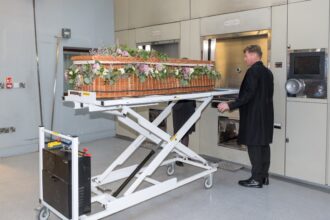
One of the most famous examples of wartime deception is Operation Mincemeat. Declassified files meticulously detail the plan to use a deceased body, dressed as a British Royal Marine officer, to carry forged documents suggesting an Allied invasion of Greece rather than Sicily. The body, carrying a briefcase with fabricated plans, was found by Spanish fishermen, who handed it over to the German intelligence services. The intelligence garnered from the false documents led the Germans to redeploy troops away from Sicily, significantly easing the Allied invasion. The declassified documents reveal the painstaking efforts involved in finding a suitable corpse, fabricating the persona, and ensuring the authenticity of the forged documents, down to the ink and paper used. The meticulous planning and the calculated gamble involved are a testament to the ingenuity of the deception planners.
Ghost Armies and Decoys: Creating Illusions of Strength
Beyond individual deceptions, the Allies employed grander schemes of strategic misdirection. The concept of “ghost armies,” large formations of dummy tanks, trucks, and inflatable equipment, was used to deceive German reconnaissance about the true location and strength of Allied forces. The declassified operational orders and after-action reports for units like the fictitious First United States Army Group (FUSAG), famously commanded by General George S. Patton, illustrate the scale of these illusions. Propaganda efforts, radio broadcasts, and the deliberate leaking of misinformation were all employed to create a convincing facade. The sheer audacity of these operations, designed to create an illusion of overwhelming strength in specific areas while masking the real invasion points, highlights the strategic importance of deception in modern warfare. The declassified accounts often detail the careful coordination required between intelligence, propaganda, and military units to maintain the credibility of these deceptions.
The Information War: Propaganda and Counter-Propaganda
The battle for hearts and minds was an integral part of World War II, and intelligence agencies played a crucial role in shaping public opinion both domestically and abroad. Declassified documents reveal the extensive use of propaganda, designed to bolster Allied morale, demonize the enemy, and sow discord within enemy ranks. Conversely, efforts were made to counter enemy propaganda and prevent the spread of disinformation.
Radio Waves and Leaflets: Reaching the Masses
The power of radio and printed materials as propaganda tools during World War II cannot be overstated. Declassified policy documents and broadcast scripts reveal the strategic messaging employed by Allied broadcasters like the BBC and the Voice of America. These broadcasts aimed to provide accurate news from an Allied perspective, highlight Allied victories, and foster a sense of hope and resistance in occupied territories. Similarly, millions of leaflets were dropped over enemy and occupied territories, carrying messages of defiance, warnings of impending doom, or appeals for surrender. The declassified designs and distribution plans for these leaflets offer a glimpse into the psychological warfare tactics employed. The content of these materials was carefully crafted, often employing a mix of factual reporting, emotional appeals, and patriotic fervor to achieve maximum impact.
Countering the Enemy’s Narrative: The Battle for Truth
The Allies were not only active in disseminating their own messages but also in combating enemy propaganda. Declassified reports detail efforts to intercept and analyze enemy propaganda, identify its key themes and narratives, and develop counter-narratives to neutralize its effects. This often involved debunking false claims, exposing enemy atrocities, and highlighting the ideological bankruptcy of the Axis powers. The battle for information was a constant struggle, with both sides attempting to control the narrative and influence the perceptions of their own populations and those of their enemies. The declassified intelligence assessments on enemy propaganda reveal a sophisticated understanding of psychological manipulation and the use of mass media to achieve strategic objectives.
World War II intelligence operations played a crucial role in shaping the outcome of the conflict, with espionage and code-breaking efforts significantly impacting military strategies. For a deeper understanding of these covert activities, you can explore an insightful article that delves into the intricacies of these operations and their lasting effects on modern warfare. To read more about this fascinating topic, visit this article that highlights key moments and figures in the realm of wartime intelligence.
The Unsung Heroes and Technological Leaps
| Operation Name | Country | Type of Intelligence | Duration | Key Outcome |
|---|---|---|---|---|
| Enigma Codebreaking | United Kingdom | Signals Intelligence (SIGINT) | 1939-1945 | Deciphered German encrypted communications, aiding Allied victories |
| Operation Fortitude | United Kingdom/USA | Deception Intelligence | 1944 | Misled Germans about D-Day invasion location |
| Magic Intercepts | United States | Signals Intelligence (SIGINT) | 1940-1945 | Decrypted Japanese communications, including Pearl Harbor warnings |
| Operation Mincemeat | United Kingdom | Deception Intelligence | 1943 | Tricked Axis into diverting forces from Sicily invasion |
| Red Orchestra | Germany (Soviet Spy Network) | Human Intelligence (HUMINT) | 1939-1943 | Provided Soviet Union with German military information |
The declassification of World War II intelligence operations also shines a much-needed spotlight on the individuals who worked in the shadows and the technological advancements that underpinned their success. These are the stories of those whose contributions, though often unrecognized at the time, were instrumental in the Allied victory.
The Technicians and Analysts: The Backbone of Intelligence
Beyond the charismatic agents and brilliant codebreakers, there existed a vast network of individuals whose work was essential but often invisible. Declassified personnel records and operational summaries highlight the crucial roles played by technicians who maintained the complex machinery of interception and decryption, analysts who sifted through mountains of data, and administrative staff who kept the intricate machinery of intelligence running smoothly. The sheer volume of information processed required an unprecedented level of organization and dedication. These were the unsung heroes, whose meticulous work formed the bedrock upon which vital intelligence decisions were made. The personal accounts that occasionally surface in declassified documents, though rare, offer poignant glimpses into their dedication and the personal sacrifices they made.
Innovation in the Face of Adversity: New Tools for a New War
World War II spurred significant technological innovation in the field of intelligence. Declassified technical specifications and research papers reveal the development of new interception techniques, advancements in photographic intelligence, and the early applications of electronic warfare. The rudimentary radar systems, the development of sonar technology, and the early forays into photographic reconnaissance from aircraft all provided critical intelligence that could not be obtained through traditional means. The declassified documents offer a fascinating look at the iterative process of technological development, with early prototypes and experimental designs gradually evolving into more sophisticated and effective tools. The race to develop superior intelligence gathering and analysis capabilities was as intense as the race for military superiority on the battlefield. The impact of these technological leaps was profound, providing commanders with a clearer picture of the battlefield and allowing for more informed strategic and tactical decisions, ultimately contributing to the Allied triumph.
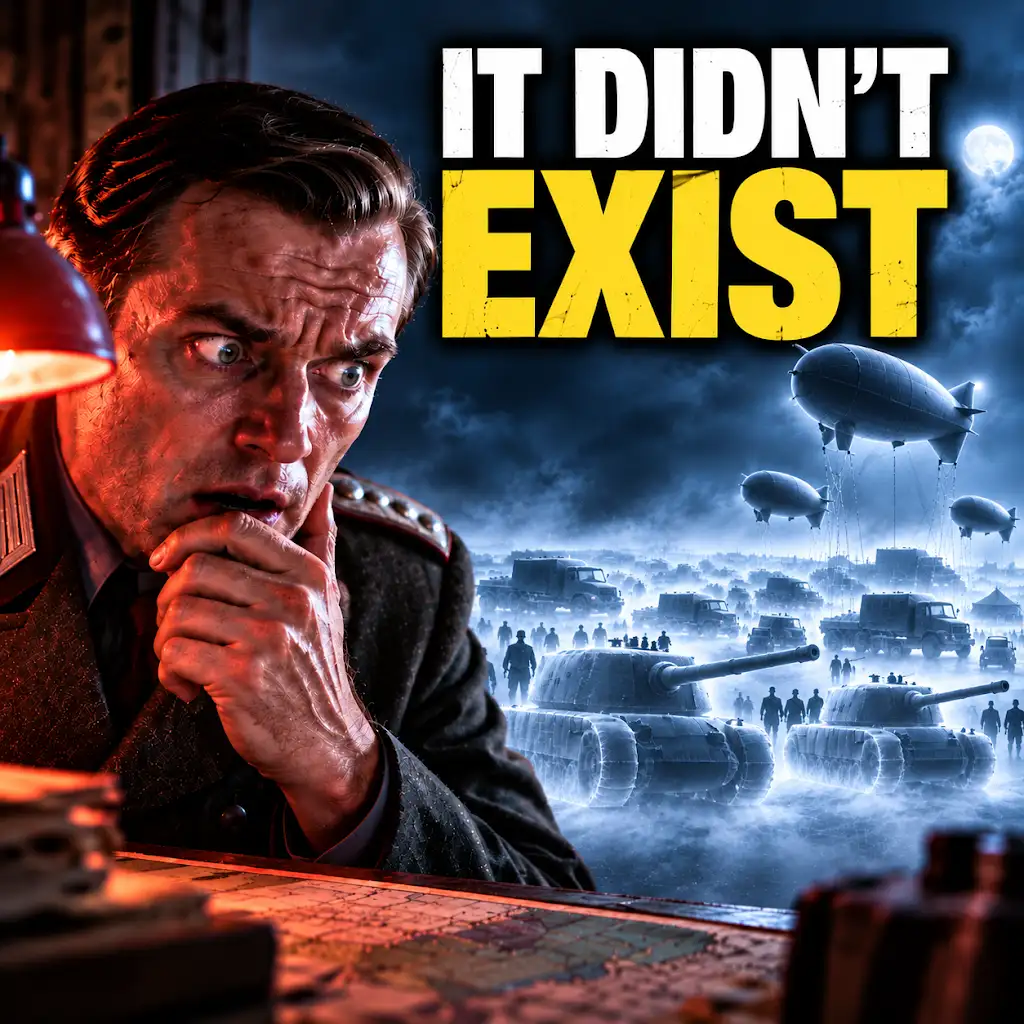
How the Allies Built an Army for Germany to Discover
FAQs
What were some key intelligence operations during World War II?
Some key intelligence operations during World War II included Operation Overlord (D-Day), Operation Barbarossa, Operation Market Garden, Operation Husky, and Operation Torch.
What role did codebreaking play in World War II intelligence operations?
Codebreaking played a crucial role in World War II intelligence operations, with efforts such as breaking the German Enigma code at Bletchley Park in England significantly aiding the Allied war effort.
How did espionage contribute to intelligence gathering during World War II?
Espionage played a significant role in intelligence gathering during World War II, with spies providing valuable information on enemy movements, plans, and technologies to the Allied forces.
What was the significance of the Manhattan Project in World War II intelligence operations?
The Manhattan Project was a top-secret research and development project during World War II that produced the first nuclear weapons. The intelligence gathered and security measures taken during the project were crucial to its success.
How did intelligence operations impact the outcome of World War II?
Intelligence operations played a critical role in shaping the outcome of World War II by providing crucial information to military leaders, enabling strategic decision-making, and ultimately contributing to the Allied victory over the Axis powers.