The Cold War was a prolonged period of geopolitical tension between the United States and the Soviet Union that lasted from 1945 to 1991. This conflict was fundamentally ideological, with the United States advocating for capitalist economic systems and democratic governance, while the Soviet Union promoted communist ideology and centralized state control. The rivalry between these superpowers manifested in several key areas.
Both nations engaged in an extensive arms race, particularly focusing on nuclear weapons development and deployment. This competition extended beyond military capabilities to include space exploration, technological advancement, and global sphere of influence expansion. Neither superpower engaged in direct military confrontation, instead conducting their rivalry through proxy conflicts in various regions including Korea, Vietnam, Afghanistan, and numerous locations in Africa and Latin America.
The period was marked by significant events that demonstrated the intensity of the rivalry. The Cuban Missile Crisis in October 1962 represented the closest approach to nuclear warfare, when the Soviet Union placed ballistic missiles in Cuba, leading to a tense 13-day standoff. Other notable incidents included the Berlin Blockade (1948-1949), the construction of the Berlin Wall (1961), and various espionage operations conducted by both sides.
The Cold War significantly influenced international relations, leading to the formation of military alliances such as NATO (1949) and the Warsaw Pact (1955). Domestic policies in both nations were also shaped by this competition, including increased military spending, space programs, and internal security measures. The conflict officially ended with the dissolution of the Soviet Union in December 1991, marking the conclusion of nearly five decades of sustained geopolitical tension.
Key Takeaways
- The Soviet nuclear strategy evolved within the intense geopolitical tensions of the Cold War, emphasizing deterrence through mutual assured destruction.
- Deployment focused on targeting key military and industrial sites, supported by a robust command, control, and communication infrastructure.
- Civil defense measures aimed to prepare the population for potential nuclear conflict, reflecting the regime’s concern for societal resilience.
- Crisis management protocols highlighted the importance of rapid decision-making to prevent escalation during high-stakes confrontations.
- Declassified documents reveal strategic adaptations over time, offering critical lessons for contemporary global security and arms control efforts.
Development of Soviet Nuclear Strategy
The development of Soviet nuclear strategy was a complex process influenced by various factors, including military doctrine, technological advancements, and political considerations. Initially, the Soviet Union’s nuclear ambitions were driven by a desire for security and deterrence against perceived threats from the West. Following the successful detonation of their first atomic bomb in 1949, the Soviets recognized the need to establish a credible nuclear arsenal to counterbalance American power.
This marked the beginning of a strategic evolution that would shape their military posture for decades. As the Cold War progressed, Soviet leaders began to refine their nuclear strategy, moving from a focus on quantity to an emphasis on quality and reliability. The development of intercontinental ballistic missiles (ICBMs) and submarine-launched ballistic missiles (SLBMs) allowed for greater reach and flexibility in their nuclear capabilities.
The introduction of multiple independently targetable reentry vehicles (MIRVs) further enhanced their ability to penetrate enemy defenses. This evolution reflected not only technological advancements but also a growing understanding of the importance of deterrence in maintaining national security.
Doctrine of Mutual Assured Destruction

The doctrine of Mutual Assured Destruction (MAD) emerged as a cornerstone of Cold War nuclear strategy, fundamentally altering the calculus of warfare between superpowers. Under this doctrine, both the United States and the Soviet Union recognized that any nuclear exchange would result in catastrophic consequences for both sides. The logic was simple yet chilling: if one nation launched a nuclear attack, the other would retaliate with equal or greater force, leading to total annihilation.
This grim understanding created a precarious balance of power that deterred direct conflict. MAD had profound implications for military planning and international relations. It necessitated a focus on second-strike capabilities, ensuring that each side could respond effectively even after suffering an initial attack.
This led to significant investments in missile defense systems and early warning technologies. However, while MAD may have prevented direct confrontation between superpowers, it also fostered an environment where miscalculations or accidents could have dire consequences. The doctrine underscored the paradox of nuclear deterrence: while it aimed to prevent war, it also entrenched a state of perpetual tension.
Targeting and Deployment of Nuclear Weapons
The targeting and deployment of nuclear weapons were critical components of Soviet military strategy during the Cold War. The Soviet Union developed a comprehensive targeting strategy that prioritized key military and industrial sites in NATO countries, as well as major urban centers. This approach aimed to maximize damage in the event of a conflict while simultaneously undermining the enemy’s ability to respond effectively.
The selection of targets was influenced by intelligence assessments, technological capabilities, and geopolitical considerations. Deployment strategies also evolved over time, reflecting advancements in missile technology and changes in military doctrine. The Soviets established a diverse array of delivery systems, including land-based ICBMs, mobile launchers, and submarine-based platforms.
This diversification not only enhanced their deterrent posture but also complicated NATO’s defense planning. The presence of nuclear weapons in Eastern Europe further escalated tensions, as both sides engaged in a game of brinkmanship that defined much of the Cold War era.
Civil Defense and Population Preparedness
| Document Name | Year Published | Key Focus | Strategic Importance | Notable Metrics |
|---|---|---|---|---|
| Basic Principles of Nuclear Deterrence | 1962 | Deterrence strategy and escalation control | High – foundation of Soviet nuclear posture | Emphasized second-strike capability and flexible response |
| Military Doctrine of the USSR | 1987 | Use of nuclear weapons in conventional conflict | Critical – outlined conditions for nuclear use | Allowed for limited nuclear strikes under certain scenarios |
| Operational-Strategic Guidelines | 1970s | Deployment and targeting of nuclear forces | Medium – detailed missile deployment and targeting priorities | Focused on counterforce targeting and survivability of forces |
| Concept of Strategic Deterrence | 1980 | Integration of nuclear and conventional forces | High – emphasized combined arms approach | Stressed importance of rapid escalation control |
| Guidelines for Nuclear War Planning | 1985 | Planning and execution of nuclear operations | High – operational level planning document | Included metrics on target prioritization and timing |
In response to the ever-present threat of nuclear war, the Soviet Union implemented extensive civil defense measures aimed at preparing its population for potential attacks. These initiatives included public education campaigns on how to respond during an air raid, construction of bomb shelters, and stockpiling essential supplies. The government sought to instill a sense of resilience among citizens, emphasizing that survival was possible even in the face of nuclear catastrophe.
However, despite these efforts, public awareness and preparedness varied significantly across different regions and demographics. While urban centers often received more resources for civil defense initiatives, rural areas lagged behind. Additionally, the effectiveness of these measures was often questioned; many citizens remained skeptical about their ability to survive a nuclear strike.
Ultimately, while civil defense programs were intended to bolster national morale and readiness, they also highlighted the pervasive anxiety surrounding nuclear warfare.
Command and Control Structure
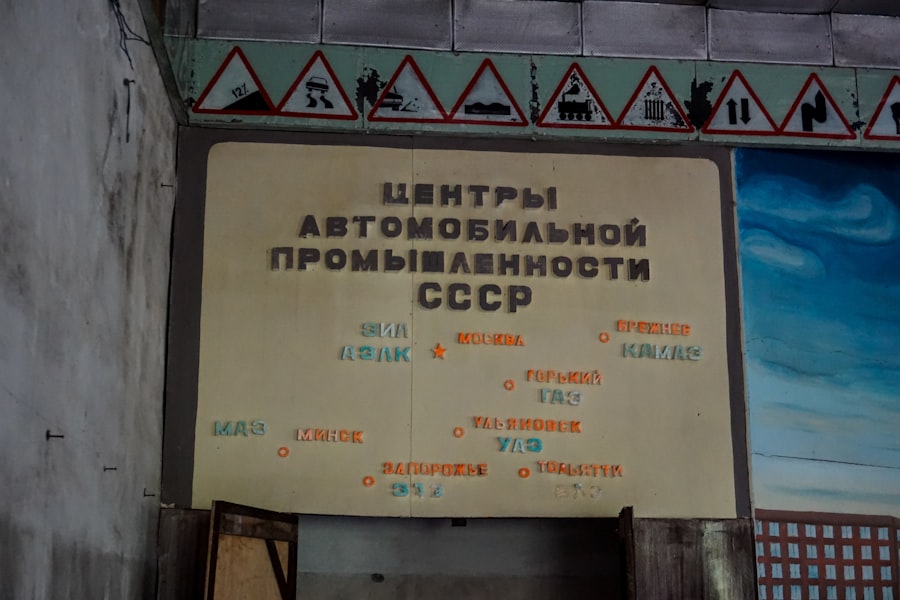
The command and control structure governing Soviet nuclear forces was designed to ensure rapid decision-making and effective communication during crises. Centralized authority rested with the Politburo and key military leaders, who maintained strict oversight over nuclear arsenals. This hierarchical structure aimed to prevent unauthorized use of nuclear weapons while facilitating coordinated responses to potential threats.
However, this centralized approach also posed risks.
The potential for miscommunication or misinterpretation of signals could lead to catastrophic consequences.
Moreover, as technology advanced, concerns about vulnerabilities within the command and control system grew. The need for robust safeguards against accidental launches became increasingly apparent as tensions escalated throughout the Cold War.
Communication and Warning Systems
Effective communication and warning systems were vital components of Soviet nuclear strategy during the Cold War. The ability to detect incoming threats quickly and relay information accurately was essential for maintaining an effective deterrent posture. The Soviets invested heavily in early warning systems designed to monitor missile launches and provide timely alerts to military leaders.
Despite these investments, challenges persisted within the communication infrastructure. Technical malfunctions or human errors could lead to false alarms or delayed responses, raising concerns about the reliability of warning systems. High-stakes scenarios demanded rapid decision-making; any lapse in communication could have dire consequences.
As such, ensuring robust communication channels became paramount for maintaining strategic stability during this tumultuous period.
Crisis Management and Decision-Making
Crisis management during the Cold War required careful navigation through complex political landscapes and high-stakes scenarios. Decision-making processes were often shrouded in secrecy, with leaders relying on intelligence assessments and military advice to guide their actions. The stakes were incredibly high; miscalculations could lead to unintended escalation or even nuclear conflict.
The Cuban Missile Crisis serves as a poignant example of crisis management under extreme pressure. In October 1962, U.S. reconnaissance revealed Soviet missile installations in Cuba, prompting a tense standoff between Washington and Moscow.
Both sides engaged in intense negotiations while simultaneously preparing for potential military action. Ultimately, diplomatic efforts prevailed, highlighting the importance of communication and negotiation in averting disaster during moments of crisis.
Evolution of Soviet Nuclear Strategy
Over time, Soviet nuclear strategy evolved in response to changing geopolitical dynamics and technological advancements. Initially focused on achieving parity with U.S. capabilities through sheer numbers, Soviet leaders began to recognize the importance of qualitative improvements in their arsenal.
This shift led to investments in advanced delivery systems and warhead designs that enhanced their deterrent capabilities. The end of the Cold War marked a significant turning point in Soviet nuclear strategy as well. With the dissolution of the Soviet Union in 1991 came new challenges and opportunities for arms control negotiations.
The focus shifted from confrontation to cooperation as former adversaries sought to reduce their nuclear arsenals through treaties such as START (Strategic Arms Reduction Treaty). This evolution reflected a broader recognition that global security depended on collaborative efforts rather than unilateral posturing.
Implications for Global Security
The implications of Soviet nuclear strategy extended far beyond the borders of Eastern Europe; they shaped global security dynamics throughout the latter half of the 20th century. The existence of vast nuclear arsenals created an environment where states had to navigate complex security dilemmas while managing their own deterrent capabilities. The fear of escalation loomed large over international relations as nations grappled with the potential consequences of miscalculations or misunderstandings.
Moreover, the legacy of Cold War nuclear strategies continues to influence contemporary security discussions today.
The lessons learned from Soviet nuclear strategy serve as critical reminders about the importance of diplomacy, communication, and cooperation in addressing shared security challenges.
Lessons Learned from Declassified Soviet Nuclear Strategy
The declassification of Soviet nuclear strategy documents has provided invaluable insights into decision-making processes during one of history’s most perilous periods. Scholars and analysts have gained a deeper understanding of how leaders navigated complex geopolitical landscapes while grappling with existential threats. These lessons underscore the importance of transparency and open dialogue in fostering trust among nations.
One key takeaway from declassified materials is the recognition that effective communication can mitigate risks associated with misunderstandings or miscalculations during crises. Additionally, understanding historical contexts can inform contemporary discussions about arms control and non-proliferation efforts today. As nations confront new security challenges in an increasingly multipolar world, reflecting on past experiences can guide future strategies aimed at promoting stability and preventing conflict.
In conclusion, examining Soviet nuclear strategy within its Cold War context reveals a multifaceted landscape shaped by technological advancements, political ideologies, and human decision-making processes. The lessons learned from this era continue to resonate today as nations navigate complex security dilemmas in an ever-evolving global landscape.
Soviet nuclear strategy documentation has been a critical area of study for understanding the Cold War dynamics and the balance of power during that era. For a deeper insight into this topic, you can refer to a related article that discusses various aspects of military strategy and its implications. Check out the article on Soviet military strategies at this link.
WATCH THIS 🎬 DEAD HAND: The Soviet Doomsday Machine That’s Still Listening
FAQs
What was the primary goal of Soviet nuclear strategy?
The primary goal of Soviet nuclear strategy was to deter nuclear attacks by maintaining a credible threat of massive retaliation, ensuring the security of the Soviet Union and its allies during the Cold War.
What types of documents are included in Soviet nuclear strategy documentation?
Soviet nuclear strategy documentation includes military doctrines, strategic plans, official government and Communist Party directives, intelligence assessments, and technical reports on nuclear weapons development and deployment.
How did Soviet nuclear strategy differ from that of the United States?
While both superpowers focused on deterrence, the Soviet strategy emphasized a combination of offensive and defensive capabilities, including a large arsenal of intercontinental ballistic missiles (ICBMs), submarine-launched ballistic missiles (SLBMs), and tactical nuclear weapons, often with a focus on counterforce and countervalue targeting.
When was Soviet nuclear strategy most actively developed?
Soviet nuclear strategy was most actively developed from the late 1940s through the end of the Cold War in 1991, with significant evolution during the 1960s and 1970s as nuclear technology and geopolitical dynamics changed.
Were Soviet nuclear strategy documents ever made public?
Most Soviet nuclear strategy documents were classified and not publicly available during the Cold War. However, some have been declassified or leaked since the dissolution of the Soviet Union, providing insights into their strategic thinking.
What role did doctrine like “Mutually Assured Destruction” (MAD) play in Soviet strategy?
The concept of Mutually Assured Destruction influenced Soviet nuclear strategy by reinforcing the idea that a nuclear war would result in unacceptable damage to both sides, thereby deterring the initiation of nuclear conflict.
Did Soviet nuclear strategy include the use of tactical nuclear weapons?
Yes, Soviet nuclear strategy incorporated tactical nuclear weapons intended for battlefield use, which were seen as a means to counter NATO conventional forces and to escalate conflicts if necessary.
How did Soviet nuclear strategy address missile defense systems?
Soviet strategy generally viewed missile defense systems with skepticism, focusing more on offensive capabilities and second-strike survivability rather than extensive missile defense, although some limited anti-ballistic missile systems were developed.
What impact did Soviet nuclear strategy have on global security?
Soviet nuclear strategy contributed to the Cold War balance of power, influencing arms control negotiations and shaping international security policies aimed at preventing nuclear war.
Where can researchers access Soviet nuclear strategy documentation today?
Researchers can access some Soviet nuclear strategy documents through archives in Russia and former Soviet states, declassified materials released by governments, academic publications, and collections held by institutions specializing in Cold War history.