Declassified Pentagon documents have recently illuminated crucial aspects of the United States’ historical engagement with Cuba, offering a more nuanced and sometimes startling perspective on decades of policy, intelligence gathering, and covert operations. These previously secret records, unearthed through Freedom of Information Act requests and painstaking archival work, provide a granular look at the motivations, strategies, and unintended consequences that have shaped the complex relationship between the two nations. Far from presenting a monolithic narrative, the declassified materials reveal a dynamic and often contradictory approach by the Pentagon, grappling with a persistent and ideologically challenging neighbor.
The immediate post-revolution years in Cuba were marked by a profound shift in the geopolitical landscape of the Western Hemisphere. The fall of the Batista regime and the subsequent alignment of Fidel Castro’s government with the Soviet Union sent shockwaves through the Pentagon. Early declassified documents underscore the deep-seated anxiety within the U.S. military and intelligence apparatus regarding the potential for Soviet influence and military presence just 90 miles off the coast of Florida. These initial concerns formed the bedrock of much of the subsequent U.S. policy, characterized by a desire to contain and, if possible, to reverse the communist trajectory of the island.
The Specter of Soviet Expansion
A recurring theme in these early documents is the perceived threat of Soviet expansionism. Pentagon strategists meticulously analyzed any indication of increased Soviet economic or military aid to Cuba, interpreting it as a direct challenge to American hegemony in the region. They were particularly sensitive to the possibility of Soviet basing rights, envisioning a scenario where American security could be compromised by the presence of advanced Soviet weaponry. This fear was not purely hypothetical; intelligence reports, often marked with high levels of classification, detailed the movement of Soviet ships, the arrival of military advisors, and the construction of infrastructure that could potentially support Soviet military operations. The language used in these memos often conveyed a sense of urgency and a conviction that inaction would embolden Moscow.
The Bay of Pigs: A Case Study in Miscalculation
The failed Bay of Pigs invasion in 1961 looms large in the declassified records. While many aspects of this operation have been publicly known for years, the internal Pentagon assessments and post-mortem analyses offer a chilling glimpse into the planning, execution, and profound lessons learned – or perhaps, not learned – from the disaster. These documents reveal the internal debates, the optimistic projections that often overshadowed stark realities, and the intense pressure to find a swift and decisive solution to the “Cuba problem.” The sheer volume of planning documents, intelligence assessments (some of which proved alarmingly inaccurate), and communication logs provides an unparalleled window into the decision-making processes that led to such a catastrophic outcome.
Intelligence Failures and Overconfidence
The declassified materials highlight critical intelligence failures that contributed to the Bay of Pigs debacle. Reports indicate a tendency to underestimate the resilience of Castro’s forces and to overestimate the potential for widespread popular support for an invasion. There were also significant communication breakdowns and a reluctance to share crucial information across different branches of the military and intelligence agencies. The pervasive overconfidence, fueled by a belief in American military superiority and a dismissal of the Cuban military’s capabilities, is palpable in many of the memos.
The Pentagon’s Role in Planning and Execution
These documents delineate the specific roles and responsibilities of various Pentagon departments in the planning and execution of the Bay of Pigs operation. From the training of Cuban exiles by the CIA (with significant Pentagon logistical and advisory support) to the allocation of air support, the military’s fingerprints are all over the operation. Post-invasion assessments, however, reveal a degree of finger-pointing and a reluctance to fully accept responsibility for the military shortcomings that plagued the invasion.
Recent declassified Pentagon documents shed light on the United States’ covert operations in Cuba during the Cold War, revealing the extent of military planning and intelligence efforts aimed at countering the Cuban government. For further insights into this topic, you can explore a related article that delves into the implications of these revelations and their impact on U.S.-Cuba relations. To read more, visit this article.
The Height of the Cold War: Escalation and Containment Strategies
As the Cold War intensified, the Pentagon’s focus on Cuba became even more pronounced. Declassified documents from the 1960s and 1970s reveal a sustained effort to counter Cuban influence and to neutralize any perceived threat to U.S. interests. This era was characterized by a multifaceted approach, encompassing intelligence gathering, covert operations, and diplomatic pressure, all underpinned by a significant military presence and readiness.
Operation Mongoose: A Multi-pronged Offensive
Operation Mongoose, a covert operation aimed at destabilizing the Castro regime, is extensively documented in these declassified files. The sheer breadth and ambition of Mongoose are striking, encompassing everything from psychological warfare and propaganda campaigns to sabotage and assassination plots. The documents reveal a bureaucratic maze of interagency cooperation (and sometimes conflict) as different branches of the U.S. government attempted to coordinate efforts to undermine Cuba. The ethical and legal implications of some of the proposed and executed actions are also a subject of debate within the declassified memos, though the overriding objective of regime change often trumped such considerations.
Psychological Warfare and Propaganda
A significant portion of Operation Mongoose focused on psychological warfare and propaganda. Declassified documents detail plans to disseminate anti-Castro material, to exploit internal divisions within Cuba, and to sow seeds of doubt and discontent among the Cuban population. The Pentagon meticulously analyzed the effectiveness of various propaganda techniques, often relying on intelligence gathered from defectors and clandestine sources. The aim was to erode the legitimacy of the Castro government and to create an environment conducive to internal dissent or external intervention.
Sabotage and Deniable Operations
The declassified records also shed light on the more clandestine aspects of Operation Mongoose, including plans for sabotage and deniable operations. These documents hint at covert actions designed to disrupt Cuba’s economy, to damage its infrastructure, and to create chaos. The emphasis on deniability underscores the delicate political tightrope the U.S. government was walking, seeking to undermine Cuba without provoking a direct confrontation with the Soviet Union. The operational details, though often redacted, provide a stark reminder of the lengths to which the U.S. was willing to go.
The Missile Crisis: A Peek Behind the Curtain
The Cuban Missile Crisis of 1962 remains one of the most perilous moments of the Cold War, and declassified Pentagon documents offer invaluable insights into the military’s perspective during this critical period. The sheer volume of intelligence reports, strategic assessments, and contingency planning documents available provides an unprecedented look at the options considered by the Joint Chiefs of Staff and their recommendations to President Kennedy. These materials reveal the intense pressure to find a decisive military solution while simultaneously grappling with the existential threat of nuclear war.
Intelligence on Soviet Missile Deployments
The initial intelligence that led to the discovery of Soviet missile sites in Cuba is meticulously detailed. These documents showcase the sophisticated aerial reconnaissance capabilities of the time and the painstaking analysis required to confirm the presence and nature of the Soviet deployment. The accuracy and timeliness of this intelligence were paramount in shaping the U.S. response and underscore the crucial role of the Pentagon’s intelligence-gathering assets.
Military Options and Contingency Planning
The declassified files lay bare the range of military options considered by the Pentagon during the Missile Crisis. From air strikes and full-scale invasions to a naval blockade, the documents detail the strategic implications, potential casualties, and the perceived risks and benefits of each course of action. The extensive contingency planning for a potential invasion of Cuba, including troop movements, logistical preparations, and operational objectives, reveals a military force on high alert, prepared for the worst-case scenario.
The Role of the Joint Chiefs of Staff
The influence of the Joint Chiefs of Staff on President Kennedy’s decision-making during the Missile Crisis is evident in these documents. Their persistent advocacy for a more aggressive military response, including air strikes, is clearly articulated. The tension between the military’s recommendations and President Kennedy’s preference for a less escalatory path, particularly the naval quarantine, is a recurring theme, offering a deeper understanding of the dynamics of civilian-military relations during a crisis.
Shifting Dynamics: The Post-Cold War Era and Beyond
As the Cold War drew to a close, the Pentagon’s strategic calculus regarding Cuba began to evolve, though many long-standing concerns persisted. Declassified documents from the late 20th and early 21st centuries reflect a recalibration of priorities, influenced by new geopolitical realities, the rise of new threats, and evolving U.S. foreign policy objectives. While direct military confrontation with Cuba receded, the focus shifted towards other forms of engagement and continued surveillance.
Recent revelations from declassified Pentagon documents regarding Cuba have shed light on the complex historical relationship between the United States and the island nation. These documents provide insights into military strategies and diplomatic efforts that have shaped U.S.-Cuba relations over the decades. For a deeper understanding of the implications of these findings, you can read a related article that explores the broader context of U.S. foreign policy in the region. Check it out here for more information.
The Evolution of U.S. Policy Objectives
These documents illustrate the gradual shift in U.S. policy objectives towards Cuba. While the initial focus was on containment and regime change, later documents reveal a growing emphasis on promoting democracy, fostering economic reform, and managing migration issues. The Pentagon’s role in these evolving objectives, while perhaps less overt than during the Cold War, remained significant in terms of intelligence support, logistical capabilities, and strategic assessments of regional stability.
The Impact of the Collapse of the Soviet Union
The collapse of the Soviet Union significantly altered the strategic landscape for Cuba and, consequently, for the Pentagon. Declassified documents from this period reflect a reassessment of Cuba’s threat level and a potential reduction in resources dedicated to countering Soviet influence. However, the documents also reveal a continued concern regarding Cuba’s potential alignment with other adversarial states and its capacity to engage in activities detrimental to U.S. interests.
The Role of Intelligence in Post-Cold War Cuba
Even after the Cold War, the Pentagon maintained a keen interest in Cuba, primarily through its intelligence-gathering capabilities. Declassified documents detail ongoing efforts to monitor Cuba’s political and economic situation, its military capabilities, and its relationships with other countries. The focus shifted from a purely military threat to a broader understanding of Cuba’s role in regional security and its potential impact on U.S. national interests.
The Guantanamo Bay Naval Base: A Persistent Strategic Asset
The U.S. Naval Base at Guantanamo Bay, Cuba, remains a constant in the declassified records, regardless of the broader geopolitical shifts. These documents underscore the enduring strategic importance of the base to the Pentagon, not only for its historical significance but also for its operational capabilities and its role in projecting U.S. power in the Caribbean. The logistics, security protocols, and operational readiness of the base are meticulously detailed, highlighting its consistent presence as a key U.S. military installation in the region.
Operational Readiness and Security Concerns
The declassified documents reveal the constant attention paid to the operational readiness and security of the Guantanamo Bay Naval Base. Memos detail training exercises, infrastructure maintenance, and contingency plans to ensure the base’s continued functionality and defense. Security concerns, particularly in light of Cuba’s political and social landscape, are a recurring theme, underscoring the Pentagon’s commitment to maintaining a secure and effective presence at the strategically vital location.
The Base’s Role in Regional Security
Beyond its immediate operational needs, the documents highlight the broader role of the Guantanamo Bay Naval Base in projecting U.S. influence and ensuring regional security. Its strategic location allows for rapid deployment of naval assets and provides a critical hub for maritime surveillance and interdiction operations. The base’s contribution to counter-narcotics efforts and its role in responding to humanitarian crises in the Caribbean are also alluded to in these records.
Unforeseen Consequences and Lessons Learned
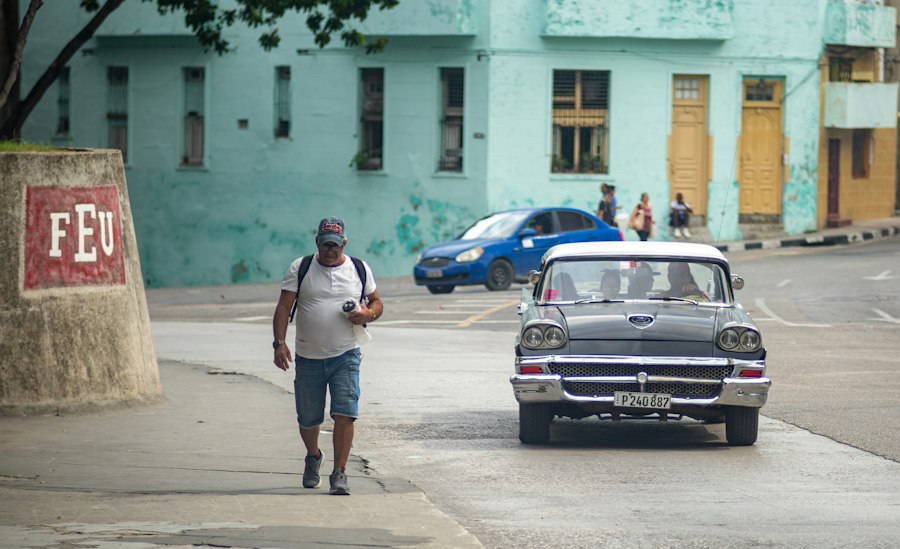
The declassified Pentagon documents offer a candid, if sometimes uncomfortable, reflection on the unforeseen consequences and the enduring lessons of U.S. policy towards Cuba. The sheer volume of materials necessitates a careful and critical analysis to discern patterns of success, failure, and the unintended outcomes that have shaped the trajectory of both nations.
The Enduring Impact of U.S. Policies
These documents underscore the profound and often unintended impact of U.S. policies on Cuban society and its political development. While the Pentagon’s primary focus was on national security and the containment of perceived threats, the ripple effects of these actions, from economic sanctions to covert operations, are laid bare. The documents offer a sobering perspective on how external pressures can shape internal dynamics, sometimes in ways that were never envisioned by the policymakers.
The Economic Embargo: A Persistent Tool
The economic embargo against Cuba, a cornerstone of U.S. policy for decades, is a frequent subject in the declassified records. The Pentagon’s assessments of the embargo’s effectiveness, its impact on the Cuban economy, and its role in influencing political change are detailed. These documents reveal the ongoing debates within the U.S. government regarding the efficacy of the embargo as a tool of foreign policy and the unintended humanitarian consequences it has sometimes wrought.
The Human Cost of Confrontation
While often framed in strategic and geopolitical terms, the declassified documents also implicitly acknowledge the human cost of the prolonged confrontation between the U.S. and Cuba. The movement of refugees, the separation of families, and the general disruption to daily life on both sides of the Florida Strait are interwoven into the broader narrative of national security concerns. While not always explicitly articulated as a primary objective, the human dimension is an undeniable undercurrent in these historical records.
The Legacy of Covert Operations
The legacy of covert operations against Cuba, as revealed in these declassified documents, continues to be a subject of intense scrutiny. The ethical and legal ramifications of some of the planned and executed operations raise persistent questions about the limits of state power and the justification for clandestine actions. The documents serve as a stark reminder of the often-unseen dimensions of international relations and the complex moral landscape in which national security decisions are made.
The Question of Effectiveness and Justification
A critical examination of these documents compels a discussion about the ultimate effectiveness and ethical justification of many of the covert operations undertaken. While some may have been designed to achieve specific strategic goals, others appear to have been born out of frustration or a desire for rapid, decisive action. The declassified materials provide the raw material for a retrospective analysis of whether these efforts achieved their intended outcomes and at what cost.
Towards a New Understanding: Future Implications
The declassification of these Pentagon documents is not merely an academic exercise; it holds significant implications for how the United States approaches its relationship with Cuba and other nations in the future. By offering a more complete and unvarnished historical record, these materials can inform contemporary policy decisions, foster a deeper understanding of past mistakes, and potentially pave the way for more effective and nuanced diplomatic engagement.
Informing Contemporary Policy Debates
These declassified documents provide essential historical context for ongoing debates about U.S.-Cuba relations. Understanding the motivations, strategies, and outcomes of past policies can help policymakers avoid repeating historical blunders and can inform the development of more pragmatic and effective approaches to diplomacy and engagement. The insights gleaned from these records can serve as a crucial corrective to simplistic or ideologically driven foreign policy prescriptions.
The Importance of Transparency and Historical Record
The process of declassification itself highlights the importance of transparency and the ongoing need to preserve and make accessible the historical record. By bringing these previously secret documents into the public domain, the Pentagon is contributing to a more informed citizenry and a more robust historical understanding of a critical period in U.S. foreign policy. This access is vital for ensuring accountability and for learning from the past to shape a better future.
The Pentagon Plan to Fake an Attack on America—and Blame Cuba
FAQs
What are the declassified Pentagon documents about Cuba?
The declassified Pentagon documents about Cuba provide insight into the United States’ military and intelligence activities related to Cuba during the Cold War era.
When were the Pentagon documents about Cuba declassified?
The Pentagon documents about Cuba were declassified in recent years, allowing researchers and the public to access previously classified information about US-Cuba relations.
What do the declassified Pentagon documents reveal about US-Cuba relations?
The declassified Pentagon documents reveal details about US military and intelligence operations in and around Cuba, including efforts to monitor and counter Cuban activities during the Cold War.
How do the declassified Pentagon documents impact our understanding of history?
The declassified Pentagon documents provide a more comprehensive understanding of the US government’s actions and strategies in relation to Cuba, shedding light on previously undisclosed information and contributing to a more nuanced historical narrative.
Where can the declassified Pentagon documents about Cuba be accessed?
The declassified Pentagon documents about Cuba can be accessed through the National Archives and Records Administration (NARA) and other government declassification programs, as well as through academic and research institutions.