Declassified: Operation Northwoods Documents Revealed
The chilling specter of a manufactured crisis, a phantom enemy conjured to justify a devastating war, is no longer confined to the realm of conspiracy theories. The declassification of the Operation Northwoods documents has unearthed a disturbing chapter in American history, revealing a meticulously planned, albeit ultimately rejected, series of proposals by the United States Department of Defense and the Joint Chiefs of Staff to stage pretexts for military intervention in Cuba during the early 1960s. These documents, released to the public through Freedom of Information Act requests over several decades, paint a stark picture of a government contemplating the unthinkable: orchestrating terror on its own soil and within its own citizenry to achieve foreign policy objectives. The revelation of Operation Northwoods serves as a potent reminder of the ethical tightrope walked by those in power and the enduring importance of transparency and historical scrutiny.
The early years of the 1960s were a period of intense geopolitical tension. The Cuban Revolution, led by Fidel Castro, had brought a communist regime to power just ninety miles off the coast of Florida, a development deeply unsettling to the United States. The Bay of Pigs invasion in 1961, a disastrous attempt to overthrow Castro, had further heightened animosities and solidified the perception of Cuba as a direct threat to American interests and national security. It was within this crucible of fear and strategic frustration that the seeds of Operation Northwoods were sown.
The Cold War Context and Cuban Antagonies
The overarching shadow of the Cold War loomed large. The ideological struggle between the United States and the Soviet Union permeated every aspect of international relations, and Cuba, with its burgeoning ties to Moscow, became a focal point of this global confrontation. The fear was not just of a communist outpost in the Western Hemisphere but also of the potential for Soviet influence to expand, threatening American dominance and security.
The Eisenhower and Kennedy Administrations’ Concerns
Both the Eisenhower and Kennedy administrations grappled with the “Cuban problem.” The initial response was to isolate Cuba economically and diplomatically. However, the failure of the Bay of Pigs invasion demonstrated the limitations of these approaches. The need for a more aggressive stance, one that could galvanize domestic and international support for direct military action, became increasingly apparent to certain elements within the U.S. government.
The Joint Chiefs of Staff’s Frustration and Bold Proposals
The Joint Chiefs of Staff, responsible for advising the President on military matters, found themselves increasingly frustrated by the lack of viable options to neutralize the perceived threat from Cuba. Traditional military strategies seemed insufficient, and political solutions proved elusive. It was in this environment of strategic impasse that the audacious, and deeply disturbing, proposals of Operation Northwoods began to take shape. The underlying philosophy was one of “pretext generation” – creating incidents that could be demonstrably blamed on Cuba, thereby justifying a strong U.S. military response.
Operation Northwoods was a proposed plan by the U.S. Department of Defense in the early 1960s that aimed to justify military intervention in Cuba through a series of covert operations. For those interested in exploring more about the implications and historical context of this controversial operation, a related article can be found at In the War Room, which delves into the declassified documents and the broader ramifications of such military strategies during the Cold War era.
The Architect of the Plan: The Joint Chiefs of Staff
The primary architects of Operation Northwoods were the Joint Chiefs of Staff, a body composed of the highest-ranking officers in each branch of the U.S. Armed Forces. Their motivation stemmed from a genuine belief that Cuba posed a significant national security threat, and that existing diplomatic and economic measures were insufficient to address it. They sought to create a scenario that would force the hand of the President and the American public, leading to a decisive military engagement.
The “Memorandum for the Secretary of Defense”
The core of Operation Northwoods is documented in a memorandum dated March 13, 1962, from the Chairman of the Joint Chiefs of Staff to the Secretary of Defense. This document outlines a variety of proposed actions, all designed to create a plausible pretext for U.S. military intervention. The chilling detail with which these potential atrocities were laid out speaks to the seriousness with which the Joint Chiefs considered these options.
Specific Scenarios and Their Rationale
The memorandum details several distinct scenarios, each with its own set of objectives and execution plans. These ranged from the seemingly minor to the horrifyingly significant. The rationale behind each was to create an undeniable casus belli, an act of aggression by Cuba that the United States could not ignore.
Hijacking Commercial Airplanes
One of the most shocking proposals involved the hijacking of commercial airliners. The plan was to hijack an American civilian aircraft, force it to land in Cuba, and then destroy it with its passengers aboard. This would undoubtedly be framed as an act of Cuban aggression, creating widespread public outrage and demands for retaliation. The selection of American citizens as victims was seen as a way to maximize the emotional impact and generate strong public support for military action. The Joint Chiefs considered the possibility of planting evidence on the aircraft that would implicate Cuba, further solidifying the false narrative.
Staging Attacks on U.S. Naval Vessels
Another proposed tactic involved staging attacks on U.S. naval vessels. The idea was to simulate attacks on American ships near Cuba, attributing them to Cuban forces. This could have ranged from small-scale harassments to more significant engagements, potentially resulting in casualties and damage to the vessels. The goal was to create a direct military confrontation that could be presented as a clear act of war initiated by Cuba. The Joint Chiefs even considered the possibility of using Soviet-made weapons in these staged attacks to further implicate the Soviet Union’s involvement in supporting Cuba.
Bombing U.S. Cities and Military Installations
Perhaps the most extreme and morally reprehensible proposals involved the bombing of U.S. cities and military installations. The Joint Chiefs considered the possibility of carrying out these attacks themselves, or by hired saboteurs, and then blaming Cuba. This would have been the ultimate act of terror, designed to generate maximum fear and outrage among the American population, making a military response seem not only justified but absolutely necessary. The targets were carefully considered to maximize symbolic impact, such as government buildings or significant landmarks, further amplifying the perceived threat.
The Proposed Targets and Methods
The operation was not a vague concept; it involved detailed planning regarding potential targets and the methods to be employed. The Joint Chiefs meticulously considered how to achieve the desired effect with minimal risk of direct attribution to the United States.
Civilian and Military Targets
The proposed targets were a chilling mix of both civilian and military assets. The intention was to create a widespread sense of vulnerability and fear.
Air and Sea Incidents
As previously mentioned, the hijacking of civilian aircraft and the staging of attacks on naval vessels were central to the proposals. The aim was to create incidents at sea and in the air, where attribution could be made to Cuban aggression. This included the possibility of “destroying” a U.S. ship in Guantanamo Bay and blaming it on Cuban forces.
The Risk of Collateral Damage and Civilian Casualties
A particularly disturbing aspect of these proposals was the explicit acknowledgment of the risk of civilian casualties. In some scenarios, the loss of American lives was presented as a necessary component to generate the desired level of public outcry and political will for intervention. This highlights a disturbing detachment from the human cost of such gambits.
The Use of Deception and Misinformation
Deception and misinformation were integral to the success of Operation Northwoods. The goal was to manipulate public perception and create a false narrative.
Fabricating Evidence and Propaganda
The Joint Chiefs envisioned the use of fabricated evidence and a sophisticated propaganda campaign to ensure that the blame for any incidents fell squarely on Cuba. This included the potential for planting “Cuban” documents or weapons at the scene of an incident.
Controlling the Narrative Through Media Manipulation
The plan also included strategies for controlling the media narrative, ensuring that the U.S. public received a carefully curated version of events that supported the justification for war. This involved working with sympathetic media outlets and potentially suppressing dissenting voices.
The Rejection of Operation Northwoods
Despite the detailed planning and the apparent conviction of the Joint Chiefs of Staff, Operation Northwoods was ultimately rejected. The reasons for its rejection are multifaceted and point to the checks and balances that, in this instance, prevented a catastrophic course of action.
President Kennedy’s Role and Decision
President John F. Kennedy played a pivotal role in the rejection of Operation Northwoods. While the full extent of his direct involvement in the decision-making process is subject to historical interpretation, the available evidence suggests he was aware of the proposals and ultimately chose not to authorize them.
The Ethical and Moral Objections
It is widely believed that President Kennedy, along with other key figures in his administration, harbored significant ethical and moral objections to the proposed operations. The idea of deliberately harming innocent civilians, even to achieve a strategic objective, was likely deemed unconscionable.
The “Doubtful Legality and Morality” Clause
Some accounts suggest that President Kennedy was presented with the proposals and explicitly rejected them due to their dubious legality and questionable morality. The potential for catastrophic blowback and the irreversible damage to America’s international standing were also likely significant considerations.
Civilian Oversight and Internal Dissent
The rejection of Operation Northwoods was not solely the prerogative of the President. Elements of civilian oversight within the Department of Defense and potentially within the intelligence community also played a role.
The Role of Robert McNamara
Robert McNamara, the Secretary of Defense at the time, is often cited as a figure who may have had reservations about the more extreme proposals. While his direct opposition is not definitively documented in the declassified memos themselves, his position as Secretary of Defense placed him in a crucial oversight role.
The Importance of Checks and Balances
The ultimate rejection of Operation Northwoods serves as a testament to the importance of checks and balances within the U.S. government. Even proposals from the highest military echelons can be scrutinized and ultimately rejected by civilian leadership and established oversight mechanisms.
The declassified documents surrounding Operation Northwoods reveal a chilling plan that involved staging false flag operations to justify military intervention in Cuba. For those interested in exploring the broader implications of such covert actions, an insightful article can be found at this link, which discusses the historical context and the ethical dilemmas associated with government-sanctioned deception. Understanding these events is crucial for grasping the complexities of international relations and the lengths to which governments may go to achieve their objectives.
The Legacy and Implications of Operation Northwoods
| Document Title | Date Declassified | Summary |
|---|---|---|
| Operation Northwoods | November 18, 1997 | Declassified documents revealed a plan developed by the U.S. Department of Defense to stage false flag terrorist attacks to justify military intervention in Cuba. |
The declassification of Operation Northwoods has had profound implications for our understanding of historical events and the potential for governmental overreach. It continues to be a subject of intense scrutiny and debate.
The Erosion of Trust and Increased Skepticism
The revelation of Operation Northwoods has undoubtedly eroded public trust in government and fueled skepticism regarding official narratives, particularly in times of conflict. It has provided concrete evidence for those who have long suspected that governments might be capable of manufacturing crises.
The “False Flag” Conspiracy Theory Debate
Operation Northwoods has become a central piece of evidence in the ongoing debate surrounding “false flag” operations. While proponents of the theory point to these documents as proof of governmental willingness to orchestrate attacks, critics argue that the rejection of the plan demonstrates the system’s ability to self-correct.
The Importance of Transparency and Accountability
The declassification process itself underscores the critical importance of transparency and accountability. The public’s right to know about the actions and deliberations of its government is paramount, especially when those deliberations involve actions with potentially devastating consequences.
A Cautionary Tale for Future Policymaking
Operation Northwoods stands as a stark cautionary tale for policymakers and military strategists. It highlights the ethical boundaries that must not be crossed, even in pursuit of perceived national security interests.
The Dangers of Unchecked Military Power
The proposals demonstrate the potential dangers of unchecked military power and the need for robust civilian oversight in matters of national security. The Joint Chiefs, driven by a specific strategic imperative, were willing to contemplate extreme measures that could have had catastrophic global repercussions.
The Enduring Relevance of Historical Scrutiny
The continued study and analysis of Operation Northwoods are vital. It serves as a constant reminder of the fragility of peace, the importance of ethical decision-making in times of crisis, and the necessity of vigilant public scrutiny of governmental actions. The declassified documents, while disturbing, offer invaluable insights into the complex and often morally fraught landscape of international relations and the enduring struggle to maintain democratic principles even under the immense pressures of perceived threat.
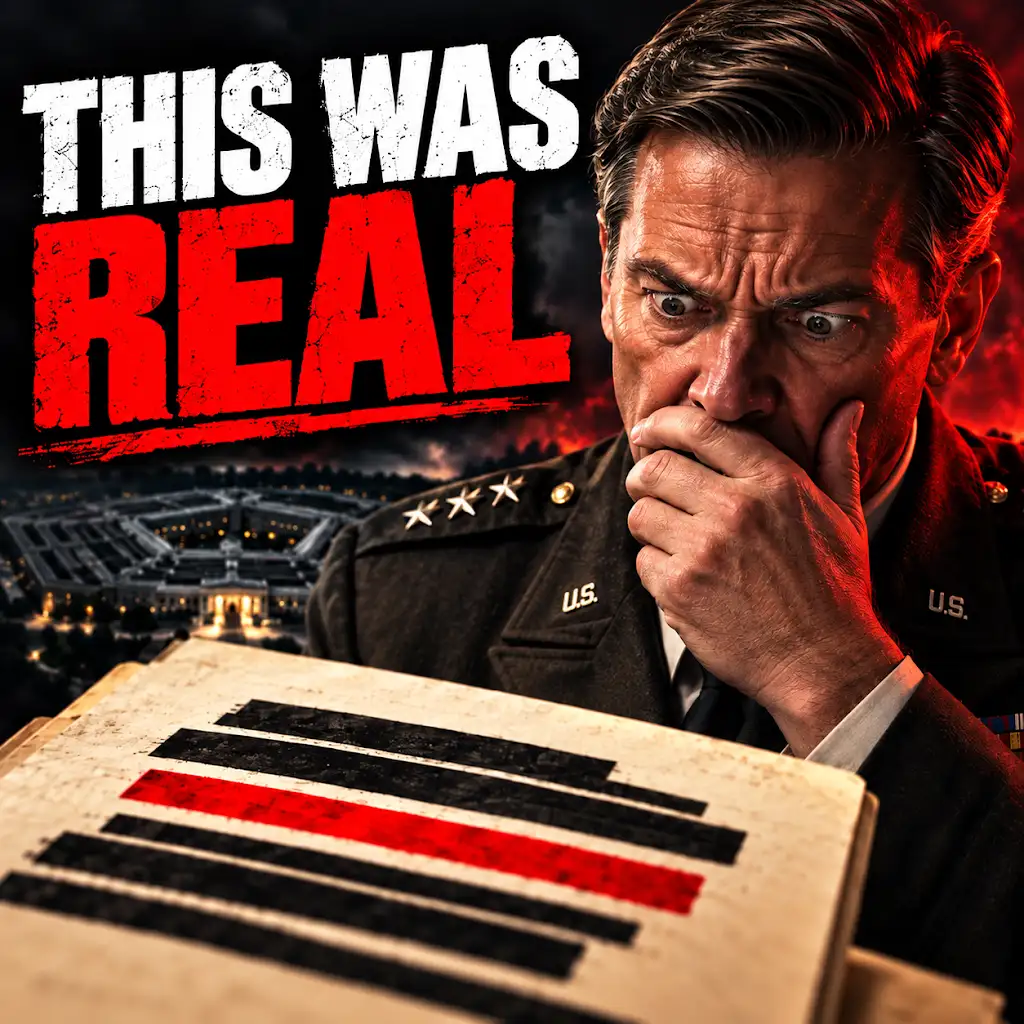
The Pentagon Plan to Fake an Attack on America—and Blame Cuba
FAQs
What are the Operation Northwoods declassified documents?
The Operation Northwoods declassified documents are a collection of memoranda, reports, and other materials related to a proposed false flag operation by the U.S. Department of Defense in the early 1960s.
What was the purpose of Operation Northwoods?
The purpose of Operation Northwoods was to create a pretext for military intervention in Cuba by staging a series of false flag attacks, including hijackings, bombings, and other acts of terrorism, and blaming them on the Cuban government.
When were the Operation Northwoods documents declassified?
The Operation Northwoods documents were declassified and released to the public in 1997 as part of a larger release of documents related to the assassination of President John F. Kennedy.
What was the public reaction to the declassification of Operation Northwoods documents?
The declassification of the Operation Northwoods documents sparked controversy and debate, with some expressing shock and disbelief at the proposed actions, while others saw it as a historical example of the lengths to which governments may go to achieve their geopolitical objectives.
What impact did the Operation Northwoods documents have on U.S. government policy?
While the proposed Operation Northwoods was ultimately rejected by President Kennedy and his administration, the declassified documents have raised questions about the potential for similar covert operations and the ethical considerations of using false flag tactics for political and military purposes.