
So, you’ve heard the buzz about declassified documents shedding new light on moon mysteries. It’s a fascinating thought, isn’t it? The idea that official records, once locked away, might hold answers to long-standing questions about our closest celestial neighbor. Well, the short answer is: yes, declassified documents have revealed information that adds nuance and context to our understanding of lunar exploration and the challenges involved, but they haven’t necessarily unearthed a single, dramatic “moon mystery” in the way a sensational headline might imply. Instead, they often confirm what many scientists and historians already suspected: space exploration is incredibly complex, fraught with unknowns, and that even successful missions involved extensive planning, problem-solving, and sometimes, close calls.
Unpacking the “Declassified” Aspect
When we talk about “declassified documents,” it’s important to understand what that really means. It’s not usually about a single, earth-shattering revelation that changes everything we thought we knew. More often, it’s about a gradual release of information that was previously restricted due to national security, ongoing research, or simply because the sheer volume of data was overwhelming. These documents can range from internal memos and mission logs to scientific reports and debriefings.
- Why Declassify? The reasons are varied. Sometimes it’s to acknowledge historical milestones, to allow for broader scientific study, or to provide a more complete picture for educational purposes. For agencies like NASA, it’s also a way to be transparent about their past endeavors.
- What Kind of Documents? Think detailed technical specifications for spacecraft, communications transcripts between ground control and astronauts, analyses of lunar samples, and even records of the political and budgetary pressures that influenced missions.
- The “Mystery” Angle: The “mystery” often arises from how these documents are interpreted or presented. A record of a minor technical glitch that was successfully overcome might be framed as a “near disaster averted,” or a detailed analysis of a peculiar geological formation might be spun as evidence of something extraordinary. It’s about separating established facts from speculative interpretations.
The recent declassification of documents related to the Moon mystery has sparked significant interest among researchers and enthusiasts alike. For those looking to delve deeper into this intriguing subject, a related article can be found at this link, which explores various theories and findings surrounding the enigmatic aspects of lunar exploration.
Early Lunar Missions: More Than Just Flags and Footprints
The declassified records from the early days of lunar exploration, particularly the Apollo program, offer a richer, more granular view of the immense effort involved. These weren’t simple excursions; they were audacious, groundbreaking missions that pushed the boundaries of human knowledge and engineering.
The Engineering Tightrope Walk
The sheer ingenuity required to get humans to the moon and back is a recurring theme in these documents. Every component, every calculation, had to be perfect.
- Software Shenanigans: One of the most frequently discussed aspects in declassified materials involves the software that ran the Apollo Guidance Computer. It was groundbreaking for its time, but also incredibly limited by today’s standards. Debriefs and technical reports reveal how engineers and astronauts had to be incredibly resourceful and sometimes work around software limitations in real-time. For instance, the famous “1201” and “1202” alarms during the Apollo 11 landing were caused by the computer being overloaded with data. Declassified logs show the frantic but ultimately successful efforts to understand and manage these alarms, demonstrating the human element in overcoming technological hurdles.
- Hardware Hurdles: Beyond software, the physical hardware was also a marvel of its era. Examining blueprints, test results, and failure analyses reveals the constant battle against weight, power consumption, and reliability. Even seemingly minor components had to undergo rigorous testing, and the declassified records showcase the meticulous processes involved in ensuring everything would function in the unforgiving vacuum of space.
The Human Element: Courage and Calculated Risks
The declassified documents also paint a vivid picture of the astronauts themselves. Their training, their psychological resilience, and their decision-making under immense pressure are all documented.
- Astronaut Communications: Transcripts of astronaut conversations, often released years later, provide an unvarnished look at their experiences. They reveal moments of awe, humor, fear, and immense focus. These aren’t just dry reports; they are human voices relaying extraordinary events.
- Decision-Making Under Duress: Mission control logs and debriefing reports detail critical junctures where decisions had to be made quickly, with incomplete information. These records highlight the trust placed in the astronauts and the ground crew, and the sophisticated processes in place for managing unforeseen circumstances. For example, discussions about potential abort scenarios or adjustments to landing trajectories show the constant assessment of risk and reward.
Beyond Apollo: Unveiling the Moon’s Secrets
While Apollo often dominates the conversation, declassified documents also pertain to subsequent lunar missions and scientific investigations, offering deeper insights into the Moon’s geology, history, and potential resources.
Lunar Samples: A Scientific Treasure Trove
The rocks and soil brought back from the Moon by the Apollo missions are still being studied today. Declassified reports detail the initial analysis and the ongoing scientific debate surrounding their origins and implications.
- Initial Assessments: Reports from the early 1970s on lunar sample analysis reveal the initial excitement and confusion scientists experienced. The unexpected composition of some samples led to new theories about the Moon’s formation, diverging from earlier assumptions.
- The Big Impact Hypothesis: The data from these samples, combined with other evidence, strongly supports the “Giant Impact Hypothesis” for the Moon’s formation – the idea that a Mars-sized object collided with early Earth. Declassified scientific papers and internal discussions show how this hypothesis gained traction as more data became available and was scrutinized.
- Isotopic Anomalies: Certain isotopic ratios found in lunar samples, which differ from Earth rocks, have been a subject of intense study. Declassified documents can sometimes provide insights into the early stages of these investigations and the challenges in interpreting these subtle but significant differences.
Evidence of Water and Other Volatiles
For a long time, the Moon was considered a bone-dry world. However, more recent declassified findings, coupled with data from various probes, have changed that perception significantly.
- Early Hints: While not always explicitly stated as “mystery,” earlier declassified reports from unmanned probes might contain data that, in hindsight, hinted at the presence of hydrogen or other potential water indicators. It’s often a case of interpreting older data with new understanding.
- Polar Ice: Discoveries of water ice in the permanently shadowed craters at the Moon’s poles are a more recent development. While the primary discoveries are from relatively recent missions, the groundwork for understanding the Moon’s potential for retaining volatiles was laid by earlier scientific investigations, some of whose findings might have been restricted for a time. Declassified reports from early radar mapping or spectral analysis missions could offer precursors to these later findings.
- Resource Potential: The presence of water ice and other volatile compounds has significant implications for future lunar exploration and habitation. Declassified studies on the chemical composition of lunar regolith might have explored the potential for extracting these resources, even if the technology to do so was not yet available.
The “Alien Artifact” Question: What the Documents Don’t Say
It’s impossible to discuss declassified documents and moon mysteries without addressing the persistent theories about alien presence or hidden structures on the Moon. It’s a popular subject, but the reality of declassified information tends to be far more grounded.
- Misinterpretations of Natural Phenomena: Many alleged “mysteries” that find their way into public discourse are often misinterpretations of natural geological formations, lighting conditions, or even photographic artifacts. Declassified documents detailing geological surveys and high-resolution imaging of lunar surfaces typically explain these features in purely scientific terms.
- Paranormal and Extraterrestrial Claims: While some individuals or groups may claim that declassified documents support extraterrestrial theories, rigorous examination of publicly released documents generally does not bear this out. The information is typically technical, operational, or scientific in nature, focused on the mechanics of exploration and the Moon’s physical characteristics.
- The Absence of Evidence: The lack of any credible evidence for alien artifacts or structures in officially declassified government documents is itself a significant point. If such evidence existed and were to be declassified, it would undoubtedly be a groundbreaking revelation. However, the current body of declassified material does not support such claims. The “mystery” here lies more in the human tendency to seek the extraordinary rather than in concrete findings within the documents themselves.
Recent revelations surrounding the Moon have sparked significant interest, particularly with the declassified documents shedding light on various lunar mysteries. For those intrigued by the implications of these findings, a related article discusses the historical context and the potential impact on our understanding of space exploration. You can read more about it in this insightful piece on the War Room, which delves deeper into the secrets that have been kept hidden for decades.
The Ongoing Process of Revelation
The declassification of documents is not a one-time event. It’s a continuous process, meaning that new information will likely emerge over time, adding further layers to our understanding of lunar exploration and the Moon itself.
- Future Declassifications: As time passes and national security concerns evolve, more documents related to space exploration are likely to become available. This could include further details on the later Apollo missions, early unmanned probes, and even information related to international lunar programs.
- The Role of Historians and Scientists: These declassified documents are invaluable resources for historians, scientists, and researchers. They allow for a more complete and accurate reconstruction of past events, scientific discoveries, and technological advancements.
- Connecting the Dots: Often, the true value of declassified documents is in their ability to connect previously disparate pieces of information. By reading internal memos alongside scientific reports and mission logs, researchers can gain a more holistic understanding of the challenges, successes, and evolving knowledge surrounding lunar exploration.
In conclusion, while declassified documents haven’t revealed a smoking gun for alien conspiracies or a hidden city on the Moon, they have significantly enriched our understanding of the immense human achievement that was lunar exploration. They highlight the technical prowess, the courage of individuals, and the complex scientific endeavors that have brought us closer to understanding our celestial neighbor. The “mystery” often lies in the vastness of the endeavor itself, and in the ongoing process of discovery that these documents help to illuminate.
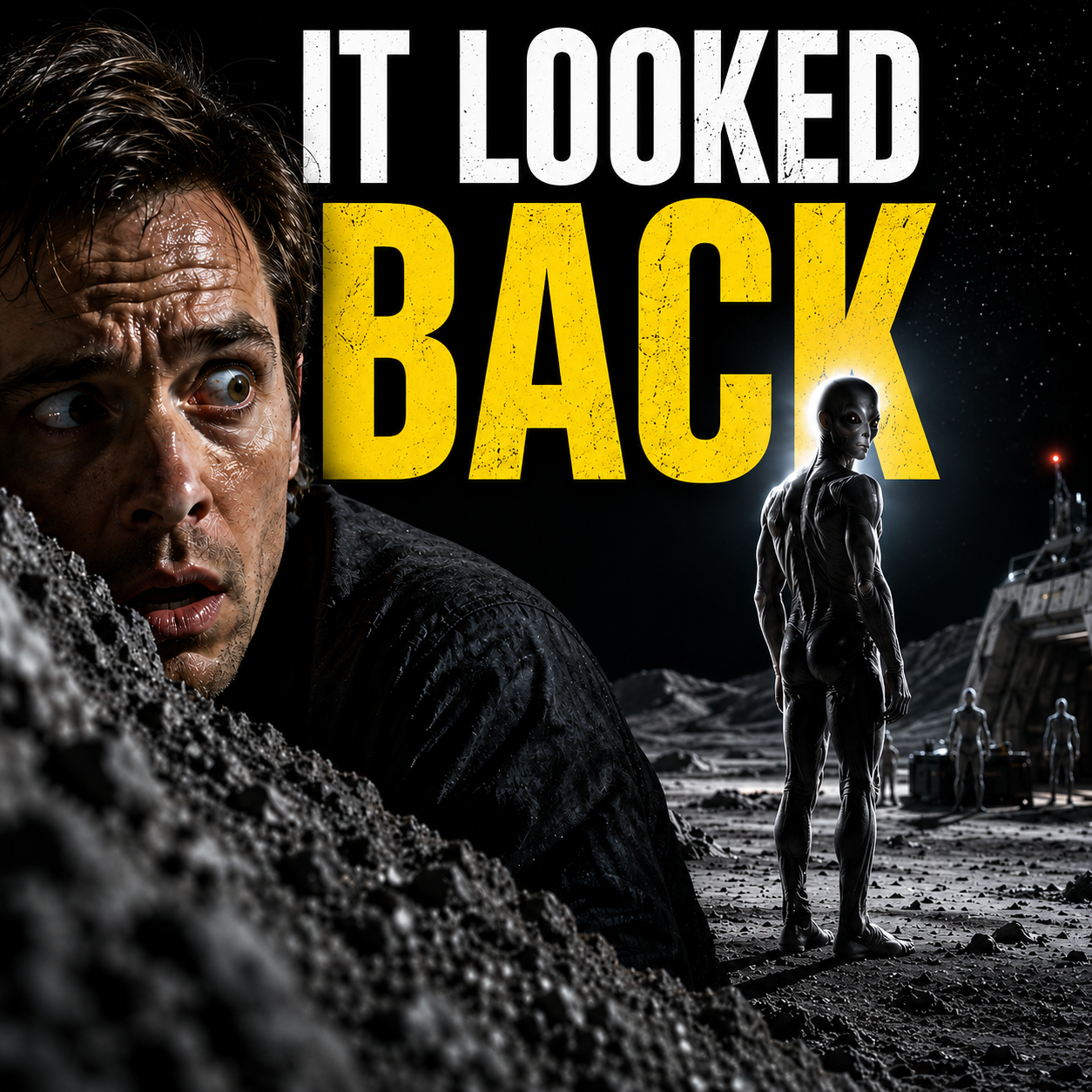
He Remote Viewed the Moon. Then Something Saw Him.
FAQs

What are the declassified documents about the moon mystery?
The declassified documents about the moon mystery pertain to previously undisclosed information about lunar anomalies, strange sightings, and unexplained phenomena observed during NASA’s Apollo missions.
What kind of information do the declassified documents reveal?
The declassified documents reveal information about unusual sightings, unexplained events, and mysterious occurrences that were observed by astronauts during their missions to the moon.
Why were these documents classified in the first place?
The documents were classified in order to protect sensitive information and prevent the spread of misinformation or panic. They were also kept classified to maintain national security and prevent potential adversaries from gaining insight into the United States’ space exploration activities.
What impact do these declassified documents have on our understanding of the moon?
The declassified documents have the potential to challenge our current understanding of the moon and its history. They may also prompt further investigation and research into lunar anomalies and unexplained phenomena.
Where can the public access these declassified documents?
The declassified documents can be accessed through the Freedom of Information Act (FOIA) or through official government archives and repositories. Some documents may also be available through online databases and research institutions.