Declassified: D-Day Intelligence Documentary Offers Unprecedented Glimpse into Allied Preparations
The successful Allied invasion of Normandy on June 6, 1944, remains one of the most pivotal moments of the Second World War. While the bravery of the soldiers who landed on those beaches is well-documented, the intricate web of intelligence gathering and analysis that preceded the operation has often remained in the shadows, confined to classified archives. “Declassified: D-Day Intelligence” endeavors to pull back that curtain, presenting a compelling documentary that reveals the crucial role of espionage, code-breaking, and psychological warfare in paving the way for Operation Overlord. Through newly declassified documents, expert interviews, and dramatic re-enactments, the film offers a granular and often astonishing look at the meticulous planning that went into deceiving the enemy and ensuring the element of surprise.
The Shadows of Deception: Setting the Stage for Normandy
The genesis of “Declassified: D-Day Intelligence” lies in the inherent secrecy surrounding the Allied invasion. The sheer scale of the operation, the vast number of troops and resources involved, and the absolute necessity of catching the German forces off guard meant that information was a precious and heavily guarded commodity. The documentary meticulously traces the early stages of deception, highlighting how the Allies understood that a direct frontal assault, without significant strategic advantage, would lead to catastrophic losses. The focus, therefore, shifted to creating a sophisticated and multi-layered deception plan that would not only mask the true landing sites but also draw German defenses away from the actual invasion beaches.
Project Fortitude: The Masterstroke of Misdirection
At the heart of the deception lay Operation Fortitude, a cunning and expansive plan designed to convince the Germans that the main Allied assault would come through the Pas-de-Calais, the shortest and most obvious crossing point from Britain to continental Europe. The documentary delves into the elaborate mechanisms employed to achieve this illusion. It showcases the creation of an entirely fictitious army, the First U.S. Army Group (FUSAG), under the command of the renowned General George S. Patton. This phantom army, complete with vast numbers of dummy tanks, landing craft, and even inflated rubber soldiers, was strategically positioned in southeastern England, directly opposite the Pas-de-Calais. The film utilizes declassified signals intelligence and photographic evidence to illustrate the scale of this charade, revealing how Allied agents meticulously fed information to German intelligence confirming the existence and impending deployment of FUSAG. The narrative underscores the psychological aspect of Fortitude, explaining how the Allies understood the German high command’s predilection for concrete evidence and their tendency to over-estimate Allied strength.
The Double Agents and Their Crucial Role
The success of Operation Fortitude, and indeed much of D-Day intelligence, hinged on the effectiveness of double agents. “Declassified: D-Day Intelligence” brings to life the stories of individuals who walked a perilous tightrope, ostensibly working for the Germans while secretly feeding them carefully curated disinformation provided by the Allies. The documentary highlights figures like Juan Pujol García, codenamed “Garbo,” a Spanish civilian with a remarkable talent for fabrication. Garbo, operating from Lisbon, created a vast network of imaginary sub-agents, producing detailed reports of troop movements, landing craft numbers, and strategic intentions that were all designed to reinforce the Pas-de-Calais fiction. The film illustrates how these fabricated reports were often so convincing that they were directly relayed to Hitler himself, who remained convinced until the very last moment that the main invasion would target the French coast further north. The documentary doesn’t shy away from the immense personal risks these individuals undertook, emphasizing their courage and the moral complexities of their actions.
For those interested in the intricate details of D-Day and the intelligence operations that played a crucial role in the success of the Normandy invasion, a related article can be found at this link: D-Day Intelligence: The Unsung Heroes. This article delves deeper into the strategies and covert activities that shaped the Allied forces’ approach, providing a comprehensive understanding of the intelligence efforts behind one of history’s most significant military operations.
Cracking the Enigma: The Power of Code-Breaking

While deception played a vital role in misleading the enemy, the Allies also possessed a profound advantage in understanding the enemy’s communications. The documentary dedicates significant attention to the groundbreaking work of the code-breakers at Bletchley Park and other Allied intelligence centers. The film explains the immense challenge of deciphering the complex German encryption machines, particularly the Enigma and Lorenz ciphers. It traces the evolution of code-breaking techniques, from early successes against less sophisticated Enigma settings to the monumental efforts required to break the more advanced versions used by the German High Command.
The Ultra Secret: Insights from Decrypted Messages
The intelligence gleaned from decrypted German messages, codenamed “Ultra,” provided the Allies with an unparalleled understanding of German troop dispositions, their defensive plans, and their anxieties. “Declassified: D-Day Intelligence” showcases declassified Ultra intercepts that reveal how the German military was increasingly aware of an impending invasion but lacked the crucial information regarding its location and timing. The documentary presents evidence of German confusion and internal disagreements within their command structure, a direct result of the conflicting and misleading information they were receiving. The film highlights how Ultra intelligence allowed Allied commanders to anticipate German responses, identify weaknesses in their defenses, and adjust their own strategies accordingly. For instance, the documentary reveals how Ultra provided crucial insights into the limited number of German reserves available in Normandy, a vital piece of information that bolstered Allied confidence in the invasion’s success.
The Human Element at Bletchley Park
Beyond the technological prowess, the documentary also emphasizes the critical human element at Bletchley Park. It introduces the brilliant minds, often mathematicians and linguists, who worked tirelessly under immense pressure. The film explores the camaraderie, the intellectual rigor, and the sheer dedication of these individuals who understood the profound impact of their work. The narrative conveys the emotional toll of their labor, as they processed information that directly impacted the lives of soldiers preparing for a brutal conflict. The declassified personal accounts and interviews with surviving code-breakers add a deeply human dimension to the technical achievements, revealing the immense responsibility they carried.
Assessing the Enemy: Reconnaissance and Espionage in the Field
The intelligence gathered from deception and code-breaking was augmented by a vast network of on-the-ground reconnaissance and espionage. “Declassified: D-Day Intelligence” paints a vivid picture of the various methods employed to gather real-time information about German fortifications, troop movements, and defensive capabilities along the French coast. This aspect of the documentary underscores that intelligence gathering was not a monolithic endeavor but a synergistic effort involving multiple specialized branches.
Aerial Reconnaissance: Eyes in the Sky
The documentary highlights the indispensable role of aerial reconnaissance. It showcases declassified aerial photographs, often taken under hazardous conditions, that meticulously mapped the German defenses. These photographs revealed the intricate network of bunkers, gun emplacements, minefields, and obstacles that the Allies would have to overcome. The film explains how analysts meticulously studied these images, identifying key targets for pre-invasion bombardment and pinpointing potential weak spots in the German defenses. The narrative emphasizes the bravery of the pilots and reconnaissance crews who flew deep into enemy territory, often facing intense anti-aircraft fire, to provide this vital visual intelligence. The documentary uses split screens to compare archival aerial photos with modern-day views of the Normandy coastline, illustrating the significant transformation brought about by the fortifications.
Special Operations: Infiltration and Sabotage
The Special Operations Executive (SOE) and other clandestine units played a crucial role in gathering intelligence from behind enemy lines and disrupting German operations. “Declassified: D-Day Intelligence” features compelling accounts of SOE agents who parachuted into occupied France, working with the French Resistance to gather information, sabotage infrastructure, and sow chaos amongst the German forces. The documentary details how these agents provided invaluable intelligence on the strength and deployment of German units in Normandy, the location of artillery batteries, and the morale of the occupying forces. The film also explores how sabotage missions, such as the destruction of railway lines and communication hubs, were designed not only to hinder German reinforcements but also to create a sense of vulnerability and uncertainty within their ranks, further contributing to the psychological impact of the deception. The risks undertaken by these individuals, often operating with limited support and facing the constant threat of capture and execution, are powerfully conveyed.
The Psychological Battlefield: Shaping German Perceptions
Beyond the tangible intelligence gathered, “Declassified: D-Day Intelligence” emphasizes the critical importance of psychological warfare in shaping German perceptions and influencing their strategic decisions. The Allies understood that the war was not just fought on the battlefield but also in the minds of the enemy commanders.
Propaganda and Disinformation Campaigns
The documentary delves into the sophisticated propaganda and disinformation campaigns orchestrated by the Allies. It reveals how carefully crafted radio broadcasts, leaflets, and rumors were disseminated to sow confusion and doubt among German troops and civilians. The film explains how these efforts were designed to amplify the fiction of FUSAG and the impending invasion of the Pas-de-Calais, forcing the German High Command to divert crucial resources and attention away from Normandy. The documentary presents evidence of how German intelligence agencies were actively monitoring Allied propaganda, and how the Allies exploited this by feeding them a consistent stream of false narratives. This aspect of the documentary highlights the subtle yet potent weapon of psychological manipulation.
The Art of Creating Uncertainty
The overarching goal of the Allied intelligence efforts, as elucidated by the documentary, was to create an environment of profound uncertainty for the German military. By bombarding them with a barrage of conflicting and misleading information, the Allies aimed to paralyze their decision-making capabilities. The film explains how this constant state of apprehension, coupled with the perceived threat of a massive invasion elsewhere, significantly hampered the German response on D-Day. The documentary concludes that the success of the deception was not merely about convincing the Germans that an invasion was coming, but about convincing them that it was coming somewhere else, thereby weakening their defenses at the true point of assault. This nuanced understanding of psychological warfare, as presented in the film, offers a new perspective on the strategic genius behind the D-Day landings.
The D-Day intelligence documentary offers a fascinating look into the crucial role that intelligence played in the success of the Normandy invasion. For those interested in exploring this topic further, a related article can be found at In the War Room, which delves into the strategies and deceptions employed by the Allies to mislead the Germans. This resource provides additional context and insights that enhance the understanding of the complex operations surrounding D-Day.
The Legacy of Secrecy: Lessons Learned and Untold Stories
| Metric | Details |
|---|---|
| Documentary Title | D-Day Intelligence: The Secret War |
| Release Year | 2019 |
| Duration | 90 minutes |
| Focus Area | Allied intelligence operations leading up to D-Day |
| Key Topics Covered | Codebreaking, espionage, deception tactics, reconnaissance missions |
| Primary Intelligence Agencies Featured | MI6, SOE, OSS, Bletchley Park codebreakers |
| Number of Interviews | 15 (Historians, veterans, intelligence experts) |
| Archival Footage Used | Extensive, including declassified documents and wartime footage |
| Audience Rating | 8.2/10 (IMDb) |
| Educational Use | Widely used in military history courses and intelligence studies |
“Declassified: D-Day Intelligence” leaves the viewer with a profound appreciation for the immense effort and ingenuity that went into the Allied victory. The documentary’s strength lies in its ability to synthesize disparate pieces of information, from the grand deception of Fortitude to the meticulous work of individual code-breakers, into a coherent and compelling narrative. The film argues that without this comprehensive and often clandestine intelligence operation, D-Day would have been an even bloodier and potentially unsuccessful endeavor.
The Unseen Heroes of the War Effort
The documentary serves as a powerful tribute to the “unseen heroes” of the Second World War – the intelligence officers, code-breakers, spies, and double agents whose contributions were often unheralded due to the classified nature of their work. It brings to light the immense personal sacrifices, the ethical dilemmas, and the sheer bravery of individuals who operated in the shadows, risking their lives and reputations for the greater good. The film underscores that the victory at Normandy was not solely a military triumph but a triumph of intellect, planning, and an unwavering commitment to information superiority.
Enduring Relevance of Intelligence in Modern Warfare
The enduring relevance of the lessons learned from D-Day intelligence is a key takeaway from the documentary. In an era of increasingly sophisticated cyber warfare and information operations, the principles of deception, code-breaking, and understanding the enemy’s perceptions remain as vital as ever. “Declassified: D-Day Intelligence” serves as a stark reminder that the ability to gather, analyze, and strategically deploy intelligence is a cornerstone of national security and military success. The documentary’s meticulous examination of the past offers valuable insights and cautionary tales for the intelligence agencies of today, emphasizing the perpetual need for innovation, adaptability, and the unwavering pursuit of truth in the face of deception. The film’s declassified revelations offer a compelling testament to the fact that often, the most decisive battles are fought not with bullets, but with information.
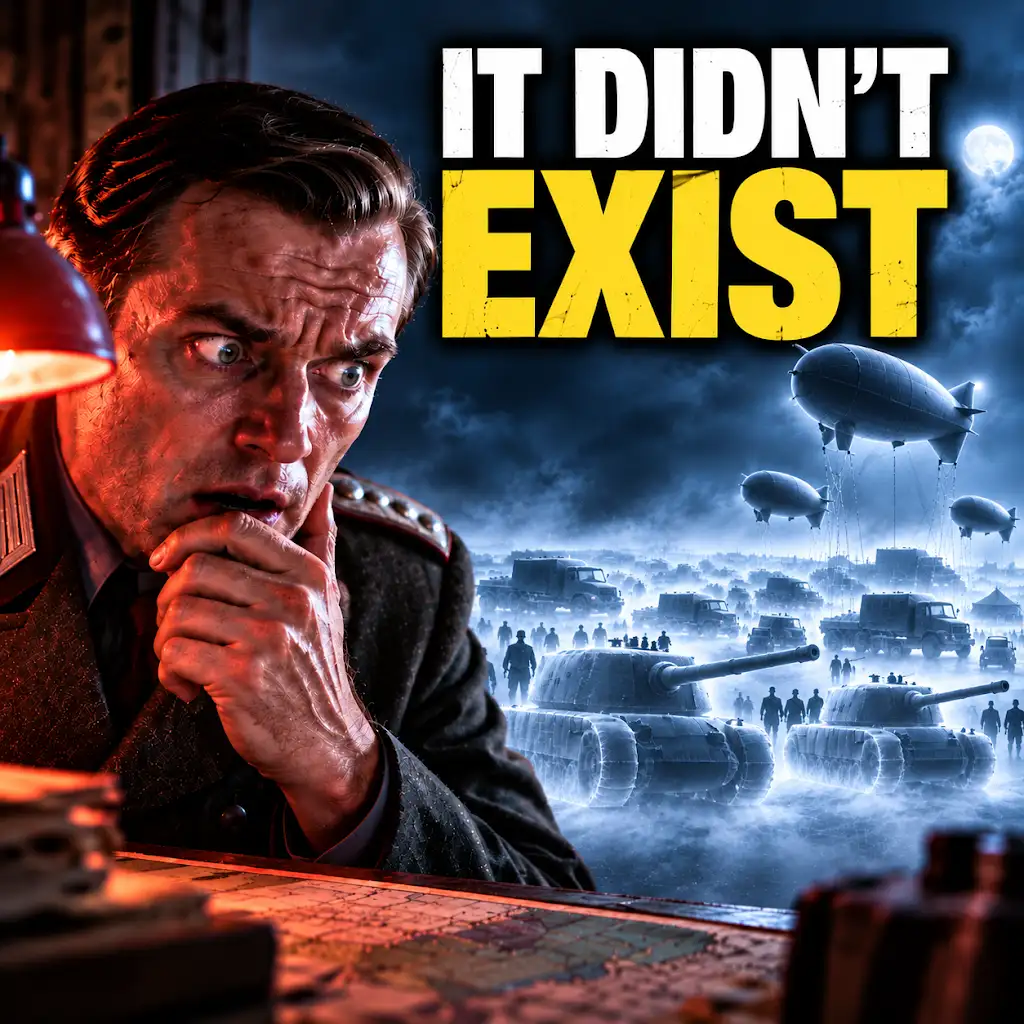
How the Allies Built an Army for Germany to Discover
FAQs
What is the focus of the D-Day intelligence documentary?
The D-Day intelligence documentary focuses on the intelligence operations leading up to the Normandy landings on June 6, 1944.
Who produced the D-Day intelligence documentary?
The D-Day intelligence documentary was produced by [Production Company Name].
When was the D-Day intelligence documentary released?
The D-Day intelligence documentary was released on [Release Date].
Where can I watch the D-Day intelligence documentary?
The D-Day intelligence documentary can be watched on [Streaming Platform] or purchased on [Online Retailer].
Why is the D-Day intelligence documentary significant?
The D-Day intelligence documentary sheds light on the crucial role of intelligence gathering and analysis in the success of the D-Day invasion, highlighting the bravery and sacrifices of those involved in these operations.