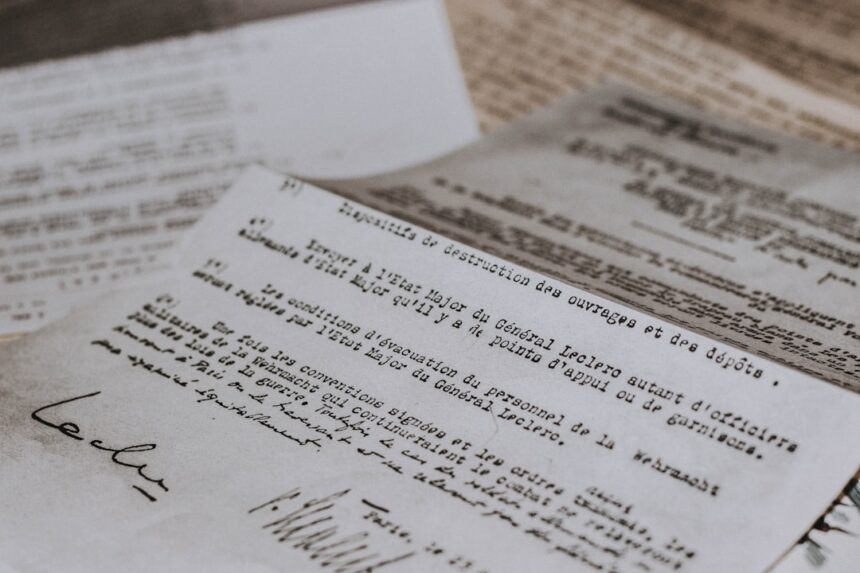
The veil of secrecy surrounding pivotal moments in American history is not an impermeable barrier. Across decades, and sometimes centuries, declassified documents have served as keys, unlocking doors to previously hidden narratives, challenging established interpretations, and offering a more nuanced understanding of the nation’s past. These once-classified records, ranging from presidential directives and intelligence reports to diplomatic communiques and personal correspondence, provide an invaluable window into the machinations, motivations, and human experiences that have shaped the United States. Their declassification is not merely an academic exercise; it is a vital part of democratic accountability, allowing citizens to scrutinize the actions of their government and to confront the complexities of their national story.
The inner workings of the Oval Office have long been a subject of intense speculation and historical inquiry. Declassified presidential archives, including the papers of presidents themselves, their close advisors, and their administrations, have consistently revealed the intricate decision-making processes, the compromises, and the ethical dilemmas that characterized their time in power. These documents often paint a picture far removed from the carefully crafted public pronouncements, offering a raw and often surprising glimpse into the pressures and considerations that guided the most consequential choices made in the nation’s history.
The Cold War Crucible: Decisions Made in the Shadow of Nuclear Annihilation
The Cold War, a period defined by existential threat and geopolitical maneuvering, is a prime example of how declassified documents have reshaped our understanding of presidential decision-making. For decades, the public and many historians operated with incomplete information, relying on speculation and later memoirs to piece together the intricate dance of diplomacy and brinkmanship.
Project Manhattan and the Dawn of the Atomic Age
The decision to develop and deploy atomic weapons was one of the most profound and ethically fraught choices in American history. Declassified documents related to the Manhattan Project, including scientific reports, internal memos, and presidential discussions, have shed light on the intense scientific race, the evolving strategic considerations, and the moral quandaries faced by President Truman and his advisors. These records reveal the internal debates about the necessity and morality of using such a devastating weapon, the considerations that led to the bombing of Hiroshima and Nagasaki, and the long-term implications that were only beginning to be understood at the time. Examining these documents allows for a more critical assessment of the rationale behind these actions and their lasting impact on international relations.
The Cuban Missile Crisis: Behind the Scenes of a World on the Brink
The Cuban Missile Crisis, a 13-day confrontation in October 1962 that brought the United States and the Soviet Union to the precipice of nuclear war, is another period where declassified materials have been crucial. Previously, accounts were largely based on hindsight and selective revelations. However, the release of records from the National Security Archive, including transcripts of ExComm (Executive Committee of the National Security Council) meetings, presidential phone calls, and intelligence assessments, has provided an unprecedented level of detail about the internal deliberations. These documents reveal the intense debates between advisors advocating for military action and those pushing for diplomatic solutions, the critical role of communication (and miscommunication), and the profound personal anxieties experienced by President Kennedy and his team. They highlight the delicate balance of power, the miscalculations, and the sheer luck that ultimately averted global catastrophe.
The Vietnam War: Reconstructing the Path to Escalation
The Vietnam War remains a deeply divisive and painful chapter in American history. Declassified documents from this era, including the Pentagon Papers, have been instrumental in understanding the complex and often contradictory reasons behind the United States’ involvement and eventual escalation. These records have exposed internal skepticism about the war’s objectives and feasibility within the government itself, even as public policy pushed for greater military commitment.
The Pentagon Papers: Unmasking Government Deception
The unauthorized leak and subsequent publication of the Pentagon Papers in 1971, a top-secret history of the U.S. political and military involvement in Vietnam from 1945 to 1967, was a watershed moment. While not technically “declassified” in the traditional sense at the time of their release, their impact mirrored that of declassified documents by revealing a stark contrast between public pronouncements and private assessments. The papers detailed how successive administrations had misled the public about the progress and rationale of the war. Their declassification years later has allowed for a more thorough academic analysis of the internal dissent, the flawed assumptions, and the political calculations that drove American policy.
In exploring the intricate details of American history, the declassified documents provide invaluable insights into pivotal events and decisions that shaped the nation. A related article that delves deeper into this subject can be found at this link, where readers can uncover fascinating revelations and analyses surrounding the impact of these documents on our understanding of historical narratives.
Intelligence Operations and Covert Actions: Illuminating the Shadow Government
The realm of intelligence gathering and covert operations has historically been shrouded in the utmost secrecy. Declassified documents from agencies like the CIA, NSA, and FBI have gradually lifted the curtain on clandestine activities, revealing the extent of American intervention in the affairs of other nations, the methods employed, and the often-controversial justifications. These revelations have frequently sparked public debate about the balance between national security and democratic accountability.
The CIA’s Reach: From Intervention to Espionage
The Central Intelligence Agency, established in the post-World War II era, has been at the forefront of many covert actions. Declassified files have illuminated a wide spectrum of its activities, from its role in orchestrating coups to its surveillance programs.
Operation Mockingbird: Shaping Public Opinion
Documents related to “Operation Mockingbird,” a purported CIA program to influence domestic and foreign media, have sparked considerable controversy. While the full extent and nature of the program remain debated, declassified memos and reports have indicated instances of the agency using journalists and media organizations for intelligence gathering and propaganda purposes during the Cold War. This has raised important questions about the boundaries of journalistic integrity and the potential for government manipulation of public discourse.
The Phoenix Program in Vietnam: Controversial Counterinsurgency
The Phoenix Program, a controversial counterinsurgency initiative during the Vietnam War, aimed to identify and neutralize the civilian infrastructure of the Viet Cong. Declassified reports and testimonies have revealed the program’s brutal tactics, including assassinations and torture, and have fueled ongoing debates about its effectiveness and its devastating human cost. Understanding the operational details and internal justifications through these documents allows for a more critical examination of counterinsurgency strategies and their ethical implications.
Domestic Surveillance and Civil Liberties: Examining the Limits of Power
The declassification of documents related to domestic surveillance programs has often been a catalyst for intense public scrutiny and legal challenges concerning the balance between national security and individual liberties. These records expose instances where government agencies have overstepped their bounds, infringing upon the privacy and rights of citizens.
COINTELPRO: Disrupting Dissent
The FBI’s COINTELPRO (Counter Intelligence Program) was a series of covert and often illegal projects aimed at surveilling, infiltrating, discrediting, and disrupting domestic political organizations. Declassified documents have revealed the extent of these operations, which targeted civil rights activists, anti-war protesters, and various other groups deemed subversive. The revelation of these tactics, which included harassment, disinformation campaigns, and even incitement to violence, has been crucial in understanding the erosion of civil liberties during certain periods of American history and in demanding greater oversight of intelligence agencies.
The National Security Agency (NSA) and Mass Surveillance
More recent declassifications, particularly those following the revelations by Edward Snowden, have brought to light the vast scale of domestic and international surveillance conducted by the NSA. Documents detailing programs like PRISM have exposed the extent to which the agency collects and analyzes vast amounts of telecommunications data, raising profound questions about privacy in the digital age and the appropriate scope of government surveillance. These declassifications have spurred ongoing legal and ethical debates about data protection, transparency, and the potential for abuse of power.
Social Movements and Resistance: Giving Voice to the Marginalized

Beyond the corridors of power and the cloak of secrecy, declassified documents also offer vital insights into the struggles and triumphs of social movements and the experiences of marginalized communities. These records, though often created by those in power, can paradoxically serve to illuminate the voices and actions of those who have historically been silenced or overlooked in official narratives.
The Civil Rights Movement: Uncovering Government Response to Social Change
The Civil Rights Movement, a monumental struggle for racial equality, is a prime example of how declassified documents have enriched our understanding of historical resistance. While the movement itself is well-documented through activist accounts and media coverage, declassified government files reveal the extent to which federal agencies monitored and sometimes sought to undermine these efforts.
FBI Surveillance of Civil Rights Leaders
Declassified FBI files on figures like Martin Luther King Jr. have revealed the extent of government surveillance and attempts to discredit these leaders. These documents expose the paranoia and fear that permeated some government circles regarding the potential for social unrest and the lengths to which agencies were willing to go to suppress dissent, even when it was aimed at achieving basic human rights.
The Role of Federal Agencies in Desegregation Efforts
Beyond surveillance, declassified documents related to the Department of Justice and other federal agencies have also illuminated the complex and often reluctant role the government played in enforcing desegregation. These records can reveal internal debates, legal strategies, and the bureaucratic hurdles that were overcome (or not overcome) in the pursuit of civil rights, offering a more nuanced view of the interplay between grassroots activism and federal policy.
Women’s Rights and the Fight for Equality
The struggle for women’s suffrage and broader gender equality has also benefited from the declassification of government records. While the public history of these movements is rich with the writings and activism of women, declassified documents can offer insights into the societal resistance, the legislative battles, and the internal government considerations that shaped progress.
Government Perceptions of Women’s Political Participation
Documents from various government archives can shed light on how women’s political aspirations were perceived and treated by the established power structures. This might include internal memos discussing the implications of women gaining the right to vote, or records detailing the government’s response to women organizing for political or economic change.
LGBTQ+ Rights: Documenting Discrimination and Activism
The history of the LGBTQ+ rights movement, particularly in its earlier, more clandestine phases, is a field where declassified documents have become increasingly important. Records from law enforcement agencies, congressional committees, and government departments can reveal the systemic discrimination, the legal battles, and the early forms of activism that laid the groundwork for later progress.
The Lavender Scare: Government Persecution
The “Lavender Scare,” a period of intense anti-LGBTQ+ sentiment within the U.S. government in the mid-20th century, led to the dismissal of thousands of individuals from federal employment. Declassified documents, including government reports, personnel files, and congressional testimonies, have begun to piece together the extent of this persecution, the justifications used, and the profound impact it had on the lives of those targeted.
Diplomatic Relations and International Affairs: Reconstructing Global Encounters
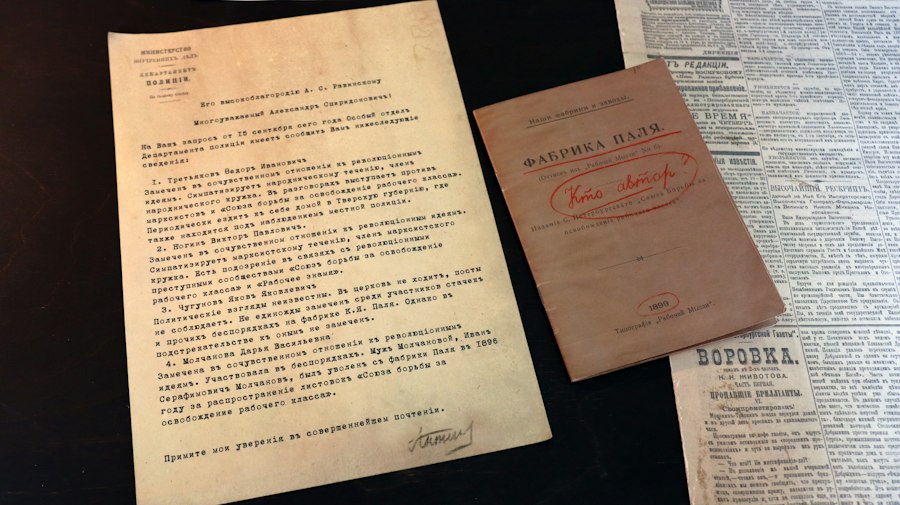
The intricate web of international relations, characterized by shifting alliances, clandestine negotiations, and geopolitical rivalries, is another area where declassified documents have been indispensable in reconstructing historical understanding. These records offer a more direct and unfiltered perspective on how the United States has engaged with the world.
The Cold War’s Long Shadow: East-West Dynamics
The declassification of documents from the Cold War era has profoundly altered our understanding of the complex dynamics between the United States and the Soviet Union, as well as their respective allies.
Détente and Beyond: The Nuances of Superpower Relations
Documents related to periods of détente, arms control negotiations, and the various proxy conflicts have revealed the delicate balancing acts, the strategic calculations, and the often-unseen efforts to manage a dangerous global rivalry. These records provide a more granular understanding of how leaders navigated the constant threat of escalation and sought avenues for cooperation amidst ideological opposition.
The Role of the United Nations and International Organizations
Declassified U.S. State Department and UN documents can illuminate the American approach to multilateral diplomacy, the challenges of international cooperation, and the influence of the United States within global institutions. These records offer insights into the formation of international law, the management of global crises, and the often-thorny realities of international negotiations.
Post-Cold War America: Navigating a New World Order
The period following the collapse of the Soviet Union presented new challenges and opportunities for American foreign policy. Declassified documents from this era are beginning to reveal the evolving strategies, the responses to emerging threats, and the reshaping of global alliances.
Interventions and Alliances: The Balkans and Beyond
Declassified documents related to U.S. interventions in regions like the Balkans, or its evolving relationships with key allies in Asia and the Middle East, offer insights into the motivations, the military planning, and the diplomatic maneuvering that characterized these actions. These records help to contextualize the decisions made and to assess their long-term consequences.
The exploration of American history often reveals fascinating insights through declassified documents, shedding light on pivotal events and decisions that shaped the nation. For those interested in delving deeper into this topic, a related article can be found at In the War Room, where you can discover various analyses and discussions surrounding the impact of these documents on our understanding of historical narratives.
The Future of Declassification: Transparency and Historical Memory
| Document Title | Declassification Date | Content |
|---|---|---|
| Operation Northwoods | November 18, 1997 | Plans for false flag operations to justify military intervention |
| Pentagon Papers | June 13, 2011 | Secret Department of Defense study of U.S. political-military involvement in Vietnam from 1945 to 1967 |
| Watergate Scandal Documents | April 26, 2018 | Investigative reports and transcripts related to the Watergate scandal |
The ongoing process of declassification is not a static event but a continuous unfolding. As more records are reviewed, sanitized, and released, the historical narrative of the United States continues to be refined and challenged. The drive for transparency, fueled by public interest and legislative mandates, is essential for a healthy democracy and for ensuring that the lessons of the past are not forgotten.
The Impact of Technology on Declassification
The advent of digital archiving and sophisticated search tools has revolutionized the declassification process. This technological advancement allows for more efficient review of vast quantities of documents, potentially accelerating the pace at which hidden histories are brought to light. However, it also presents new challenges in terms of data security, preservation, and accessibility.
The Ongoing Debate: Balancing Secrecy and Transparency
The debate over what should remain classified and what should be declassified is a perpetual one, pitting national security concerns against the public’s right to know. Understanding the criteria for declassification, the review processes, and the ongoing efforts to reform these systems is crucial for ensuring that the historical record remains as complete and accurate as possible. The proactive declassification of documents, rather than solely relying on requests, is increasingly seen as a vital component of governmental accountability.
The declassification of American history documents is an ongoing endeavor that consistently enriches our understanding of the nation’s past. These once-guarded secrets, when brought into the light, not only reveal untold stories but also challenge assumptions, foster critical thinking, and ultimately, empower citizens to engage more meaningfully with their history and their government. The unraveling of these hidden narratives is a testament to the enduring power of information and the democratic imperative of transparency.
The Pentagon Plan to Fake an Attack on America—and Blame Cuba
FAQs
What are declassified documents in American history?
Declassified documents in American history are previously classified government records that have been made available to the public. These documents often contain information about historical events, government operations, and intelligence activities.
How are declassified documents obtained?
Declassified documents are obtained through a process of review and release by government agencies. Typically, documents are declassified after a certain period of time has passed, or when they are no longer considered sensitive to national security.
What types of information do declassified documents contain?
Declassified documents can contain a wide range of information, including details about military operations, intelligence gathering, diplomatic negotiations, and domestic policies. They may also provide insight into the decision-making processes of government officials.
Why are declassified documents important for understanding American history?
Declassified documents are important for understanding American history because they provide a behind-the-scenes look at significant events and decisions. They can offer new perspectives and insights into historical events, and help to fill in gaps in our understanding of the past.
Where can declassified documents be accessed?
Declassified documents can be accessed through various channels, including government archives, libraries, and online databases. Many government agencies have established declassification programs to make historical records available to the public.