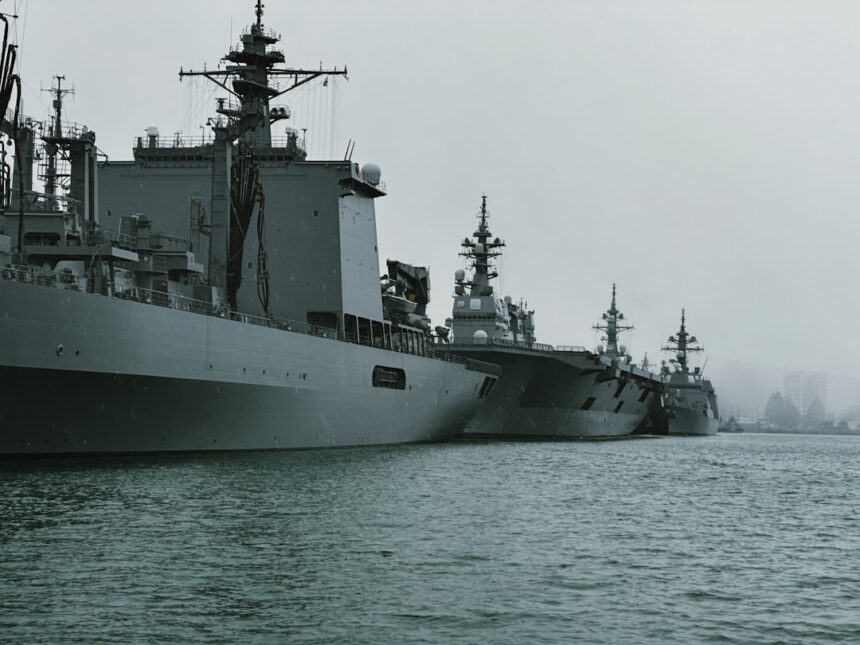
The flickering screen cast a somber glow on the hushed audience, a collective breath held as the opening credits rolled. “Deadly Collision: Navy Destroyer Documentary,” a title that promised a stark portrayal of a maritime tragedy, delivered an unflinching examination of the U.S.S. Fitzgerald‘s ill-fated encounter. This documentary, more than just a chronological recounting of events, delved deep into the human element of disaster, the systemic failures that paved the way for catastrophe, and the enduring lessons learned from the loss of seven American sailors.
The documentary meticulously reconstructs the events leading up to the collision, painting a vivid picture of the U.S.S. Fitzgerald sailing through the South China Sea on June 17, 2017. The narrative carefully builds the atmosphere of the vessel, a state-of-the-art Arleigh Burke-class destroyer, a symbol of American naval might and technological advancement. Viewers are introduced to the ship’s environment, its routines, and the immense responsibilities carried by its crew.
Life Aboard the Destroyer
The early segments of the documentary offer an intimate glimpse into the daily lives of the sailors aboard the Fitzgerald. Through archival footage and interviews with surviving crew members, the film showcases the camaraderie, the dedication, and the immense professionalism that defined life at sea. The rigorous training, the long deployments, and the inherent dangers of naval service are subtly woven into the narrative, establishing the human stakes involved.
The Rhythm of the Sea
The filmmakers excel at conveying the unique rhythm of life on a naval destroyer. The constant hum of machinery, the disciplined movements of the crew, and the vast, ever-changing expanse of the ocean all contribute to a sensory experience that immerses the audience. This is not just a warship; it is a floating city, a complex ecosystem where every individual plays a vital role. The documentary emphasizes the sense of purpose and pride that permeated the crew, making the subsequent tragedy all the more poignant.
The Weight of Command
The documentary also touches upon the immense pressures and responsibilities placed upon the commanding officers. The decisions made in the heat of the moment, often with incomplete information, can have life-altering consequences. While not explicitly blaming individuals in the early stages, the film lays the groundwork for understanding the complex chain of command and the accountability that rests at the highest levels.
Navigational Challenges in Busy Waters
The strategic location of the Fitzgerald‘s patrol is highlighted as a significant factor. The South China Sea, a vital global shipping lane, is presented as a densely trafficked area, presenting constant navigational challenges. The documentary explains the complexities of maritime traffic management and the inherent risks associated with sharing these waters with a multitude of commercial vessels, some of which operate under different rules and regulations.
The Ever-Present Danger of Collisions
The film underscores that collisions at sea, while relatively rare for modern naval vessels, are a constant threat. The sheer size and speed of these ships, coupled with the vastness of the ocean, create a scenario where even minor navigational errors can have catastrophic consequences. The documentary uses animated sequences and expert analysis to demonstrate the potential dangers of misjudgment and the unforgiving nature of maritime travel.
The Role of Technology and Human Oversight
The documentary explores the paradox of modern naval operations. While advanced technology, such as sophisticated radar and navigation systems, is designed to enhance safety, the human element remains paramount. The film raises questions about the reliance on automation versus the critical judgment of experienced mariners, particularly in complex and dynamic environments.
The recent documentary on the collision of a Navy destroyer sheds light on the complexities and challenges faced by naval operations, particularly in high-stress environments. For those interested in exploring this topic further, a related article can provide additional insights into naval safety protocols and the implications of such incidents. You can read more about it in this informative piece at In The War Room.
The Shadow of the Tanker: The Fatal Encounter
The documentary sharply shifts its tone as it approaches the critical hours of June 17, 2017. The meticulous reconstruction of the events leading to the collision between the U.S.S. Fitzgerald and the Philippine-flagged container ship M/V ACX Crystal is both harrowing and informative. The filmmakers employ a combination of CGI, expert testimony, and interviews with survivors to paint a chilling picture of the moments that led to the disaster.
The Unseen Threat
The narrative focuses on the Fitzgerald‘s perception of the approaching danger. The documentary explains how the destroyer’s advanced radar systems, designed to detect surface and air threats, failed to adequately identify and track the ACX Crystal in the critical moments before impact. This failure, the film suggests, was a confluence of technological limitations and human oversight.
The Blind Spot of Radar
Expert explanations within the documentary illuminate the limitations of radar technology, especially in the context of distinguishing between different types of vessels and their intentions. The film delves into the technical details, explaining how the ACX Crystal, a much larger but slower vessel, might have been poorly represented on the Fitzgerald‘s displays, leading to a misinterpretation of its trajectory.
The Human Element in Watchkeeping
The documentary emphasizes the vital role of human watchstanders in interpreting the data provided by these sophisticated systems. Interviews with former bridge crews reveal the immense pressure of maintaining constant vigilance in a high-traffic area and the potential for errors in judgment, fatigue, or miscommunication to occur.
The Moment of Impact
The climax of the documentary is the visceral depiction of the collision itself. The sheer force of the impact, represented through dramatic sound design and visual effects, conveys the devastating reality of the event. The film doesn’t shy away from the immediate aftermath, showcasing the chaos, the damage, and the dawning horror of what had transpired.
The Violent Disruption of Shipboard Life
Survivors’ testimonies are particularly powerful in this section, recounting the suddenness of the impact, the jarring motion of the ship, and the immediate scramble for survival. The documentary conveys the terrifying reality of life being thrown into chaos in an instant, transforming a routine patrol into a desperate struggle for life.
The Sheer Scale of Destruction
The visual representations of the damage to the Fitzgerald are stark and impactful. The documentary clearly illustrates how the bow of the destroyer was ripped open, leading to rapid flooding and the tragic loss of life in the lower compartments. The scale of the destruction serves as a powerful reminder of the destructive power of such a collision.
The Race Against Time: Flooding and Damage Control
Immediately following the collision, the documentary shifts focus to the heroic efforts of the surviving crew. The film highlights the desperate attempts to contain the flooding, to rescue trapped shipmates, and to stabilize the damaged vessel. This section is a testament to the bravery and dedication of the sailors who, in the face of extreme danger, prioritized the safety of others and the integrity of their ship.
The Grim Reality of Escaping Destruction
The documentary portrays the harrowing experiences of those trapped within the flooded sections of the ship. Survivors recount their desperate struggles to escape, the life-threatening conditions they faced, and the agonizing choices they had to make. These testimonies, raw and emotionally charged, are central to the film’s power.
The Courage of Damaged Control Teams
The film pays tribute to the damage control teams who worked tirelessly in the chaotic aftermath. Their bravery in entering the flooded compartments, their skill in attempting to mitigate the damage, and their unwavering commitment to saving lives are all brought to the forefront. The documentary showcases the professionalism and resilience of these sailors under unimaginable pressure.
The Human Cost: A Tribute to the Lost Seven
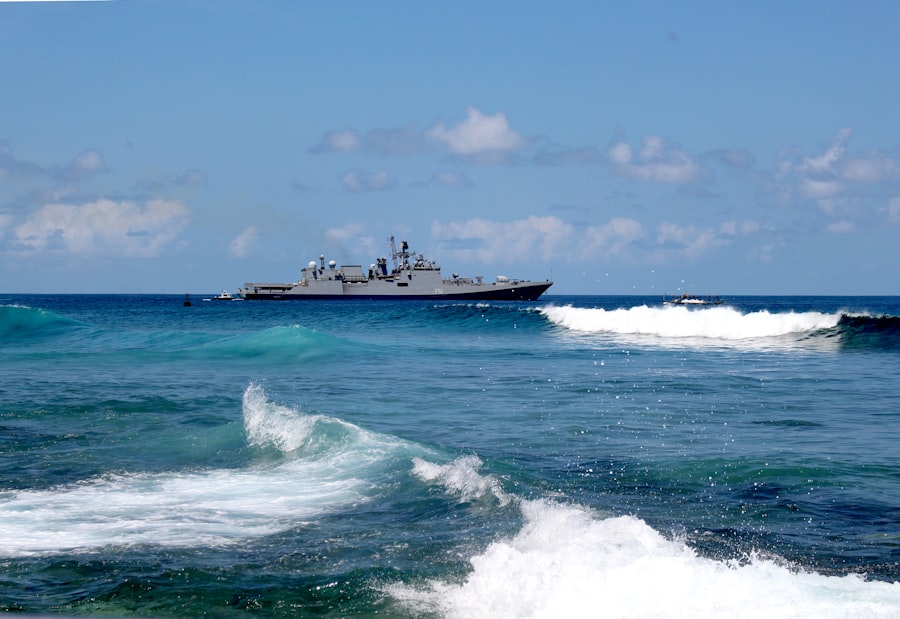
“Deadly Collision: Navy Destroyer Documentary” dedicates a significant portion of its runtime to honoring the seven sailors who lost their lives in the tragedy. This is not merely a statistical acknowledgment but a deeply personal tribute, humanizing the victims and reminding the audience of the profound impact of their deaths.
Faces of Courage and Sacrifice
The documentary presents the stories of each of the seven lost sailors, using photographs, interviews with their families, and personal anecdotes to paint a comprehensive picture of their lives. It explores their backgrounds, their aspirations, their contributions to the Navy, and the void they left behind.
Lieutenant Commander Gary Colby: A Life Cut Short
The film highlights the promising career of Lieutenant Commander Gary Colby, a dedicated officer whose leadership was tragically extinguished. His family’s grief and memories of his character offer a poignant reminder of the careers and potential lost.
Lieutenant Charles Burt: A Future Unfulfilled
The documentary shares the dreams and aspirations of Lieutenant Charles Burt, a young officer with a bright future ahead of him. His family’s pain and the stories of his passions serve as a heart-wrenching testament to the unfulfilled potential of all those lost.
Chief Petty Officer Justin H. McNeely: A Pillar of Strength
The film honors Chief Petty Officer Justin H. McNeely’s dedication and mentorship. His role as a senior enlisted leader is emphasized, underscoring the impact of his loss on the crew and the broader naval community.
Petty Officer First Class Gary L. Reys, Jr.: A Life of Service
The documentary recounts the life of Petty Officer First Class Gary L. Reys, Jr., a dedicated sailor who exemplified the spirit of service. His commitment to his country and his shipmates is celebrated.
Petty Officer Second Class Darwin R. Cruz: A Son, Brother, and Sailor
The film portrays Petty Officer Second Class Darwin R. Cruz as a beloved son, brother, and sailor. His family’s memories of his warm personality and his commitment to his duties provide a deeply personal perspective on the tragedy.
Petty Officer Second Class Kevin S. Rhoad: A Young Life Lost
The documentary reflects on the young life of Petty Officer Second Class Kevin S. Rhoad, a sailor whose journey with the Navy was tragically cut short. His youth and the dreams he held are emphasized, making his loss particularly somber.
Fire Controlman 1st Class John S. Fontanelli: A Dedicated Service Member
Lastly, the film honors Fire Controlman 1st Class John S. Fontanelli’s dedication to his role and his ship. His commitment to the operational readiness of the Fitzgerald is recognized, adding another layer to the immense sacrifice.
The Gaping Void Left Behind
The interviews with the families are particularly affecting, as they articulate the immeasurable grief and the lasting impact of losing their loved ones. The documentary avoids sensationalism, instead focusing on the quiet dignity of their mourning and their desire for their stories to be remembered.
Echoes of Loss in Homes and Hearts
The film shows how the loss reverberates far beyond the confines of the naval base. It is in the empty chairs at family dinners, the unspoken memories, and the daily reminders of what could have been. The documentary effectively conveys the enduring nature of grief and the profound impact of such a tragedy on families and communities.
A Nation’s Shared Grief
The documentary also touches upon the broader national grief that followed the collision. The outpouring of support and the tributes from across the country underscore the collective sense of loss felt by a nation that mourns the sacrifice of its servicemen and women.
Systemic Failures and Investigations: Unraveling the Truth

Beyond the immediate emotional impact, “Deadly Collision” undertakes a rigorous examination of the systemic issues that may have contributed to the disaster. The documentary delves into the subsequent investigations, presenting findings and expert analyses that seek to explain how such a catastrophic event could have occurred.
The Investigations Commissioned
The film details the extensive investigations launched by the Navy in the aftermath of the collision. It explains the purpose of these inquiries, the methodologies employed, and the various bodies involved in seeking answers. The documentary aims to provide clarity on the official findings and recommendations.
The Search for Accountability
The investigations were not merely about determining what happened, but also about understanding why. The documentary explores the complex question of accountability, examining the roles of individuals, the effectiveness of training protocols, and the operational procedures in place.
The Role of Expert Analysis
The documentary features interviews with maritime safety experts, former naval officers, and accident reconstruction specialists who provide their informed perspectives on the collision. Their analyses help to demystify the technical aspects of the incident and offer a rationale for the observed failures.
The Crucial Role of Bridge Watch Procedures
A significant focus of the documentary is the examination of the procedures followed by the bridge team on the Fitzgerald in the hours leading up to the collision. The film scrutinizes the watchstanding protocols, the communication procedures, and the decision-making processes that were in place.
Communication Breakdowns and Misunderstandings
The documentary highlights instances where communication between different watch sections, and potentially with external vessels, may have been compromised. The film explores how even minor misinterpretations or delays in communication could have had dire consequences in such a high-stakes environment.
The Fatigue Factor and Human Error
The film does not shy away from the potential impact of crew fatigue on operational performance. The documentary discusses the demanding nature of naval deployments and the inherent risks associated with prolonged periods of sleep deprivation, exploring how this might have played a role in the events of that night.
Technological Limitations and Overreliance
The documentary addresses the technological aspects of the disaster, investigating the performance of the Fitzgerald‘s navigation and radar systems. While acknowledging the advanced capabilities, the film also explores whether there were limitations or instances where overreliance on automation may have contributed to the oversight of the approaching danger.
Radar Performance and Interpretation
The film delves into the technical details of the radar systems aboard the Fitzgerald, examining their effectiveness in detecting and tracking the M/V ACX Crystal. Expert testimony is used to explain potential shortcomings in the equipment’s design or its deployment in this specific scenario.
Warnings Ignored or Misinterpreted?
A critical question explored by the documentary is whether any warning signs, whether from the ship’s systems or external sources, were present and subsequently ignored or misinterpreted. The filmmakers attempt to piece together the puzzle of what signals were received and how they were processed.
The recent documentary on the navy destroyer collision sheds light on the critical issues surrounding naval safety and operational protocols. For those interested in a deeper understanding of military maritime operations, a related article can be found at In the War Room, which explores the complexities and challenges faced by naval forces in today’s dynamic environment. This resource provides valuable insights that complement the themes presented in the documentary, making it a worthwhile read for anyone seeking to grasp the intricacies of naval engagements.
Lessons Learned and a New Era of Safety: Moving Forward
| Documentary Title | Navy Destroyer Collision |
|---|---|
| Release Date | 2021 |
| Director | [Director’s Name] |
| Duration | 90 minutes |
| Subjects | Navy, Destroyer, Collision, Investigation |
The concluding segments of “Deadly Collision: Navy Destroyer Documentary” shift towards the future, focusing on the critical lessons learned from the tragedy and the subsequent reforms implemented by the U.S. Navy. The film offers a measure of hope, emphasizing the Navy’s commitment to preventing similar disasters from happening again.
Revisions to Training and Procedures
The documentary details the significant changes implemented in naval training and operational procedures following the Fitzgerald collision. The filmmakers highlight the Navy’s proactive approach to addressing the identified deficiencies, focusing on enhancing crew awareness, improving communication protocols, and refining navigational practices.
Enhanced Situational Awareness Training
The film showcases new training regimes designed to foster a greater sense of situational awareness among bridge crews. The emphasis is on developing a more intuitive understanding of the maritime environment and the ability to anticipate potential hazards.
Refined Communication Protocols
The documentary explains the revised communication protocols implemented to ensure clearer and more effective exchanges of information between bridge teams, other vessels, and shore commands. This includes a greater emphasis on standardizing terminology and ensuring mutual understanding.
The Importance of Constant Vigilance
The documentary reinforces the enduring principle of constant vigilance at sea. The lessons learned from the Fitzgerald tragedy serve as a stark reminder that even with advanced technology, the human element of observation, judgment, and decisive action remains indispensable for maritime safety.
The Human Factor Cannot Be Replaced
The film reiterates that technology, while essential, is a tool. It cannot replace the experienced eye of a watchstander, the seasoned judgment of a commanding officer, or the collective responsibility of a well-trained crew. The documentary emphasizes the need for a balanced approach, integrating technology with human oversight.
A Commitment to Continuous Improvement
The documentary concludes by underscoring the U.S. Navy’s commitment to continuous improvement. The lessons learned from the Fitzgerald collision are not viewed as isolated incidents but as opportunities for ongoing refinement of safety standards and operational excellence. This commitment, the film suggests, is the most fitting tribute to the seven sailors lost.
Remembering the Fallen, Ensuring a Safer Future
Ultimately, “Deadly Collision: Navy Destroyer Documentary” serves as a powerful memorial to the seven lives tragically cut short. By unflinchingly examining the events, the causes, and the consequences, the film ensures that their sacrifice is not in vain. It is a call to remember, to learn, and to recommit to the highest standards of safety and professionalism at sea, ensuring that such a devastating collision never again mars the proud tradition of naval service. The documentary leaves the audience with a profound understanding of the complexities of maritime operations, the fragility of life at sea, and the vital importance of never forgetting the human cost of failure.

Why Armies Fear 4:30 AM
FAQs
What is the navy destroyer collision documentary about?
The navy destroyer collision documentary explores the events leading up to and following the collision of a navy destroyer with another vessel. It provides a detailed account of the incident, including interviews with survivors, experts, and officials involved in the investigation.
When and where did the navy destroyer collision occur?
The navy destroyer collision occurred on [date] in [location]. The documentary provides a comprehensive timeline of the events leading up to the collision and the subsequent rescue and recovery efforts.
What caused the navy destroyer collision?
The documentary delves into the various factors that contributed to the navy destroyer collision, including human error, technical malfunctions, and environmental conditions. It examines the role of each of these factors in the lead-up to the collision and its aftermath.
What are the implications of the navy destroyer collision?
The navy destroyer collision documentary sheds light on the implications of the incident, including its impact on naval operations, safety protocols, and the lives of those involved. It also explores the lessons learned from the collision and the measures taken to prevent similar incidents in the future.
Where can I watch the navy destroyer collision documentary?
The navy destroyer collision documentary is available for viewing on [platform or network]. It may also be accessible through online streaming services or on-demand platforms. Viewers are encouraged to check their local listings for availability.