The dawn of April 1, 2024, was shattered by a devastating explosion in Damascus, Syria. A strike, widely attributed to Israel, obliterated an Iranian consulate building, killing at least seven people, including a senior commander of the Islamic Revolutionary Guard Corps (IRGC). While the immediate act was a missile strike, a deeper examination reveals a complex tapestry of failures, a chain of misjudgments, and systemic shortcomings that allowed such a catastrophic event to unfold. This analysis delves into the multiple layers of these failures, moving beyond the immediate military action to explore the broader geopolitical, intelligence, and operational contexts.
The recent analysis of the Damascus missile explosion failure chain highlights critical vulnerabilities in missile technology and operational protocols. For a deeper understanding of the implications of such failures and their potential impact on regional security, you can read a related article that delves into the intricacies of missile defense systems and their effectiveness in conflict zones. Check it out here: In the War Room.
The Strategic Miscalculation: Escalation and its Precursors
The attack on the Iranian consulate in Damascus was not an isolated incident. It represented a significant escalation in a conflict that has been simmering for years, primarily between Israel and Iran, with Syria acting as a battleground. Understanding the strategic miscalculations requires examining the long-term context and the immediate provocations that led to this point.
The Shadow War: Iran’s Entrenchment and Israeli Response
For years, Iran has been actively expanding its influence and military presence in Syria, a strategic ally since the Syrian civil war began. This entrenchment, characterized by the establishment of militia proxies and the transfer of advanced weaponry, has been a major security concern for Israel. Israel, in turn, has conducted hundreds of airstrikes against Iranian targets and weapons convoys within Syria, aiming to prevent Iran from establishing a permanent military infrastructure on its northern border.
The Perception of Impunity: Iran’s Strategic Calculations
Prior to the Damascus strike, Iran may have perceived a degree of impunity in its Syrian operations. Despite numerous Israeli strikes, Iran’s senior leadership and its key assets in Syria had, for a prolonged period, avoided direct, high-profile casualties of this magnitude. This could have fostered a belief that their operations were sufficiently protected or that Israel’s retaliatory actions would remain within certain predefined boundaries. This perception, however, proved to be a critical miscalculation.
Israel’s Shifting Red Lines: A Calculated Escalation?
Conversely, Israel’s decision to strike a diplomatic building, a move that carries significant diplomatic ramifications and risks broader regional escalation, suggests a re-evaluation of its red lines. The attack likely followed a period of heightened Iranian provocations, perhaps including sophisticated drone or missile attacks that crossed a previously unacknowledged threshold for Israeli tolerance. The failure here lies not necessarily in Israel’s action itself, but in the potential miscalculation of the broader strategic implications and the predictable Iranian response.
The Unfolding Gaza Conflict: A Catalyst for Regional Tensions
The ongoing conflict in Gaza, which began with Hamas’s October 7th attacks on Israel and Israel’s subsequent military response, has significantly heightened regional tensions. Iran, a major supporter of Hamas, has been deeply involved in the wider regional fallout, supporting various proxy groups that have launched attacks against Israel and its allies. This overarching conflict created a volatile environment where a targeted strike, even if strategically justified by Israel, could easily ignite wider conflagrations.
The Proxy War Spillover: Nasrallah’s Warnings and Hamas’s Actions
Hezbollah, led by Hassan Nasrallah, has engaged in daily cross-border skirmishes with Israel, demonstrating solidarity with Hamas and drawing Israeli military resources away from Gaza. Hamas and other Palestinian factions, emboldened by Iranian support, have continued to launch rockets into Israel. These actions, while part of a broader strategic game, contribute to the perception of an escalating threat that Israel feels compelled to address directly.
The International Response (or Lack Thereof): A Vacuum for Escalation?
The international community’s response to the escalating regional tensions has been largely characterized by calls for de-escalation and diplomatic efforts that have so far proven insufficient to contain the violence. This perceived lack of decisive international intervention could embolden actors to take more assertive, and potentially escalatory, actions, believing that the consequences might be contained within regional parameters.
Intelligence Deficiencies: The Blind Spots in the Chain
Effective intelligence gathering and analysis are paramount in preventing or mitigating such catastrophic events. The Damascus missile explosion suggests significant failures in this domain, leading to an inability to anticipate, deter, or adequately respond to the threat.
Gaps in Human Intelligence: The Elusive Network
Despite sophisticated technological capabilities, the human element of intelligence remains crucial. The targeting of a high-ranking IRGC commander within what is ostensibly a diplomatic compound points to a potential failure in penetrating Iran’s deeply embedded networks, both within Syria and within the IRGC itself.
Infiltration Challenges: The Closeness of the Target
Gathering actionable intelligence on individuals operating within the close confines of a diplomatic mission or a well-protected military outpost presents immense challenges. The very nature of such locations often involves stringent security measures, limiting opportunities for traditional human intelligence operations. The failure may lie in the inability to overcome these inherent difficulties.
Informant Reliability and Vetting: Trust in a Fragile Ecosystem
Even when human sources are available, their reliability, motivations, and potential for deception must be meticulously vetted. In a complex and volatile region like Syria, where allegiances can shift and disinformation is rampant, ensuring the accuracy of intelligence derived from informants is a continuous and demanding process. A lapse in this vetting process could lead to flawed intelligence assessments.
Technological Shortcomings: Beyond the Visible Spectrum
While satellite imagery, signals intelligence, and electronic eavesdropping provide invaluable data, they may not always reveal the full picture. The planning and execution of sensitive military operations, especially those involving covert personnel and advanced communication methods, can leave limited digital footprints.
The Art of Concealment: Operational Security by the Adversary
Adversaries, particularly state actors like Iran, invest heavily in operational security. This includes the use of encrypted communications, secure physical locations, and stringent protocols to limit information leakage. The failure here is the inability of technological intelligence to consistently penetrate these sophisticated concealment measures.
Data Overload and Analysis Paralysis: Drowning in Information
Modern intelligence agencies often face the challenge of “data overload.” The sheer volume of information collected can be overwhelming, making it difficult to identify critical pieces of intelligence amidst the noise. Analysis paralysis, where the inability to process and synthesize vast amounts of data leads to inaction or delayed decision-making, could have been a contributing factor.
Predictive Intelligence Failures: The Crystal Ball’s Fog
Perhaps the most critical intelligence failure lies in the inability to accurately predict the timing and nature of the attack, or at least the heightened risk associated with it. While intelligence agencies may have been aware of general Iranian activities, the specific confluence of factors that led to this strike might have been underestimated.
Underestimating Iranian Resolve: A Misreading of Intentions
Intelligence assessments may have underestimated Iran’s resolve to retaliate for perceived provocations or its willingness to accept a higher level of risk in targeting Israeli interests. This could stem from a misreading of Iranian leadership’s strategic calculus and their tolerance for escalation.
The Interplay of Multiple Threats: A Complex Threat Landscape
The intelligence apparatus must constantly assess the interplay of multiple threats, from regional proxies to direct state actions. The failure might have occurred in not adequately integrating intelligence streams related to Iranian activities in Syria with the broader context of the Gaza conflict and potential Iranian responses to Israeli actions.
Operational Execution: The Precision and its Pitfalls
Even with robust intelligence, the operational execution of a strike of this magnitude is fraught with potential for failure. This includes the planning, targeting, and execution phases, where any misstep can have dire consequences.
Targeting Uncertainty: The Ambiguity of the “Consulate”
While widely described as a consulate, the building was allegedly a cover for IRGC operations, a common tactic employed by states to shield their military activities under diplomatic immunity. The intelligence failure here could extend to the precise identification and classification of the building and its occupants.
Distinguishing Diplomacy from Military Operations: A Blurred Line
The line between diplomatic representation and military intelligence operations can be deliberately blurred by states seeking to protect their assets. The failure to definitively ascertain the nature of the activities within the building and the presence of high-value military targets could have led to a miscalculation of the risks associated with the strike.
Collateral Damage Assessment: The Human Cost of Precision
Even when the primary target is accurately identified, a thorough assessment of potential collateral damage is crucial. This includes civilian casualties, damage to adjacent structures, and the broader humanitarian impact. The Damascus explosion tragically highlights the potential for significant collateral damage, even in a targeted strike.
Weapon System Reliability: The Technology’s Imperfection
Missile systems, while highly sophisticated, are not infallible. Failures can occur at various stages of their deployment, from launch to guidance and detonation.
Pre-Launch Checks and Maintenance: The Groundwork of Success
The reliability of any weapon system hinges on meticulous pre-launch checks, regular maintenance, and proper handling. Any oversight in these crucial steps can compromise the system’s performance and lead to unintended consequences.
Guidance and Control Malfunctions: The Trajectory’s Deviation
During flight, guidance and control systems are responsible for ensuring the missile reaches its intended target. Malfunctions in these systems, whether due to technical defects, environmental interference, or even cyber-attacks, could lead to the missile deviating from its trajectory and impacting unintended areas or failing to detonate as planned.
Post-Strike Assessment and Accountability: The Unanswered Questions
Following any military engagement, a thorough post-strike assessment is vital for learning and future deterrence. The Damascus explosion leaves many questions unanswered regarding the completeness of this assessment and the mechanisms for accountability.
Confirming Target Elimination: The Verification Process
Confirming that the intended target has been successfully neutralized is a critical step. This involves intelligence gathering and analysis in the immediate aftermath of the strike. In a chaotic environment, this confirmation can be challenging.
Evaluating Operational Effectiveness: Lessons Learned?
Beyond confirming the target, a comprehensive evaluation of the strike’s overall effectiveness, including its strategic impact and any unintended consequences, is necessary. Without a transparent and thorough post-strike analysis, the lessons learned may be lost, increasing the likelihood of similar failures in the future.
The recent failure chain of the Damascus missile explosion has raised significant concerns regarding the reliability of missile systems in conflict zones. For a deeper understanding of the implications and technical aspects surrounding such incidents, you can explore a related article that delves into the intricacies of missile technology and its vulnerabilities. This insightful piece can be found at this link, where it discusses the broader context of missile failures and their impact on military operations.
The Role of International Law and Diplomacy: A Weakened Framework
| Event | Date | Location | Cause | Casualties | Damage Description | Response Time | Investigation Outcome |
|---|---|---|---|---|---|---|---|
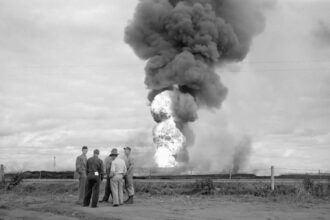
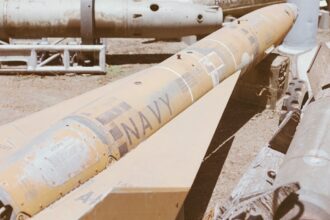
| Damascus Missile Explosion Failure Chain | September 18, 1980 | Damascus, Arkansas, USA | Fuel leak leading to explosion during maintenance | 1 fatality, 21 injuries | Destruction of missile silo and surrounding infrastructure | Immediate emergency response within minutes | Identified as a fuel line rupture causing a fuel-air explosion |
The attack on a diplomatic compound, even if a purported cover for military activities, raises serious questions about adherence to international law and the efficacy of diplomatic channels in preventing such escalations.
The Sanctity of Diplomatic Premises: A Challenged Principle
International law, specifically the Vienna Convention on Diplomatic Relations, accords inviolability to diplomatic premises. While there are provisions for self-defense, striking a building officially designated as a consulate, even if its activities are questionable, represents a significant departure from established norms and risks undermining the entire framework of diplomatic immunity.
The Interpretation of “Diplomatic Immunity”: A Subjective Application?
The interpretation of diplomatic immunity can become subjective in the context of state-sponsored proxy warfare and the blurring of lines between civilian and military functions. The failure here may lie in a selective application of international law, prioritizing perceived immediate security needs over long-standing legal principles.
The Precedent Set: A Dangerous Erosion of Norms
By targeting what was officially a diplomatic building, a dangerous precedent might have been set. This could embolden other actors to disregard diplomatic sanctity, further destabilizing international relations and increasing the likelihood of future violations.
The Breakdown of Diplomatic Dialogue: Communication Channels Silenced
Effective diplomacy relies on open and continuous communication channels, even between adversaries. The escalation in Damascus suggests a breakdown in these channels, where dialogue has been insufficient to de-escalate tensions or prevent the move towards military action.
The Absence of De-escalation Mechanisms: A Reactive Approach
The international community’s response has often been reactive rather than proactive. The absence of robust de-escalation mechanisms and confidence-building measures between Iran and Israel, and their respective allies, allowed tensions to fester and ultimately erupt.
The Limits of International Pressure: Unheeded Warnings
Despite international calls for restraint, warnings from regional actors, and the inherent risks of escalation, the pressures leading to the strike proved overwhelming. This highlights the limitations of international pressure when core security interests are perceived to be at stake by powerful actors.
The Human Element: Individual Decisions and Systemic Pressures
Ultimately, behind every missile and every intelligence report are individuals making decisions, often under immense pressure. The chain of failures leading to the Damascus explosion is intrinsically linked to the human element.
The Psychology of Escalation: Fear, Retaliation, and Perception
In volatile geopolitical environments, fear and the desire for retaliation can drive decision-making. The perception of being under existential threat, or the imperative to respond decisively to provocations, can override rational considerations of risk and consequence.
The Burden of Command: High-Stakes Decision-Making
Military and political leaders operate under the immense burden of making decisions that can have life-or-death consequences. The pressure to appear strong, to protect national interests, and to respond to perceived threats can lead to choices that, in hindsight, are deemed failures.
The Influence of Public Opinion and Political Imperatives: Domestic Pressures
Domestic political considerations and public opinion can also exert significant influence on foreign policy and military decisions. Leaders may feel compelled to take assertive actions to demonstrate resolve or to satisfy public demand for retribution, even if these actions carry significant regional risks.
Groupthink and Confirmation Bias: Echo Chambers of Belief
Within intelligence agencies and military planning bodies, the phenomena of groupthink and confirmation bias can lead to a dangerous narrowing of perspectives. If a particular narrative or assessment gains traction, dissenting voices may be suppressed or ignored, and evidence that contradicts the prevailing view may be dismissed.
The Tunnel Vision of Security: Focusing on the Immediate Threat
In the relentless pursuit of security, decision-makers can develop a form of “tunnel vision,” focusing intensely on immediate threats while neglecting broader strategic implications or the potential for unintended consequences.
The Narrative of Adversity: Reinforcing Pre-existing Beliefs
When operating within a pre-existing narrative of adversarial relations, it becomes easier to interpret ambiguous information in a way that confirms those pre-existing beliefs, leading to a self-fulfilling prophecy of conflict.
Accountability and Learning: The Cycle of Repetition
The ultimate failure of any system lies in its inability to learn from its mistakes. If the chain of failures that led to the Damascus missile explosion is not thoroughly analyzed, understood, and addressed, the risk of similar catastrophic events in the future remains unacceptably high. The absence of clear accountability mechanisms and a genuine commitment to learning can perpetuate cycles of violence and instability. The Damascus strike serves as a stark reminder that even the most technologically advanced military actions are susceptible to fundamental failures in strategy, intelligence, operations, diplomacy, and the very human decisions that drive them.

How a Dropped Socket Destroyed a Titan II Missile
FAQs
What is the Damascus missile explosion failure chain?
The Damascus missile explosion failure chain refers to a series of events that led to the failure of a missile launch in Damascus, resulting in an explosion.
When and where did the Damascus missile explosion failure chain occur?
The Damascus missile explosion failure chain occurred in Damascus, the capital city of Syria. The exact date of the incident may vary depending on the specific event being referred to.
What caused the failure of the missile launch in Damascus?
The failure of the missile launch in Damascus could have been caused by various factors, such as technical malfunctions, human error, or sabotage.
Was there any damage or casualties resulting from the Damascus missile explosion failure chain?
Depending on the severity of the explosion and the location of the missile launch, there may have been damage to property and potential casualties. However, the extent of the damage and casualties would vary.
What measures are being taken to prevent similar incidents in the future?
To prevent similar incidents in the future, authorities may conduct investigations to determine the root cause of the failure and implement corrective actions, such as improving missile launch procedures, enhancing technical capabilities, or increasing security measures.