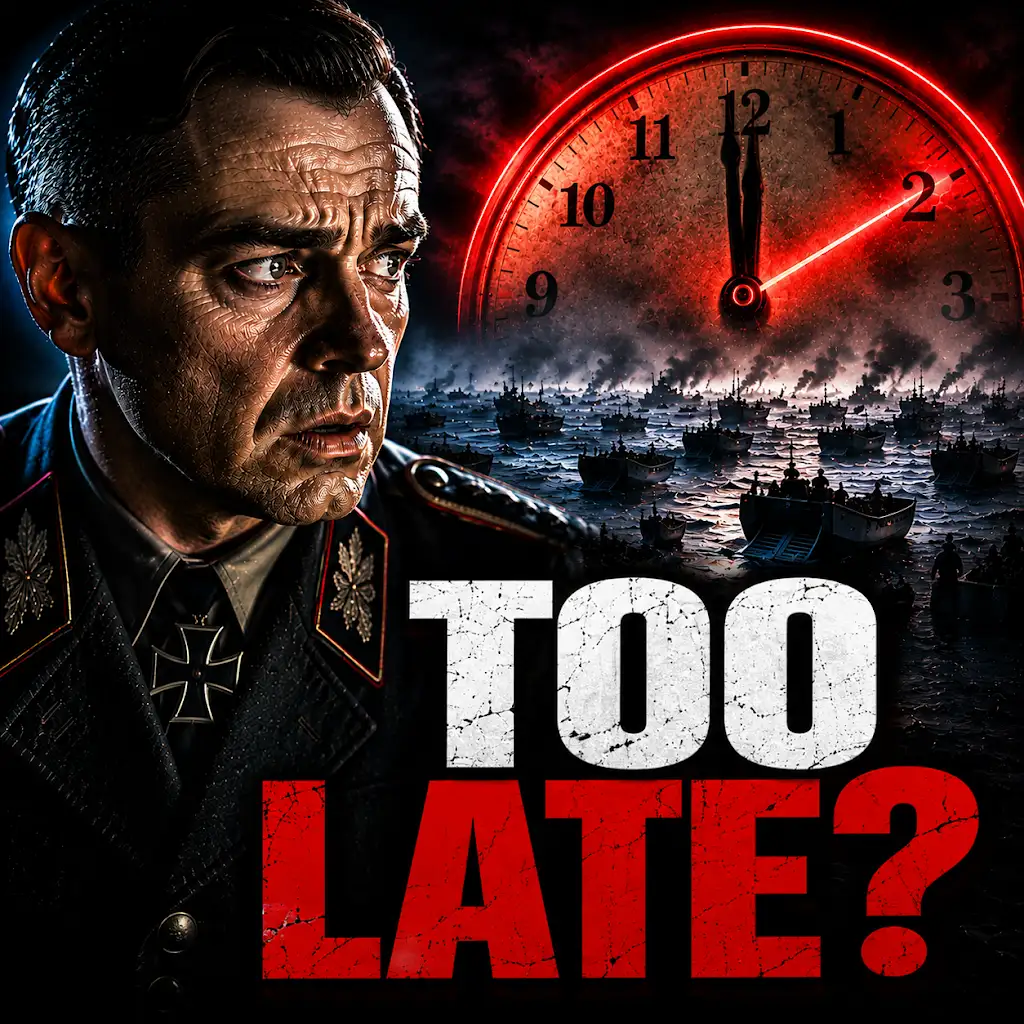
The Normandy landings, codenamed Operation Overlord, represent one of the most pivotal and meticulously planned military operations in history. On June 6, 1944, Allied forces launched a massive amphibious invasion of German-occupied France, marking the beginning of the end for Nazi Germany. The sheer scale and complexity of D-Day demanded an intricate strategy, forged through years of planning, intelligence gathering, and the coordination of vast resources. This article delves into the multifaceted D-Day strategy, exploring its core objectives, the critical elements of its execution, and the reasons behind its eventual success.
The decision to launch a cross-channel invasion was not taken lightly. For years, the Allied powers, particularly Britain and the United States, grappled with the immense challenge of liberating Western Europe from German occupation. The Eastern Front was a bloody stalemate, and the sheer might of the German army, particularly its formidable defenses, loomed large. The strategic imperative was clear: a second front was needed to relieve pressure on the Soviet Union and begin the direct assault on Hitler’s regime.
The Long Road to Liberation
Following the evacuation of British and Commonwealth forces from Dunkirk in 1940, a direct invasion of France seemed a distant dream. However, the strategic thinking never ceased.
Early Considerations and Setbacks
Even before the United States entered the war, British planners were contemplating offensive operations. However, early attempts, such as the raid on Dieppe in August 1942, proved to be disastrously costly lessons. These raids highlighted the immense difficulties of amphibious assaults against prepared defenses and underscored the need for overwhelming force, meticulous planning, and deception.
The Moscow Conference and the “Second Front” Promise
The strategic alignment between the Allied powers was solidified at the Moscow Conference in October 1941. Stalin, facing immense pressure from the German onslaught, relentlessly pushed for the opening of a Western Front. Promises were made, but the logistical and military realities meant that a full-scale invasion was still years away.
The Cairo and Tehran Conferences: Solidifying the Plan
By late 1943, the tide of war had begun to turn. The successful Allied campaigns in North Africa and Italy provided valuable experience and momentum. The Cairo and Tehran Conferences, in November and December 1943 respectively, were crucial in formally agreeing on the timing and scope of Operation Overlord. It was here that General Dwight D. Eisenhower was appointed Supreme Allied Commander, tasked with the monumental responsibility of bringing the invasion plan to fruition.
Strategic Objectives: Beyond Just Landing
D-Day’s strategy was not simply about establishing a beachhead; it was about creating the conditions for a sustained and ultimately victorious campaign. The objectives were multi-layered, encompassing both immediate tactical goals and overarching strategic aims.
Securing a Foothold
The primary, and most immediate, objective was to land enough troops and equipment onto the French coast to establish a secure and expandable lodgment area. This was the critical first step.
Establishing Beachheads
The plan involved landing on five designated beaches along a 50-mile stretch of the Normandy coast. Each beach was assigned to a specific Allied force, with the British and Canadians on the left flank and the Americans on the right. The goal was to seize these beaches and their immediate hinterlands, pushing inland to create a contiguous front.
Capturing Key Ports and Infrastructure
While securing beaches was paramount, the longer-term objective was to capture vital ports, such as Cherbourg, to facilitate the flow of reinforcements and supplies. Control of key road and rail networks was also essential for rapid movement and exploitation of any breakthroughs.
Isolating the Battlefield
A critical aspect of the strategy was to prevent German reinforcements from reaching Normandy and to disrupt their ability to coordinate a counter-offensive.
Air Superiority and Interdiction
The Allied air forces played a crucial role in achieving air superiority over the invasion area, neutralizing the Luftwaffe and allowing for unhindered bombing of German defenses and infrastructure. They also conducted extensive interdiction missions, targeting bridges, railways, and troop concentrations to slow down enemy movement.
Naval Blockade and Bombardment
The Royal Navy and the US Navy were responsible for maintaining a blockade of the French coast, preventing German naval movements and providing crucial naval gunfire support to the landing forces. This bombardment softened up enemy defenses just before the troops went ashore.
The Psychological Dimension: Undermining the Enemy
Beyond the purely military aspects, the D-Day strategy also aimed to inflict a significant psychological blow on the German war machine and its occupied populations.
Demonstrating Allied Resolve
The sheer scale and success of the D-Day landings were intended to demonstrate the unwavering resolve of the Allied powers and to sow seeds of doubt and despair within Germany.
Bolstering Resistance Movements
The invasion was also designed to invigorate and support the French Resistance, providing them with an opportunity to rise up and disrupt German efforts from within.
The Grand Design: Deception and Diversion (Operation Fortitude)
Perhaps one of the most ingenious aspects of the D-Day strategy was the elaborate deception plan, codenamed Operation Fortitude. The Allies understood that overwhelming German forces could crush the initial invasion. Therefore, they invested heavily in making the Germans believe the main invasion would occur elsewhere.
The Ghost Army and Phantom Forces
Operation Fortitude involved the creation of entirely fictitious army groups, complete with inflatable tanks, dummy aircraft, and radio traffic simulating troop movements.
Operation Quicksilver: The Pas-de-Calais Deception
The primary objective of Fortitude was to convince the German high command that the main invasion would target the Pas-de-Calais, the narrowest point across the English Channel, rather than Normandy. This was achieved through a complex series of feints and propaganda.
False Troop Concentrations
Allied units were positioned in southeastern England, facing the Pas-de-Calais, and their movements and communications were designed to suggest imminent invasion.
Radio Deception
Sophisticated radio deception techniques were employed, simulating the communications of large armies being prepared for an assault on the Pas-de-Calais.
Double Agents and Misinformation
The Allies utilized double agents to feed misleading information to the German intelligence services, reinforcing the belief that the Pas-de-Calais was the primary target.
Operation Glimmer: Diversionary Tactics
While Fortitude focused on the Pas-de-Calais, other, smaller-scale diversions were also employed to further confuse the enemy.
Simulated Bombing Raids
Allied aircraft conducted bombing raids on various targets in France, including some away from the Normandy coast, to create a sense of widespread activity.
Naval Demonstrations
Naval forces conducted minor demonstrations along other parts of the French coast, suggesting potential landing sites.
The Impact of Deception
The success of Operation Fortitude was profound. German forces, particularly their strategic reserves, were held back from Normandy, waiting for an invasion that would never come at the Pas-de-Calais. This significantly weakened the German defenses in the actual landing areas, giving the Allies a crucial advantage.
The Pillars of Execution: Air, Sea, and Land
The successful execution of D-Day relied on the seamless integration of three distinct but interconnected branches of the Allied war machine: air power, naval power, and ground forces.
Air Superiority: The Invisible Shield and Hammer
The Allied air forces, primarily the Royal Air Force (RAF) and the United States Army Air Forces (USAAF), were indispensable. Their objectives were multifaceted and crucial to the success of the landings.
Strategic Bombing Campaign
The pre-invasion bombing campaign had been ongoing for months, targeting German industries, transportation networks, and crucially, coastal defenses in Normandy and the Pas-de-Calais.
Softening Up Defenses
Bombing raids aimed to destroy or damage German fortifications, artillery emplacements, and communication lines along the invasion coast.
Interdiction of Reinforcements
The bombing of bridges, rail yards, and airfields in occupied France was vital in preventing German reinforcements from reaching the battlefield.
Tactical Air Support
On D-Day itself, tactical air support was paramount for the success of the ground forces.
Close Air Support
Fighter-bombers provided direct support to advancing troops, attacking enemy strongpoints and vehicles that posed a threat.
Reconnaissance and Intelligence
Air reconnaissance flights provided vital intelligence on enemy positions and movements, allowing for adjustments to the invasion plan.
Naval Dominance: The Lifeline and the Shield
The Allied navies bore the immense responsibility of transporting troops and equipment across the English Channel and providing direct fire support.
Amphibious Assault Forces
The Royal Navy and the US Navy assembled a colossal fleet of warships, landing craft, and troop transports.
Troop and Vehicle Transport
Thousands of landing craft, from the smaller LCVP to the larger LSTs, were tasked with ferrying troops and vehicles across the treacherous waters.
Naval Bombardment
Warships provided devastating naval gunfire support, pounding German defenses on the beaches and inland strongpoints just before the troops landed. This played a crucial role in reducing casualties.
Control of the Seas
The Allied navies established overwhelming naval superiority in the English Channel, preventing any significant German naval interference.
Anti-Submarine Warfare
Vigorous anti-submarine patrols ensured that the invasion fleet was not threatened by German U-boats.
Mine Sweeping Operations
Extensive mine-sweeping operations cleared vital channels, ensuring safe passage for the invasion armada.
Ground Assault: The Spearhead
The millions of Allied soldiers, sailors, and airmen who participated in D-Day were the ultimate instruments of the strategy. Their courage, discipline, and adaptability were tested to their absolute limits.
The Five Landing Beaches
The invasion plan meticulously divided the landing areas into five distinct sectors, each with its own codename and assigned forces.
Utah and Omaha Beaches (American)
Utah Beach saw relatively lighter opposition, allowing for a more successful landing. Omaha Beach, however, proved to be a brutal ordeal, with fierce German resistance and heavy casualties.
Gold, Juno, and Sword Beaches (British and Canadian)
These beaches also faced significant German defenses, but the Allied forces managed to push inland, albeit with considerable fighting.
Airborne Operations
Integral to the ground assault were the airborne landings conducted by the US 82nd and 101st Airborne Divisions, and the British 6th Airborne Division.
Seizing Key Bridges and Objectives
Paratroopers were dropped behind enemy lines hours before the main landings to seize vital bridges, crossroads, and artillery positions, disrupting German defenses and facilitating the advance of the seaborne troops.
Creating Chaos and Confusion
Their operations aimed to create chaos and confusion for the German defenders, preventing them from effectively reacting to the amphibious assault.
The Logistics of Overlord: A Monumental Undertaking
The sheer scale of Operation Overlord demanded an unprecedented logistical effort. Moving and sustaining millions of men and vast quantities of equipment across a war-torn continent was a feat of organizational prowess.
The Pre-Invasion Buildup
Months of preparation involved the stockpiling of immense amounts of supplies, ammunition, fuel, and engineering equipment in southern Britain.
Barracks and Staging Areas
Vast military camps and staging areas were established to house and prepare the invasion forces.
Transportation Networks
Railways and roads were mobilized to transport troops and equipment to the embarkation points.
The Mulberry Harbours: Artificial Ports of Salvation
One of the most ingenious logistical innovations was the creation of the Mulberry harbours.
Building Artificial Ports
These colossal prefabricated artificial harbours were towed across the English Channel and assembled off the Normandy coast.
Enabling Unloading in Open Seas
They allowed for the unloading of thousands of tons of supplies and equipment daily, even in open seas, overcoming the lack of suitable natural harbours in the immediate invasion area.
The Pluto Pipeline: Fueling the Advance
Another critical logistical element was the Pluto (Pipe-Lines Under The Ocean) project.
Submarine Fuel Lines
This network of submarine fuel pipelines delivered vital gasoline and diesel fuel directly from Britain to France, sustaining the Allied advance.
Maintenance and Resupply
The constant flow of supplies, ammunition, food, medical equipment, and reinforcements was crucial to maintain the momentum of the offensive.
Supply Lines and Infrastructure Development
The Allies rapidly developed road and rail networks in Normandy to facilitate the onward movement of supplies.
Medical Support and Evacuation
A comprehensive medical support system, including field hospitals and evacuation routes, was established to care for the wounded.
Factors Contributing to Allied Success
The success of D-Day was not solely attributable to brilliant strategy; a confluence of factors contributed to the Allied victory.
German Miscalculations and Overconfidence
Despite their formidable military, the German high command made critical errors in their assessment of Allied intentions and capabilities.
Underestimation of Allied Resolve
Hitler and his generals often underestimated the tenacity and determination of the Allied forces.
Reliance on Static Defenses
The Germans placed too much faith in the static defenses of the Atlantic Wall, which was not as complete or as heavily manned as believed.
Divided Command Structure
The German military command was often fragmented, with conflicting orders and a lack of centralized decision-making.
Allied Superiority in Resources and Manpower
By 1944, the industrial might of the United States and the vast manpower reserves of the Allied nations far surpassed those of Germany.
Industrial Production
The ability to produce vast quantities of aircraft, ships, tanks, and other war materiel gave the Allies a significant advantage.
Manpower Reserves
The sheer number of trained soldiers available to the Allied forces allowed for sustained operations and the absorption of casualties.
The Role of Intelligence and Deception
As discussed, the intelligence gathered by the Allies and the elaborate deception employed in Operation Fortitude were critical in weakening German defenses and preventing a decisive counter-attack.
Accurate Intelligence
The Allies possessed a remarkable understanding of German troop dispositions, strengths, and weaknesses.
Effective Deception Operations
Operation Fortitude, in particular, successfully diverted German reserves away from the crucial landing zones.
The Courage and Sacrifice of the Allied Soldiers
Ultimately, the success of D-Day rested on the extraordinary bravery and sacrifice of the Allied soldiers who stormed the beaches and fought their way inland.
Unwavering Determination
Despite facing overwhelming odds and horrific casualties, these soldiers displayed unwavering courage and a commitment to their mission.
Adaptability and Initiative
The ability of individual soldiers and small units to adapt to unforeseen circumstances and take initiative on the battlefield was vital.
In conclusion, D-Day was a triumph of strategic planning, logistical brilliance, and the indomitable spirit of Allied forces. The intricate strategy, encompassing deception, overwhelming force, and precise execution across air, sea, and land, fundamentally altered the course of World War II, paving the way for the liberation of Europe and the eventual defeat of Nazi Germany. The lessons learned from Operation Overlord continue to inform military strategy and serve as a testament to human ingenuity and resilience in the face of seemingly insurmountable challenges.