The Cuban Missile Crisis occurred in October 1962 and represents one of the most significant confrontations of the Cold War era. The crisis began when American U-2 reconnaissance aircraft detected Soviet nuclear missile installations under construction in Cuba, located approximately 90 miles from the United States mainland. This discovery prompted President John F.
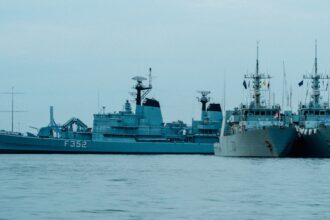
Kennedy to establish the Executive Committee of the National Security Council (ExComm), a group of senior advisors tasked with formulating the American response. The situation brought the United States and Soviet Union to the closest point of nuclear warfare during the Cold War period. President Kennedy chose to implement a naval blockade, officially termed a “quarantine” to avoid the legal implications of a blockade during peacetime, rather than pursuing immediate military action against the missile sites.
This approach provided space for diplomatic negotiations while demonstrating American determination to address the threat. Through a combination of formal diplomatic channels and secret communications, the crisis was resolved when Soviet Premier Nikita Khrushchev agreed to dismantle the missile installations in Cuba. In exchange, the United States committed to not invade Cuba and secretly agreed to remove Jupiter missiles from Turkey.
The crisis concluded on October 28, 1962, when Khrushchev announced the withdrawal of Soviet missiles from Cuba.
Key Takeaways
- The Cuban Missile Crisis marked a pivotal moment in Cold War history, ending with a tense US-Soviet standoff.
- It significantly influenced arms control efforts and diplomatic strategies to prevent nuclear conflict.
- Fidel Castro and Cuba faced lasting political and regional consequences from the crisis.
- The event underscored the importance of crisis management, international mediation, and UN involvement.
- The crisis remains relevant today, offering valuable lessons for modern global diplomacy and security.
The Impact on US-Soviet Relations: Cold War Tensions
The resolution of the Cuban Missile Crisis marked a significant turning point in U.S.-Soviet relations. You might consider how this event highlighted the precarious balance of power during the Cold War, as both nations recognized the catastrophic potential of nuclear warfare. The crisis served as a wake-up call, leading to a reevaluation of military strategies and diplomatic approaches.
In the aftermath, both superpowers sought to establish mechanisms to prevent such a close brush with disaster from occurring again. In the years that followed, you would notice a shift towards more cautious engagement between the U.S. and the Soviet Union.
The establishment of the “hotline” communication system between Washington and Moscow was one such development aimed at facilitating direct communication during crises. Additionally, both nations began to explore arms control agreements, recognizing that mutual destruction was not a sustainable path forward. While Cold War tensions persisted, the Cuban Missile Crisis ultimately laid the groundwork for a more structured dialogue between the two superpowers.
The Legacy of the Crisis: Arms Control and Diplomacy

The legacy of the Cuban Missile Crisis is deeply intertwined with the evolution of arms control and diplomacy in international relations. You may find it intriguing that this crisis catalyzed a series of treaties aimed at curbing the proliferation of nuclear weapons. The most notable among these was the Nuclear Non-Proliferation Treaty (NPT), which was opened for signature in 1968 and aimed to prevent the spread of nuclear weapons while promoting peaceful uses of nuclear energy.
As you explore this legacy further, you might appreciate how the crisis underscored the importance of diplomacy in resolving conflicts. The lessons learned from this tense standoff prompted both superpowers to engage in more constructive dialogue, leading to subsequent agreements like the Strategic Arms Limitation Talks (SALT). These negotiations not only aimed to limit the number of nuclear weapons but also fostered a sense of cooperation that had been largely absent during earlier phases of the Cold War.
The Cuban Perspective: Fidel Castro and the Fallout
From Cuba’s perspective, the crisis was a defining moment that shaped its relationship with both superpowers. You may find it compelling to consider how Fidel Castro viewed the events unfolding around him. For Castro, aligning with the Soviet Union was not merely a strategic choice; it was also a matter of survival for his revolutionary government.
The presence of Soviet missiles on Cuban soil was seen as a necessary deterrent against U.S. aggression, especially given America’s history of intervention in Latin America. However, as you reflect on Castro’s position during and after the crisis, you might also recognize that he felt sidelined by the negotiations between Kennedy and Soviet Premier Nikita Khrushchev.
While he had initially welcomed Soviet support, Castro grew increasingly concerned that his sovereignty was being compromised in favor of superpower diplomacy. The fallout from the crisis left Cuba in a precarious position, as it became clear that its fate was often determined by decisions made far beyond its borders.
The Impact on Latin America: Regional Repercussions
| Metric | Details |
|---|---|
| Duration of Crisis | 13 days (October 16-28, 1962) |
| Number of Nuclear Missiles Removed | Approximately 42 Soviet missiles from Cuba |
| US Missile Withdrawal | Jupiter missiles removed from Turkey and Italy |
| Establishment of Direct Communication | Hotline between Washington and Moscow established in 1963 |
| Impact on US-Soviet Relations | Initiated arms control talks, including the Nuclear Test Ban Treaty (1963) |
| Cuban Missile Crisis Casualties | None directly from the crisis |
| Long-term Military Impact | Increased focus on nuclear arms control and crisis management |
| Political Impact in Cuba | Strengthened Castro’s regime and Cuba’s alignment with USSR |
The Cuban Missile Crisis had profound implications for Latin America as a whole. You might consider how this event influenced regional politics and perceptions of U.S. interventionism. In many Latin American countries, the crisis served as a stark reminder of the geopolitical struggles between superpowers and their impact on local sovereignty. For some nations, it reinforced anti-American sentiments and fueled movements advocating for greater independence from U.S. influence. Moreover, as you examine the regional repercussions, you may find it interesting how countries like Brazil and Argentina began to reassess their own security policies in light of the crisis. The fear of becoming pawns in a larger geopolitical game led some nations to pursue their own military capabilities or seek alliances with other powers. This shift contributed to a more complex landscape in Latin America, where local leaders sought to navigate their interests amid Cold War dynamics.
The Global Nuclear Arms Race: Heightened Tensions

The Cuban Missile Crisis did not merely affect U.S.-Soviet relations; it also intensified the global nuclear arms race. You may find it alarming to consider how both superpowers ramped up their nuclear arsenals in response to perceived threats from one another. The crisis revealed vulnerabilities on both sides, prompting an urgent need for military preparedness that would only escalate tensions further.
As you delve into this aspect of the crisis, you might reflect on how nations around the world responded to these heightened tensions. Countries began to reassess their own security strategies, leading to an increase in nuclear proliferation efforts among various states. The fear of falling behind in military capabilities became a driving force for many nations, resulting in an arms race that would dominate international relations for decades.
The Lessons Learned: Crisis Management and Diplomacy
One of the most significant outcomes of the Cuban Missile Crisis was the wealth of lessons learned regarding crisis management and diplomacy. You may appreciate how this event highlighted the importance of communication and negotiation in averting disaster. The close call served as a reminder that misunderstandings and miscalculations could have catastrophic consequences, prompting leaders to prioritize dialogue over aggression.
As you reflect on these lessons, you might also consider how they have been applied in subsequent international crises. The emphasis on back-channel communications and diplomatic engagement became integral components of foreign policy strategies for many nations. The crisis underscored that effective leadership during times of tension requires not only military readiness but also a commitment to finding peaceful resolutions.
The Role of the United Nations: International Mediation
The United Nations played a crucial role during and after the Cuban Missile Crisis, serving as a platform for international dialogue and mediation. You may find it enlightening to explore how UN Secretary-General U Thant facilitated communication between the U.S.
His efforts to promote dialogue helped de-escalate tensions and provided a neutral ground for discussions. In examining this role further, you might appreciate how the crisis prompted calls for reform within the UN system itself. Many nations recognized that effective international mediation was essential for preventing future conflicts and managing crises more effectively.
The lessons learned from this experience contributed to ongoing discussions about enhancing UN capabilities in conflict resolution and peacekeeping.
The Impact on US Domestic Politics: Kennedy’s Leadership
The Cuban Missile Crisis had significant ramifications for U.
domestic politics, particularly regarding President Kennedy’s leadership style and public perception. You may find it interesting how Kennedy’s handling of the crisis bolstered his reputation as a decisive leader capable of navigating complex international challenges.
His ability to balance military options with diplomatic solutions resonated with many Americans who feared nuclear war. However, as you delve deeper into this aspect, you might also recognize that not all responses were positive. Critics argued that Kennedy’s initial handling of intelligence reports and his decision-making process were flawed, raising questions about transparency and accountability within his administration.
This internal debate reflected broader concerns about U.S. foreign policy direction during a time when public trust in government was already waning.
The Cuban Missile Crisis in Popular Culture: Film and Literature
The Cuban Missile Crisis has left an indelible mark on popular culture, inspiring numerous films, books, and documentaries that explore its complexities and implications. You may find it fascinating how filmmakers have depicted this tense standoff through various lenses, often highlighting themes of fear, uncertainty, and human resilience in the face of potential annihilation. As you explore these cultural representations further, you might appreciate how they serve not only as entertainment but also as educational tools that help new generations understand this pivotal moment in history.
Works like “Thirteen Days,” which dramatizes events from an insider’s perspective, provide valuable insights into decision-making processes during crises while emphasizing the human element behind political maneuvering.
The Current Relevance: Lessons for Modern International Relations
As you reflect on the Cuban Missile Crisis today, you may find its lessons increasingly relevant in our contemporary geopolitical landscape. The rise of new powers and ongoing conflicts around the world echo many themes from this historical episode—miscommunication, brinkmanship, and the ever-present threat of nuclear escalation remain pressing concerns for global leaders. In considering these parallels, you might appreciate how modern diplomacy continues to grapple with similar challenges faced during the Cold War era.
As nations navigate complex relationships marked by competition and cooperation, understanding past crises like the Cuban Missile Crisis can inform strategies for conflict resolution and promote stability in an increasingly interconnected world.
The aftermath of the Cuban Missile Crisis had profound implications for U.S.-Cuba relations and the broader context of the Cold War. One insightful article that delves into the long-term effects of this pivotal moment in history is available at this link. It explores how the crisis shaped diplomatic strategies and military policies in the years that followed, highlighting the delicate balance of power that emerged in the wake of the confrontation.
WATCH THIS 🎬 The 12-Hour Fuse: How One Man’s Vote Stopped Nuclear War
FAQs
What was the Cuban Missile Crisis?
The Cuban Missile Crisis was a 13-day confrontation in October 1962 between the United States and the Soviet Union over the presence of Soviet ballistic missiles in Cuba. It is considered one of the closest moments the Cold War came to escalating into a full-scale nuclear war.
What were the immediate outcomes of the Cuban Missile Crisis?
The immediate outcomes included the Soviet Union agreeing to remove its missiles from Cuba, the United States pledging not to invade Cuba, and the U.S. secretly agreeing to remove its Jupiter missiles from Turkey. Both superpowers also established a direct communication link known as the “Hotline” to prevent future crises.
How did the Cuban Missile Crisis affect U.S.-Soviet relations?
The crisis led to a temporary easing of Cold War tensions and initiated a period of détente. It prompted both nations to pursue arms control agreements, such as the Nuclear Test Ban Treaty of 1963, and improved diplomatic communication channels.
What impact did the crisis have on Cuba?
Cuba remained under the leadership of Fidel Castro and continued its alliance with the Soviet Union. However, the crisis reinforced Cuba’s strategic importance and its role as a focal point in Cold War geopolitics.
Did the Cuban Missile Crisis lead to any changes in military or foreign policy?
Yes, the crisis led to increased emphasis on nuclear arms control and crisis management. Both the U.S. and the USSR enhanced their intelligence capabilities and communication systems to avoid misunderstandings that could lead to nuclear conflict.
What was the global reaction to the resolution of the Cuban Missile Crisis?
The resolution was widely seen as a relief and a victory for diplomacy. It demonstrated the dangers of nuclear brinkmanship and underscored the need for peaceful conflict resolution during the Cold War era.
How did the Cuban Missile Crisis influence future Cold War confrontations?
The crisis set a precedent for cautious negotiation and highlighted the catastrophic risks of nuclear war. It influenced future Cold War policies by encouraging dialogue and arms control agreements between the superpowers.