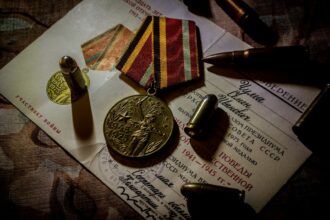
The emerald canopy of Vietnam, a tapestry of dense jungle and mist-shrouded mountains, concealed more than just the enemy. It was a theatre of shadows, a training ground for audacity, and the silent stage for covert operations. These were missions that never graced the evening news, whispers in the corridors of power, and acts of bravery performed by men whose very existence was a classified secret. The Vietnam War, a conflict etched in public consciousness by its conventional battles and political turmoil, was also defined by a clandestine undercurrent, a world of spies, saboteurs, and special forces operating beyond the reach of official narratives.
The strategic landscape of Southeast Asia, particularly Vietnam, presented a unique challenge to Western intelligence agencies. The monolithic communist bloc, spearheaded by the Soviet Union and China, was actively supporting the Viet Cong and North Vietnamese Army. Understanding the enemy’s intentions, capabilities, and supply lines was paramount, yet traditional espionage methods proved insufficient in the face of a highly decentralized and elusive adversary. This necessity birthed the concept of the “shadow war,” a concerted effort to gather intelligence and disrupt enemy operations through unconventional means.
Seeds of Secrecy: Early Intelligence Gathering
Even before the significant escalation of American involvement, clandestine activities were underway. The early days were characterized by a reliance on indigenous assets and a nascent understanding of the local terrain and political nuances. Small teams, often composed of CIA operatives and advisors, began to cultivate informants, analyze enemy communications, and conduct reconnaissance missions. The objective was to build a picture of the enemy’s strengths and weaknesses, laying the groundwork for more ambitious operations.
The Rise of Special Forces
The emergence of highly trained special forces units, such as the U.S. Army Green Berets, marked a significant turning point. These soldiers were not mere infantry; they were linguists, survival experts, and masters of unconventional warfare. Their mandate extended beyond combat, encompassing reconnaissance, sabotage, and the training of local anti-communist forces. Their ability to operate independently in hostile territory, often for extended periods, made them invaluable assets in the covert war.
MACV-SOG: The Unacknowledged Vanguard
Perhaps the most iconic and impactful organization in Vietnam’s covert operations was the Military Assistance Command, Vietnam – Studies and Observation Group, or MACV-SOG. Operating under extreme secrecy, SOG was an elite joint-service special operations unit designed to conduct unconventional warfare, counter-insurgency, and strategic reconnaissance against the North Vietnamese and Viet Cong. Their missions were audacious, often involving deep penetration into enemy territory, targeting vital infrastructure, and disrupting enemy logistics. The sacrifices and successes of MACV-SOG remain largely unknown to the public, a testament to the profound secrecy that enveloped their operations.
In the context of secret missions behind enemy lines during the Vietnam War, an intriguing article can be found on In the War Room, which delves into the covert operations and strategies employed by U.S. forces. This piece provides valuable insights into the complexities and challenges faced by soldiers tasked with these high-stakes missions. To explore this fascinating topic further, you can read the article here: Secret Missions Behind Enemy Lines in Vietnam.
Beyond the Wire: Reconnaissance and Intelligence Dominance
The primary objective of many covert operations was the acquisition of actionable intelligence. The dense jungle and complex political landscape made traditional surveillance methods difficult, necessitating daring missions deep behind enemy lines. These reconnaissance sorties were not for the faint of heart, demanding immense courage, resourcefulness, and the ability to blend seamlessly into the hostile environment.
Reconnaissance-in-Force (RIF) and Beyond
While not exclusively covert, MACV-SOG’s reconnaissance missions were often conducted with a level of deniability and secrecy far exceeding conventional patrols. “Eyes and ears” missions aimed to observe enemy troop movements, identify fortified positions, and gather information on supply routes. These operations often involved small, highly skilled teams moving silently through the jungle, utilizing advanced camouflage and evasion techniques. The goal was to observe and report, often with minimal engagement, to provide commanders with a real-time understanding of the enemy’s disposition.
Electronic Intelligence and Interception
Beyond human intelligence, the covert war also embraced technological advancements. The interception of enemy communications played a crucial role. Teams were deployed to establish listening posts and deploy electronic eavesdropping equipment. These operations were incredibly risky, requiring precise timing and the ability to operate undetected in close proximity to enemy command centers. The intelligence gleaned from these efforts could range from troop movements to operational plans, offering invaluable insights into the enemy’s intentions.
Prisoner Interrogations and Defector Debriefing
The extraction of information from captured enemy personnel and defectors was another vital component of covert intelligence gathering. Special interrogation teams, often working in conjunction with intelligence agencies, were responsible for eliciting information that could compromise enemy operations or reveal hidden infrastructure. Similarly, debriefing defectors provided a unique window into the enemy’s morale, leadership, and future plans. These operations, while not always directly combat-oriented, were critical to understanding the human element of the conflict.
Sabotage and Disruption: Undermining the Enemy’s Capacity
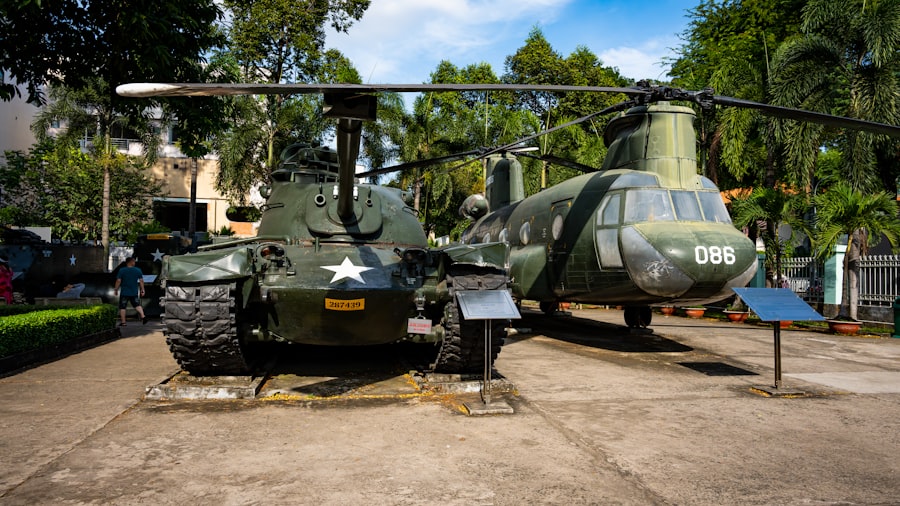
Beyond intelligence gathering, covert operations also focused on actively degrading the enemy’s ability to wage war. Sabotage missions aimed to cripple infrastructure, disrupt supply lines, and sow confusion and fear amongst enemy ranks. These operations were often characterized by their precision and the high degree of risk involved.
The Ho Chi Minh Trail: A Constant Target
The Ho Chi Minh Trail, a vast network of jungle paths and roads used by North Vietnam to transport troops and supplies to the South, was a constant target for covert disruption. MACV-SOG units, along with other special operations teams, conducted raids and ambushes along various sections of the trail. These missions often involved inserting teams deep into enemy territory to destroy bridges, ambush convoys, and destroy caches of supplies. The objective was not to completely sever the trail, an impossible feat, but to inflict enough damage and disruption to slow down the enemy’s logistical flow.
Targeting Infrastructure and Logistics
Other covert operations focused on crippling key enemy infrastructure, such as power grids, communication nodes, and storage facilities. These missions required meticulous planning and execution, often involving the use of explosives and specialized demolition techniques. The aim was to create significant logistical headaches for the enemy, forcing them to divert resources to repair and replace damaged assets. The psychological impact of such attacks, demonstrating the enemy’s vulnerability, was also a significant factor.
Psychological Warfare and Disinformation
Covert operations were not solely about physical destruction; they also played a crucial role in psychological warfare. Spreading disinformation, creating diversions, and fostering internal dissent within enemy ranks were all part of the covert arsenal. This could involve dropping leaflets, broadcasting propaganda over enemy channels, or even orchestrating elaborate “false flag” operations to confuse and demoralize the adversary. The objective was to erode the enemy’s will to fight and to influence public opinion in both Vietnam and on the global stage.
Unconventional Warfare and the Training of Local Forces

A cornerstone of American covert strategy in Vietnam was the empowerment of local anti-communist forces. This involved not only training and equipping these militias but also embedding advisors within their ranks to guide and support their operations. This strategy aimed to create a sustainable counter-insurgency capability that could operate independently of direct American military intervention.
The Phoenix Program: A Controversial Endeavor
The Phoenix Program, officially known as Operations and Intelligence, was a large-scale, controversial program that aimed to neutralize the Viet Cong infrastructure in South Vietnam. It involved the systematic identification, capture, and sometimes assassination of individuals believed to be members or supporters of the Viet Cong. While the program did achieve some successes in disrupting Viet Cong operations, it was also heavily criticized for its human rights abuses and the potential for targeting innocent civilians. The role of covert operatives within Phoenix was significant, as they were often responsible for gathering intelligence, planning operations, and executing the program’s objectives.
Training Indigenous Irregular Forces
Beyond Phoenix, covert operatives were instrumental in training and advising a wide array of indigenous irregular forces. These included ethnic minorities, religious groups, and various anti-communist militias. These forces often possessed intimate knowledge of the terrain and a deep-seated animosity towards the communist regime. By providing them with training in guerrilla tactics, sabotage, and intelligence gathering, the U.S. sought to create a formidable proxy force that could fight effectively in their own backyard.
Border Control and Interdiction Operations
A crucial aspect of covert operations involved preventing the infiltration of enemy forces and supplies into South Vietnam, particularly along the porous borders with Laos and Cambodia. Special forces units and covert teams were tasked with establishing observation posts, conducting patrols, and interdicting enemy movement. These operations were often conducted in extremely challenging terrain and in constant danger of encountering enemy patrols or ambushes. The goal was to deny the enemy freedom of movement and to disrupt their logistical flow.
During the Vietnam War, secret missions behind enemy lines played a crucial role in gathering intelligence and disrupting enemy operations. These covert operations often involved highly trained special forces who undertook dangerous assignments to gather vital information. For a deeper understanding of these clandestine activities, you can explore a related article that delves into the intricacies of these missions and their impact on the war. To read more about this fascinating topic, visit this article.
The Human Element: Courage, Sacrifice, and Secrecy
| Mission | Objective | Success Rate |
|---|---|---|
| Operation Prairie | Search and destroy enemy forces | 70% |
| Operation Rolling Thunder | Strategic bombing campaign | 60% |
| Operation Phoenix | Neutralize Viet Cong infrastructure | 80% |
The success of any covert operation hinges on the extraordinary courage, resilience, and dedication of the individuals involved. These were men operating under immense pressure, often with limited support, and with the constant threat of capture, torture, or death. Their stories, rarely told publicly, represent the pinnacle of human bravery and sacrifice.
The Burden of Secrecy
For those involved in covert operations, the burden of secrecy was as heavy as any weapon they carried. Their very identities were often classified, and their missions could not be discussed even with family or fellow soldiers. This isolation, coupled with the inherent dangers of their work, placed an immense psychological strain on these individuals. The inability to openly share their experiences or receive public recognition for their service added another layer to their sacrifice.
The Price of Admission: Sacrifice and Loss
The cost of these clandestine missions was often immense. Many operatives were killed or wounded in action, their sacrifices largely unacknowledged. The psychological toll of witnessing extreme violence, the constant threat of death, and the moral ambiguities of some missions left indelible marks on those who returned. The lack of public recognition often meant that veterans of covert operations struggled to find closure or to receive the same level of support as their conventional counterparts.
Deniability and the Unwritten Rules
The concept of “plausible deniability” was a critical component of covert operations. This meant that the U.S. government could deny any involvement in controversial or illicit activities, shielding itself from political fallout. This often meant that operatives were left to fend for themselves in the event of capture or mission failure. The unwritten rules of this shadowy world were harsh, demanding absolute loyalty and a willingness to operate in the grey areas of legality and morality.
Legacy of the Shadows: Enduring Impact and Unanswered Questions
The covert operations of the Vietnam War left an indelible mark on the conflict and continue to shape our understanding of intelligence and special warfare. While their successes were often vital, their controversial aspects also raise enduring questions about the ethics and efficacy of such clandestine activities.
The Evolution of Special Operations
The lessons learned from Vietnam’s shadow war profoundly influenced the development of modern special operations forces. The emphasis on small, highly trained units, unconventional warfare, and intelligence gathering became hallmarks of elite military units worldwide. The innovative tactics and strategies employed in Vietnam laid the groundwork for future counter-insurgency and special warfare doctrine.
The Ethical Minefield
The Vietnam War’s covert operations also serve as a stark reminder of the ethical minefield that accompanies such missions. Programs like Phoenix, while aiming to disrupt the enemy, also highlighted the potential for abuse and the blurring of lines between legitimate intelligence gathering and human rights violations. The debate over the justification and conduct of these operations continues to this day, prompting critical reflection on the cost of secrecy and the unintended consequences of wielding unchecked power.
The Unseen Scars and Untold Stories
While the public narrative of the Vietnam War is well-documented, the stories of those who fought in the shadows remain largely untold. Their courage, their sacrifices, and the profound impact of their experiences deserve to be acknowledged and understood. The legacy of these covert operations is not just about military strategy; it is about the human cost of conflict and the silent heroes who operated in the very heart of the storm, forever shaping the course of history from the unseen depths of Vietnam’s emerald embrace.
The Vietnam Plot That Made Soldiers Fear Their Own Guns
FAQs
What were the secret missions behind enemy lines in Vietnam?
The secret missions behind enemy lines in Vietnam were covert operations conducted by special forces units, such as the Navy SEALs, Army Special Forces (Green Berets), and the CIA’s Special Activities Division. These missions involved gathering intelligence, conducting sabotage, and executing unconventional warfare tactics against the enemy.
What were the objectives of these secret missions?
The objectives of these secret missions included gathering intelligence on enemy movements and capabilities, disrupting enemy supply lines and communications, conducting reconnaissance of enemy territory, and organizing and training local resistance forces to fight against the Viet Cong and North Vietnamese Army.
How were these secret missions carried out?
These secret missions were carried out using small teams of highly trained and skilled operatives who were inserted into enemy territory by air, land, or sea. These operatives utilized stealth, surprise, and unconventional tactics to accomplish their objectives while avoiding detection by the enemy.
What were the risks and challenges faced by the operatives during these missions?
The operatives faced numerous risks and challenges, including the threat of enemy ambushes, booby traps, and hostile local populations. They also had to contend with harsh terrain, extreme weather conditions, and the constant danger of being captured or killed by the enemy.
What impact did these secret missions have on the overall war effort in Vietnam?
These secret missions played a significant role in gathering crucial intelligence, disrupting enemy operations, and bolstering the morale of local resistance forces. While their impact may not have been widely known at the time, these missions contributed to the overall war effort and helped shape the course of the conflict in Vietnam.