Covert NATO Operations in Europe: Unveiling Secret Missions
For decades, the North Atlantic Treaty Organization (NATO) has been the cornerstone of transatlantic security, a formidable alliance built on collective defense and political cooperation. While its overt military exercises and diplomatic initiatives are widely publicized, a less visible, yet equally crucial, aspect of NATO’s mandate involves covert operations across Europe. These clandestine missions, shrouded in secrecy, are designed to address a spectrum of threats that lie beyond the scope of conventional warfare, from intelligence gathering and counter-terrorism to cyber warfare and information operations. Unveiling these secret missions requires delving into the intricate world of intelligence agencies, special forces, and highly specialized units operating under the radar, often in complex geopolitical environments. The very nature of their work demands anonymity, making definitive accounts difficult to ascertain. However, by piecing together declassified reports, expert analyses, and the occasional leaked document, a clearer picture begins to emerge of NATO’s silent protectors.
The post-Cold War era did not usher in an age of universal peace. Instead, the security landscape in Europe, and globally, has become increasingly complex and dynamic. Traditional state-on-state conflict, while diminished in certain regions, has been supplanted or augmented by a proliferation of unconventional threats. These threats often originate from non-state actors, rogue states, or the insidious manipulation of information and technology, posing significant challenges to the territorial integrity and democratic values of NATO member states. The need for NATO to adapt its operational capabilities to counter these evolving threats has been paramount.
State-Sponsored Hybrid Warfare and its Manifestations
The rise of hybrid warfare has been a defining characteristic of recent geopolitical competition. This multifaceted approach combines conventional military tactics with irregular tactics, including disinformation, cyberattacks, economic coercion, and political subversion. Nations employing hybrid warfare often seek to destabilize adversaries, undermine public trust, and achieve strategic objectives without triggering a direct military response. For NATO, this presents a significant challenge as the lines between peace and conflict blur, and attribution of hostile actions becomes exceedingly difficult.
The Challenge of Attribution in Cyber and Information Warfare
Attributing cyberattacks and sophisticated disinformation campaigns to specific state or non-state actors is a monumental task. Malicious actors often employ sophisticated techniques to mask their origins, making it difficult for intelligence agencies to gather conclusive evidence. This lack of definitive attribution can hinder a coordinated response, as NATO members grapple with how to react to actions that are perceived as hostile but lack clear accountability. Covert NATO operations are often instrumental in attempting to unravel these complex attribution chains and identify the perpetrators.
The Rise of Transnational Terrorism and Extremism
Terrorism, in its various forms, remains a persistent threat to European security. From religiously motivated extremism to ethnically driven separatist movements and ideologically radicalized individuals, terrorist groups pose a significant danger to civilian populations and critical infrastructure. NATO’s role in counter-terrorism has evolved from a secondary consideration to a core component of its security mandate, requiring capabilities that extend beyond traditional military deployments.
Intelligence Gathering and Early Warning Systems
Effective counter-terrorism strategies are heavily reliant on robust intelligence gathering and sophisticated early warning systems. Covert NATO operations often focus on infiltrating extremist networks, monitoring communications, and identifying potential plots before they can be executed. This requires specialized human intelligence (HUMINT) capabilities, advanced signals intelligence (SIGINT), and close cooperation with the intelligence services of member states. The proactive identification of threats is crucial to preventing attacks and mitigating their impact.
Geopolitical Instability in NATO’s Neighborhood
Europe’s immediate neighborhood has experienced significant periods of instability, including conflicts in Eastern Europe, the Balkans, and the Middle East. These regions can serve as breeding grounds for extremist ideologies, organized crime, and the proliferation of weapons, all of which can have ripple effects into NATO member states. Covert operations are often employed to monitor these situations, gather intelligence on emerging threats, and support diplomatic efforts to de-escalate tensions.
Monitoring Rogue Actors and Proliferation Networks
The spread of weapons of mass destruction, advanced conventional weapons, and related technologies by rogue states or non-state actors is a serious concern. Covert NATO missions may be tasked with monitoring proliferation networks, disrupting illicit arms shipments, and gathering intelligence on the capabilities and intentions of actors seeking to acquire such weaponry. This often involves complex interdiction operations and clandestine surveillance.
Recent discussions surrounding NATO’s secret operations in Europe have highlighted the alliance’s strategic maneuvers in response to evolving geopolitical threats. For an in-depth analysis of these covert activities, you can refer to a related article that delves into the implications of NATO’s clandestine efforts and their impact on regional stability. To read more, visit this article.
The Spectrum of Covert NATO Operations
NATO’s covert operations are not a monolithic entity but rather a diverse set of activities tailored to specific threats and operational environments. These missions are often conducted by highly trained and specialized units, operating with a degree of autonomy to achieve their objectives. The emphasis is on precision, discretion, and minimizing collateral damage, both in terms of unintended casualties and political fallout.
Intelligence, Surveillance, and Reconnaissance (ISR) Missions
A significant portion of NATO’s covert activities revolves around intelligence gathering. This encompasses a broad range of activities aimed at providing decision-makers with actionable intelligence to inform policy and military planning. The ability to gather accurate and timely intelligence is paramount in anticipating and responding to threats.
HUMINT Operations for Deep Cover Infiltration
Human intelligence remains a critical asset in understanding the intentions and capabilities of adversaries. Covert NATO operations often involve the deployment of highly skilled agents tasked with infiltrating target organizations, gaining access to sensitive information, and cultivating sources within enemy ranks. These operations require exceptional psychological skills, linguistic proficiency, and the ability to operate under extreme pressure for extended periods. The risks associated with HUMINT are substantial, but the rewards in terms of actionable intelligence can be immense.
SIGINT and Cyber Espionage for Electronic Eavesdropping
Signals intelligence (SIGINT) involves the interception and analysis of electronic communications and other signals. Covert NATO units may employ specialized equipment and techniques to eavesdrop on enemy communications, gather intelligence on their plans, and disrupt their command and control systems. In the digital age, this has expanded to encompass cyber espionage, where specialized teams attempt to gain unauthorized access to enemy computer networks and extract valuable data. This can range from monitoring email traffic to exfiltrating sensitive military or government documents.
Counter-Terrorism and Counter-Insurgency Operations
The fight against terrorism and insurgency requires a multifaceted approach, and covert operations play a vital role in disrupting these threats at their source. These missions are often conducted in challenging environments where overt military presence might be counterproductive.
Special Operations Forces (SOF) Deployments for Direct Action
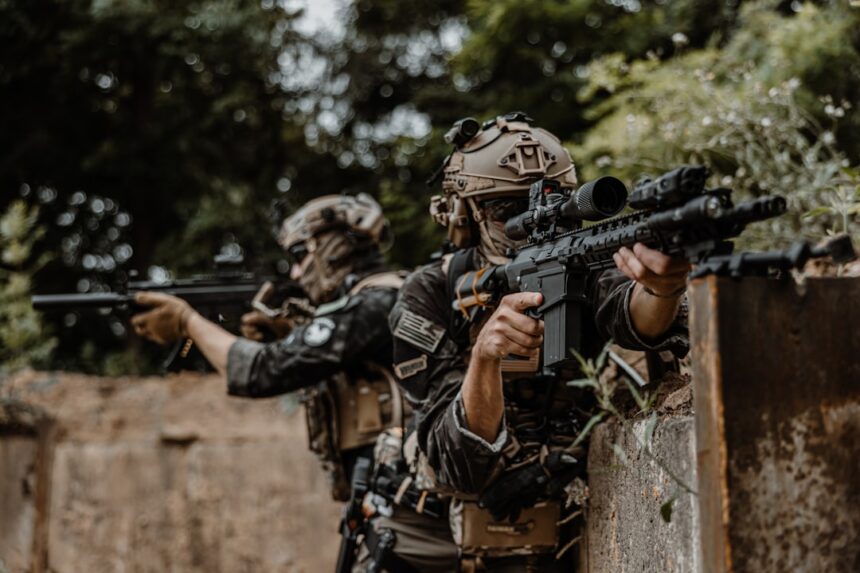
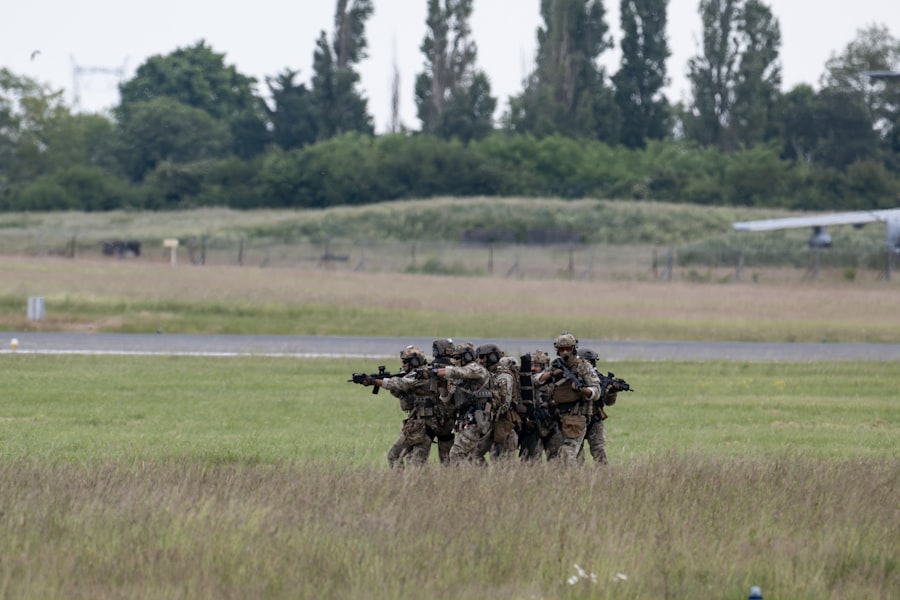
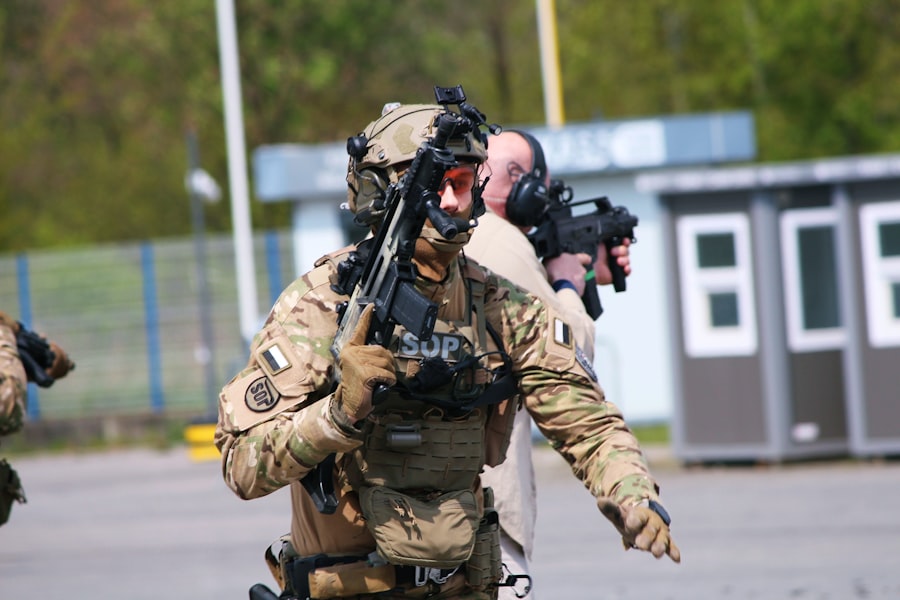
NATO’s Special Operations Forces (SOF) are frequently at the forefront of covert counter-terrorism and counter-insurgency operations. These highly trained and adaptable units are capable of conducting a wide range of missions, including hostage rescue, direct action against terrorist strongholds, and the training and advising of local partner forces in counter-insurgency techniques. Their ability to operate in small, agile teams allows for precision strikes and minimizes their footprint.
Unconventional Warfare and Support to Resistance Movements
In certain scenarios, NATO might engage in unconventional warfare, which involves supporting indigenous resistance movements or fostering internal opposition to hostile regimes. This can involve providing training, equipment, and logistical support to groups operating against common adversaries. These operations are highly sensitive and require careful consideration of potential blowback and unintended consequences. The goal is to empower local actors to achieve objectives that align with NATO’s strategic interests, without direct military intervention.
Cyber Warfare and Information Operations
The digital domain has become a new battlefield, and NATO is actively engaged in developing and employing capabilities in cyber warfare and information operations. These covert activities are designed to disrupt enemy capabilities, shape perceptions, and protect critical infrastructure.
Defensive Cyber Operations and Network Protection
While often perceived as offensive, a significant portion of NATO’s cyber operations are defensive. Covert units work to protect NATO’s own networks and critical infrastructure from cyberattacks. This involves identifying vulnerabilities, developing countermeasures, and responding to ongoing intrusions. The goal is to maintain operational integrity and prevent adversaries from disrupting vital communication and defense systems.
Offensive Cyber Operations for Disruption and Sabotage
NATO also possesses offensive cyber capabilities. These can be employed covertly to disrupt enemy command and control systems, disable critical infrastructure, or undermine their ability to wage war. The development and deployment of these capabilities are highly classified, as their effectiveness relies on surprise and the inability of adversaries to anticipate or defend against them. This can include the introduction of malware, denial-of-service attacks, or the manipulation of digital systems.
Countering Disinformation and Propaganda
In the modern information age, the battle for hearts and minds is as crucial as any physical engagement. Covert NATO operations may be tasked with identifying and countering disinformation campaigns and propaganda orchestrated by adversaries. This can involve exposing false narratives, promoting accurate information, and working with social media platforms to disrupt the spread of malicious content. The aim is to maintain public trust and prevent adversaries from exploiting societal divisions.
The Legal and Ethical Framework of Covert Operations
The execution of covert operations by a democratic alliance like NATO is subject to a complex web of legal and ethical considerations. Balancing the necessity of secrecy with principles of accountability and adherence to international law is a constant challenge.
The Role of National Legislation and International Law
All NATO operations, including covert ones, must ultimately comply with the national laws of the host nation and relevant international legal frameworks. This includes adherence to international humanitarian law, human rights law, and the principles of state sovereignty. The legal basis for specific operations is often classified, but the overarching requirement for legality remains.
Oversight and Accountability Mechanisms
Despite the inherent secrecy, NATO has established oversight mechanisms to ensure that covert operations are conducted responsibly. These typically involve parliamentary oversight committees, national intelligence review bodies, and internal review processes within NATO itself. The challenge lies in ensuring that these mechanisms are sufficiently robust to provide meaningful accountability without compromising operational security.
The Principle of Necessity and Proportionality
Covert operations are generally considered a last resort, employed only when conventional methods are insufficient or infeasible. The principle of necessity dictates that such operations must be undertaken only when there is a clear and present danger that cannot be addressed otherwise. Furthermore, the principle of proportionality requires that the anticipated benefits of the operation must outweigh the potential risks and collateral damage.
Minimizing Collateral Damage and Civilian Casualties
A paramount ethical consideration in any military operation, covert or overt, is the minimization of harm to civilians and civilian infrastructure. Covert NATO operations are meticulously planned to reduce the risk of unintended casualties, often employing highly precise targeting and specialized tactics. The reputation of NATO as an alliance committed to the protection of human rights depends on its adherence to these principles.
Challenges and Risks Associated with Covert Operations
The nature of covert operations inherently involves significant challenges and risks, both for the individuals involved and for the alliance as a whole. These risks are carefully weighed against the potential benefits of undertaking such missions.
The Danger to Personnel and the Risk of Compromise
Individuals involved in covert operations face extreme personal danger, operating in hostile environments and often without the overt support of military forces. The risk of capture, injury, or death is ever-present. Furthermore, the compromise of an operation or the exposure of an agent can have severe consequences, jeopardizing future intelligence gathering and potentially endangering lives.
The Potential for Political Fallout and International Scrutiny
If a covert NATO operation is exposed prematurely or without proper justification, it can lead to significant political fallout. This can include damage to diplomatic relations, public outcry, and increased international scrutiny of NATO’s activities. The alliance must carefully manage its public image and ensure that its covert actions are perceived as legitimate and necessary in the eyes of both its own populations and the international community.
The Difficulty of Verification and Attribution
As mentioned previously, the covert nature of these operations makes independent verification and attribution of success or failure exceptionally difficult. This can lead to skepticism and mistrust, particularly when operations are conducted in politically sensitive regions. The lack of transparency, while necessary for operational security, can also be a source of friction.
Maintaining Secrecy in an Interconnected World
In an increasingly interconnected world with advanced surveillance technologies and a voracious media appetite for information, maintaining secrecy is a formidable challenge. Even the most sophisticated operations can be compromised by a single leak or an unexpected event. NATO must constantly adapt its security protocols and operational procedures to mitigate these risks.
Recent discussions surrounding NATO’s secret operations in Europe have shed light on the intricate strategies employed by the alliance to enhance regional security. For those interested in a deeper understanding of these covert activities, an insightful article can be found at this link, which explores the implications of NATO’s clandestine missions and their impact on geopolitical dynamics.
The Future of Covert NATO Operations in Europe
| Operation Name | Location | Objective | Duration |
|---|---|---|---|
| Operation Trident Juncture | Norway | Training and readiness exercise | 2018 |
| Operation Atlantic Resolve | Eastern Europe | Reassure NATO allies and deter Russian aggression | Ongoing |
| Operation Joint Endeavor | Bosnia and Herzegovina | Peacekeeping mission | 1995-2004 |
As the global security environment continues to evolve, NATO’s reliance on covert capabilities is likely to increase. The nature of future threats will necessitate even greater agility, technological sophistication, and intelligence-driven approaches.
Adapting to Emerging Threats in the Digital and Hybrid Warfare Domains
The increasing sophistication of cyber warfare and the persistent threat of hybrid warfare demand that NATO continually invest in and adapt its covert capabilities. This will likely involve further development of offensive and defensive cyber tools, advanced intelligence-gathering platforms, and sophisticated disinformation countermeasures. The ability to operate effectively in the information space will be as critical as success on the physical battlefield.
Enhancing Interoperability and Intelligence Sharing Among Allies
Effective covert operations rely on seamless cooperation and intelligence sharing among member states. Strengthening these interoperability frameworks and fostering a culture of trust and information exchange will be crucial for future success. This includes investing in secure communication channels and standardized intelligence analysis processes.
The Importance of Strategic Ambiguity and Deterrence
Covert operations can play a vital role in strategic ambiguity, creating uncertainty for potential adversaries about NATO’s capabilities and intentions. This ambiguity can serve as a deterrent, discouraging aggression by making the costs and risks of hostile actions unpredictable. The knowledge that NATO possesses the capability to act covertly, even in the shadows, can be a powerful force for maintaining peace and stability.
Balancing Secrecy with Transparency and Public Trust
The enduring challenge for NATO will be to strike a delicate balance between the necessity of secrecy for its covert operations and the need for transparency and public trust. Maintaining the support of its member populations and the international community requires clear communication about NATO’s overall mission and its commitment to democratic values, even when discussing aspects of its operations that must remain classified. The successful execution of secret missions, when unveiled, should ultimately serve to reinforce NATO’s role as a protector of peace and security.

The Secret Armies NATO Prepared for a Soviet Invasion
FAQs
What are NATO secret operations in Europe?
NATO secret operations in Europe refer to covert activities conducted by the North Atlantic Treaty Organization (NATO) in European countries. These operations are designed to address security threats and challenges, and may include intelligence gathering, counter-terrorism efforts, and other clandestine activities.
How does NATO conduct secret operations in Europe?
NATO conducts secret operations in Europe through a combination of intelligence agencies, special forces units, and other covert capabilities. These operations are often carried out in close coordination with member countries and may involve partnerships with other international organizations.
What is the purpose of NATO secret operations in Europe?
The purpose of NATO secret operations in Europe is to enhance the security and defense of member countries by addressing emerging threats and challenges. These operations are aimed at countering terrorism, preventing the proliferation of weapons of mass destruction, and addressing other security concerns in the region.
Are NATO secret operations in Europe legal?
NATO secret operations in Europe are conducted in accordance with international law and the legal frameworks of member countries. These operations are subject to strict oversight and accountability mechanisms to ensure compliance with legal and ethical standards.
What is the impact of NATO secret operations in Europe?
The impact of NATO secret operations in Europe is often difficult to assess due to their covert nature. However, these operations are intended to contribute to the overall security and stability of the region by addressing security threats and challenges that may not be publicly known.