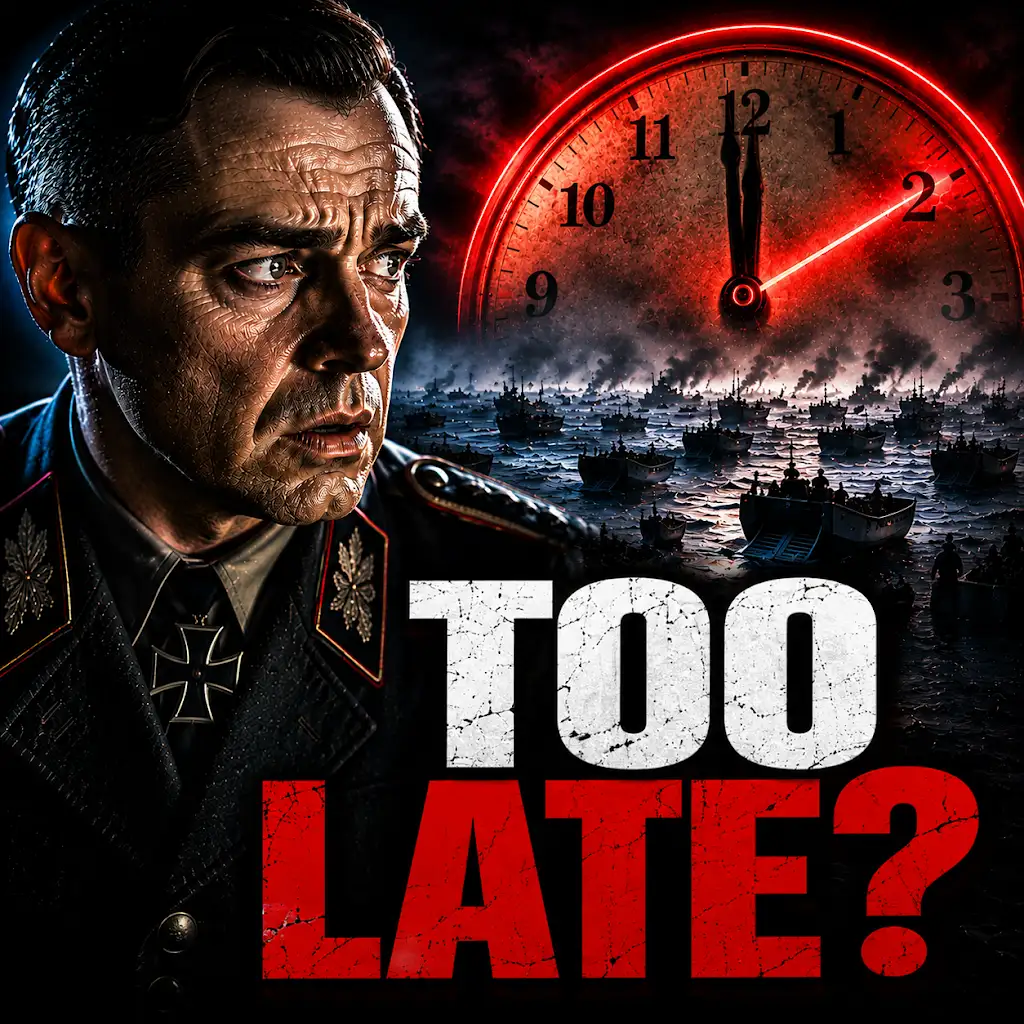
The question of whether German Panzers could have stopped D-Day is a perennial topic of fascination for military historians and enthusiasts alike. It conjures images of massive armored formations rolling across the French countryside, crushing Allied beachheads and turning the tide of the Second World War. Yet, the reality of the situation was far more complex, influenced by a multitude of strategic, logistical, and tactical factors that extended beyond the sheer power of Germany’s formidable tanks.
The allure of the Panzer division lies in its historical reputation for battlefield dominance. Before D-Day, Panzers had carved a path of destruction across Europe, showcasing their speed, firepower, and armored protection. The Panther and Tiger tanks, in particular, were seen as technological marvels, capable of outgunning and outranging most Allied armor. This perception, amplified by wartime propaganda and post-war narratives, fueled the idea that a concentrated deployment of these machines could have shattered the Allied invasion.
The Psychological Impact of German Armor
- Fear and Uncertainty: The very presence of Panzer units on the battlefield instilled a palpable sense of dread in Allied soldiers. Accounts from the Eastern Front and early campaigns in the West often detailed the devastating effectiveness of Panzer assaults, leading to a psychological advantage for the Germans.
- The Tiger and Panther Legends: The formidable reputations of the Tiger and Panther tanks were built on their superior gun caliber, armor thickness, and range. While their actual numbers were relatively small, their impact was magnified by the fear they inspired. Allied tank crews were often advised to engage them from a distance or target their vulnerable points.
- Propaganda and Morale: Both sides understood the psychological weight of armored warfare. German propaganda often highlighted the power of its Panzers, while Allied forces focused on developing tactics and technologies to counter them, further solidifying their perceived invincibility in the public imagination.
Beyond the Battlefield: The Strategic Role of Panzers
The effectiveness of any military unit is not solely determined by its combat prowess but also by its strategic deployment and support. The German High Command faced immense pressure to defend a vast European coastline, and the allocation of its precious Panzer divisions was a critical decision.
Strategic Dilemmas for the Wehrmacht
- The Atlantic Wall: A Fragmented Defense: The Atlantic Wall, a series of coastal fortifications, was intended to repel an amphibious assault. However, it was a monumental undertaking, stretching from the Arctic Circle to the Bay of Biscay, and its construction and manning were uneven. The Panzers were meant to be the mobile reserves, ready to rush to any breach.
- Internal Disputes Over Panzer Deployment: A significant point of contention within the German leadership was the location of the Panzer reserves. Field Marshal Erwin Rommel, who was responsible for the defense of the invasion coast, advocated for the Panzers to be positioned close to the beaches to launch immediate counterattacks. However, Field Marshal Gerd von Rundstedt, the overall commander of Army Group B, favored holding them further inland as a strategic reserve, believing an immediate commitment would lead to their destruction by Allied air power.
- Hitler’s Final Say: Ultimately, Adolf Hitler, influenced by a variety of advisors and his own strategic intuitions (or misjudgments), retained ultimate control over the deployment of the Panzer divisions. This often resulted in delays and indecision, hindering their timely response.
The Operational Realities: What Actually Happened
While the theoretical potential of German Panzers to stop D-Day is a compelling thought experiment, the operational realities of June 6, 1944, tell a different story. Several critical factors limited their ability to intervene effectively.
The Iron Fist’s Fetters: Logistical and Operational Constraints
- Fuel Shortages: The German war machine was chronically starved of fuel. By 1944, Allied strategic bombing had decimated German oil production and transportation infrastructure. Panzers, notoriously thirsty, were significantly hampered by the lack of fuel, limiting their range and operational tempo. Many units were kept stationary simply because they had no fuel to move.
- Lack of Replacements and Training: The relentless attritional warfare on the Eastern Front had taken a severe toll on Germany’s best Panzer crews and equipment. By the time of D-Day, many Panzer divisions were understrength, with newly drafted, less experienced crews and a significant shortage of modern tanks. Repair and manufacturing facilities struggled to keep pace with losses, meaning that even damaged tanks could not be quickly returned to service.
- The Tyranny of Distance: The majority of the most potent Panzer divisions were not positioned directly on the invasion front. They were stationed in Pas-de-Calais, where the Germans mistakenly believed the main Allied landing would occur, and further inland. The journey from these locations to the Normandy beaches was significant, often taking hours or even days, during which time they were vulnerable to constant Allied air attacks.
The Shadow of the Luftwaffe: Air Superiority and its Impact
The Allied air forces, possessing overwhelming superiority, played a decisive role in shaping the battlefield on D-Day and the subsequent weeks. This air dominance directly impacted the Panzers’ ability to operate.
Allied Air Dominance: The Unseen Panzer Killer
- Interdiction and Reconnaissance: Allied fighter-bombers and reconnaissance aircraft relentlessly patrolled the skies over France. They identified and attacked German troop and armor concentrations moving towards the front, effectively strangling their supply lines and disrupting their movements.
- Direct Attacks on Armor: Allied aircraft were equipped with cannons and bombs that could effectively engage and destroy German tanks, even the formidable Panthers and Tigers. The sight of Allied planes overhead was enough to force Panzers to seek cover, halting their advance.
- Psychological Warfare: The constant threat of air attack created immense psychological pressure on German tank crews, forcing them to operate at a disadvantage and often at reduced speeds to avoid detection.
The Battles for the Beachheads: A Tale of Lost Opportunities
Despite the overwhelming odds, some German Panzer units did engage in fierce fighting in the immediate aftermath of the D-Day landings. These engagements, while often heroic, ultimately failed to achieve their objective of pushing the Allies back into the sea.
Key Engagements and Their Outcomes
- The Battle of Normandy: The entire campaign in Normandy became a brutal meat grinder for both sides. The Germans, particularly the Panzer divisions, fought tenaciously, inflicting heavy casualties on the Allies. However, they were gradually worn down by the relentless Allied pressure, superior firepower, and the inability to receive adequate reinforcements and supplies.
- The Fight for Caen: The strategically important city of Caen became a focal point of intense fighting. Panzer divisions, including elite SS units, were deployed to defend it, leading to some of the fiercest armored engagements of the war. While they inflicted significant damage on Allied forces attempting to capture the city, they could not prevent its eventual fall.
- The Falaise Pocket: The disastrous Falaise Pocket saw the encirclement and destruction of a large portion of the German Army, including many of its remaining Panzer units. This marked a decisive turning point in the Normandy campaign and effectively ended any realistic chance of a German counteroffensive capable of stopping D-Day.
The “What Ifs” of History: Could a Different Deployment Have Changed the Outcome?
The question of whether a different deployment of German Panzers could have altered the course of D-Day remains a popular subject of historical speculation. While the Panzers were a powerful weapon, their potential effectiveness was severely curtailed by broader strategic and logistical failures.
Hypothetical Scenarios and Their Limitations
- Rommel’s Plan: If Rommel’s strategy of holding Panzers closer to the coast had been fully implemented, they might have been able to launch earlier, more coordinated counterattacks against the beachheads. However, even this scenario faces significant hurdles.
- Vulnerability to Air Attack: Panzers moving in large formations in daylight would have been exceptionally vulnerable to Allied air power. The effectiveness of Allied fighter-bombers in disrupting German movements has already been highlighted.
- Limited Numbers: Even with a more forward deployment, the sheer number of Allied troops and the scale of the invasion would have presented an immense challenge. The German Panzers were simply outnumbered and outgunned in the overall strategic context.
- Fuel and Ammunition: The fundamental issues of fuel and ammunition shortages would have persisted, limiting the duration and intensity of any counteroffensive.
- The Eastern Front Drain: A crucial factor often overlooked is the vast number of German divisions, including many Panzer divisions, tied down fighting the Soviet Union on the Eastern Front. If more of these had been available in the West, the situation might have been different. However, Hitler’s unwavering commitment to fighting the Soviets, driven by ideological fervor and a belief that the Western Allies were the lesser threat, made such a redistribution highly unlikely.
Conclusion: A Convergence of Factors, Not Just Tanks
In conclusion, while the German Panzers represented a formidable fighting force, the idea that they alone could have stopped D-Day oversimplifies a far more complex reality. The Allied invasion was not merely a battle of tanks; it was a meticulously planned and executed operation supported by overwhelming air and naval power, superior logistics, and a vast numerical advantage.
The German Panzers were ultimately hobbled by a confluence of factors: critical fuel shortages, a lack of experienced crews and modern equipment due to losses on other fronts, the vast distances they had to travel to reach the battle, and the suffocating dominance of the Allied air forces. The strategic miscalculations and internal disputes within the German High Command further compounded these problems.
While the Panzers fought with courage and inflicted significant casualties, their efforts were ultimately insufficient to overcome the immense tide of the Allied invasion. D-Day was a testament to the successful application of overwhelming force and coordinated multi-branch operations, a feat that even the most powerful tanks, operating in isolation and hampered by critical deficiencies, could not have prevented. The question of “Could German Panzers Stop D-Day?” is best answered not by focusing on the potential of the tanks themselves, but by recognizing the systemic failures that prevented them from being a decisive factor.