The Cold War, a period defined by ideological struggle and proxy conflicts, conjures images of mushroom clouds, espionage thrillers, and the ever-present threat of nuclear annihilation. Yet, beneath the veneer of superpower confrontation, a hidden world of clandestine resistance movements flickered and fought, often unseen and largely unacknowledged. These were not the state-sponsored proxy armies or the celebrated dissidents; these were ordinary individuals, driven by conviction, who risked everything to defy oppressive regimes, expose truth, and preserve fragments of freedom. Their stories, often buried under layers of secrecy and propaganda, offer a vital counter-narrative to the monolithic portrayals of the era, revealing the tenacious spirit of human agency even in the face of overwhelming power.
The Seeds of Dissent: Underground Cells and Intellectual Rebellion
The Cold War was a fertile ground for dissent, but the environment in which it sprouted was fraught with peril. State surveillance was pervasive, and any hint of opposition could lead to severe repercussions, including imprisonment, torture, and even death. Yet, the desire for intellectual freedom and political self-determination persisted, manifesting in a multitude of clandestine networks.
The Birth of Samizdat in the Soviet Union
Within the Soviet bloc, the act of expressing dissenting thought was an act of rebellion. The state controlled all media, disseminating a carefully curated narrative that glorified communism and demonized the West. To circumvent this, individuals began to create and circulate forbidden literature through what became known as “samizdat” – literally “self-published.” This was not just about copying books; it was about meticulously hand-copying typewritten manuscripts, often on flimsy paper, passing them from trusted friend to trusted friend in the dark corners of libraries or during furtive street encounters.
The Power of the Written Word
Samizdat encompassed a wide range of materials. Dissident poetry, philosophical essays, historical accounts that contradicted official Soviet dogma, and even Western literature deemed ideologically dangerous found their way into these underground circuits. The act of reading samizdat was inherently risky, turning every reader into an accomplice and a potential target. Yet, the hunger for unfiltered information and alternative perspectives fueled its growth. Figures like Aleksandr Solzhenitsyn, whose works exposing the Gulag system were secretly circulated, became potent symbols of this intellectual resistance. The painstaking process of reproduction, often by typewriter with carbon paper, was a labor of love and defiance, each copy a small victory against censorship. The fear of being caught with even a single page was palpable, and individuals developed ingenious methods to conceal their activities, from hidden compartments in furniture to coded messages.
The Role of the Intelligentsia
The intelligentsia, those educated and articulate members of society, played a crucial role in the formation and dissemination of samizdat. Writers, academics, and artists, disillusioned with the ideological constraints of the Soviet system, became the custodians of forbidden knowledge. They understood the power of ideas and the importance of preserving them, even if it meant operating in the shadows. These intellectuals often formed small, tight-knit groups, carefully vetting new members to ensure loyalty and security. Their networks were not just about distributing texts; they were about fostering a sense of community and shared purpose, a quiet reassurance that they were not alone in their dissent.
The Polish Experience: The Flying University and Beyond
Poland, while part of the Soviet sphere of influence, witnessed its own unique forms of resistance. The communist regime, established after World War II, sought to control all aspects of public life, including education. In response, a remarkable phenomenon emerged: the “Flying University” (Uniwersytet Latający).
Unofficial Education for a Free Mind
The Flying University was an underground educational initiative that offered courses and lectures outside the official curriculum. Taught by academics and intellectuals who had been purged or ostracized by the communist authorities, these courses covered subjects that were suppressed or distorted by the state, such as philosophy, history, and sociology. The lectures took place in secret locations – private apartments, hidden rooms in factories, or even churches – and participants had to be discreet and trustworthy. The very act of attending these forbidden lectures was a demonstration of courage and a commitment to intellectual independence. The information shared was not just academic; it was a lifeline to a world of ideas that the regime sought to deny its citizens.
The Printing Presses of Freedom
Beyond the intellectual sphere, Polish resistance also manifested in the creation of clandestine printing presses. These small, often makeshift operations churned out underground newspapers, leaflets, and books, providing an alternative source of information and a platform for expressing opposition. The risk associated with operating such presses was immense, as discovery meant immediate and severe punishment. Yet, the dedication to informing the public and challenging the official narrative drove these individuals to extraordinary lengths. The clandestine printers became unsung heroes, their machines a testament to the enduring human desire for truth and open discourse.
During the Cold War, various secret resistance networks played a crucial role in countering the influence of communist regimes across Europe and beyond. These clandestine operations often involved espionage, sabotage, and the support of dissident movements. For a deeper understanding of these covert activities and their impact on global politics, you can read a related article on the subject at In the War Room. This resource provides valuable insights into the strategies and challenges faced by these resistance networks during a tense period in history.
Beyond the Iron Curtain: Resistance in the West and Global Solidarity
While the focus often lies on resistance within the Soviet bloc, it is crucial to remember that the Cold War was a global phenomenon. The ideological battle extended far beyond Europe, and clandestine resistance movements emerged in various forms, both within Western nations and in solidarity with those struggling behind the Iron Curtain.
The American Left and Anti-War Movements
Within the United States, the Cold War fueled a complex and often contentious landscape of political activism. While the dominant narrative promoted anti-communist fervor, a significant segment of the American left engaged in various forms of protest and resistance, often challenging government policies related to the Cold War itself.
The Shadow of McCarthyism and its Aftermath
The McCarthy era, with its pervasive fear of communist infiltration, cast a long shadow, leading many to self-censor or engage in cautious activism. However, as the Cold War intensified, particularly with the escalation of the Vietnam War, new waves of protest emerged. These movements, while not always explicitly anti-Soviet, often criticized American foreign policy, militarism, and the perceived erosion of civil liberties in the name of national security. These groups, though operating openly, often faced significant opposition and were sometimes infiltrated or monitored by government agencies, forcing them to adopt more private and coordinated communication strategies to protect their members.
Solidarity with Eastern Bloc Dissidents
Despite the ideological chasm, a powerful current of solidarity flowed from the West towards those suffering under communist regimes. Western intellectuals, journalists, and human rights activists actively worked to expose the human rights abuses occurring in the East. They smuggled forbidden literature, provided financial support to dissident families, and used their platforms to amplify the voices of those silenced by censorship. This form of resistance, while less physically dangerous for the participants, was crucial in keeping the flame of hope alive for those behind the Iron Curtain and in putting international pressure on the Soviet bloc to improve its human rights record.
The Global Reach of Ideological Struggle and Resistance
The Cold War was not confined to two superpowers; it played out on a global stage, with proxy wars and ideological battles fought in Africa, Asia, and Latin America. In these regions, resistance movements often took on complex forms, intertwined with anti-colonial struggles, internal conflicts, and the competing influences of the US and USSR.
Latin American Liberation Theology and Armed Struggle
In Latin America, the rise of liberation theology provided a spiritual and intellectual framework for resistance against authoritarian regimes often supported by the United States. Clergy and laypeople within the Catholic Church began to interpret Christian teachings through the lens of social justice and oppression, advocating for the poor and marginalized. This led to the formation of various “Church of the People” movements, which often ran social programs, provided safe havens for activists, and, in some cases, supported armed liberation struggles against dictatorial governments. These groups operated with a dual strategy: offering spiritual solace and practical aid, while simultaneously challenging the established power structures.
African Liberation Movements and Cold War Alignments
Across Africa, newly independent nations found themselves caught in the crossfire of the Cold War. While many leaders sought to maintain neutrality, the ideological competition between the US and USSR often led to proxy support for different factions within nascent nations. Resistance movements in Africa often had roots in anti-colonial struggles but were subsequently shaped by Cold War dynamics. Some liberation movements received support from Soviet-aligned nations, while others found backing from the West. This complex web of alliances meant that resistance could take many forms, from armed struggle to diplomatic maneuvering, all within the overarching context of the global ideological battle.
The Espionage Dimension: Double Agents and Double Lives
The Cold War was a grand theatre of espionage, where intelligence agencies on both sides engaged in a relentless pursuit of information and the manipulation of adversaries. Within this shadowy world, secret resistance networks often found themselves entwined with the machinations of spies, creating complex scenarios of betrayal, sacrifice, and unexpected alliances.
The Art of Deception: Double Agents and Infiltration
Double agents, individuals who played both sides, were a crucial, albeit precarious, element of Cold War intelligence. These operatives, often driven by ideology, financial gain, or coercion, provided invaluable intelligence to their handlers while simultaneously feeding misinformation to the enemy. Their existence blurred the lines between resistance and complicity, making it difficult to discern genuine dissent from state-sponsored deception. The stories of these individuals are often tragic, caught between loyalties and constantly living under the threat of exposure.
The Double Life of the Informant
Living a double life as an informant for a hostile power was a constant tightrope walk. The psychological toll of maintaining such a facade, of betraying trust while appearing loyal, was immense. Many of these individuals operated in highly sensitive positions, feeding information about resistance movements, military plans, or political intentions. Their actions could have devastating consequences for those they betrayed, leading to arrests, torture, and the dismantling of entire resistance cells. The motives behind their choices were rarely simple, often a complex mix of patriotism, greed, and ideological conviction.
The Impact on Genuine Resistance
The presence of double agents and infiltrated networks could cripple genuine resistance movements. Trust, the bedrock of any clandestine organization, was eroded. Resistance leaders had to constantly assess the loyalty of their members, a task made infinitely more difficult by the sophisticated methods of espionage. The constant fear of betrayal meant that effective communication and planning were severely hampered, often leading to the failure of operations and the capture or death of dedicated individuals. The intelligence agencies on both sides were adept at exploiting these vulnerabilities, using disinformation and sown distrust to their advantage.
The Unsung Heroes: The Foot Soldiers of Resistance
While the names of prominent dissidents and spies are sometimes recorded, the vast majority of individuals involved in secret resistance networks remain anonymous. These were the foot soldiers, the ordinary citizens who, through their courage and conviction, formed the backbone of these clandestine movements.
The Courier and the Network Weaver
The courier, often a young person or an unassuming individual, played a vital role in maintaining communication between different cells of a resistance network. Carrying messages, documents, and even small packages of supplies, these individuals traversed dangerous territories, risking arrest and severe punishment with every journey. Their ability to move unnoticed, to blend into the crowds, and to maintain a cool head under pressure was essential for the survival of the entire network. They were the threads that stitched together the fabric of clandestine operations.
The Risk of Every Encounter
Every encounter for a courier was a potential trap. A routine police check, a suspicious glance, or a casual conversation could lead to their immediate capture. They had to develop elaborate codes, hidden compartments, and escape routes. The emotional burden of carrying such responsibility, knowing that the fate of others rested on their successful delivery, was immense. Yet, many performed their duties with unwavering dedication, motivated by a deep-seated belief in the cause they served. Their quiet bravery was the invisible force that kept the wheels of resistance turning.
The Network of Safe Houses and Support Systems
Beyond communication, secret resistance networks relied on a distributed infrastructure of support. Safe houses, often disguised as ordinary homes or businesses, provided crucial refuge for activists, couriers, and fugitives. These locations were not just places to sleep; they were operational hubs where plans were made, information was exchanged, and morale was bolstered.
The Ordinary Citizen as Protector
The individuals who offered their homes and their livelihoods as safe houses were some of the bravest unsung heroes. They opened their doors to strangers, knowing the extreme danger they were exposing themselves and their families to. They provided food, shelter, and often medical aid, all at great personal risk. These were not hardened revolutionaries, but ordinary citizens – shopkeepers, factory workers, teachers – who chose to stand against oppression, demonstrating the profound impact that individual acts of compassion and solidarity could have. Their willingness to sacrifice their own safety for the freedom of others is a testament to the resilience of the human spirit.
The Importance of Trust and Secrecy
The effectiveness of safe houses and support systems depended entirely on an absolute foundation of trust and meticulous secrecy. Each person involved had to be vetted carefully, and information about their locations and activities was shared on a strict need-to-know basis. The maintenance of this secrecy was paramount, as any breach could lead to the decimation of the network. The success of these covert operations relied on the quiet dedication and unwavering loyalty of a vast network of individuals, each playing their part in a grand, clandestine struggle for freedom.
During the Cold War, various secret resistance networks played a crucial role in countering the influence of communist regimes across Europe. These covert operations often involved collaboration between intelligence agencies and local dissidents, creating a complex web of espionage and subterfuge. For a deeper understanding of these clandestine efforts, you can explore an insightful article that delves into the intricacies of these networks and their impact on the geopolitical landscape. To read more about this fascinating topic, visit this article.
Legacy and Remembrance: Bringing the Untold Stories to Light
The stories of these secret resistance networks, though often hidden, hold immense historical and moral significance. Their legacy is not just in the battles they fought or the secrets they uncovered, but in the enduring testament to human courage, the pursuit of truth, and the unyielding desire for freedom.
The Difficulty of Historical Reconstruction
Reconstructing the history of these secret resistance networks is a formidable challenge. The very nature of their work necessitated secrecy, meaning that evidence is often scarce, fragmented, or deliberately obscured. Official archives may contain redacted documents, while personal testimonies can be difficult to verify. The passage of time also takes its toll, as key individuals pass away, taking their memories and experiences with them. Historians and researchers often have to piece together clues from disparate sources, engaging in painstaking detective work to bring these forgotten narratives to light.
The Role of Oral History and Personal Archives
The invaluable contribution of oral history and personal archives cannot be overstated. Survivors of these networks, when they are willing and able to share their stories, provide firsthand accounts that fill the gaps left by official records. Diaries, letters, and even photographs, though seemingly innocuous, can offer crucial insights into the daily lives, motivations, and operational methods of these clandestine groups. Preserving these personal narratives is vital for ensuring that the sacrifices and struggles of these unsung heroes are not forgotten. Organizations and individuals dedicated to collecting and archiving these materials play a crucial role in safeguarding this vital historical record.
The Enduring Significance of Their Actions
The impact of these secret resistance networks extended far beyond the immediate context of the Cold War. They demonstrated that even in the face of overwhelming state power, organized dissent could emerge and have a tangible effect. They kept alive the ideals of freedom, truth, and self-determination, offering hope to those who lived under oppressive regimes and influencing the course of history in ways that are still being understood.
Lessons for the Present and Future
The lessons learned from these untold stories are remarkably relevant today. They highlight the importance of critical thinking, the dangers of unchecked state power, and the crucial role of individual courage in challenging injustice. They remind us that freedom is not a given, but a constant struggle that requires vigilance and active participation. The courage of those who defied the odds in the shadows of the Cold War serves as an inspiration, urging us to confront contemporary challenges with the same tenacity and commitment to human dignity. Their legacy is a potent reminder that even the quietest acts of defiance can have profound and lasting consequences.
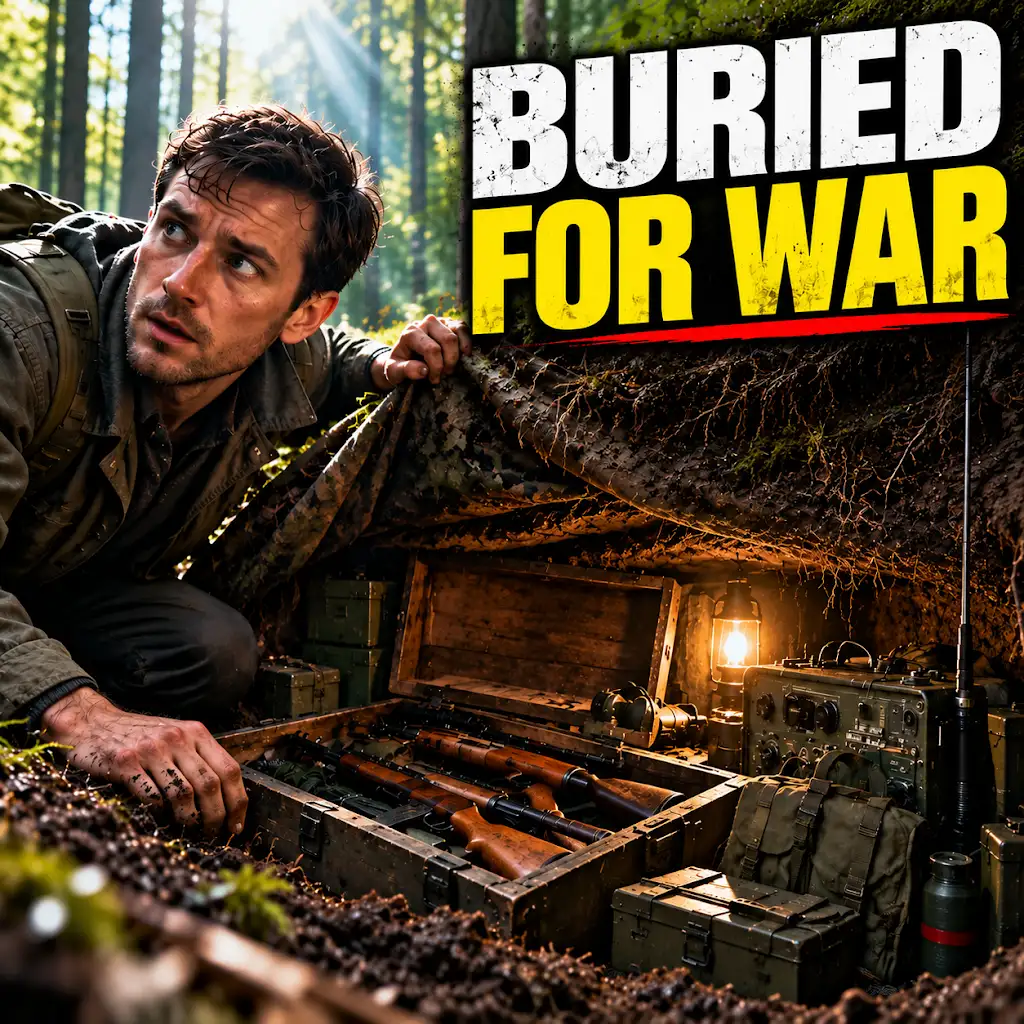
The Secret Armies NATO Prepared for a Soviet Invasion
FAQs
What were Cold War secret resistance networks?
Cold War secret resistance networks were covert operations and underground organizations that operated in various countries during the Cold War. They were established to resist and counter the influence and activities of the opposing superpower, either the United States or the Soviet Union.
What was the purpose of these resistance networks?
The purpose of these resistance networks was to gather intelligence, conduct sabotage, and engage in subversive activities to undermine the efforts of the opposing superpower. They were also involved in clandestine operations to support dissident movements and opposition groups within their own countries.
Which countries were involved in these secret resistance networks?
Numerous countries around the world were involved in hosting and supporting secret resistance networks during the Cold War. These countries included those in Eastern Europe, Latin America, Asia, and Africa, where the influence of the United States and the Soviet Union was particularly strong.
How were these resistance networks organized and operated?
These resistance networks were often organized in a decentralized manner, with small cells operating independently to minimize the risk of detection and infiltration by the opposing superpower’s intelligence agencies. They used secret codes, encrypted communication, and clandestine meeting places to coordinate their activities.
What impact did these resistance networks have on the Cold War?
The activities of these resistance networks had a significant impact on the Cold War by disrupting the plans and operations of the opposing superpower, as well as by providing support to dissident movements and opposition groups. Their efforts contributed to the eventual collapse of the Soviet Union and the end of the Cold War.