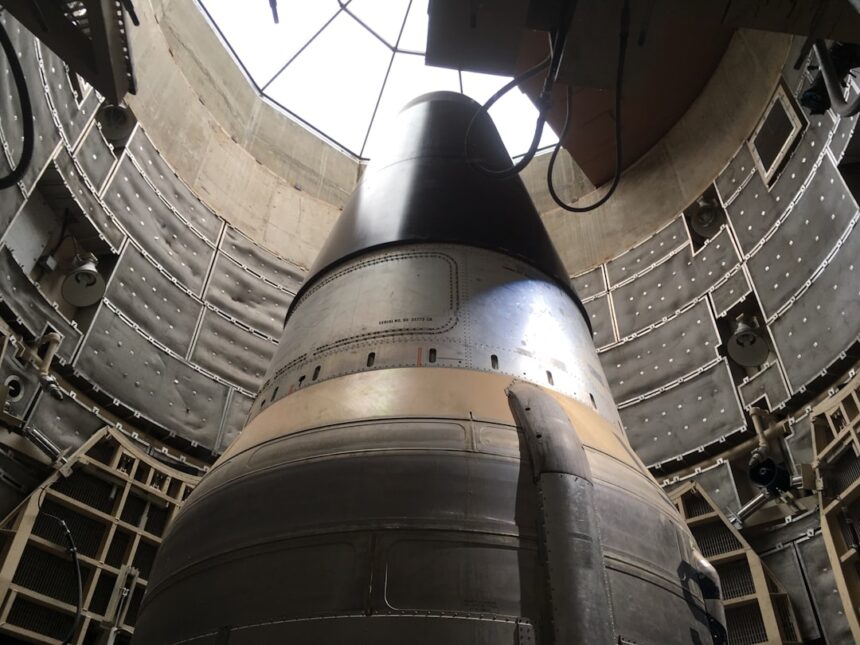
The Cold War, a period of geopolitical tension between the Soviet Union and the United States, spanned from the end of World War II until the early 1990s. This era was characterized by a profound ideological divide, with capitalism and democracy on one side and communism on the other. As both superpowers emerged from the war with significant military capabilities, they entered into a fierce competition that would shape global politics for decades.
Central to this rivalry was the nuclear arms race, a relentless pursuit of nuclear superiority that saw both nations amassing vast arsenals of nuclear weapons. The fear of mutual destruction loomed large, as each side sought to deter the other through the threat of overwhelming force. The nuclear arms race was not merely about stockpiling weapons; it was also a demonstration of technological prowess and national pride.
The development of intercontinental ballistic missiles (ICBMs), submarine-launched ballistic missiles (SLBMs), and advanced delivery systems became focal points of military strategy.
This precarious balance of power created an atmosphere of constant tension, where the threat of nuclear war was ever-present, influencing international relations and domestic policies across the globe.
Key Takeaways
- The Cold War era was marked by intense nuclear arms competition and several near-catastrophic incidents.
- The Cuban Missile Crisis exemplified the peak of Cold War tensions and the risk of nuclear conflict.
- Multiple false alarms and accidents, such as the 1983 Soviet false alarm and the 1995 Norwegian rocket incident, nearly triggered nuclear responses.
- Several nuclear weapon accidents, including the 1961 Goldsboro and Yuba City B-52 crashes, highlighted the dangers of nuclear arsenals.
- Technical glitches and mishaps, like the 1979 NORAD computer glitch and the 1980 Damascus missile explosion, underscored vulnerabilities in nuclear command and control systems.
The Cuban Missile Crisis: A Tense Standoff
The Cuban Missile Crisis of October 1962 stands as one of the most critical moments in Cold War history, epitomizing the dangers inherent in the nuclear arms race. The crisis began when American reconnaissance flights over Cuba revealed the presence of Soviet nuclear missiles on the island, just 90 miles from Florida’s coast. This discovery sent shockwaves through Washington, prompting President John F.
Kennedy to convene a group of advisors known as the Executive Committee of the National Security Council (ExComm). The stakes were incredibly high, as both nations faced the possibility of a catastrophic nuclear confrontation. In response to the threat, Kennedy opted for a naval blockade, or “quarantine,” to prevent further Soviet shipments of military equipment to Cuba.
This decision marked a pivotal moment in U.S.-Soviet relations, as it demonstrated a willingness to confront the Soviet Union directly while avoiding immediate military action. The world held its breath as tensions escalated, with both sides preparing for potential conflict. Ultimately, through a combination of diplomacy and back-channel negotiations, a resolution was reached.
The Soviets agreed to dismantle their missile sites in Cuba in exchange for a U.S. commitment not to invade the island and a secret agreement to remove American missiles from Turkey. This tense standoff underscored the fragility of peace during the Cold War and highlighted the importance of communication in averting disaster.
The 1983 Soviet Nuclear False Alarm Incident

In September 1983, a harrowing incident unfolded that could have led to an unintended nuclear war between the United States and the Soviet Union. On September 26, the Soviet early warning system detected what appeared to be an incoming missile strike from the United States. The alarm was triggered by a rare combination of technical malfunctions and atmospheric conditions that caused sunlight reflections to be misinterpreted as missile launches.
Lieutenant Colonel Stanislav Petrov, who was on duty at the time, faced an agonizing decision: should he report the alert to his superiors and risk initiating a retaliatory strike, or should he trust his instincts that it was a false alarm? Petrov chose to disregard the warning, reasoning that a real U.S. attack would likely involve a larger number of missiles rather than just a handful.
His decision proved to be pivotal; had he acted on the initial alert, it could have set off a chain reaction leading to nuclear retaliation. In retrospect, Petrov’s calm judgment under pressure is credited with preventing what could have been one of the most catastrophic events in human history. This incident highlights not only the dangers inherent in nuclear arsenals but also the critical role that human decision-making plays in high-stakes situations.
The 1995 Norwegian Rocket Incident
Another alarming episode occurred in January 1995 when a scientific research rocket launched from Norway inadvertently raised fears of a nuclear attack on Russia. The rocket was part of a joint U.S.-Norwegian project designed to study the aurora borealis, but its trajectory closely resembled that of a ballistic missile aimed at Russian territory. As the rocket ascended into the atmosphere, Russian radar systems detected it and interpreted it as a potential threat.
In response, Russian military officials activated their nuclear command protocols and prepared for possible retaliation. Fortunately, Russian President Boris Yeltsin was informed of the situation and had to make an immediate decision regarding whether to launch a counter-strike. The gravity of this moment cannot be overstated; Yeltsin had only minutes to assess the situation and determine whether it was indeed an attack or merely a false alarm.
Ultimately, he chose to wait for further confirmation before taking any drastic action. This incident serves as a stark reminder of how easily misunderstandings can escalate into crises during periods of heightened tension and illustrates the importance of clear communication channels between nations.
The 1961 Goldsboro B-52 Crash
| Incident Name | Date | Location | Type of Near Miss | Cause | Outcome | Estimated Risk Level |
|---|---|---|---|---|---|---|
| 1961 Goldsboro Incident | January 24, 1961 | Goldsboro, North Carolina, USA | Accidental bomb drop | Mechanical failure during B-52 breakup | One bomb partially armed; no detonation | High |
| 1983 Soviet Nuclear False Alarm | September 26, 1983 | Soviet Union | False missile warning | Satellite malfunction | Stanislav Petrov judged it a false alarm; no launch | Very High |
| 1962 Cuban Missile Crisis – B-59 Submarine Incident | October 27, 1962 | Near Cuba | Potential nuclear torpedo launch | Communication failure and high tension | Captain declined to launch nuclear torpedo | Critical |
| 1979 NORAD Computer Glitch | November 9, 1979 | USA | False missile alert | Computer error | No retaliatory action taken | High |
| 1995 Norwegian Rocket Incident | January 25, 1995 | Norway/Russia border | Misinterpretation of scientific rocket launch | Radar misidentification | Russian nuclear forces put on alert; no launch | High |
The Goldsboro B-52 crash in January 1961 is one of several incidents that underscore the precarious nature of nuclear weapons management during the Cold War. A B-52 bomber carrying two hydrogen bombs experienced mechanical failure and crashed near Goldsboro, North Carolina. While one bomb was recovered without incident, the other fell into a field and became buried underground.
The potential for disaster was immense; had either bomb detonated during or after the crash, it could have resulted in catastrophic consequences. The incident raised serious questions about safety protocols surrounding nuclear weapons and highlighted vulnerabilities in their handling. Investigations revealed that while safety mechanisms were in place, they were not foolproof.
The Goldsboro crash prompted discussions about improving security measures for nuclear arsenals and led to increased scrutiny regarding how such weapons were transported and stored. This event serves as a cautionary tale about the risks associated with maintaining large stockpiles of nuclear arms and emphasizes the need for stringent safety protocols.
The 1979 Vela Incident
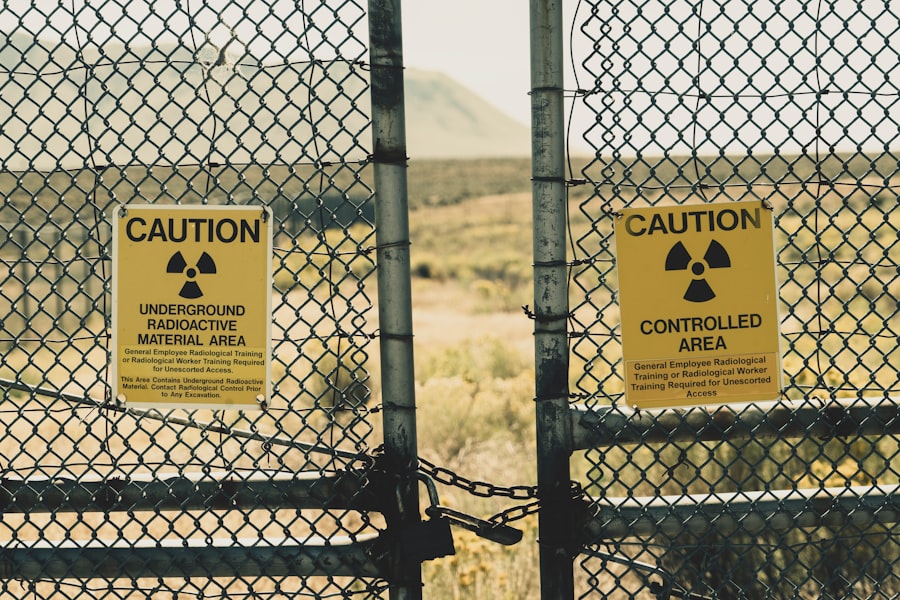
The Vela Incident in 1979 remains shrouded in mystery and controversy, as it involved an unidentified double flash detected by an American satellite designed to monitor nuclear tests worldwide. Initially interpreted as evidence of a clandestine nuclear explosion in the South Atlantic, subsequent investigations failed to provide conclusive answers regarding its origin. Speculation arose that it could have been an unauthorized test by South Africa or even an accidental detonation.
The implications of this incident were significant; it raised concerns about nuclear proliferation and highlighted gaps in monitoring capabilities during a time when tensions between superpowers were still palpable. The uncertainty surrounding the Vela Incident also underscored the challenges faced by intelligence agencies in verifying compliance with international treaties aimed at curbing nuclear weapons testing. Ultimately, this enigmatic event serves as a reminder that even with advanced technology, understanding global nuclear dynamics remains fraught with complexities.
The 2007 United States Air Force Nuclear Weapons Incident
In August 2007, a serious security breach occurred within the United States Air Force involving nuclear weapons that were mistakenly transported across several states without proper authorization. A B-52 bomber inadvertently carried six live nuclear warheads from North Dakota to Louisiana during routine maintenance operations. The incident went unnoticed for several hours until personnel discovered that these weapons were unaccounted for during their transport.
This alarming lapse in protocol raised significant concerns about nuclear safety and security within the U.S. military infrastructure. Investigations revealed systemic failures in communication and oversight that allowed such an egregious error to occur.
In response to this incident, military officials implemented stricter protocols regarding the handling and transportation of nuclear weapons, emphasizing accountability at all levels of command. The 2007 incident serves as a stark reminder that even established military organizations can experience lapses in judgment that could have dire consequences.
The 1962 Thor Missile Crisis
The Thor Missile Crisis unfolded during a period when tensions between the United States and Soviet Union were at an all-time high following the Cuban Missile Crisis. In this instance, British Prime Minister Harold Macmillan faced pressure from both American officials and his own government regarding the deployment of Thor missiles in Britain as part of NATO’s defense strategy against potential Soviet aggression. These intermediate-range ballistic missiles were capable of carrying nuclear warheads and represented a significant escalation in military capabilities.
As discussions progressed, concerns arose about public opinion in Britain regarding hosting American nuclear weapons on their soil. The crisis reached its peak when anti-nuclear protests erupted across Britain, leading to intense debates within Parliament about national security versus public safety. Ultimately, Macmillan’s government decided to proceed with deploying Thor missiles while attempting to reassure citizens about their safety measures and purpose within NATO’s collective defense framework.
The 1979 North American Aerospace Defense Command (NORAD) Computer Glitch
In November 1979, NORAD experienced a significant computer glitch that nearly triggered an unwarranted response from U.S. military forces. During routine testing exercises simulating a Soviet missile attack, faulty software caused NORAD’s systems to display false alerts indicating that multiple incoming missiles were headed toward North America.
This alarming situation prompted military officials to prepare for potential retaliation against what they believed was an imminent threat.
Investigations revealed that human error combined with technological failures had led to this near-catastrophe; however, it served as an important lesson about ensuring robust systems capable of distinguishing between real threats and false alarms.
The incident highlighted vulnerabilities within defense infrastructure during an era marked by heightened anxiety over nuclear warfare.
The 1980 Damascus Titan Missile Explosion
The Damascus Titan missile explosion in September 1980 represents another chilling example of how accidents involving nuclear weapons can have devastating consequences. During routine maintenance at a Titan II missile silo near Damascus, Arkansas, a technician accidentally dropped a wrench into an open missile tube, causing an explosion that resulted in significant damage to both personnel and property nearby. Miraculously, despite extensive damage caused by this incident—including injuries sustained by several workers—no nuclear detonation occurred due to safety mechanisms designed to prevent such catastrophes from happening under normal circumstances.
However, investigations revealed serious lapses in safety protocols surrounding maintenance procedures for these powerful weapons systems—prompting calls for reform within military operations involving nuclear arsenals.
The 1961 Yuba City B-52 Crash
The Yuba City B-52 crash in January 1961 further exemplifies how accidents involving nuclear weapons can lead to catastrophic outcomes if not managed properly. A B-52 bomber carrying two hydrogen bombs experienced mechanical failure while flying over California before crashing into farmland near Yuba City—resulting in widespread destruction but fortunately no detonation occurring due largely due diligence exercised by recovery teams following its impact. Investigations into this incident revealed significant flaws within existing safety protocols governing transportation and handling procedures for these powerful weapons systems—leading military officials to reevaluate their approach toward managing such high-stakes operations moving forward into future decades ahead where similar incidents could potentially arise again if left unchecked or unaddressed adequately enough over time.
In conclusion, these incidents collectively illustrate both the dangers associated with maintaining large stockpiles of nuclear arms during periods marked by geopolitical tension as well as highlight critical lessons learned regarding safety protocols necessary for preventing future catastrophes from occurring again down road ahead—underscoring importance placed upon ensuring robust systems capable distinguishing between real threats versus false alarms while fostering open lines communication between nations involved throughout history’s tumultuous past surrounding issues related arms control disarmament efforts aimed achieving lasting peace stability world over time moving forward into future generations yet come after us all today!
In the context of nuclear weapons near misses, it’s crucial to understand the historical implications and the lessons learned from past incidents. A related article that delves into these themes can be found at this link, where it discusses various near-miss scenarios and their potential consequences on global security.
FAQs
What is a nuclear weapons near miss?
A nuclear weapons near miss refers to an incident where a nuclear weapon was almost accidentally detonated or launched, but the catastrophe was narrowly avoided due to technical failures, human intervention, or other factors.
Have there been many nuclear weapons near misses in history?
Yes, there have been several documented cases during the Cold War and beyond where nuclear weapons were nearly launched or detonated by mistake, including false alarms, miscommunications, and technical malfunctions.
What causes nuclear weapons near misses?
Near misses can be caused by technical errors, false alarms from early warning systems, human error, misinterpretation of data, or communication failures between military and political leaders.
What are the consequences of a nuclear weapons near miss?
The consequences could have been catastrophic, potentially leading to nuclear war, massive loss of life, and global environmental damage. Near misses highlight the risks of accidental nuclear conflict.
How are nuclear weapons near misses prevented today?
Prevention measures include improved communication protocols, better technology for early warning systems, strict command and control procedures, and international agreements aimed at reducing nuclear risks.
Are nuclear weapons near misses publicly disclosed?
Some incidents have been declassified and made public, especially those from the Cold War era, but many details remain classified due to national security concerns.
What lessons have been learned from nuclear weapons near misses?
Key lessons include the importance of robust safeguards, the dangers of relying solely on automated systems, the need for clear communication channels, and the value of diplomatic efforts to reduce nuclear tensions.
Can nuclear weapons near misses still happen today?
While technology and protocols have improved, the risk of near misses still exists due to human error, technical failures, or geopolitical tensions, making ongoing vigilance essential.