The world has come perilously close to unimaginable destruction on more than one occasion, but few events cast as long or as chilling a shadow as the Cold War nuclear war scares. These were moments when the delicate balance of power teetered on the brink, and the unthinkable – the unleashing of nuclear Armageddon – seemed a terrifyingly real possibility. These episodes, born from escalating tensions, miscalculations, and the sheer terror of mutually assured destruction (MAD), serve as stark reminders of humanity’s capacity for self-annihilation and the profound importance of diplomacy, communication, and a deep understanding of the stakes involved.
The advent of nuclear weapons fundamentally altered the geopolitical landscape. Following the devastating bombings of Hiroshima and Nagasaki in 1945, the United States emerged as the sole possessor of this terrifying new technology. This monopoly was short-lived, however. The Soviet Union, through espionage and a determined scientific effort, detonated its first atomic bomb in 1949, shattering the American monopoly and ushering in the nuclear age in earnest.
The Dawn of the Arms Race
The immediate consequence of Soviet nuclear capability was the intensification of the arms race. Both superpowers, driven by a potent mix of paranoia, ideological rivalry, and a desire for strategic advantage, embarked on a relentless pursuit of more powerful and numerous nuclear weapons. This wasn’t merely about having a deterrent; it was about achieving superiority, a concept that proved dangerously seductive.
The Development of the Hydrogen Bomb
The next critical escalation was the development of the hydrogen bomb, or thermonuclear weapon. Significantly more powerful than the atomic bomb, it utilized nuclear fusion rather than fission. The United States tested its first hydrogen bomb in 1952, followed by the Soviet Union in 1953. The sheer destructive potential of these new weapons meant that a single exchange could decimate entire continents.
The Doctrine of Mutually Assured Destruction (MAD)
In response to the ever-increasing destructive power of nuclear arsenals, a grim strategic doctrine emerged: Mutually Assured Destruction (MAD). This concept, while seemingly paradoxical, was intended to prevent war by ensuring that any nuclear attack by one side would result in the complete annihilation of both. The logic was that no rational leader would initiate a conflict that guaranteed their own nation’s destruction. However, MAD also created a terrifying sense of perpetual vulnerability.
The Psychological Impact of Nuclear Threat
The constant specter of nuclear war had a profound psychological impact on populations worldwide. Schools conducted “duck and cover” drills, families built bomb shelters, and public discourse was often saturated with anxieties about survival. This pervasive fear, while a powerful motivator for peace for some, also fueled paranoia and made populations more susceptible to propaganda and fear-mongering.
During the Cold War, the world teetered on the brink of nuclear disaster, with several close calls that could have changed the course of history. One particularly alarming incident occurred during the Cuban Missile Crisis, when the United States and the Soviet Union came dangerously close to engaging in nuclear conflict. For a deeper exploration of these tense moments and the implications they had on international relations, you can read a related article at In The War Room.
The Cuban Missile Crisis: The Closest Call
Arguably the most terrifying nuclear war scare of the Cold War, the Cuban Missile Crisis in October 1962 brought the world to the precipice of nuclear annihilation. This thirteen-day confrontation between the United States and the Soviet Union over the deployment of Soviet ballistic missiles in Cuba was a masterclass in brinkmanship and a stark demonstration of how quickly a regional conflict could escalate into a global existential threat.
The Discovery of Soviet Missiles
The crisis began on October 14, 1962, when an American U-2 spy plane photographed Soviet missile installations under construction in Cuba. These were medium-range and intermediate-range ballistic missiles capable of delivering nuclear warheads to most major cities in the continental United States. The implications were staggering.
Immediate US Reaction and Options
President John F. Kennedy and his advisors were presented with a stark choice. The military favored an immediate invasion of Cuba and airstrikes on the missile sites, actions that would almost certainly have triggered a Soviet response and potentially a wider conflict.
The Naval Blockade (Quarantine)
Instead of direct military action, Kennedy opted for a naval blockade, or “quarantine,” of Cuba. This was a measured response, designed to prevent further Soviet military matériel from reaching the island while allowing for diplomatic channels to remain open. The word “quarantine” was chosen deliberately to sound less aggressive than “blockade.”
The Escalation and Brink of War
The following days were fraught with tension. Soviet ships steamed towards the blockade line, and the world held its breath. The US military was placed on DEFCON 2, the highest level of readiness short of actual war. The potential for miscalculation or an accidental engagement was immense.
The U-2 Incident over Cuba
On October 27, “Black Saturday,” the crisis reached its zenith. A U-2 spy plane was shot down over Cuba by a Soviet surface-to-air missile, killing the pilot, Major Rudolf Anderson Jr. This incident significantly heightened the pressure on Kennedy to retaliate, with many of his advisors urging a military strike.
Backchannel Negotiations and Resolution
Unknown to the public at the time, secret backchannel negotiations were underway. Soviet Premier Nikita Khrushchev sent two messages to Kennedy. The first offered to remove the missiles from Cuba in exchange for a US pledge not to invade the island. The second, more demanding, also called for the removal of US Jupiter missiles from Turkey. Kennedy publicly accepted the terms of the first message while privately agreeing to the removal of the Jupiter missiles, a deal that remained secret for years.
The Aftermath and Lessons Learned
The peaceful resolution of the Cuban Missile Crisis was a triumph of diplomacy and a stark warning. It highlighted the dangers of miscommunication and the critical need for direct lines of communication between the superpowers. The establishment of the Moscow-Washington hotline in 1963, a direct teletype link, was a direct consequence, aimed at preventing future crises from spiraling out of control.
Other Near Misses and Close Calls

While the Cuban Missile Crisis remains the most infamous, it was not the only instance where the world teetered on the edge of nuclear war. Numerous other events, often less publicized, exposed the fragility of peace and the constant threat posed by nuclear arsenals.
The 1983 Soviet Nuclear False Alarm Incident
One of the most chilling near misses occurred on September 26, 1983. Stanislav Petrov, a lieutenant colonel in the Soviet Air Defence Forces, was on duty at a secret command center when the alarm systems reported that the United States had launched multiple intercontinental ballistic missiles.
Petrov’s Crucial Decision
Petrov’s duty was to report the incoming attack to his superiors, who would then authorize a retaliatory strike. However, he had a gut feeling that the alarms were false. He had observed that the number of incoming missiles reported was too small for a full-scale attack, and the system itself seemed prone to errors. Against protocol, he reported the alarms as a system malfunction.
The Near-Catastrophe Averted
His decision proved correct. The alarms were indeed false, triggered by a rare alignment of sunlight reflecting off high-altitude clouds, misinterpreted by the early warning system as missiles. Had Petrov followed protocol, the Soviet Union would have launched a retaliatory nuclear strike, and the world would have faced unimaginable devastation. His courage and critical thinking averted a catastrophe.
The Able Archer 83 Exercise
Another significant scare occurred in November 1983, with the NATO military exercise “Able Archer 83.” This realistic simulation of nuclear war, intended to test NATO’s command and control procedures, was perceived by some within the Soviet leadership as a genuine precursor to a Western nuclear attack.
Soviet Paranoia and Misinterpretation
The Soviet Union, already heightened by internal anxieties and external threats, interpreted the elaborate drills and increased military readiness as a genuine sign of impending aggression. The exercise involved simulated nuclear launches and a high state of alert, which, from their perspective, could have easily been mistaken for the real thing.
The Role of KGB Intelligence
Crucially, Soviet intelligence, particularly through its mole in British intelligence, the notorious Kim Philby, had provided insights into NATO’s plans. This information, combined with the realistic nature of Able Archer 83, fueled a deep sense of paranoia within the Soviet leadership, leading to fears of a surprise NATO nuclear strike.
De-escalation and Relief
Fortunately, cooler heads, including those within the KGB and Soviet military who recognized the exercise’s nature, played a role in de-escalating the situation. The Soviet Union ultimately did not launch a pre-emptive strike, and the exercise concluded without incident, but it underscored the extreme sensitivity of the geopolitical climate and the ease with which misinterpretations could lead to disaster.
The Psychology of Escalation and De-escalation

Understanding the psychological dynamics at play during these crises is crucial to grasping how close the world came to nuclear war. Fear, pride, nationalism, and the pressures of leadership all contributed to the volatile atmosphere.
The Role of Misperception and Mistrust
The Cold War was characterized by deep-seated mistrust and a pervasive tendency to perceive the other side’s actions through a lens of suspicion. Every move, whether military exercises, diplomatic overtures, or technological advancements, was scrutinized for hidden motives and potential threats. This constant state of paranoia made de-escalation incredibly difficult.
Propaganda and the Demonization of the Enemy
Both sides engaged in extensive propaganda campaigns that demonized the opposing ideology and its leaders. This created a public atmosphere of hostility and made it politically challenging for leaders to appear conciliatory, as they risked being perceived as weak or even traitorous.
The Burden of Leadership in Crisis
Leaders of nuclear-armed states faced an almost unimaginable burden during these close calls. They had to balance the perceived need for strong deterrence with the terrifying reality of nuclear war. The immense pressure to make split-second decisions with potentially catastrophic consequences could be overwhelming.
The Importance of Rationality and Restraint
Despite the intense pressures, the moments of greatest peril often saw leaders exercise remarkable restraint and a commitment to finding diplomatic solutions. The willingness to explore backchannel communications, to listen to dissenting voices within their own governments, and to avoid immediate retaliation was often what saved the world from disaster.
The Impact of Technology and Automation
As nuclear arsenals grew and delivery systems became more sophisticated, the role of technology and automation in decision-making also increased. This introduced new risks, such as the potential for accidental launches due to system malfunctions or the delegation of critical decisions to machines that lacked human judgment.
The Nuclear Triad and Early Warning Systems
The development of the “nuclear triad” – land-based intercontinental ballistic missiles (ICBMs), submarine-launched ballistic missiles (SLBMs), and strategic bombers – ensured that a first strike would not cripple a nation’s retaliatory capability. This, in turn, necessitated sophisticated early warning systems to detect incoming attacks, which, as seen in the 1983 incident, could themselves be a source of false alarms.
During the tense years of the Cold War, there were several moments when the world teetered on the brink of nuclear catastrophe, one of which is detailed in a fascinating article that explores the events leading up to a near-disaster. This article provides an in-depth analysis of the decision-making processes and miscommunications that could have resulted in a devastating conflict. For those interested in understanding the complexities of this period, you can read more about it in the article found here.
Lessons for Today and the Future
| Date | Incident | Location | Consequences |
|---|---|---|---|
| October 27, 1962 | Cuban Missile Crisis | Cuba | Close call to nuclear war between US and Soviet Union |
| November 9, 1979 | Vostok-2N launch detection | Soviet Union | False alarm of US missile attack |
| September 26, 1983 | 1983 Soviet nuclear false alarm incident | Soviet Union | False alarm of US missile attack |
The Cold War nuclear war scares, though seemingly distant in time, offer profound and enduring lessons for the present day and the future. They serve as a constant reminder of the inherent dangers of nuclear weapons and the imperative of maintaining peace.
The Enduring Threat of Nuclear Proliferation
While the Cold War has ended, the threat of nuclear weapons has not disappeared. The proliferation of nuclear technology to new states, the development of more sophisticated and potentially destabilizing weapons, and the risk of non-state actors acquiring nuclear materials remain grave concerns.
The Importance of Arms Control and Disarmament
The hard-won lessons of the Cold War underscore the vital importance of continued efforts in arms control and disarmament. Treaties that limit the development, testing, and deployment of nuclear weapons are essential. Furthermore, robust verification mechanisms are crucial to ensure compliance and build trust.
The Necessity of Dialogue and Diplomacy
The close calls of the Cold War demonstrated that communication, even between bitter adversaries, is not only possible but essential. Maintaining open channels of dialogue, engaging in diplomatic engagement, and fostering mutual understanding are critical for preventing misunderstandings and de-escalating tensions.
Preventing Escalation Through Communication
The establishment of direct communication lines, like the Moscow-Washington hotline, proved invaluable. In times of crisis, the ability to clarify intentions and avoid misinterpretations can be the difference between peace and war. This principle remains paramount in contemporary international relations.
Remembering the Past to Secure the Future
The historical record of the Cold War nuclear war scares must not be forgotten. These were not abstract geopolitical games; they were moments when the fate of humanity hung in the balance. By remembering these terrifying episodes, we can reinforce the resolve to prevent their recurrence.
The Moral Imperative of Peace
Ultimately, the most profound lesson is the moral imperative of peace. The unimaginable devastation that nuclear war would unleash demands that all nations prioritize peaceful resolution of conflicts and work towards a world free from the threat of nuclear annihilation. The close calls of the Cold War serve as a powerful testament to what is at stake and the unyielding necessity of vigilance, wisdom, and a shared commitment to a future where the mushroom cloud remains a relic of a dangerous past, not a harbinger of what is to come.
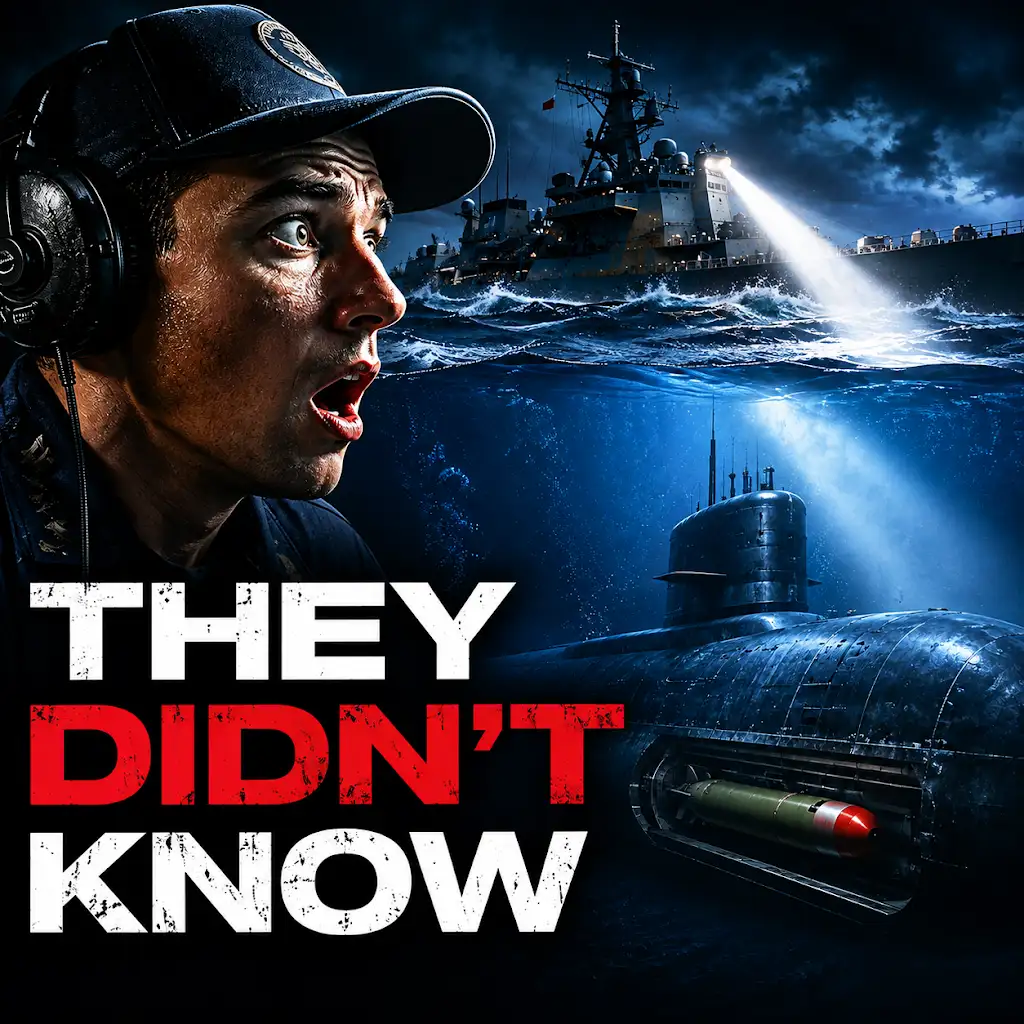
The U.S. Navy Didn’t Know This Submarine Had a Nuclear Torpedo
FAQs
What was the Cold War nuclear war close call?
During the Cold War, there were several instances where the world came close to a nuclear war. One notable close call occurred in 1983 when the Soviet Union’s early-warning systems mistakenly detected incoming American nuclear missiles. This false alarm almost led to a retaliatory nuclear strike by the Soviet Union.
How close did the world come to a nuclear war during the Cold War nuclear war close call?
During the 1983 incident, the world came dangerously close to a nuclear war. The Soviet Union’s leadership was on high alert and prepared to launch a counterattack, but the decision of one Soviet officer, Stanislav Petrov, to dismiss the warning as a false alarm prevented a catastrophic outcome.
What were the consequences of the Cold War nuclear war close call?
The consequences of the 1983 nuclear war close call were significant. It led to increased tensions between the United States and the Soviet Union and prompted both sides to reevaluate their nuclear policies and communication systems to prevent similar incidents in the future.
How did the Cold War nuclear war close call impact international relations?
The 1983 nuclear war close call heightened the already tense relations between the United States and the Soviet Union. It served as a stark reminder of the potential for accidental nuclear war and prompted both countries to engage in dialogue to reduce the risk of such incidents.
What measures were taken to prevent future nuclear war close calls after the Cold War incident?
Following the 1983 nuclear war close call, both the United States and the Soviet Union implemented measures to reduce the risk of accidental nuclear war. This included improving communication channels, enhancing early-warning systems, and engaging in arms control negotiations to reduce the number of nuclear weapons.