The shadows of the Cold War stretched long and deep, concealing a realm of clandestine activities carried out by the United States Navy. Far from the public eye, its submarines, aircraft, and specialized units engaged in a constant, silent struggle against a formidable adversary. These classified operations, born out of necessity and fueled by the existential threat of nuclear annihilation, played a pivotal role in shaping the geopolitical landscape and maintaining a fragile global balance. For decades, the true scope and nature of these endeavors remained locked away in government archives, their secrets only gradually surfacing through declassification, whistleblowers, and diligent historical research. This article delves into some of these veiled operations, shedding light on the courage, ingenuity, and profound risks undertaken by those who served in the unseen battles of the Cold War.
The Silent Hunters: Submarine Operations in a Nuclear Standoff
The submerged realm was the Navy’s ultimate sanctuary and its most potent weapon during the Cold War. Submarines, particularly nuclear-powered ones, represented a survivable and nearly undetectable first-strike capability, and conversely, a guaranteed second-strike deterrent. Their missions were varied, ranging from intelligence gathering to the strategic placement of nuclear missiles, all conducted under the deepest secrecy.
Eyes Beneath the Waves: SIGINT and Reconnaissance
One of the most critical roles of American submarines was intelligence, Surveillance, and Reconnaissance (ISR). Operating in the deepest waters, these vessels were equipped with sophisticated listening devices and visual sensors, tasked with intercepting Soviet communications, monitoring naval movements, and mapping enemy submarine patrol areas. The intelligence gleaned from these missions was invaluable, providing policymakers with crucial insights into the Soviet Union’s military intentions and capabilities.
The USS Halibut, a converted Regulus missile submarine, became a legendary platform for these clandestine missions. Outfitted with an elaborate array of sensors and even a small submersible for close-up inspections, the Halibut undertook daring dives to tap Soviet underwater communication cables on the ocean floor, a feat that required immense skill and nerve. These operations, often conducted in Soviet territorial waters, exposed the submarines and their crews to extreme danger, with the constant threat of detection and attack. The success of such missions provided the US with an unparalleled understanding of Soviet naval order of battle and their deployment patterns, crucial for maintaining a strategic advantage.
Another facet of submarine reconnaissance involved “ferret” missions, where submarines would trail Soviet naval vessels, including aircraft carriers and other submarines, for extended periods. By shadowing these powerful warships, American submariners could gather data on their operational capabilities, tactics, and technological advancements. This continuous surveillance provided a vital real-time assessment of Soviet naval strength and intent, allowing the US to adapt its own strategies accordingly. The psychological impact on Soviet crews, knowing they were constantly being watched by an unseen adversary, was also a significant, albeit unquantifiable, factor.
The Nuclear Sword of Damocles: Ballistic Missile Submarine Patrols
Perhaps the most well-known, yet still shrouded in considerable secrecy, were the patrols of Ballistic Missile Submarines (SSBNs). These vessels, armed with Polaris, Poseidon, and later Trident missiles, formed the backbone of America’s nuclear deterrent. Their mission was to remain hidden, a constant, silent threat, ready to retaliate in the event of a Soviet first strike. The sheer psychological weight of this mission was immense, as the crews knew they carried the ultimate destructive power.
The operational tempo of SSBN patrols was relentless. For months at a time, these submarines would prowl the ocean depths, maintaining a state of high readiness. The patrols were designed to be unpredictable, with submarines operating in vast areas of the ocean, making it nearly impossible for the Soviets to track all of them or to predict their locations. This constant elusiveness was the key to their deterrent effectiveness. If the Soviets could not guarantee the destruction of all US SSBNs in a first strike, they could not launch such an attack with impunity, as a retaliatory strike would be inevitable.
The strategic importance of these patrols cannot be overstated. They were a critical component of Mutually Assured Destruction (MAD), the doctrine that prevented direct nuclear conflict between the superpowers. The knowledge that a devastating counter-attack would be launched from unseen submarines instilled a degree of caution in Soviet strategic planning. The submariners themselves, operating in a confined and isolated environment for extended periods, developed a unique camaraderie and a profound sense of duty, knowing they were the silent guardians of peace through the threat of war.
The ‘Silent Service’s’ Close Calls
The inherent risks of submarine warfare were amplified by the clandestine nature of many Cold War operations. Close encounters with Soviet submarines and surface vessels were not uncommon. Navigating treacherous underwater terrain, avoiding detection by sophisticated sonar systems, and maintaining the complex machinery of a nuclear submarine all contributed to the constant pressure.
There are numerous anecdotal accounts and declassified reports that hint at near-catastrophic confrontations. Submarines would sometimes find themselves in close proximity to Soviet vessels, engaging in silent duels of evasion and detection. The tension onboard during these moments must have been palpable, with the slightest miscalculation or mechanical failure potentially leading to a deadly confrontation. The crews relied on their training, their intuition, and a significant amount of luck to survive these perilous encounters. The “Silent Service” truly lived up to its name, with many of its most dangerous moments never being publicly acknowledged.
During the Cold War, classified Navy operations played a crucial role in maintaining national security and gathering intelligence on adversaries. For a deeper understanding of these covert missions and their impact on naval strategy, you can read the article titled “Secrets of the Deep: Unveiling Cold War Navy Operations” on In The War Room. This piece delves into the intricacies of naval tactics and the significance of underwater reconnaissance during this tense period. To explore this fascinating topic further, visit In The War Room.
The Unseen Skies: Naval Aviation’s Covert Missions

While submarines operated beneath the waves, naval aviation played an equally crucial, though often less visible, role in the Cold War’s clandestine theatre. Carrier-based aircraft, reconnaissance planes, and specialized maritime patrol aircraft conducted a variety of missions, from electronic warfare to deep-sea surveillance, often venturing into hostile airspace or waters.
Peering into the Iron Curtain: Reconnaissance Flights
Naval reconnaissance aircraft, such as the Lockheed P-3 Orion and the older P2V Neptune, were vital for gathering intelligence on Soviet naval bases, airfields, and shipyards. These aircraft, equipped with powerful cameras and electronic intelligence-gathering equipment, would conduct low-level passes over sensitive areas, often flying close to Soviet borders.
The U-2 “Dragon Lady” spy plane, while primarily operated by the Air Force and CIA, also had a naval component in its operations. These high-altitude reconnaissance missions provided the US with unparalleled views of Soviet military installations and troop movements. The infamous U-2 incident in 1960, where Gary Powers was shot down over Soviet territory, highlighted the extreme risks involved in such missions, even for aircraft designed for extreme altitudes. Naval aviators undertaking similar, though perhaps less publicized, missions faced comparable dangers. The constant threat of being detected and engaged by Soviet fighter aircraft or surface-to-air missiles meant that every flight was a high-stakes gamble.
Beyond photographic intelligence, naval aircraft were also crucial for electronic intelligence (ELINT) gathering. They would intercept Soviet radar signals, radio communications, and other electromagnetic emissions, providing valuable data on Soviet military capabilities and electronic warfare tactics. This information was vital for developing effective countermeasures and for understanding the evolving technological landscape of the Cold War.
Airpower in the Shadows: Carrier Operations and Intelligence
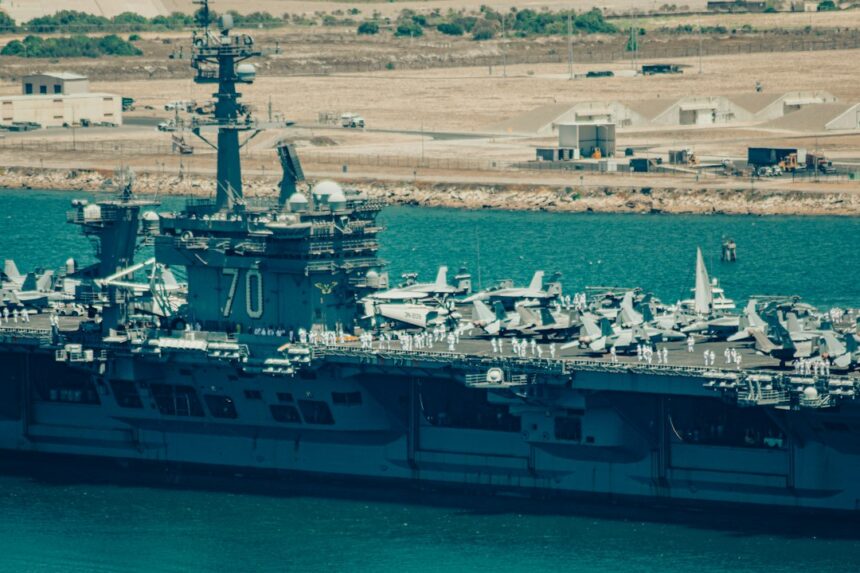
The US Navy’s aircraft carriers were powerful symbols of American military might, but their operational deployments also involved significant clandestine activities. While the public saw carrier groups as instruments of power projection, their deployments often included missions that were far from overt.
Naval aircraft, particularly those from specialized squadrons, were tasked with electronic warfare (EW) missions. These aircraft would fly near Soviet naval formations or air defense zones, emitting signals designed to jam enemy radar, disrupt communications, or gather intelligence on Soviet electronic warfare systems. These missions were highly sensitive, as any misstep could lead to an escalation of tensions or an outright engagement. The EW pilots and crew were highly trained specialists, operating at the cutting edge of electronic warfare technology.
Furthermore, carrier-based aircraft sometimes engaged in “show of force” operations that had a dual purpose. While ostensibly demonstrating American naval power, these flights also served as intelligence-gathering opportunities, allowing pilots to observe Soviet naval reactions and assess their response capabilities. The constant presence of US naval airpower in strategically important regions, such as the Mediterranean and the Western Pacific, was a persistent irritant to the Soviet Union and its allies, and also provided a valuable platform for intelligence collection.
Maritime Patrol and Anti-Submarine Warfare (ASW)
The relentless pursuit of Soviet submarines was a paramount concern for naval aviation. Maritime patrol aircraft like the P-3 Orion were equipped with advanced sonar buoys, magnetic anomaly detectors, and radar systems to locate and track submerged Soviet submarines. These ASW missions were conducted over vast expanses of ocean, often in challenging weather conditions and with the knowledge that a detected Soviet submarine could pose a significant threat.
The cat-and-mouse game between ASW aircraft and submarines was a constant feature of the Cold War. Soviet submarines, designed for stealth, would attempt to evade detection, while naval patrol aircraft, with their sophisticated sensor suites, would relentlessly search for them. The success of these ASW operations was crucial for maintaining maritime security and for ensuring the safety of US naval forces.
Specialized ASW exercises, often conducted with allied navies, were also a key component of naval strategy. These exercises, while appearing routine, often served as opportunities to test new technologies, refine tactics, and gather intelligence on Soviet submarine operating procedures. The vastness of the ocean meant that finding a submerged submarine was akin to finding a needle in a haystack, and the development of increasingly sophisticated detection methods was a continuous arms race.
Special Operations Forces: The Tip of the Spear in Covert Engagements

While submarines and aircraft represented the high-tech edge of naval power, the United States Navy’s Special Operations Forces (SOF) were the instruments for direct, clandestine action. SEALs (Sea, Air, and Land Teams) and other specialized units were trained for a wide range of missions, from underwater reconnaissance to direct action against enemy targets, often operating behind enemy lines or in politically sensitive areas.
Underwater Demolitions and Sabotage
The capabilities of Navy SEALs in underwater operations were a cornerstone of their covert mission set. Trained in demolitions, reconnaissance, and infiltration, SEAL teams were tasked with potentially disrupting Soviet naval infrastructure or engaging in sabotage missions in denied areas. These operations required an exceptional level of physical fitness, technical skill, and psychological resilience.
The threat of Soviet naval bases and their associated infrastructure was a significant concern. SEAL teams could be deployed to disable or destroy key facilities, such as communication lines, fuel depots, or submarine pens, thereby degrading Soviet operational capacity. These missions were inherently risky, requiring infiltration into heavily guarded areas, often under the cover of darkness and with limited support. The success of such operations could have a significant strategic impact, disrupting enemy logistics and operations.
Furthermore, SEALs were trained for underwater reconnaissance of enemy installations. This involved mapping minefields, identifying potential landing sites, and gathering intelligence on enemy defenses, all while remaining undetected. The ability to operate silently and effectively in the underwater environment was a critical advantage for these specialized units. The training regimens for SEALs were notoriously rigorous, pushing them to the limits of human endurance and mental fortitude, preparing them for the extreme conditions and high-stakes nature of their missions.
Infiltration and Exfiltration: Operating in Denied Territories
The ability to infiltrate and exfiltrate personnel and equipment into denied territories was a crucial capability for naval special operations. SEALs and other SOF units were trained in a variety of insertion methods, including submarine deployment, HALO (High Altitude, Low Opening) jumps, and small boat operations.
These units were often tasked with inserting intelligence assets, conducting direct action missions, or supporting other covert operations. The success of these missions depended on meticulous planning, precise execution, and the ability to blend into the local environment or operate completely unseen. The operational areas could range from hostile coastlines to politically volatile regions, requiring adaptability and a deep understanding of local conditions.
The exfiltration phase was often as perilous as the infiltration. Once a mission was completed, the SEALs had to navigate their way back to safety, often under pursuit or with the risk of compromised operations. The reliance on clandestine support, whether from submarines, helicopters, or other covert assets, was critical for successful extraction. The training in evasion and survival techniques was as vital as their offensive capabilities.
Intelligence Gathering and Support for Covert Actions
Beyond direct action, naval special operations forces played a vital role in intelligence gathering and supporting broader covert initiatives. Their ability to operate independently and in small, highly trained teams made them ideal for clandestine reconnaissance and the collection of tactical intelligence.
SEALs could be deployed to observe enemy movements, assess defensive capabilities, or provide real-time intelligence to higher command. This information was crucial for informing strategic decisions and for adapting to the evolving threat landscape. Their ability to operate in regions where conventional forces could not penetrate made them an invaluable asset for intelligence agencies.
Furthermore, SEALs often provided security and support for other covert operations, whether conducted by other military branches or intelligence agencies. This could involve providing overwatch, establishing secure perimeters, or acting as a quick reaction force in high-risk scenarios. The integration of SOF capabilities with broader intelligence operations was a hallmark of Cold War clandestine warfare, allowing for a more comprehensive and effective approach to confronting the Soviet threat.
The Unseen Battle for the Seas: Naval Intelligence and Espionage
The Cold War was as much a battle of information as it was a military standoff. The United States Navy dedicated significant resources to naval intelligence and espionage, seeking to understand the capabilities, intentions, and movements of the Soviet Navy. This often involved high-risk operations conducted by dedicated intelligence units.
Signals Intelligence and Electronic Warfare
The interception of Soviet naval communications and the analysis of their electronic emissions were critical intelligence-gathering activities. Specialized naval units, often operating from modified vessels or shore-based facilities, employed sophisticated equipment to decipher enemy transmissions and understand their electronic warfare capabilities.
These operations were conducted under extreme secrecy, as the discovery of such eavesdropping could have severe diplomatic repercussions and lead to increased Soviet countermeasures. The technical expertise required to operate these systems and to analyze the intercepted data was immense, requiring highly trained cryptologists, signals analysts, and electronic warfare specialists. The data obtained provided invaluable insights into Soviet naval deployments, fleet exercises, and strategic planning.
The development of electronic countermeasures was also a vital aspect of this unseen battle. By understanding Soviet radar frequencies and communication protocols, the Navy could develop jamming techniques and other electronic warfare strategies to disrupt enemy operations and protect its own forces. This constant technological one-upmanship was a critical element of the Cold War.
Human Intelligence and Undercover Operations
While technological intelligence played a significant role, human intelligence (HUMINT) remained a critical component of naval espionage. Covert operatives, often drawn from specialized naval intelligence units, were tasked with infiltrating Soviet naval facilities, recruiting informants, and gathering sensitive information through personal contact.
These operations were inherently dangerous, as capture could lead to severe consequences, including imprisonment or worse. Operatives had to be adept at maintaining cover, building trust, and extracting information without arousing suspicion. The psychological toll on these individuals was immense, as they lived a life of constant deception and under the perpetual threat of exposure.
The information gathered through HUMINT provided a unique perspective on Soviet naval operations that could not be obtained through technological means. It offered insights into morale, political motivations, and the human element of military decision-making, which were crucial for a comprehensive understanding of the adversary. The bravery and dedication of these individuals, operating in the shadows, were indispensable to the Navy’s intelligence efforts.
Cryptologic Warfare and Deception Operations
The Navy also engaged in extensive cryptologic warfare, seeking to break Soviet codes and ciphers while protecting its own communications. This involved both offensive efforts to decipher enemy communications and defensive measures to ensure the security of classified transmissions.
Deception operations were another crucial aspect of naval intelligence. The Navy would deliberately leak false information, conduct simulated exercises, or create misleading signals to sow confusion among Soviet intelligence agencies and to mask its true intentions or capabilities. These operations required a sophisticated understanding of Soviet intelligence capabilities and a mastery of psychological warfare.
The intricate dance of deception and counter-deception was a constant feature of the Cold War. The Navy’s ability to outmaneuver the Soviets in the realm of information warfare was as important as its technological or operational superiority. The success of these covert intelligence and deception operations played a vital role in maintaining the strategic advantage and preventing direct conflict.
During the Cold War, classified Navy operations played a crucial role in shaping naval strategy and intelligence gathering. These covert missions often involved intricate planning and execution, reflecting the intense geopolitical tensions of the era. For those interested in exploring this topic further, a related article provides an in-depth analysis of these operations and their impact on modern naval tactics. You can read more about it in this insightful piece here.
The Legacy of the Unseen: Lessons Learned and Lasting Impacts
| Operation Name | Year | Location | Objective | Outcome | Notes |
|---|---|---|---|---|---|
| Operation Ivy Bells | 1970s | Bering Sea | Undersea wiretap on Soviet communication cables | Successful intelligence gathering | Highly classified until 1990s |
| Operation Azorian | 1974 | Pacific Ocean | Recovery of sunken Soviet submarine K-129 | Partial recovery | Used the Hughes Glomar Explorer ship |
| Operation Sea Orbit | 1964 | Global (circumnavigation) | Showcase nuclear-powered naval capabilities | Successful 65-day voyage | First all-nuclear task force |
| Operation Market Time | 1965-1973 | Vietnam Coast | Interdict North Vietnamese maritime supply routes | Reduced infiltration by sea | Joint US Navy and Coast Guard operation |
| Operation Ivy Bells (Recon) | Late 1970s | Sea of Okhotsk | Reconnaissance and intelligence gathering on Soviet naval activity | Classified success | Involved submarine espionage |
The classified operations of the Cold War, though hidden from public view, had a profound and lasting impact on global security, naval strategy, and the lives of countless individuals. The declassification of records and the passage of time have begun to reveal the scale and complexity of these endeavors, offering valuable insights into a critical period of history.
Technological Advancements Driven by Secrecy
The intense pressure of the Cold War arms race and the need for clandestine operations spurred remarkable technological innovation within the US Navy. The pursuit of stealthier submarines, more advanced sonar systems, sophisticated electronic warfare capabilities, and high-altitude reconnaissance aircraft led to breakthroughs that continue to shape modern naval technology.
The development of nuclear propulsion for submarines, a direct response to the need for extended submerged operations, revolutionized naval warfare. Similarly, the constant need to detect and evade Soviet submarines drove the development of highly sensitive sonar and acoustic intelligence systems. The push for ever-increasing ranges and accuracy in missile technology, coupled with the need for secure communication, also fueled significant advancements. The classified nature of these projects meant that resources were often poured into research and development with little public oversight, leading to rapid, albeit often expensive, progress.
The operational requirements of intelligence gathering also led to the development of cutting-edge surveillance and reconnaissance platforms, both airborne and seaborne. The evolution of electronic warfare techniques, born out of the need to counter Soviet radar and communication systems, laid the groundwork for modern electronic warfare capabilities that are essential in today’s conflicts.
The Human Cost of Silent Service
The lives of the sailors, aviators, and special operators who participated in these classified operations often came with immense personal sacrifice. The long deployments, the extreme dangers, and the psychological toll of operating in secrecy left an indelible mark on many. The inability to share their experiences with family and friends, the constant threat of compromised missions, and the physical and mental strain of their duties were significant burdens.
Many individuals served with distinction, carrying out critical missions without ever receiving public recognition. Their bravery was often measured not in medals awarded or public commendations, but in the successful completion of highly sensitive operations and the absence of catastrophic failures. The psychological impact of living under constant threat and in isolation for extended periods cannot be overstated. The “Silent Service” truly lived up to its name, with many of its heroes remaining anonymous, their stories largely untold.
Shaping Modern Naval Doctrine and Strategy
The lessons learned from these classified Cold War operations continue to influence modern naval doctrine and strategy. The importance of intelligence gathering, the development of specialized units, the concept of strategic deterrence, and the integration of technological and human intelligence remain central to naval planning.
The understanding of the ocean as a domain of strategic importance, the need for continuous technological innovation, and the critical role of special operations forces are all legacies of the Cold War’s clandestine naval activities. The ongoing development of unmanned underwater vehicles (UUVs) and advanced electronic warfare systems can trace their lineage back to the requirements of the Cold War. The strategic importance of maintaining a credible nuclear deterrent, embodied by the SSBN force, continues to be a cornerstone of global security. The experience gained in operating in denied areas and conducting complex, multi-faceted missions provides a crucial foundation for contemporary operations. The enduring understanding of the importance of adaptability, resilience, and the relentless pursuit of information in a complex and often opaque global security environment is a testament to the profound impact of these hidden conflicts.
The 1958 Space Nukes Meant to Destroy Soviet Missiles
FAQs
What were some of the classified navy operations during the Cold War?
Some of the classified navy operations during the Cold War included Operation Ivy Bells, Operation Dominic, Operation Looking Glass, Operation Sea Orbit, and Operation Chrome Dome.
How did classified navy operations contribute to the Cold War strategy?
Classified navy operations played a crucial role in the Cold War strategy by gathering intelligence, conducting surveillance, testing new technologies, and maintaining a strong military presence to deter potential threats.
Were there any significant risks involved in classified navy operations during the Cold War?
Yes, there were significant risks involved in classified navy operations during the Cold War, including the potential for detection by enemy forces, the risk of equipment failure, and the danger of escalating tensions between superpowers.
Did classified navy operations have any long-term impacts on modern naval warfare?
Yes, classified navy operations during the Cold War had long-term impacts on modern naval warfare by influencing tactics, technology development, and strategic thinking in naval operations around the world.
How were classified navy operations kept secret during the Cold War?
Classified navy operations during the Cold War were kept secret through strict compartmentalization, limited access to information, encrypted communication, covert deployment methods, and a culture of secrecy within the military.