The shadows of the Cold War stretched long and deep, a global chess match played not on a board, but across continents, in whispers and clandestine encounters. At the heart of this ideological struggle, the Central Intelligence Agency (CIA) emerged as a critical player, its shadowy operations weaving a tapestry of espionage, sabotage, and psychological warfare. These were not the stuff of cinematic fantasies, though Hollywood certainly drew heavily upon them; these were the grim realities of a world teetering on the brink, where the unseen hand of intelligence could tip the scales of power. The CIA’s Cold War espionage was a relentless pursuit of information and influence, a secret war waged away from the glare of public scrutiny.
The seeds of the CIA’s expansive covert operations were sown in the crucible of World War II. The Office of Strategic Services (OSS), a precursor to the CIA, provided a vital training ground for a generation of intelligence operatives. The OSS engaged in a wide array of activities, including intelligence gathering, sabotage, and psychological warfare, laying the groundwork for the more formalized and institutionalized approach that would characterize the CIA’s Cold War endeavors.
The OSS and Its Legacy
The OSS, under the leadership of William “Wild Bill” Donovan, was a remarkable experiment in wartime intelligence. It brought together academics, adventurers, former criminals, and dedicated patriots, forging an organization that was as eclectic as it was effective. The OSS’s operations in occupied Europe, supporting resistance movements and disrupting enemy supply lines, demonstrated the potent impact of unconventional warfare. Its network of spies and agents infiltrated enemy territory, gathered crucial intelligence, and conducted daring sabotage missions. The lessons learned, the operational methodologies developed, and the personnel recruited during this period proved invaluable when the OSS was dissolved and its functions absorbed into the newly formed Central Intelligence Agency in 1947. The institutional memory of the OSS, with its emphasis on initiative, resourcefulness, and a willingness to bend the rules, profoundly shaped the nascent CIA’s approach to covert action.
The National Security Act of 1947 and the Birth of the CIA
The National Security Act of 1947 was a landmark piece of legislation, born out of the perceived failures of pre-war intelligence and the growing anxieties of the emerging bipolar world. It officially established the Central Intelligence Agency (CIA) as the successor to the OSS, consolidating intelligence gathering and analysis functions under a single agency. Crucially, the Act also authorized the CIA to engage in “performing other functions and duties related to intelligence affecting the national security as the National Security Council may from time to time direct.” This seemingly innocuous clause became the legal bedrock for the CIA’s sprawling covert action programs, granting it the mandate to influence events abroad through means that bypassed traditional diplomatic channels.
During the Cold War, the CIA engaged in a variety of espionage activities aimed at countering the influence of the Soviet Union and gathering intelligence on its military capabilities. One particularly intriguing aspect of this era was the use of covert operations and psychological warfare to manipulate public perception and destabilize adversarial regimes. For a deeper understanding of these tactics and their implications, you can read a related article that explores the complexities of CIA Cold War espionage at this link.
The Ideological Battlefield: Propaganda and Psychological Warfare
The Cold War was not solely a military standoff; it was also a battle for hearts and minds, a contest of ideologies waged on a global scale. The CIA recognized the power of narrative and perception, deploying sophisticated propaganda and psychological warfare operations to undermine Soviet influence and promote American values. These efforts ranged from overt broadcasts to subtler forms of cultural and information manipulation.
Operation Mockingbird: Shaping Perceptions
One of the most controversial and enduring aspects of the CIA’s propaganda efforts was Operation Mockingbird. While the full extent and precise nature of this operation remain subjects of debate and declassification, it is widely understood that the CIA sought to co-opt journalists and news organizations to disseminate its messages, both overtly and covertly. The aim was to influence public opinion within target countries, often by feeding them narratives that portrayed the Soviet Union in a negative light and amplified American perspectives.
The Media as a Weapon
The CIA’s engagement with the media was a delicate dance, leveraging the power of journalism to serve national security interests. This involved cultivating relationships with publishers, editors, and individual reporters. In some instances, the CIA provided funding or operational support to news outlets that aligned with its objectives. In others, it focused on planting stories or providing specific information designed to shape editorial content. The ethical implications of such operations are profound, raising questions about journalistic integrity and the manipulation of public discourse.
Radio Free Europe and Radio Liberty
Beyond direct media engagement, the CIA played a pivotal role in establishing and supporting international broadcasting operations like Radio Free Europe (RFE) and Radio Liberty (RL). These stations broadcasted news, analysis, and cultural programming into Eastern Bloc countries, defying Soviet censorship and providing alternative perspectives to populations living under communist rule. While presented as independent voices, their funding and strategic direction were heavily influenced by the CIA, making them powerful instruments of psychological warfare designed to sow dissent and promote Western ideals.
Exploiting Information Gaps and Disinformation
The CIA’s psychological warfare operations also extended to the deliberate creation and dissemination of disinformation. By carefully crafted rumors, forged documents, and strategically leaked information, the agency aimed to sow confusion, distrust, and division within Soviet-aligned states and among their leadership. The goal was to erode confidence in communist regimes and create an environment conducive to Western influence or opposition movements.
The Art of Deception
The skilled practitioners of espionage understood that truth was a malleable commodity in the Cold War. Disinformation campaigns were meticulously planned, often involving the creation of plausible but fabricated narratives that could exploit existing societal tensions or political grievances. The agency would carefully consider the target audience, the desired outcome, and the most effective channels for dissemination. The success of such operations often depended on their ability to remain undetected, making them appear as organic expressions of local sentiment or legitimate news reports.
The Global Arena: Intervention and Regime Change
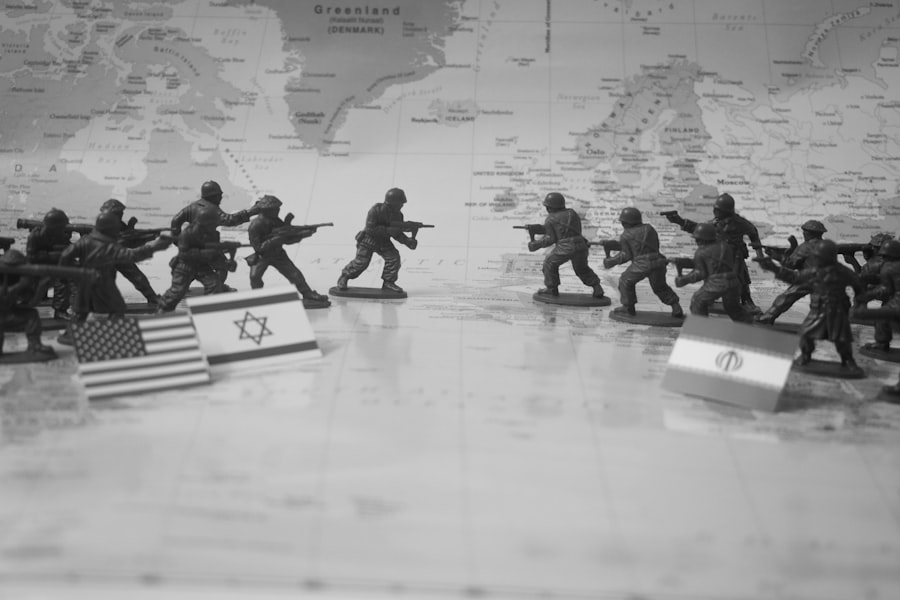
Beyond the realm of information and propaganda, the CIA engaged in more direct and often controversial interventions designed to shape the geopolitical landscape. These operations ranged from supporting anti-communist movements to actively orchestrating coups and regime changes in countries deemed strategically important.
The Iran Coup of 1953: Operation Ajax
One of the most notorious examples of CIA intervention is Operation Ajax, the 1953 coup that overthrew the democratically elected Prime Minister of Iran, Mohammad Mosaddegh. Mosaddegh had nationalized Iran’s oil industry, threatening the interests of Western oil companies. The CIA, in collaboration with British intelligence, orchestrated a campaign that involved bribing officials, inciting public unrest, and ultimately facilitating the return of Shah Mohammad Reza Pahlavi to power. This operation secured Western access to Iranian oil but also sowed seeds of resentment that would have long-lasting repercussions.
The Return of the Shah
The aftermath of Operation Ajax saw the Shah of Iran reinstated as ruler, a move that cemented Western influence in the strategically vital Middle East. However, the Shah’s increasingly autocratic rule, supported by his feared secret police (SAVAK), which received significant training and assistance from the CIA, fostered deep discontent among the Iranian population. This ultimately culminated in the 1979 Iranian Revolution, a seismic event that profoundly altered regional dynamics and created a lasting antagonism towards the United States.
The Guatemala Intervention of 1954: Operation PBSUCCESS
Another significant intervention occurred in Guatemala in 1954 with Operation PBSUCCESS. The democratically elected President Jacobo Árbenz Guzmán had implemented land reforms that redistributed land owned by the powerful U.S.-based United Fruit Company. The CIA, acting on behalf of the company and with the backing of the U.S. government, launched a covert campaign to destabilize Árbenz’s government. This involved training and equipping a force of Guatemalan exiles, conducting aerial propaganda, and inciting a coup that led to Árbenz’s overthrow and the installation of a military dictatorship.
The Long Shadow of Intervention
The intervention in Guatemala had devastating consequences for the country. The ensuing decades were marked by civil war, human rights abuses, and widespread political instability. The legacy of Operation PBSUCCESS continues to haunt Guatemala, serving as a stark reminder of the destructive power of covert intervention and its capacity to destabilize nations for decades to come.
Supporting Anti-Communist Insurgencies
Beyond overt coups, the CIA also engaged in a sustained effort to support and arm anti-communist insurgencies across the globe. This included providing funding, training, and weaponry to resistance movements in countries like Afghanistan, Nicaragua, and Angola. The rationale was to tie down Soviet resources, weaken their allies, and create pressure points that could eventually lead to the collapse of the Soviet bloc.
The Mujahideen in Afghanistan
A prime example of this strategy was the extensive support provided to the Mujahideen in Afghanistan following the Soviet invasion in 1979. The CIA, in coordination with Pakistan’s Inter-Services Intelligence (ISI), funneled billions of dollars and advanced weaponry to the Afghan resistance fighters. While this effort was crucial in ultimately forcing the Soviet withdrawal from Afghanistan, it also had unintended consequences, contributing to the rise of extremist elements and the subsequent rise of the Taliban.
The Technological Arms Race: Innovations in Espionage

The Cold War was also a technological arms race, and the CIA was at the forefront of developing cutting-edge technologies to enhance its espionage capabilities. From advanced surveillance devices to clandestine entry tools, the agency consistently sought to stay one step ahead of its adversaries.
The Rise of Aerial Espionage: The U-2 Program
The development of the U-2 spy plane represented a significant leap forward in aerial reconnaissance. Capable of flying at unprecedented altitudes, the U-2 could capture detailed photographic intelligence of Soviet military installations and troop movements without being detected by ground defenses. This program provided invaluable insights into Soviet capabilities and intentions, informing U.S. policy and military strategy.
The Francis Gary Powers Incident
The downing of a U-2 plane piloted by Francis Gary Powers over Soviet territory in 1960 was a major embarrassment for the United States. The incident exposed the existence of covert surveillance operations and led to a diplomatic crisis, highlighting the inherent risks associated with such advanced espionage. Despite this setback, the U-2’s intelligence contributions were immense.
Advanced Surveillance and Listening Devices
The CIA’s quest for information led to the development of increasingly sophisticated surveillance and listening devices. These ranged from miniature microphones that could be hidden in everyday objects to advanced signal intelligence (SIGINT) gathering systems designed to intercept encrypted communications. These tools allowed agents to gather intelligence from within enemy strongholds and monitor sensitive conversations.
Micro-miniaturization and Concealment
The constant drive for miniaturization and concealable technology was a hallmark of CIA innovation. Agents needed devices that were unobtrusive and could be easily deployed without arousing suspicion. This led to breakthroughs in microelectronics and the development of specialized casing and deployment techniques that allowed for the surreptitious placement of surveillance equipment in highly sensitive locations.
The Dead Drop and the Magic Briefcase
Beyond technological gadgetry, the CIA also refined and innovated traditional espionage tradecraft. The “dead drop,” a method of clandestine message exchange with no direct contact between agents, became a staple of Cold War intelligence. Similarly, specialized equipment like the “magic briefcase,” a device capable of transmitting intercepted communications wirelessly, showcased the agency’s ingenuity in overcoming logistical challenges.
The intricate world of CIA Cold War espionage is vividly captured in various analyses, revealing the lengths to which intelligence agencies went to secure national interests. A compelling article that delves deeper into the covert operations and strategies employed during this tense period can be found at In the War Room. This resource provides valuable insights into the clandestine activities that shaped international relations and the legacy of espionage that continues to influence modern intelligence practices.
The Human Element: Agents, Defectors, and Double Agents
| Operation | Duration | Objective |
|---|---|---|
| Operation Gold | 1953-1954 | Tap Soviet landlines in East Berlin |
| Operation Tamarisk | 1953-1954 | Covertly retrieve Soviet military equipment |
| Operation PBSUCCESS | 1954 | Overthrow the Guatemalan government |
While technology played a crucial role, the backbone of CIA espionage remained the human agent. The agency recruited, trained, and managed a vast network of individuals, both American and foreign, who risked their lives to gather intelligence and conduct operations.
Recruiting and Handling Assets
The process of recruiting and handling foreign assets was a complex and often perilous undertaking. Agents would identify individuals with access to valuable information, build rapport, and assess their motivations, whether ideological, financial, or personal. Once recruited, these agents, or “assets,” were carefully managed, provided with secure communication channels, and briefed on their missions, all while navigating the constant threat of exposure and betrayal.
The Art of the Compromise
Building trust and ensuring the loyalty of assets was paramount. The CIA employed a range of techniques to “handle” its agents, from providing financial incentives and political asylum to offering psychological support. However, the inherent risks meant that compromises were inevitable. Agents could be discovered, turn double agents, or simply succumb to the immense pressure of their double lives.
The Lure of Defection: KInformants and Sources
Defectors from the Soviet Union and its satellite states were a golden source of intelligence for the CIA. These individuals, often high-ranking officials or scientists, brought with them invaluable insights into Soviet military capabilities, political intentions, and internal workings. The CIA invested significant resources in debriefing defectors and assessing the credibility of the information they provided.
Debriefing and Verification
The process of debriefing a defector was a meticulous and lengthy one. CIA analysts and case officers would work for months, even years, to extract every piece of usable intelligence. Verifying the information through multiple sources was critical, as defectors, for various reasons, might intentionally or unintentionally provide inaccurate or misleading accounts.
The Double Agent Dilemma
The world of espionage is rife with deception, and the CIA was no stranger to the use of double agents – individuals who appeared to be working for one side but were secretly loyal to the other. These agents could be invaluable for their ability to feed disinformation, mislead enemy intelligence services, or provide inside access. However, the inherent risk of being discovered or manipulated made the management of double agents a constant source of anxiety.
The Double-Edged Sword
A successful double agent could be a significant asset, providing intelligence that was both accurate and strategically advantageous. However, a compromised double agent could lead to the exposure of entire networks, the failure of critical operations, and severe damage to national security. The constant game of cat and mouse, of manipulation and counter-manipulation, underscored the intricate and dangerous nature of Cold War espionage.
The CIA’s Cold War espionage was a multifaceted and often ethically ambiguous endeavor. It involved a sophisticated interplay of propaganda, intervention, technological innovation, and the indispensable human element. While these secret operations were instrumental in shaping the outcomes of the Cold War and influencing global events, their legacy remains a complex tapestry of successes, failures, and enduring questions about the price of national security. The shadow operations of this era continue to offer valuable, albeit often disturbing, lessons about the nature of power, influence, and the clandestine battles waged in the pursuit of strategic advantage.

How the CIA Tried to Steal a Soviet Nuclear Submarine
FAQs
What was the CIA’s role in Cold War espionage?
The CIA played a significant role in Cold War espionage by gathering intelligence on the Soviet Union and its allies, conducting covert operations, and engaging in propaganda efforts to counter communist influence.
What were some of the CIA’s most notable Cold War espionage operations?
Some of the CIA’s most notable Cold War espionage operations include the U-2 spy plane program, the Berlin Tunnel operation, and the recruitment of Soviet defectors such as Oleg Penkovsky and Aldrich Ames.
How did the CIA gather intelligence during the Cold War?
The CIA gathered intelligence during the Cold War through a variety of means, including human intelligence (HUMINT), signals intelligence (SIGINT), imagery intelligence (IMINT), and open-source intelligence (OSINT). This involved recruiting agents, intercepting communications, conducting surveillance, and analyzing publicly available information.
What impact did CIA espionage have on the outcome of the Cold War?
CIA espionage had a significant impact on the outcome of the Cold War by providing crucial intelligence to policymakers, uncovering Soviet military capabilities, and supporting anti-communist movements around the world. This intelligence helped shape U.S. foreign policy and contributed to the eventual collapse of the Soviet Union.
What are some key challenges the CIA faced during the Cold War?
Some key challenges the CIA faced during the Cold War included the infiltration of double agents, the risk of exposure and retaliation by the Soviet Union, and the ethical dilemmas of covert operations. Additionally, the CIA had to adapt to rapidly changing geopolitical dynamics and technological advancements in espionage.