The intricate dance between intelligence agencies and the secrets they seek is a perpetual ballet of shadow and light. For decades, the Cold War cast a long, stark silhouette over global affairs, and within its frigid grip, the acquisition of military and technological intelligence became a paramount concern for nations. Among the most coveted prizes were the blueprints and capabilities of rival naval forces, particularly those of the Soviet Union. This article delves into historical accounts and declassified information concerning the Central Intelligence Agency’s (CIA) efforts to recover Soviet naval secrets, examining the methods employed, the challenges faced, and the significance of these clandestine operations.
The Soviet Union’s submarine fleet represented a formidable and existential threat throughout much of the Cold War. Its sheer size, technological advancements, and strategic deployment capabilities were a constant source of unease for the United States and its allies. Securing intelligence on these underwater leviathans became a top priority, as understanding their design, weaponry, performance, and operational doctrines was crucial for maintaining naval superiority and ensuring national security.
Design and Technological Superiority
The Soviet Union invested heavily in its submarine program, aiming to achieve parity, and in some areas, superiority, over its Western counterparts. This pursuit led to rapid innovation and the development of a diverse range of submarine classes, from massive ballistic missile submarines (SSBNs) designed to deliver nuclear payloads to agile attack submarines (SSNs) capable of interdicting enemy fleets. The West desperately sought to peel back the curtain on these technological marvels.
The K-129 Incident: A Case Study in Risk and Reward
One of the most dramatic and highly classified operations aimed at acquiring Soviet naval secrets was the recovery of the sunken Soviet submarine K-129. This Golf II-class diesel-electric submarine sank in the Pacific Ocean in 1968 under mysterious circumstances, taking its entire crew and its nuclear missile payload to the ocean floor. The U.S. government, through the CIA and with significant support from the Navy, embarked on a daring and unprecedented mission, codenamed Project AZORIAN, to salvage the submarine and its sensitive contents. The rationale was simple: the K-129 was a treasure trove of intelligence, a locked vault containing the secrets of Soviet submarine technology and missile systems. To successfully retrieve it would be like plucking a vital organ from a sleeping giant.
The Scale of the Challenge
The K-129 lay at a staggering depth of approximately 16,000 feet. The pressure at such depths is immense, capable of crushing even the most robust submersibles. The operation required the development of entirely new technologies and engineering solutions, pushing the boundaries of marine engineering and deep-sea salvage. The project was shrouded in secrecy, not only to prevent Soviet knowledge but also to manage the potential international fallout if the operation were discovered. The sheer audacity of attempting such a feat—lifting a massive submarine from the abyss—underscored the desperation and the perceived value of the intelligence it held.
Technological Innovations Born from Necessity
Project AZORIAN spurred the development of specialized equipment, including a colossal salvage ship, the Glomar Explorer, and an innovative lifting system known as the “capture vehicle.” This vehicle, resembling a giant mechanical claw, was designed to attach itself to the submarine and lift it through the water column. The engineering feats involved were akin to performing delicate brain surgery in the deepest parts of the ocean. The success of Project AZORIAN, although incomplete in its original aims due to a structural failure during the recovery, provided invaluable insights into Soviet missile technology, propulsion systems, and operational procedures. The recovered components, even if not the entire submarine, were like scattered pages from a forbidden book, each fragment offering crucial illumination.
In a fascinating exploration of Cold War espionage, a recent article delves into the CIA’s recovery of Soviet naval secrets, shedding light on the intricate operations that defined this tense period in history. The article discusses how these secrets were obtained and their implications for naval strategy during the era. For more in-depth analysis and insights, you can read the full article at In The War Room.
Espionage and Human Intelligence: The Eyes and Ears Within
While the dramatic recovery of sunken submarines captured headlines (albeit behind a veil of secrecy), much of the CIA’s efforts to acquire Soviet naval secrets relied on more conventional espionage methods. This involved cultivating sources within Soviet shipyards, naval bases, and research institutions, as well as leveraging signals intelligence and human intelligence operatives stationed abroad.
The Human Element: Cultivating Sources
The recruitment and management of human intelligence sources within the Soviet Union posed significant risks. Agents operating behind the Iron Curtain faced constant surveillance and the pervasive threat of exposure and severe punishment. Nevertheless, the CIA worked to identify individuals who, for ideological, financial, or personal reasons, were willing to provide clandestine information. These individuals, often working under extreme duress, served as the eyes and ears of the West within the heart of the Soviet military apparatus.
Navigating the Labyrinth of Soviet Security
The Soviet security apparatus, particularly the KGB, was notoriously effective at identifying and neutralizing foreign intelligence operations. Agents had to be exceptionally skilled in tradecraft, communication, and evasion. The process of cultivating a source often took years, involving building trust, assessing reliability, and establishing secure methods for information exchange. Each piece of intelligence obtained from a human source was a hard-won victory, often coming at great personal risk to the individuals involved. It was a deadly game of chess played on a board where a single wrong move could lead to capture, imprisonment, or worse.
Signals Intelligence (SIGINT): Intercepting the Invisible
Signals intelligence played a crucial role in the CIA’s quest for naval secrets. This involved intercepting and analyzing electronic communications, radar emissions, and other forms of electronic emanations from Soviet naval vessels and facilities. Sophisticated listening posts and specialized reconnaissance aircraft were deployed to gather this data, which could reveal crucial details about ship movements, weapon capabilities, and operational plans.
The Art of Electronic Warfare
Deciphering Soviet electronic communications was a complex and ongoing challenge. The Soviets continuously evolved their encryption methods and communication protocols, forcing U.S. intelligence agencies to develop ever more sophisticated decryption techniques. The evolution of SIGINT capabilities mirrored the arms race, with each side constantly seeking an advantage. The data gleaned from SIGINT was like eavesdropping on hushed conversations in a vast, dark room, piecing together fragments of meaning to understand the intentions and capabilities of a silent adversary.
The Technological Race: Aerial and Satellite Reconnaissance
Beyond human intelligence and signals interception, the CIA also relied heavily on technological superiority in aerial and satellite reconnaissance to gather intelligence on Soviet naval assets. These methods offered a bird’s-eye view, providing visual confirmation and detailed specifications of naval bases, shipyards, and individual vessels.
U-2 and SR-71 Blackbird: Eyes in the Stratosphere
High-altitude reconnaissance aircraft like the U-2 and the SR-71 Blackbird were instrumental in the Cold War intelligence gathering efforts. These aircraft, capable of flying at extreme altitudes beyond the reach of most Soviet air defenses, provided invaluable photographic intelligence of Soviet naval bases and ship construction. The cameras on these planes were essentially sophisticated telescopic eyes, capable of capturing minute details of Soviet naval preparations.
The Photography of Progress and Power
The declassified photographs taken by these reconnaissance missions often reveal the scale of Soviet naval construction, the types of submarines and surface vessels being built, and the deployment patterns of their fleets. Analyzing these images allowed intelligence analysts to track the progress of Soviet naval modernization, identify new weapon systems, and assess potential threats. It was like having a continuous, high-resolution map of the adversary’s naval frontier.
Satellite Imagery: The Omniscient Gaze from Orbit
The advent of satellite technology further revolutionized intelligence gathering. Satellites offered a persistent and pervasive view of Soviet naval activities, capable of covering vast areas and operating continuously. Early reconnaissance satellites provided photographic imagery, while later generations incorporated more advanced sensors for electronic intelligence and other forms of data collection.
The Silent Watchers of the Sky
Satellite imagery allowed intelligence agencies to monitor Soviet naval exercises, track the movement of submarines and aircraft carriers, and assess the operational readiness of the Soviet navy. This continuous surveillance provided a near real-time understanding of Soviet naval posture, acting as a silent, omnipresent guardian observing the vast expanse of the oceans. The ability to task satellites to revisit specific areas provided a dynamic and evolving picture of Soviet naval developments.
Challenges and Countermeasures: A Constant Game of Cat and Mouse
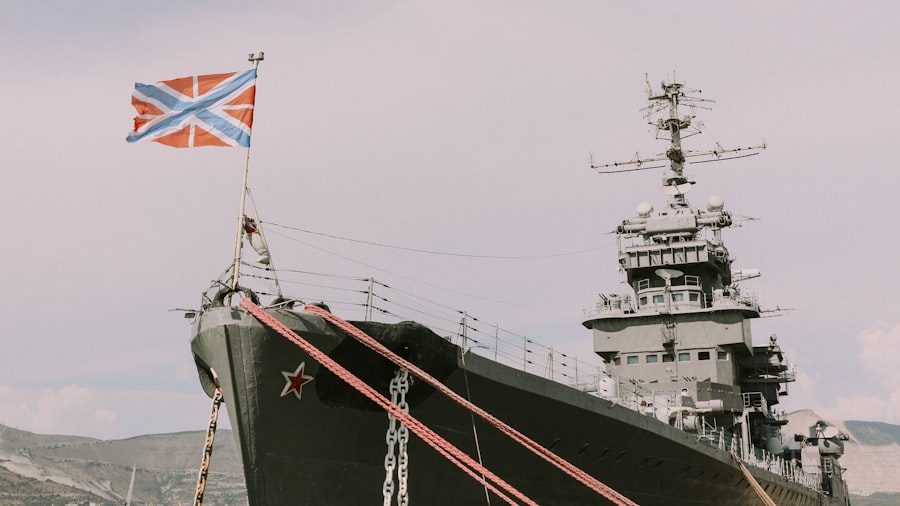
The pursuit of Soviet naval secrets was never a one-way street. The Soviet Union’s sophisticated counterintelligence measures and its own advancements in technology presented significant challenges to CIA operations.
Soviet Counterintelligence: The Shield Against Infiltration
The Soviet Union was acutely aware of the intelligence-gathering efforts directed against it and invested heavily in measures to protect its military secrets. The KGB, with its vast network of informants and its ruthless efficiency, was adept at detecting and neutralizing foreign intelligence operations. This included extensive surveillance of foreign personnel, rigorous vetting of military and scientific personnel, and the careful management of information flow.
The Double Agents and Deception
The Soviets also employed sophisticated deception tactics, including the use of double agents and disinformation campaigns, to mislead Western intelligence agencies. These tactics aimed to sow confusion, lead reconnaissance efforts astray, and protect genuine technological advancements. Navigating these layers of deception was a perpetual challenge, requiring a high degree of analytical skill and skepticism.
Technological Parity and Counter-Advancements
The Soviet Union was not stagnating in its technological development. As the West developed new intelligence-gathering capabilities, the Soviets worked to counter them. This included developing more sophisticated jamming techniques, improving their radar and sonar capabilities to detect submarines, and designing ships and submarines with reduced radar and acoustic signatures. The intelligence race was a constant dialectic, with each innovation met by a counter-innovation.
The Arms Race in the Shadows
The pursuit of naval secrets was intrinsically linked to the broader arms race. Each side sought to understand the other’s military capabilities to inform its own defense spending and strategic planning. This created a dynamic where the acquisition of intelligence was not just about gaining an advantage but also about preventing a strategic surprise.
In a fascinating exploration of Cold War espionage, a recent article delves into the recovery of Soviet naval secrets by the CIA, shedding light on the intricate operations that shaped naval intelligence during that era. The article highlights how these recovered documents provided crucial insights into Soviet maritime strategies and technologies. For those interested in the depths of this historical narrative, you can read more about it in the detailed analysis found here.
The Legacy and Impact: Shaping Naval Strategy and Global Security
| Year | Operation Name | Type of Secret Recovered | Location | Impact on US Naval Intelligence |
|---|---|---|---|---|
| 1968 | Operation Ivy Bells | Undersea Cable Tapping | Sea of Okhotsk | Provided critical Soviet naval communications intelligence |
| 1972 | Project Azorian | Recovery of Soviet Submarine K-129 | Pacific Ocean | Recovered cryptographic materials and missile technology data |
| 1980 | Operation RYAN | Intercepted Soviet Naval Plans | Various Soviet Naval Bases | Enhanced US understanding of Soviet naval strategy |
| 1985 | Operation Ivy Bells II | Advanced Undersea Surveillance Data | Barents Sea | Improved tracking of Soviet submarine movements |
The efforts of the CIA and its partner agencies to recover Soviet naval secrets had a profound and lasting impact on global security and naval strategy. The intelligence gathered informed critical decisions regarding U.S. naval procurement, technological development, and strategic deployments.
Informing Naval Modernization and Doctrine
The insights gained from recovered Soviet naval secrets directly influenced the design and development of U.S. naval vessels, including submarines, surface combatants, and aircraft carriers. Understanding Soviet capabilities allowed the U.S. to focus its resources on developing technologies and strategies that could counter potential threats and maintain a decisive advantage. This was akin to learning from a master craftsman’s techniques, dissecting their methods to refine one’s own artistry, albeit in a deadly arena.
The Balance of Power Shift
The ability to accurately assess the Soviet Union’s naval strength and intentions helped maintain a delicate balance of power throughout the Cold War. It provided the U.S. with the confidence to engage in strategic deterrence, knowing its own vulnerabilities and the potential threats it faced. This intelligence was a crucial component in preventing miscalculation and escalation during periods of heightened tension.
The End of an Era, the Persistence of Secrecy
While the Cold War has ended, the legacy of these intelligence operations continues to be a subject of study and declassification. The historical record reveals a complex and often perilous undertaking, driven by the existential imperative to understand and, if necessary, counter, the military might of a geopolitical rival. The recovery of Soviet naval secrets stands as a testament to the dedication, ingenuity, and the immense risks undertaken by intelligence professionals in the pursuit of vital national security information. The shadows of the Cold War may have receded, but the lessons learned from the intelligence battles beneath the waves continue to echo in the strategic considerations of navies worldwide. The past continues to whisper secrets to the present, offering lessons on the enduring importance of intelligence in a world where power dynamics are constantly in flux, and the depths of the ocean can still hold untold significance.
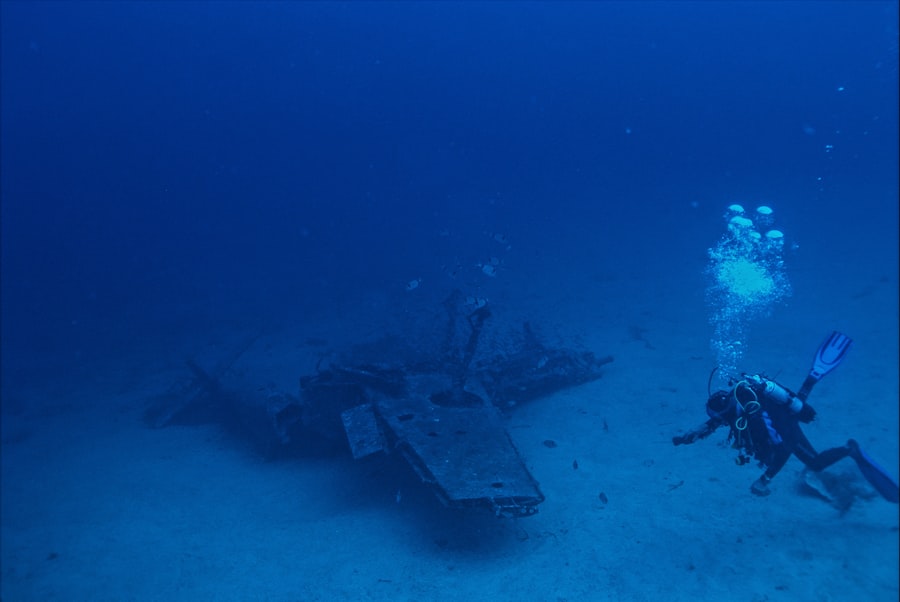
WATCH NOW ▶️ The CIA’s Impossible Mission To Steal A Nuclear Submarine
FAQs
What were the Soviet naval secrets recovered by the CIA?
The Soviet naval secrets recovered by the CIA included classified information on submarine technology, naval communications, ship designs, and strategic naval operations. These secrets provided insights into Soviet naval capabilities during the Cold War.
How did the CIA obtain these Soviet naval secrets?
The CIA obtained Soviet naval secrets through various intelligence-gathering methods such as espionage, intercepting communications, recruiting informants, and recovering physical documents from Soviet vessels or facilities.
Why were Soviet naval secrets important to the United States?
Soviet naval secrets were crucial for the United States to understand the capabilities and intentions of the Soviet Navy. This intelligence helped in developing counter-strategies, improving U.S. naval technology, and maintaining a strategic advantage during the Cold War.
When were these Soviet naval secrets recovered by the CIA?
The recovery of Soviet naval secrets by the CIA primarily occurred during the Cold War period, especially from the 1950s through the 1980s, when tensions between the U.S. and the Soviet Union were at their peak.
What impact did the recovery of Soviet naval secrets have on U.S. naval strategy?
The recovery of Soviet naval secrets allowed the U.S. Navy to enhance its anti-submarine warfare tactics, improve ship and submarine designs, and better anticipate Soviet naval movements, thereby strengthening U.S. maritime security and strategic planning.