The Shadow Beneath the Waves: Unpacking the Challenges of Soviet Rubin Sonar Performance
The silent ballet of submarine warfare has always been a dance of detection and evasion, a deadly game of cat and mouse played out in the crushing depths of the ocean. For the Soviet Union, as for any major naval power, submarines represented a crucial element of its strategic and tactical capabilities. Central to the effectiveness of these underwater predators was their sonar system, the “eyes and ears” that allowed them to perceive their environment and track their adversaries. Among the most prolific and recognizable Soviet sonar systems was the Rubin series. However, despite their widespread deployment and the considerable resources invested in their development, Rubin sonars were not without their significant challenges, impacting their performance and, by extension, the operational effectiveness of the Soviet submarine fleet. Understanding these limitations is crucial to appreciating the nuances of Cold War naval strategy and the technological arms race that characterized it.
In recent discussions about the performance issues of the Soviet submarine Rubin’s sonar systems, it is essential to consider the broader implications of underwater acoustics in naval warfare. A related article that delves into the intricacies of sonar technology and its evolution in military applications can be found at In The War Room. This resource provides valuable insights into how advancements in sonar have influenced submarine design and operational effectiveness over the years.
Design Philosophy and Technological Constraints

The design and development of Soviet sonar systems, including the Rubin series, were heavily influenced by a distinct Soviet approach to technological development, often characterized by a focus on robustness, simplicity, and cost-effectiveness over cutting-edge innovation and user-friendliness. This philosophy, while fostering mass production and reliability in harsh conditions, often came at the expense of sophisticated performance and adaptability.
The Soviet Approach to Naval Technology
Soviet military doctrine, forged in the crucible of World War II and the subsequent Cold War, emphasized quantity and resilience. When it came to naval technology, particularly submarines, this translated into a desire for vessels that could be built in large numbers and withstand the rigors of prolonged operational deployments in challenging environments. This pragmatic approach meant that technological advancements were often adopted incrementally, with a strong emphasis on proven, albeit sometimes less advanced, solutions. The goal was to field a credible and numerically superior force rather than to achieve overwhelming technological superiority in every niche.
In the realm of sonar, this meant that Soviet designers often prioritized systems that were mechanically robust, less prone to electronic failure in extreme temperatures or high-pressure environments, and, crucially, easier to maintain and repair by crews with varying levels of technical expertise. The pursuit of “good enough” technology that could be mass-produced and deployed across a vast submarine fleet often meant that some of the more nuanced or computationally intensive aspects of sonar performance might be sacrificed.
Early Technological Limitations and Material Science
The early generations of Rubin sonar systems, like many other Soviet electronic systems of the era, grappled with fundamental limitations in component technology and material science. The development of high-performance transducers, capable of generating and receiving acoustic signals with exceptional clarity and sensitivity, was a significant hurdle. Soviet materials science, while advanced in some areas, did not always keep pace with Western counterparts in developing specialized piezoelectric ceramics or acoustic metamaterials that could offer superior signal processing and reduced noise susceptibility.
Furthermore, the integration of complex electronic components and the management of thermal loads within the confined spaces of a submarine presented ongoing engineering challenges. Early solid-state electronics were less reliable and generated more heat than later generations, impacting the stability and longevity of sensitive sonar equipment. The sheer complexity of processing the vast amounts of acoustic data generated by advanced sonar systems also outstripped the computational power available in the earlier iterations of Rubin. This often necessitated simpler processing algorithms, which could inherently limit the ability to discern faint signals from background noise or to accurately classify contacts.
The Influence of Secrecy and Isolation
The relative isolation of the Soviet Union from Western technological developments, coupled with a culture of secrecy, also played a role in shaping sonar performance. While Soviet engineers and scientists were undoubtedly brilliant, the lack of direct access to the latest research, design methodologies, and testing techniques prevalent in the West could lead to the “reinvention of the wheel” or the adoption of less optimal solutions. Information exchange, collaboration, and the cross-pollination of ideas, which are vital for rapid technological advancement, were significantly curtailed. This meant that Soviet sonar development often proceeded on a more insular path, potentially missing out on crucial breakthroughs or alternative approaches that Western research had already explored.
Acoustic Environment and Operational Realities
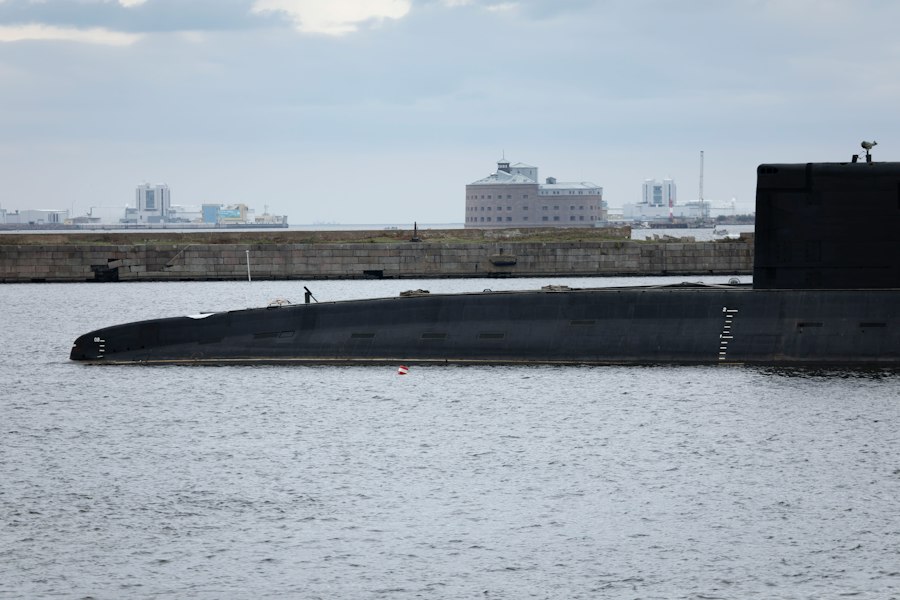
The effectiveness of any sonar system is inextricably linked to the acoustic environment in which it operates. For Soviet submarines, operating in a diverse range of naval theaters, from the Arctic to the Atlantic, this environment presented a unique set of challenges that often pushed the limits of Rubin sonar capabilities. The inherent characteristics of sound propagation in seawater, coupled with the operational tactics employed by both Soviet and NATO forces, created a complex acoustic landscape.
The Dynamic Nature of the Underwater Acoustic Environment
The ocean is not a silent void; it is a cacophony of natural and man-made sounds. Natural sources like marine life, seismic activity, and weather phenomena contribute to ambient noise levels. More critically for sonar performance, however, are the effects of the water column itself. Variations in temperature, salinity, and pressure create layers within the ocean that refract, reflect, and absorb sound waves. This phenomenon, known as thermoclines and haloclines, can create acoustic shadows, where sound does not propagate effectively, or can bend sound in unexpected directions, leading to false echoes or the inability to detect submarines at certain depths or ranges.
Soviet submarines often operated in regions with particularly challenging acoustic conditions, such as the frigid waters of the Arctic Ocean with its ice cover and complex under-ice acoustics, or the highly trafficked waters of the North Atlantic, where the constant presence of other vessels and naval exercises created a dense acoustic clutter. The ability of Rubin sonars to effectively penetrate these complex soundscapes and extract meaningful target information was often compromised by these inherent environmental factors.
The Sonic Signature of Soviet Submarines
Ironically, while Soviet submarines were designed to be stealthy, their own internal machinery and hull design could inadvertently contribute to their acoustic signature, making them more detectable by sophisticated enemy sonar. Early Soviet submarine designs often prioritized speed and armament over acoustic quieting, leading to noisier propulsion systems, less effectively isolated machinery, and hull shapes that could generate more hydrodynamic noise.
Rubin sonars, designed to detect other vessels, would also be tasked with identifying friendly submarines. However, the broad spectral characteristics of some Soviet submarine classes, coupled with the limitations of Rubin’s classification algorithms, could make it difficult for the sonar operator to definitively distinguish between a friendly and a hostile contact, especially in noisy environments. This ambiguity could lead to hesitation, delayed reactions, or even misidentification, all of which are detrimental in a combat scenario.
The Impact of Active vs. Passive Sonar Tactics
Rubin sonars, like most naval sonar systems, operated in both passive and active modes. Passive sonar listens for sounds emitted by other vessels – engine noise, propeller cavitation, and other machinery sounds. This is the preferred method for stealthy operations, as it reveals the submarine’s presence to no one. However, passive sonar has limitations in terms of range and target identification, especially against submarines designed for quiet operation.
Active sonar, on the other hand, emits a “ping” of sound and listens for the echo. This provides much more precise information about range, bearing, and even the shape of a target, but it also unequivocally reveals the sonar user’s position. Soviet submarines, often facing well-equipped and numerous NATO anti-submarine warfare (ASW) forces, had to make difficult tactical decisions about when to employ active sonar. The limitations of passive Rubin sonar performance may have forced them to resort to active sonar more frequently than desired, compromising their stealth and increasing their own vulnerability. Conversely, if Rubin’s passive detection capabilities were insufficient, they might miss vital early warning of an approaching threat.
Signal Processing and Classification Challenges
At the heart of any sonar system lies its ability to process the raw acoustic data it receives and to interpret that data meaningfully. For the Rubin series, this aspect presented some of the most persistent and significant challenges, impacting its ability to accurately detect, track, and classify targets in the face of oceanic noise and sophisticated countermeasures.
The Primitive Nature of Early Digital Signal Processing
The early generations of Rubin sonars were developed during a period when digital signal processing (DSP) was still in its nascent stages. The computational power available was limited, and the algorithms employed were often less sophisticated than those found in contemporary Western systems. This meant that the ability to filter out noise, enhance weak signals, and perform complex spectral analysis was significantly constrained.
While later iterations of Rubin saw improvements with the advent of more powerful computers and advanced algorithms, the initial generations often relied on simpler filtering techniques and less comprehensive spectral decomposition. This could lead to a higher false alarm rate, where transient noises or echoes from the seabed were misinterpreted as submarine contacts, or a lower probability of detection, where faint target signals were lost in the noise floor. The ability to differentiate between various types of submarines or surface vessels based on their unique acoustic signatures was also more rudimentary.
The “Noise Floor” Problem and Target Discrimination
A fundamental challenge for any sonar system is the omnipresent “noise floor” of the ocean. This ambient noise, whether natural or man-made, sets a limit on the faintest signal that can be reliably detected. Rubin sonars, particularly earlier models, struggled to achieve sufficiently low noise floors and effective noise reduction techniques. This meant that the maximum effective range for detecting quiet submarines was often significantly reduced.
Furthermore, even when a potential target was detected, distinguishing it from other acoustic sources was a critical task. The ability to accurately discriminate between different types of vessels – a friendly fishing trawler, a NATO submarine, or even a large marine mammal – relied on the sophistication of the sonar’s classification algorithms. Rubin’s algorithms, often simpler and less adaptive than their Western counterparts, could struggle with this task, especially in cluttered acoustic environments. This could lead to misidentifications, wasted tactical resources, or missed opportunities to engage a target.
Countermeasures and Evolving Target Signatures
As the Cold War progressed, both sides invested heavily in developing countermeasures to defeat enemy sonar systems. The Soviets developed passive and active decoys, noise makers, and techniques to mask their submarines’ acoustic signatures. Conversely, NATO navies worked to reduce the noise output of their submarines and develop more sophisticated sonar analysis techniques.
Rubin sonars, especially the older variants, were often less adaptable to these evolving threats. Their processing capabilities might not have been sufficient to effectively counter sophisticated jamming techniques or to adapt to the increasingly quiet acoustic profiles of newer NATO submarines. The reliance on more static and less adaptive algorithms meant that Rubin systems could be “fooled” by well-executed countermeasures, reducing their effectiveness in a dynamic combat scenario. The constant need to update and refine sonar systems to keep pace with the evolving technological arms race meant that older Rubin models could quickly become obsolete.
Recent discussions surrounding the performance issues of the Soviet submarine Rubin’s sonar systems have highlighted the challenges faced by naval engineers during the Cold War era. These complications not only affected the operational capabilities of the submarines but also influenced strategic maritime decisions. For a deeper understanding of the technological advancements and setbacks in submarine warfare, you can read more in this insightful article on the topic. Check it out here: naval engineering.
Integration and Operational Deployment Issues
| Metric | Details | Impact on Performance | Notes |
|---|---|---|---|
| Sonar Detection Range | Reduced by approximately 20-30% compared to Western counterparts | Limited early threat detection and target tracking | Attributed to outdated transducer technology and signal processing |
| Signal-to-Noise Ratio (SNR) | Lower SNR due to mechanical and electronic noise interference | Decreased ability to distinguish targets from background noise | Issues with hull-mounted array design and internal machinery noise |
| Frequency Bandwidth | Narrower operational bandwidth compared to NATO sonar systems | Reduced target resolution and classification accuracy | Limited frequency agility affected adaptability in different environments |
| Reliability | Frequent malfunctions and maintenance requirements | Operational downtime and reduced mission readiness | Complex electronics and insufficient quality control during production |
| Processing Speed | Slower data processing and target analysis | Delayed response times in threat engagement | Outdated onboard computing hardware |
Beyond the inherent technological limitations and acoustic challenges, the practical aspects of integrating and operating Rubin sonar systems within the vast and complex Soviet submarine fleet presented their own set of hurdles, impacting overall performance and crew effectiveness.
The Challenge of a Diverse Submarine Fleet
The Soviet Union operated a remarkably diverse submarine fleet, ranging from small, specialized reconnaissance vessels to massive ballistic missile submarines. This diversity meant that sonar systems, including Rubin variants, had to be adapted and integrated into a wide array of hull designs, power plants, and operational profiles. This often resulted in compromises, where a sonar system optimized for one class of submarine might not perform optimally in another.
The sheer number of submarines in the fleet also meant that the logistical challenges of maintaining, repairing, and upgrading sonar systems were immense. Ensuring that all deployed Rubin systems were functioning at peak performance, with up-to-date software and calibrated components, was a continuous struggle. Delays in maintenance or the use of outdated parts could significantly degrade sonar performance.
Crew Training and Operator Proficiency
The effectiveness of any sonar system ultimately rests on the skill and training of the operators who man it. Soviet naval doctrine placed a strong emphasis on discipline and adherence to procedures. While this ensured a certain level of operational consistency, it could also limit the initiative and adaptability of sonar operators, particularly in novel or unexpected situations.
Training for Soviet sonar operators, while rigorous, may not have always provided the depth of experience in analyzing complex acoustic scenarios or adapting to rapidly changing tactical environments that their Western counterparts received. The relative scarcity of opportunities for realistic, large-scale AS
The Soviet Submarine That Broke a Speed Record—and Its Own Stealth
FAQs
What is the Soviet submarine Rubin?
The Soviet submarine Rubin was a class of nuclear-powered submarines developed by the Soviet Union during the Cold War era.
What were the sonar performance issues faced by the Soviet submarine Rubin?
The Soviet submarine Rubin faced sonar performance issues due to the limitations of its sonar technology, which affected its ability to detect and track enemy vessels effectively.
How did the sonar performance issues impact the operational capabilities of the Soviet submarine Rubin?
The sonar performance issues limited the Soviet submarine Rubin’s ability to effectively navigate and engage in underwater warfare, making it more vulnerable to detection by enemy forces.
What measures were taken to address the sonar performance issues of the Soviet submarine Rubin?
To address the sonar performance issues, the Soviet Union made efforts to upgrade the sonar technology on the Rubin submarines and improve their overall acoustic capabilities.
Did the sonar performance issues of the Soviet submarine Rubin have any long-term implications?
The sonar performance issues of the Soviet submarine Rubin highlighted the importance of advanced sonar technology in submarine warfare and influenced future developments in underwater acoustic systems.