In an era marked by rapid technological advancements and evolving geopolitical landscapes, the necessity for military upgrades has never been more pronounced. Nations around the globe are increasingly recognizing that maintaining a competitive edge in defense capabilities is crucial for national security. As threats become more sophisticated, military forces must adapt and modernize their equipment, strategies, and operational frameworks to effectively respond to emerging challenges.
The urgency for these upgrades is underscored by the need to deter potential adversaries and ensure the safety of citizens. Moreover, the nature of warfare has transformed dramatically over the past few decades. Traditional battlefields have given way to complex environments where cyber warfare, unmanned systems, and advanced weaponry play pivotal roles.
This shift necessitates a comprehensive reevaluation of military assets and strategies. Upgrading military capabilities is not merely about acquiring the latest technology; it involves a holistic approach that encompasses training, logistics, and integration into existing frameworks. As nations strive to bolster their defense mechanisms, the imperative for military upgrades becomes increasingly clear.
Key Takeaways
- Military upgrades are essential to maintain operational effectiveness and address evolving threats.
- Advanced technology plays a critical role but must be balanced with robust logistics and supply chain management.
- Budget constraints require careful prioritization and integration of new systems into existing infrastructure.
- Training and skills development are vital to ensure personnel can effectively utilize upgraded equipment.
- Addressing obsolescence and maintenance challenges is key to sustaining long-term military readiness.
The Role of Technology in Military Upgrades
Technology serves as the backbone of modern military upgrades, driving innovation and enhancing operational capabilities. From advanced weapon systems to sophisticated communication networks, technological advancements have revolutionized how militaries operate. For instance, the integration of artificial intelligence (AI) into military operations has enabled forces to analyze vast amounts of data in real-time, improving decision-making processes and operational efficiency.
Drones and unmanned aerial vehicles (UAVs) have transformed reconnaissance and surveillance missions, allowing for greater situational awareness without risking human lives. Furthermore, the development of cyber capabilities has become paramount in safeguarding national interests. As adversaries increasingly exploit vulnerabilities in digital infrastructure, militaries must invest in robust cybersecurity measures to protect sensitive information and maintain operational integrity.
The role of technology in military upgrades extends beyond weaponry; it encompasses logistics, training, and communication systems that are essential for effective operations. As nations prioritize technological advancements, they must also consider how these innovations can be seamlessly integrated into existing military frameworks.
The Importance of Logistics in Military Operations
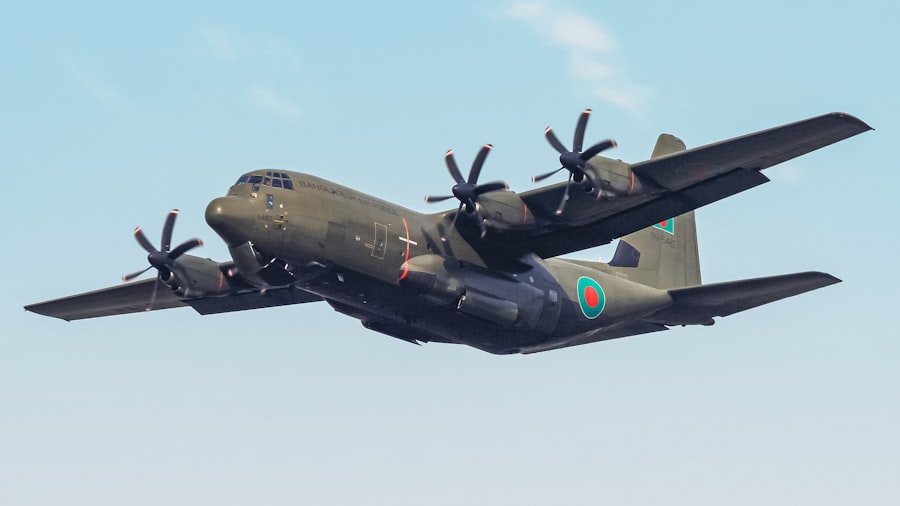
While technology often takes center stage in discussions about military upgrades, logistics plays an equally critical role in ensuring operational success. The ability to efficiently transport personnel, equipment, and supplies to the front lines can significantly impact mission outcomes. A well-coordinated logistics system enables military forces to respond swiftly to emerging threats and sustain operations over extended periods.
Moreover, the complexity of contemporary military operations necessitates a comprehensive understanding of supply chain management. From procurement to distribution, every aspect of logistics must be meticulously planned and executed.
This includes not only the transportation of goods but also the maintenance and repair of equipment in the field. As militaries upgrade their capabilities, they must also invest in logistics infrastructure to support these advancements.
Balancing Technology and Logistics: The Challenge
The challenge of balancing technological advancements with logistical capabilities is a persistent issue faced by military organizations worldwide. While cutting-edge technology can enhance operational effectiveness, it often requires corresponding logistical support to ensure its successful implementation. For instance, advanced weapon systems may demand specialized maintenance and training that existing logistics frameworks may not be equipped to handle.
This disconnect can lead to inefficiencies and hinder the overall effectiveness of military operations. Additionally, as militaries adopt new technologies, they must also consider the implications for their supply chains. The introduction of sophisticated systems may necessitate changes in procurement processes, inventory management, and distribution networks.
Striking the right balance between investing in technology and ensuring robust logistical support is crucial for maximizing operational readiness. Military leaders must navigate this complex landscape to ensure that advancements do not outpace their ability to support them effectively.
Budget Constraints and Military Upgrades
| Problem Area | Description | Impact on Military | Example Metrics |
|---|---|---|---|
| Cost Overruns | Upgrades often exceed initial budget estimates due to complexity and unforeseen challenges. | Strains defense budgets and limits funding for other priorities. | Average cost increase: 30-50% over initial estimates |
| Integration Issues | New systems may not be compatible with existing equipment or infrastructure. | Delays deployment and reduces operational readiness. | Integration delays: 12-24 months on average |
| Training Requirements | Personnel need extensive retraining to operate upgraded systems effectively. | Temporary reduction in force effectiveness and increased training costs. | Training time increase: 20-40% compared to legacy systems |
| Technological Complexity | Advanced technology can introduce new vulnerabilities and maintenance challenges. | Higher failure rates and increased maintenance downtime. | Maintenance downtime increase: 15-25% |
| Supply Chain Disruptions | Dependence on specialized parts and suppliers can cause delays. | Slows repair cycles and reduces system availability. | Parts lead time increase: 30-60 days |
| Obsolescence Risk | Rapid tech advances can make upgrades outdated quickly. | Frequent need for further upgrades or replacements. | Upgrade lifecycle: 5-7 years before next major update |
Budget constraints pose a significant challenge to military upgrades, often limiting the scope and pace of modernization efforts. Governments must allocate resources judiciously, balancing defense spending with other pressing national priorities such as healthcare, education, and infrastructure development. As a result, military organizations frequently find themselves competing for funding in an environment where fiscal responsibility is paramount.
The impact of budget constraints on military upgrades can be profound. Limited financial resources may force militaries to prioritize certain projects over others or delay critical upgrades altogether. This can create vulnerabilities in national defense capabilities, particularly as adversaries continue to invest in their own modernization efforts.
To navigate these challenges, military leaders must develop strategic plans that align with available resources while advocating for necessary funding to ensure that their forces remain capable and prepared for future threats.
Integration of New Technology into Existing Infrastructure
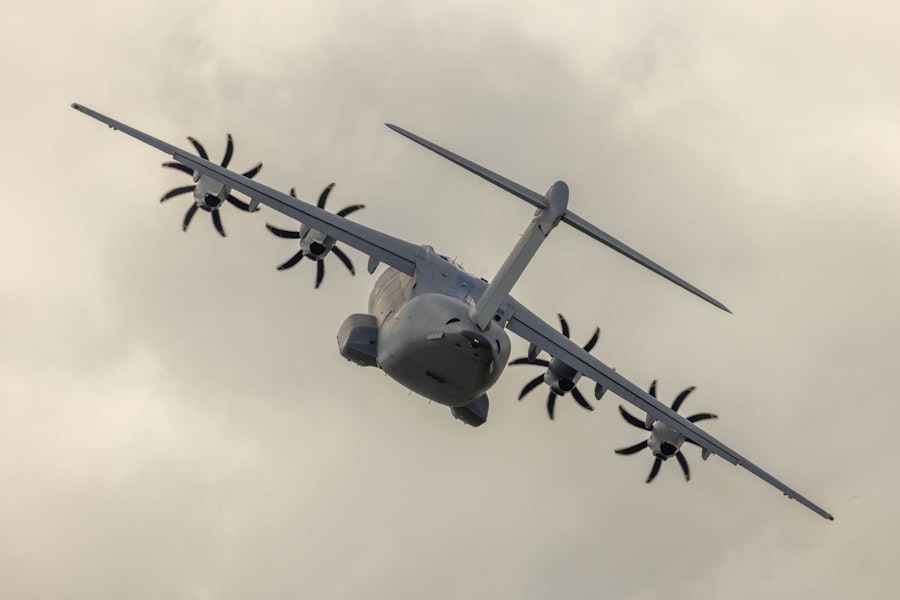
Integrating new technology into existing military infrastructure presents both opportunities and challenges. On one hand, modernization efforts can enhance operational capabilities and improve efficiency; on the other hand, they require careful planning to ensure compatibility with legacy systems. The successful integration of new technologies often hinges on a thorough understanding of existing infrastructure and the potential impacts on overall operations.
Moreover, the process of integration involves not only technical considerations but also cultural shifts within military organizations. Personnel must be trained to operate new systems effectively, which may require significant investment in education and skills development. Additionally, there may be resistance to change from those accustomed to traditional methods of operation.
Addressing these challenges is essential for ensuring that new technologies are embraced rather than viewed as burdensome additions to existing frameworks.
Training and Skills Development for Military Personnel
As militaries upgrade their capabilities through new technologies, the importance of training and skills development cannot be overstated. Personnel must be equipped with the knowledge and expertise necessary to operate advanced systems effectively. This requires a comprehensive training strategy that encompasses not only technical skills but also critical thinking and adaptability in dynamic environments.
Furthermore, ongoing professional development is essential for maintaining operational readiness in an ever-evolving landscape. As technology continues to advance at a rapid pace, military personnel must stay abreast of new developments and best practices. This commitment to continuous learning fosters a culture of innovation within military organizations, enabling them to leverage new technologies effectively while adapting to changing circumstances on the battlefield.
Supply Chain Management and Military Upgrades
Effective supply chain management is integral to successful military upgrades, ensuring that personnel have access to the resources they need when they need them. A well-functioning supply chain enables militaries to maintain operational readiness by facilitating the timely delivery of equipment, spare parts, and other essential supplies. As militaries modernize their capabilities, they must also enhance their supply chain processes to accommodate new technologies and evolving operational requirements.
Moreover, supply chain management extends beyond mere logistics; it encompasses strategic planning and collaboration with various stakeholders. This includes partnerships with private sector suppliers who can provide cutting-edge technology and support services. By fostering strong relationships with industry partners, militaries can enhance their supply chain resilience and responsiveness, ultimately improving their ability to execute missions effectively.
The Impact of Military Upgrades on Operational Effectiveness
The impact of military upgrades on operational effectiveness is profound and multifaceted. Enhanced capabilities enable forces to respond more swiftly and decisively to emerging threats while improving overall mission success rates. For instance, upgraded communication systems facilitate better coordination among units, allowing for more effective joint operations across different branches of the military.
Additionally, modernized equipment often translates into improved safety for personnel on the battlefield. Advanced protective gear and weaponry can enhance survivability while increasing lethality against adversaries. As militaries invest in upgrades that bolster their operational effectiveness, they also contribute to deterrence strategies that can prevent conflicts from escalating in the first place.
Addressing Obsolescence and Maintenance Issues
As militaries pursue modernization efforts, addressing obsolescence and maintenance issues becomes increasingly critical. Aging equipment can hinder operational effectiveness and pose risks during missions. Therefore, regular assessments of existing assets are essential for identifying areas that require upgrades or replacements.
Moreover, maintenance practices must evolve alongside technological advancements. New systems may require specialized maintenance protocols that differ from those used for legacy equipment. Ensuring that maintenance personnel are adequately trained to handle these new requirements is vital for sustaining operational readiness over time.
By proactively addressing obsolescence and maintenance challenges, militaries can maximize the lifespan of their assets while ensuring they remain capable of meeting contemporary threats.
Finding the Right Balance for Military Upgrades
In conclusion, finding the right balance for military upgrades is a complex yet essential endeavor for nations seeking to enhance their defense capabilities. As technology continues to evolve at an unprecedented pace, militaries must navigate challenges related to logistics, budget constraints, integration processes, training needs, and supply chain management. The interplay between these factors underscores the importance of a holistic approach to modernization efforts.
Ultimately, successful military upgrades hinge on strategic planning that aligns technological advancements with logistical support while prioritizing personnel development. By addressing these interconnected elements comprehensively, nations can ensure that their armed forces remain agile, effective, and prepared to meet future challenges head-on. In an increasingly uncertain world, investing in military upgrades is not just a matter of national pride; it is a fundamental necessity for safeguarding security and stability on a global scale.
Military upgrades can often lead to a range of unforeseen problems, including increased tensions between nations and the potential for an arms race. For a deeper understanding of these issues, you can read the article on this topic at this link. The complexities surrounding military advancements highlight the delicate balance between national security and global stability, making it essential to consider the broader implications of such upgrades.
FAQs
What are military upgrades?
Military upgrades refer to the process of improving or modernizing a country’s defense equipment, technology, and infrastructure to enhance its combat capabilities and overall security.
Why do military upgrades sometimes create problems?
Military upgrades can create problems due to high costs, technological complexities, integration challenges with existing systems, and potential disruptions to military operations during the transition period.
How do budget constraints affect military upgrades?
Budget constraints can limit the scope and speed of military upgrades, forcing defense departments to prioritize certain projects over others and sometimes leading to compromises in quality or capability.
What technological challenges are associated with military upgrades?
Technological challenges include compatibility issues with legacy systems, the need for extensive testing and training, and the risk of adopting unproven or rapidly evolving technologies that may become obsolete quickly.
Can military upgrades impact international relations?
Yes, military upgrades can affect international relations by triggering arms races, causing regional tensions, or altering the balance of power, which may lead to diplomatic challenges or conflicts.
How do military upgrades affect personnel?
Upgrades often require additional training and adaptation by military personnel, which can temporarily reduce operational readiness and increase the demand for skilled technicians and operators.
Are there risks of delays in military upgrade programs?
Yes, delays are common due to technical difficulties, procurement issues, budget overruns, and changing strategic priorities, which can postpone the deployment of new capabilities.
What role does maintenance play in military upgrades?
Maintenance is critical, as new systems may require different or more complex upkeep, and failure to properly maintain upgraded equipment can reduce its effectiveness and lifespan.
How do military upgrades influence defense strategy?
Upgrades can lead to shifts in defense strategy by enabling new tactics, altering force structure, and changing the focus of military operations based on enhanced capabilities.
Can military upgrades lead to unintended consequences?
Yes, unintended consequences may include increased vulnerability during transition phases, overreliance on technology, or neglect of other important defense areas such as personnel welfare or intelligence.