
The Aftermath of the Cuban Missile Crisis
The Cuban Missile Crisis occurred during a thirteen-day period in October 1962,…

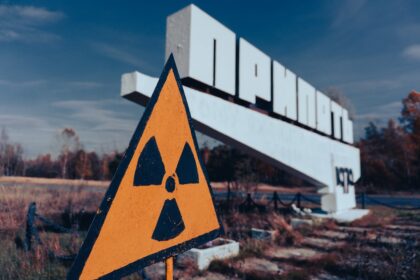
Understanding Nuclear Deterrence Logic
Nuclear deterrence has emerged as a pivotal concept in international relations since…

Building Resilience: Command and Control in Crisis
In the realm of crisis management, the concepts of command and control…
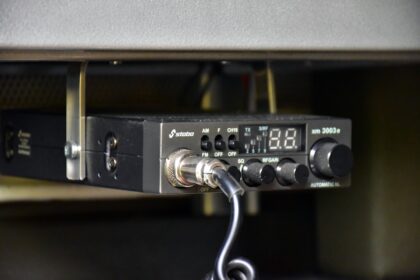
Unlocking the Potential of VLF Radio for Nuclear Communications
Very Low Frequency (VLF) radio waves, which range from 3 kHz to…
Seismic Sensing: Nuclear Detection Advancements
Seismic sensing, a technology rooted in the study of earth vibrations, has…

Detecting Overpressure in Nuclear Blasts
Overpressure is a critical phenomenon associated with nuclear explosions, characterized by a…
Monitoring Radiation from Nuclear Weapons
Radiation is energy that propagates through space in multiple forms, including alpha…

Securing Nuclear Facilities with Cryptography Authentication
Nuclear facilities, including power plants, research reactors, and waste management sites, constitute…

Protecting Nuclear Systems: EMP Hardening Strategies
Electromagnetic pulses (EMPs) are sudden bursts of electromagnetic radiation that can interfere…

The Two Person Rule: Ensuring Safety in Nuclear Weapons
The Two Person Rule is a critical safety protocol designed to enhance…