The Spoils of War: Unveiling Soviet Equipment Captured Intact
The history of warfare is replete with tales of strategic brilliance, daring maneuvers, and the sheer grit of soldiers on the front lines. Equally significant, though often less heralded, is the tangible evidence left behind by these conflicts: the captured equipment. For Soviet-era military hardware, the battlefield has served as both its testing ground and its ultimate proving ground. When a formidable piece of Soviet engineering, whether a tank, an aircraft, or a sophisticated electronic warfare system, falls into enemy hands in operational condition, it represents a significant intelligence coup, a testament to battlefield fortunes, and a critical opportunity for analysis. The intact seizure of Soviet equipment on the battlefield offers a unique window into the technological prowess, operational doctrine, and logistical capabilities of the Soviet Union and its successor states. This article delves into the multifaceted significance of such captures, exploring their impact on military intelligence, operational tactics, and the broader geopolitical landscape.
In the context of military history, the capture of Soviet equipment intact during various conflicts has provided valuable insights into the technological advancements and strategies of the Soviet military. A related article that delves deeper into this topic can be found at In The War Room, where it discusses the implications of such captures on both tactical operations and the understanding of Soviet military doctrine. This resource offers a comprehensive analysis of specific instances where equipment was seized and the subsequent impact on military engagements.
Echoes of Red Star: Why Intact Soviet Equipment is a Prize
The value of any captured enemy materiel is directly proportional to its condition and its technological sophistication. For Soviet-era equipment, intact captures are particularly prized due to a confluence of factors. Firstly, Soviet military doctrine often emphasized robustness and simplicity, designed for mass production and deployment in challenging environments. While this could sometimes translate to less sophisticated electronics compared to Western counterparts, it also meant that their machines were often resilient and, when captured intact, provided a more complete picture of their operational parameters without the damage that battlefield destruction inevitably inflicts. Secondly, the sheer global proliferation of Soviet and Russian military hardware means that understanding its capabilities is of paramount importance to numerous nations. Any force equipped with or facing Soviet-bloc weaponry needs detailed, up-to-date intelligence on its strengths, weaknesses, and potential countermeasures.
Unlocking the Secrets: Intelligence Advantages
The most immediate and profound benefit of capturing Soviet equipment intact lies in the realm of military intelligence. Unlike damaged or destroyed systems, intact platforms provide a complete, functional snapshot of the enemy’s technological capabilities. This allows for a meticulous dissection of its design, materials, electronics, and software. Analysts can reverse-engineer components, understand operational procedures, and identify vulnerabilities that might otherwise remain hidden. This intelligence can then be used to develop effective countermeasures, improve friendly weapon systems, and anticipate enemy tactics.
Technical Dissection and Reverse Engineering
When a T-72 tank or a MiG-29 fighter lands in enemy hands without being reduced to rubble, the real work for intelligence agencies begins. Skilled technicians and engineers can meticulously examine every nut and bolt. They can identify the specific manufacturers of components, often revealing the intricacies of the Soviet supply chain and the extent of their reliance on foreign technology, or conversely, their indigenous capabilities. The analysis of avionics, fire control systems, and engine performance can reveal crucial data about speed, range, maneuverability, and the effectiveness of its weaponry. This reverse engineering process is not just about understanding what a system is, but also about discovering how it works and how it can be beaten. The discovery of specific programming within a radar system, for example, could lead to the development of electronic countermeasures that render it useless.
Understanding Operational Doctrine and Tactics
Beyond the purely technical, intact Soviet equipment offers invaluable insights into operational doctrine and tactical employment. The configuration of a tank’s internal layout, the placement of its ammunition, and the design of its crew compartments can reveal much about how it is intended to be operated and protected in combat. Similarly, the types of sensors, communication systems, and electronic warfare suites integrated into an aircraft provide clues about its intended role – air superiority, ground attack, reconnaissance – and the tactics employed by its pilots. Analysts can correlate these findings with battlefield reports and historical data to build a more accurate picture of how Soviet forces fight, their preferred engagement ranges, and their command and control structures. The presence of specific jamming equipment, for instance, might indicate a doctrine that relies heavily on disrupting enemy communications before an offensive.
The Battlefield as a Laboratory: Tactical Implications
The capture of functional Soviet military hardware directly influences tactical decision-making on the battlefield. Knowledge gained from analyzing these captured assets can lead to immediate adjustments in how friendly forces engage the enemy. It can inform the development of new tactics, the modification of existing ones, and the prioritization of targets. The battlefield itself, therefore, becomes a dynamic laboratory where the spoils of war are continuously analyzed and their lessons rapidly integrated into ongoing operations.
Adapting Engagement Strategies
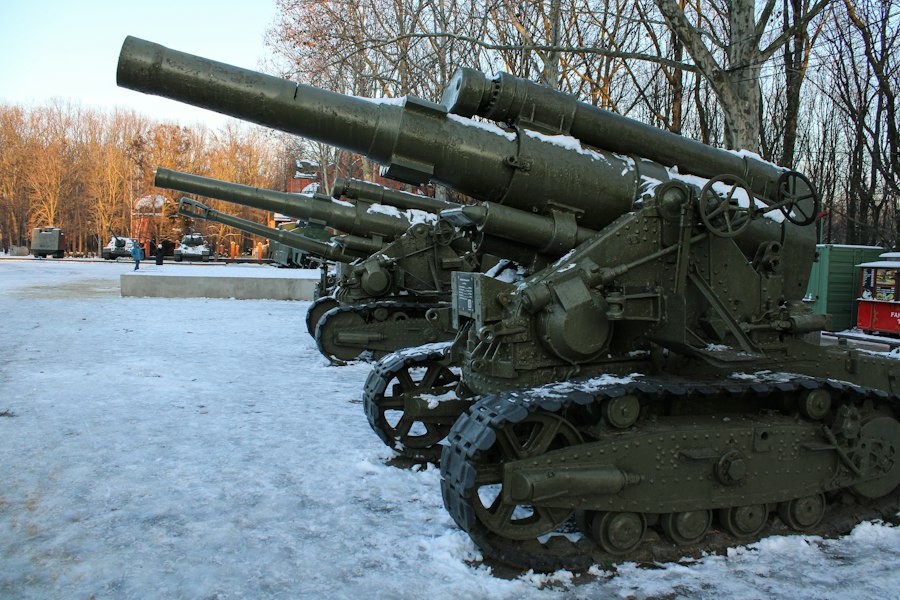
Knowing the precise capabilities and limitations of an adversary’s equipment allows for the tailoring of engagement strategies. If a captured radar system is found to be vulnerable to a specific frequency band, friendly aircraft can be equipped with jammers to exploit this weakness. If an infantry fighting vehicle’s armor is discovered to be particularly susceptible to a certain type of anti-tank projectile, then tactics can be adjusted to prioritize the use of that weapon. The capture of a complete Soviet artillery system, for example, might reveal its logistical requirements, its rate of fire, and the accuracy of its shells, allowing opposing forces to better predict artillery barrages and plan defensive maneuvers. This constant cycle of learning and adaptation is crucial for maintaining a battlefield advantage.
Countering Key Weapon Systems
Certain Soviet-designed weapon systems have been particularly formidable and have often been the subject of intense scrutiny when captured intact. The S-300 air defense system, for instance, is a highly capable system that has been a source of considerable interest for Western military analysts. Capturing a functional S-300 battery, or even individual components like its radar and missile launchers, provides unparalleled opportunities to understand its tracking capabilities, engagement envelopes, and electronic countermeasures. This knowledge is vital for developing effective strategies to defeat such systems, whether by employing stealth aircraft, specialized electronic warfare, or direct assault. The ability to neutralize a critical enemy asset like a powerful air defense system can dramatically shift the balance of power in a conflict.
A Trove of Technology: Specific Examples of Captured Soviet Hardware
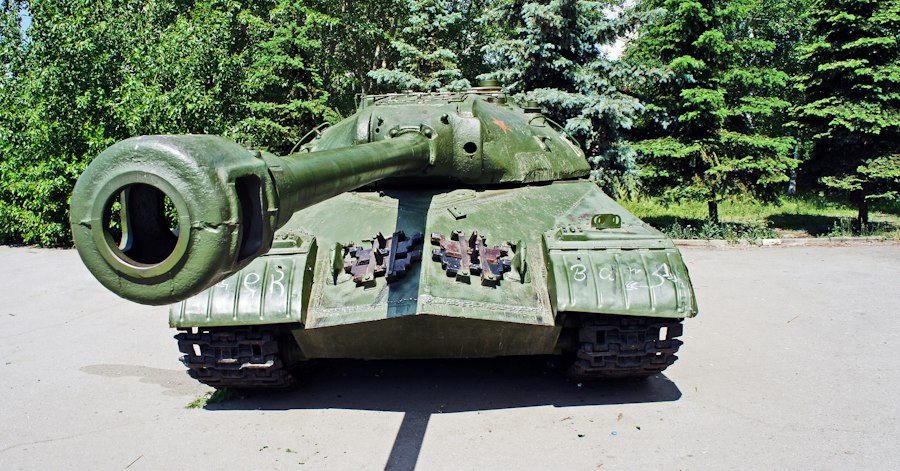
Throughout history, numerous instances of intact Soviet military equipment falling into enemy hands have provided invaluable intelligence. These captures range from individual weapons and vehicles to entire logistical trains and sophisticated electronic systems. Each seizure represents a unique opportunity to study the cutting edge of Soviet military technology as it existed at the time. The analysis of these diverse examples paints a picture of the breadth and depth of Soviet military industrial output.
From Tanks to Tech: A Spectrum of Seizures
The variety of Soviet equipment captured intact is extensive, reflecting the vastness of the Soviet military-industrial complex. This includes not only the iconic tanks and aircraft that often dominate headlines but also less visible but equally critical components of modern warfare.
Armored Warfare: The Case of the Tank
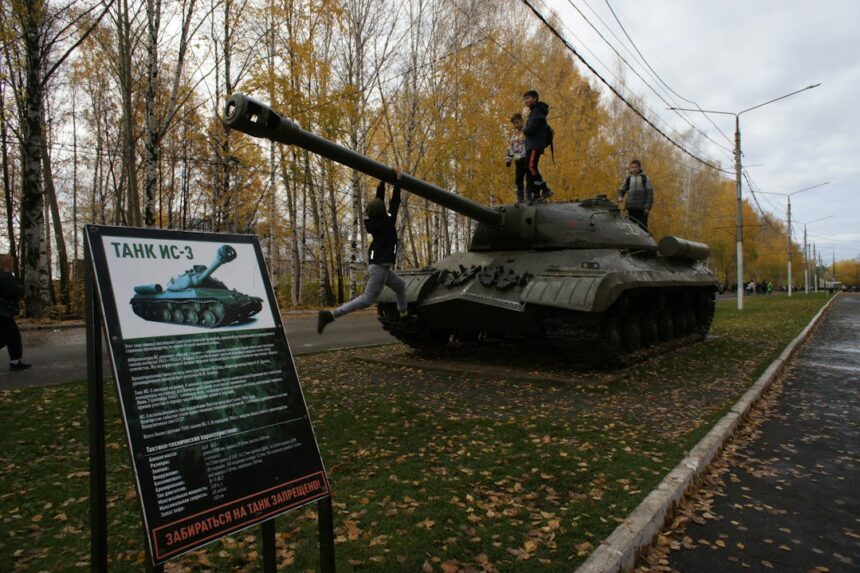
Tanks represent a significant investment in military hardware, and the capture of an intact Soviet tank is a major intelligence coup. The T-55, T-62, T-72, and T-80 series of tanks have all been subjects of extensive analysis after being captured by various forces. For example, during the Yom Kippur War in 1973, Israel captured a significant number of Egyptian and Syrian T-54/55 tanks. This provided Western and Israeli analysts with a detailed understanding of Soviet armor design, including its strengths (e.g., relatively low profile, powerful main gun) and weaknesses (e.g., ammunition storage vulnerabilities, less advanced fire control systems compared to contemporary Western tanks). More recently, conflicts in Ukraine have seen numerous instances of intact Russian tanks being captured, providing ongoing intelligence on their modernizations and operational deployment. Examining the internal layout, the type of armor plating, the engine performance, and the fire control systems offers crucial data for developing effective anti-tank strategies. The presence of reactive armor, for instance, signifies a particular countermeasure against shaped-charge warheads, prompting a re-evaluation of anti-tank munition design.
Aviation and Air Defense: Dominance in the Skies
The capture of Soviet aircraft and air defense systems is also of immense strategic importance. The MiG series of fighter jets, such as the MiG-21, MiG-23, and MiG-29, have been acquired by various nations through capture or defection, allowing for thorough evaluation of their aerodynamic performance, engine technology, and avionics. Similarly, air defense systems like the SA-6 Gainful, SA-8 Gecko, and the aforementioned S-300 have been closely studied. The capture of an intact SA-6 battery during the Yom Kippur War provided crucial intelligence on its capabilities, which was then used by Israel to develop tactics and electronic countermeasures to defeat it in subsequent conflicts. The analysis of Soviet radar systems, missile guidance technologies, and electronic warfare capabilities found within these systems is paramount for maintaining air superiority and ensuring the survivability of friendly aircraft.
Electronics and Communications: The Unseen Battlefield
While tanks and aircraft are visually impressive, the capture of intact Soviet electronic warfare systems, communication equipment, and radar components offers perhaps the most profound intelligence advantages. These systems operate in the electromagnetic spectrum, a critical domain of modern warfare. Understanding the frequencies used, the encryption methods employed, and the jamming capabilities of Soviet systems allows for the development of sophisticated countermeasures. The capture of a functioning Soviet electronic intelligence (ELINT) or electronic support measures (ESM) system can reveal the enemy’s surveillance capabilities, their communication protocols, and their methods for detecting and identifying friendly electronic emissions. This information is vital for protecting friendly forces from electronic attack and for conducting electronic deception operations.
The Geopolitical Ripples: How Captures Shape International Relations
The impact of capturing intact Soviet equipment extends far beyond the immediate battlefield. Such events can have significant geopolitical ramifications, influencing international alliances, arms control negotiations, and the perceived military balance between nations. The revelation of advanced Soviet technology, or conversely, its limitations, can lead to shifts in diplomatic relations and military aid.
Shifting the Balance of Power
The successful acquisition of advanced Soviet military technology by a rival nation can dramatically alter the perceived military balance of power. If a country like the United States or its allies can thoroughly analyze and, if possible, replicate key Soviet technologies, it can neutralize existing threats and potentially gain a technological edge. This can lead to a more cautious approach by Soviet-bloc nations and potentially de-escalate certain tensions, or conversely, it can fuel an arms race as both sides strive to maintain or achieve technological superiority. The knowledge gained from captured hardware can also be shared with allies, thereby strengthening existing partnerships and fostering new ones.
Impact on Arms Sales and Military Aid
The effectiveness and vulnerabilities of Soviet military equipment, as revealed through battlefield captures, directly influence global arms sales and military aid. If a particular Soviet weapon system proves to be surprisingly robust and effective in combat, it can boost its desirability on the international market. Conversely, if significant weaknesses are exposed, it can lead to a decline in sales and a re-evaluation of military aid packages. For example, the performance of Soviet tanks in various conflicts has influenced the purchasing decisions of many nations, impacting the global arms trade. Similarly, the capabilities of Soviet air defense systems have shaped how nations perceive their own air defense needs and the types of systems they seek to acquire, often leading to purchases of Western alternatives if Soviet systems are found wanting.
The capture of Soviet equipment intact during various conflicts has provided valuable insights into military technology and tactics. For instance, an interesting article discusses how these captures have influenced modern warfare strategies and the understanding of enemy capabilities. You can read more about this topic in the article found here, which delves into the implications of such findings on contemporary military operations.
The Legacy of Intact Captures: Lessons for the Future
| Equipment Type | Model | Quantity Captured | Year Captured | Location | Condition |
|---|---|---|---|---|---|
| Main Battle Tank | T-34 | 15 | 1941 | Eastern Front | Intact |
| Self-Propelled Gun | SU-76 | 7 | 1943 | Ukraine | Operational |
| Fighter Aircraft | Yak-9 | 3 | 1944 | Belarus | Intact |
| Artillery | ZiS-3 76mm | 20 | 1942 | Smolensk | Operational |
| Submachine Gun | PPSh-41 | 50 | 1941 | Western Front | Intact |
The practice of capturing intact enemy equipment, particularly advanced military hardware, has been a constant throughout military history. For Soviet and Russian military technology, the battlefield has served as an involuntary, yet invaluable, source of intelligence for adversaries. The lessons learned from these captures have not only shaped past conflicts but continue to inform present-day military planning and technological development. As new generations of military hardware emerge, the meticulous analysis of intact captures will remain a cornerstone of effective defense strategy.
Continuous Learning and Technological Advancement
The study of captured Soviet equipment has been a catalyst for continuous learning and technological advancement in numerous defense industries. The detailed analysis of design, materials, and performance characteristics has allowed for the development of more effective countermeasures and the creation of superior indigenous technologies. This iterative process of capture, analysis, and innovation is essential for maintaining a technological edge in a constantly evolving security environment. The insights gained from studying Soviet radar, for example, have led to significant improvements in Western radar technology, making them more resilient to jamming and capable of detecting smaller targets.
The Enduring Importance of Battlefield Intelligence
The enduring importance of battlefield intelligence, particularly in the form of intact captured equipment, cannot be overstated. In an era of rapidly advancing technology and complex geopolitical landscapes, understanding the enemy’s capabilities is paramount. The spoils of war, when they can be examined in their entirety, offer a unique and invaluable source of information that can significantly influence the outcome of conflicts and shape the future of military technology. The practice of meticulously documenting, analyzing, and integrating lessons learned from captured materiel will undoubtedly remain a critical component of national security for decades to come.

A 3-Year Drought Hit the Hittite Empire. Did It Cause the Collapse?
FAQs
What is meant by “Soviet equipment captured intact”?
It refers to military equipment and vehicles manufactured by the Soviet Union that were seized by opposing forces without being damaged or destroyed.
How common was it for Soviet equipment to be captured intact during conflicts?
While it varied depending on the specific conflict, there are instances where significant amounts of Soviet equipment were captured intact, especially during the Cold War era.
What are some examples of Soviet equipment that have been captured intact?
Examples include tanks such as the T-72, aircraft like the MiG-29, and artillery pieces like the D-30 howitzer, among others.
What are the potential benefits of capturing Soviet equipment intact for opposing forces?
Opposing forces can study the technology and design of the equipment, use it for their own purposes, or gain valuable intelligence on Soviet military capabilities.
How do countries typically handle captured Soviet equipment?
Countries may choose to analyze, refurbish, and integrate the captured equipment into their own military forces, sell it to other countries, or display it in museums for historical purposes.