The salty air, thick with the scent of the ocean and the metallic tang of fear, clung to Captain Richard Phillips as he clung to his own life. Days had bled into a grueling, terrifying ordeal aboard the Maersk Alabama, a merchant vessel turned prison by a band of Somali pirates. Their demands were simple, their methods brutal. Phillips, a seasoned mariner, found himself the reluctant pawn in a high-stakes game, his courage and resourcefulness pushed to their absolute limits.
The Unforeseen Threat
The routine voyage of the Maersk Alabama, a container ship carrying vital cargo to Kenya, was shattered in the pre-dawn hours of April 8, 2009. Located approximately 250 nautical miles off the coast of Somalia, the vessel, under the command of Captain Phillips, was in international waters. It was here, in a region notorious for piracy, that the unimaginable became a reality. A group of heavily armed Somali pirates, operating from a skiff, targeted the Maersk Alabama with a chilling efficiency. Their small, agile craft, a stark contrast to the behemoth they sought to conquer, was equipped with automatic weapons and RPGs, instruments of terror honed by years of illicit enterprise. The pirates, driven by desperation and a perceived opportunity for immense profit, saw the Maersk Alabama as a lucrative prize. Their experience in navigating the treacherous waters and their willingness to engage in violent acts made them a formidable and feared presence.
The Initial Breach
The pirates’ attack was swift and aggressive. They fired upon the ship, their bullets pinging against the hull, a terrifying prelude to their boarding. The crew of the Maersk Alabama, though trained to handle various emergencies, were not equipped for a direct assault by armed militants. Despite their best efforts to evade the skiff and alert authorities, the pirates managed to board the vessel. The initial moments of the boarding were chaotic and fraught with peril. The pirates, exhibiting a surprising level of tactical coordination, moved through the ship, their presence instilling immediate fear and a sense of helplessness among the crew. The pursuit of the Maersk Alabama by the pirates was relentless, and their success in overcoming the ship’s defenses highlighted the vulnerability of merchant vessels in these waters.
A Captain’s Choice: The Sacrifice
Faced with a situation escalating rapidly and the very real threat to his crew’s lives, Captain Phillips made a profound and agonizing decision. He understood that the pirates were primarily after a valuable hostage, a leverage point for their demands. To protect his crew and de-escalate the immediate danger, Phillips offered himself as a hostage in exchange for the safety of the Maersk Alabama’s remaining crew. He believed this was the only way to ensure their survival and prevent further violence. This act of self-sacrifice, born out of deep leadership and a profound sense of responsibility, marked the beginning of his personal ordeal and set in motion a complex chain of events that would ultimately draw the attention of international naval forces.
The dramatic rescue of Captain Phillips by SEAL Team Six is a testament to the bravery and skill of the U.S. Navy’s elite forces. For a deeper understanding of the operations and tactics employed during this high-stakes mission, you can read a related article that explores the intricacies of special operations in maritime environments. This insightful piece can be found at In The War Room, where it delves into the challenges faced by the SEALs and the strategic decisions that led to a successful outcome.
The Captivity: A Test of Will and Resilience
Confined and Watched
Captain Phillips was taken aboard one of the pirate skiffs, a cramped and rudimentary vessel that would become his world for the next several days. The pirates, communicating in a mixture of Somali and broken English, made it clear that he was their prize. He was kept under constant surveillance, his movements restricted, and his every action scrutinized. The environment was harsh, characterized by the relentless sun, the constant pitching of the boat, and the ever-present threat of violence. Sleep was scarce, and the psychological toll of his confinement began to weigh heavily on him. He was acutely aware of his isolation and the uncertainty of his fate.
The Negotiations and the Stalemate
As news of the hijacking spread, international efforts to secure Captain Phillips’ release began. Naval vessels from various countries, already patrolling the waters as part of anti-piracy operations, were alerted. The United States, in particular, became heavily involved. Negotiations, often frustrating and protracted, commenced. The pirates, emboldened by their success, demanded a substantial ransom. They were aware of the value of their hostage and sought to maximize their gains. However, the complexities of international law, the political sensitivities, and the inherent dangers of dealing with armed pirates created a stalemate. The ransom demands were often met with counter-offers or outright rejections, leading to prolonged periods of tense waiting.
The Stolen Lifeboat and a Glimmer of Hope
During his captivity, Phillips was eventually moved to a lifeboat attached to the Maersk Alabama. This was done by the pirates in an attempt to further control the situation and potentially use the ship itself as a bargaining chip. However, this move also presented a new, albeit slim, possibility for escape or rescue. The lifeboat, while offering a degree of separation from the pirates’ direct control, also meant he was in a more exposed and vulnerable position. It was from this precarious vantage point that he would make his desperate bids for freedom and where the dedicated efforts of rescue forces would eventually converge.
The Shadow Warriors: Navy SEAL Team Six Deploys
The Elite Unit is Activated
The prolonged and dangerous situation of Captain Phillips’ captivity galvanized the U.S. government into action. The responsibility for his rescue fell to one of the most elite and highly trained special operations units in the world: Navy SEAL Team Six. Known for their covert operations, their unparalleled combat proficiency, and their success in high-risk missions, the SEALs were deemed the most capable force for such a delicate and potentially deadly operation. The decision to deploy SEAL Team Six signaled the gravity of the situation and the unwavering commitment of the United States to its citizens. The selection of this specific unit was not arbitrary; it was based on their proven track record in hostage rescue scenarios and their ability to operate effectively in challenging maritime environments.
Intelligence Gathering and Reconnaissance
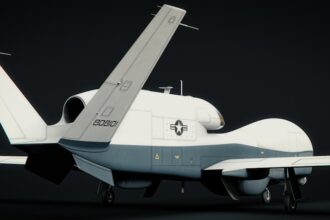
Before any boots hit the deck or any weapons were readied, a meticulous intelligence gathering and reconnaissance operation commenced. SEAL Team Six operators, working in conjunction with other U.S. military and intelligence agencies, worked tirelessly to gather crucial information. This included assessing the precise location of Captain Phillips, the number and armament of the pirates, their tactical disposition, and the surrounding maritime conditions. Drones, surveillance aircraft, and human intelligence were all utilized to paint a clear picture of the operational environment. Understanding the enemy’s strengths and weaknesses, as well as the terrain of their temporary stronghold, was paramount to developing a successful rescue plan. The precision of the intelligence gathered directly impacted the risk assessment and the formulation of the rescue strategy.
Crafting the Rescue Plan
With a comprehensive understanding of the situation, the SEAL Team Six command staff began to meticulously craft the rescue plan. This was a complex undertaking, requiring the consideration of numerous variables. The plan had to be decisive, swift, and minimize the risk of collateral damage or harm to Captain Phillips. It involved identifying the optimal moment for the assault, the specific tactics to be employed, the rules of engagement, and contingency plans for various scenarios. The operation was designed to be a surgical strike, aiming to neutralize the threat posed by the pirates while ensuring the safe extraction of the hostage. Every detail, from the type of vessels to be used for insertion to the communication protocols, was carefully considered and rehearsed.
The Climax: Operation Rescuer
The Nighttime Assault
Under the cloak of darkness, a fleet of U.S. Navy ships, including the USS Bainbridge, a guided-missile destroyer already on station, and other support vessels, converged on the area. The operation was initiated when the SEALs launched from a position of strategic advantage. The objective was clear: to approach the lifeboat undetected and neutralize the pirates with precision and speed. The darkness provided cover, but it also presented its own challenges, demanding heightened sensory awareness and precise execution from the SEAL operators. The timing of the assault was critical, aiming to catch the pirates off guard and minimize their reaction time.
The Showdown in the Lifeboat
The SEALs, employing advanced tactics and specialized equipment, executed a daring raid on the lifeboat. The encounter was brief but intense. The SEAL operators, moving with trained aggression and unwavering resolve, quickly overwhelmed the pirates. The mission was designed to be a swift and decisive action, minimizing the time the pirates had to react or pose a threat. The SEALs’ superior training, their sophisticated weaponry, and their tactical discipline proved decisive in this close-quarters engagement. The paramount objective was the immediate safety of Captain Phillips, and every action was geared towards achieving that goal with minimal risk.
Securing the Hostage and Apprehending the Pirates
With the immediate threat neutralized, the SEALs’ priority shifted to securing Captain Phillips. He was quickly extracted from the lifeboat and assessed by the SEALs’ medical personnel. Simultaneously, the remaining pirates were apprehended. The SEALs’ actions were characterized by professionalism and adherence to established protocols, even in the heat of a rescue operation. The successful apprehension of the pirates was crucial for future intelligence gathering and for bringing those responsible for the hijacking to justice. The seamless coordination between the assault team and the hostage recovery team was a testament to the rigorous training and dedication of SEAL Team Six.
The daring rescue of Captain Phillips by SEAL Team Six is a remarkable example of military precision and bravery. This operation not only showcased the skills of the elite unit but also highlighted the complexities of maritime piracy. For those interested in exploring more about the intricacies of such missions, you can read a related article that delves deeper into the strategies employed by the Navy SEALs during high-stakes rescues. Check it out here.
The Aftermath and the Legacy
| Metric | Details |
|---|---|
| Date of Rescue | April 12, 2009 |
| Location | Indian Ocean, near Somalia |
| Hostage | Captain Richard Phillips |
| Number of Pirates | 4 |
| Rescue Team | U.S. Navy SEAL Team Six (DEVGRU) |
| Duration of Hijacking | 5 days |
| Number of SEALs Involved | Approximately 20 |
| Outcome | All pirates killed, Captain Phillips rescued unharmed |
| Weapons Used | Sniper rifles (M110 SASS) |
| Distance of Shots | Approximately 100 meters |
A Return to Freedom and Family
Captain Phillips, a free man once more, was brought aboard the USS Bainbridge. The relief and overwhelming gratitude he felt were palpable. After days of terror and uncertainty, he was safe. The reunion with his family, though delayed, was the ultimate reward for his ordeal and the successful intervention of the Navy SEALs. His story became a symbol of resilience in the face of adversity and the effectiveness of specialized military intervention. The emotional and psychological impact of his captivity would undoubtedly linger, but the overwhelming sense of relief and the knowledge of his safe return provided a foundation for healing.
The Pirates’ Fate and the Broader Fight Against Piracy
The apprehended pirates were taken into U.S. custody. Their legal proceedings would highlight the complexities of prosecuting individuals captured in international waters for acts of piracy. The incident also served as a stark reminder of the persistent threat of piracy off the coast of Somalia and the ongoing need for international cooperation and naval patrols to secure vital shipping lanes. The Maersk Alabama incident, and the dramatic rescue that followed, galvanized further international efforts to combat piracy through increased naval presence, intelligence sharing, and diplomatic engagement. It underscored the importance of protecting maritime commerce and ensuring the safety of seafarers.
A Story of Courage and Resolution
The rescue of Captain Richard Phillips by Navy SEAL Team Six became a widely reported and inspiring story. It highlighted the extraordinary courage of an ordinary man thrust into an extraordinary situation, and the unparalleled bravery and skill of the elite special operations forces who risked their lives to save him. The narrative of the Maersk Alabama incident became a testament to human resilience, the importance of leadership, and the effectiveness of decisive action in the face of grave threats. It also served as a powerful reminder of the sacrifices made by those who serve in uniform to protect national interests and the lives of their fellow citizens. The story resonated globally, demonstrating the critical role of specialized military units in safeguarding international security and human lives.
Why SEAL Team Six Got the Bin Laden Raid — Not Delta Force
FAQs
What is the significance of the SEAL Team Six rescue in the Captain Phillips incident?
The SEAL Team Six rescue of Captain Phillips was a high-profile operation that showcased the elite skills and capabilities of the US Navy SEALs in responding to piracy threats.
How did the SEAL Team Six rescue Captain Phillips?
The SEAL Team Six conducted a daring nighttime rescue operation, parachuting from a plane into the ocean near the lifeboat where Captain Phillips was being held hostage by Somali pirates. They successfully rescued him and eliminated the threat posed by the pirates.
What training do members of SEAL Team Six undergo for such rescue missions?
Members of SEAL Team Six undergo rigorous training in various specialized skills such as marksmanship, close-quarters combat, hostage rescue, and maritime operations to prepare for high-risk missions like the rescue of Captain Phillips.
Was the SEAL Team Six rescue of Captain Phillips successful?
Yes, the SEAL Team Six rescue of Captain Phillips was successful. They were able to safely extract him from the lifeboat and eliminate the threat posed by the pirates without any harm coming to Captain Phillips.
What impact did the SEAL Team Six rescue of Captain Phillips have on future piracy incidents?
The successful rescue of Captain Phillips by SEAL Team Six served as a deterrent to future piracy incidents and demonstrated the US military’s commitment to protecting its citizens and interests from maritime threats.