The echoes of wartime, for many, are etched in sound and memory – the rumble of air raids, the cheers for victory, the hushed whispers of love found amidst uncertainty. For a specific generation of Britons, these echoes are intertwined with a deeper, more complex legacy: that of being born to mothers from Britain and fathers from abroad, often soldiers stationed in the UK during and immediately after World War II. These are the ‘mixed race war babies,’ a generation whose existence speaks volumes about the intersections of war, love, prejudice, and the enduring quest for identity. Their stories, often untold or marginalized, form a crucial chapter in Britain’s social and cultural history, a testament to the challenges and triumphs of navigating a heritage that was, for a long time, viewed with suspicion and misunderstanding.
The Unforeseen Legacies of Global Conflict
The aftermath of World War II was a period of profound societal shift for Britain. The country, though victorious, was weary, economically strained, and grappling with a changing world order. Alongside the rebuilding efforts and the dawn of the welfare state, a less discussed but significant demographic phenomenon was unfolding. Allied soldiers from across the globe had been stationed on British soil for extended periods. While many relationships were fleeting, a considerable number blossomed into love, leading to pregnancies and births. These children, born into a Britain still largely homogenous and grappling with its own post-war identity, were often a visible anomaly. Their parentage, a direct consequence of international alliances and wartime proximity, immediately set them apart, placing them at the confluence of two distinct cultural streams. The fathers, primarily from Commonwealth nations like India, Pakistan, and Jamaica, or from the United States, brought with them traditions, languages, and skin tones that were not yet commonplace in the British landscape.
Seeds of Diversity Sown in Turbulent Times
The presence of Allied forces was a tangible reality of the war. American servicemen, in particular, were a common sight, and their interactions with British women were frequent. Similarly, soldiers from India, who played a vital role in the war effort, also formed relationships. These unions, born out of shared experiences and mutual affection, were the genesis of a new generation of Britons. The numbers, though difficult to pinpoint precisely, were significant enough to create a noticeable demographic shift, particularly in areas with military bases. These children were not just a product of individual relationships; they were a living testament to the global interconnectedness forged in the crucible of war. They were, in essence, the unforeseen, organic seeds of diversity being sown into the fabric of British society at a time when such diversity was not yet widely embraced or understood.
The Shadow of Colonialism and Racial Tensions
It is crucial to acknowledge the broader historical context in which these children were born. Britain was still a vast colonial power, and the prevailing attitudes towards race were deeply shaped by centuries of imperial rule. While the war had fostered a sense of camaraderie among Allied nations, this did not necessarily translate into equal social standing or acceptance upon returning home. For the children of liaisons between white British mothers and soldiers of color, the post-war years presented a complex racial landscape. Pre-existing prejudices, often amplified by colonial ideologies, meant that ‘different’ was frequently equated with ‘inferior.’ This ingrained societal bias would cast a long shadow over the lives of these ‘mixed race war babies,’ influencing everything from their upbringing to their sense of belonging.
The topic of mixed-race war babies in Britain during and after World War II is explored in depth in a related article that highlights the unique challenges and experiences faced by these individuals. The article discusses the social stigma, identity struggles, and the impact of wartime relationships on their lives. For more insights into this poignant subject, you can read the full article here: Mixed Race War Babies in Britain.
The Lived Experience of Belonging and Otherness
Growing up as a mixed-race child in post-war Britain was rarely straightforward. While some were fortunate to be raised in loving and supportive families, many faced significant challenges related to their heritage. The absence of fathers, either due to returning to their home countries or societal barriers that prevented them from remaining, was a common reality. This often left mothers to navigate the prejudices of their own communities alone, attempting to shield their children from the stigma associated with their parentage. The children themselves, straddling two worlds, often felt a profound sense of ‘otherness,’ a feeling that they did not fully belong to either the white British society they saw around them or the cultural heritage of their absent fathers, about which they might have had limited knowledge or direct experience.
Navigating a Predominantly White Society
The visual difference of these children was often the first point of contact with the outside world, and this difference could elicit a range of reactions, from curiosity to outright hostility. Schools, playgrounds, and public spaces could become arenas for bullying and discrimination. Questions about their parentage were frequent and often intrusive, forcing them to articulate their identity from a young age. The lack of positive role models or representations of mixed-race individuals in the media or public life further compounded this sense of isolation. They were, in many ways, invisible, their existence not readily accommodated within the existing social and cultural frameworks. This constant negotiation of being seen yet not fully understood, of being present yet feeling peripheral, was a defining characteristic of their formative years.
The Phantom Limb of Absent Fatherhood
The absence of fathers, whether by choice or circumstance, left a significant void in the lives of many mixed-race war babies. For some, this meant growing up without any knowledge of their paternal heritage, their fathers remaining distant figures or entirely unknown entities. This lack of connection to one’s roots could lead to a profound sense of incompleteness, a longing for a part of themselves that remained elusive. Even when fathers did attempt to maintain contact, the geographical distance and the societal barriers often made these relationships difficult to sustain. The children were left to piece together their identities, often relying on fragmented stories, faded photographs, or the memories of their mothers, striving to understand a lineage that was largely out of reach. This often fueled a lifelong search for connection and understanding, a desire to reconcile the disparate elements of their heritage.
The Complex Tapestry of Identity Formation
The journey of identity formation for mixed-race war babies was, and often continues to be, a complex and multifaceted process. They were individuals whose very existence challenged the prevailing racial paradigms of the time. Their identities were not simply inherited; they were actively constructed, negotiated, and re-negotiated throughout their lives. This involved grappling with societal expectations, personal experiences, and a growing awareness of their unique position within British society. The search for a coherent sense of self, one that embraced both sides of their heritage, was a central theme in their lives, a quest that often gained momentum as they entered adulthood and sought to understand their place in the world.
The Influence of Motherhood and Maternal Support
The role of mothers was paramount in the lives of these children. Often facing immense pressure and prejudice themselves, these women provided the primary anchor of stability and love. Their ability to foster a sense of self-worth in their children, despite external negativity, was crucial. Many mothers actively sought to impart positive messages about their children’s dual heritage, even if they themselves lacked the language or societal acceptance to fully articulate it. They became fierce protectors, navigating school systems and social circles to advocate for their children and to ensure they were treated with dignity. The resilience and strength of these mothers were often the bedrock upon which their children’s nascent identities were built.
Reclaiming and Reinterpreting Heritage
As these individuals matured, many felt a growing imperative to actively reclaim and reinterpret their heritage. This often involved seeking out information about their fathers’ cultures, learning languages, and connecting with diasporic communities. For some, this journey led them back to the countries of their fathers, providing a sense of homecoming and belonging they had never experienced in Britain. For others, it involved finding solace and understanding within Britain’s growing multicultural landscape. The rise of Black British and Asian British communities provided new spaces for solidarity and shared experience. These journeys were not always linear; they often involved periods of confusion, frustration, and discovery, but they ultimately led to a more integrated and confident sense of self.
Cultural Contributions and Shifting Perceptions
The contributions of mixed-race war babies to British culture have been profound, though often unacknowledged for a considerable period. As they have risen to prominence in various fields – arts, politics, sports, academia – they have begun to reshape the narrative of what it means to be British. Their presence and achievements have slowly but surely challenged the once-monolithic definition of British identity, demonstrating that diversity is not an aberration but an intrinsic part of the nation’s story. The evolving societal attitudes towards race and multiculturalism have, in turn, created a more receptive environment for their experiences to be acknowledged and celebrated.
Pioneers in the Arts and Public Life
The emergence of mixed-race individuals in prominent positions has been instrumental in broadening the understanding and acceptance of diverse heritages. From musicians and actors who have brought their unique perspectives to the forefront of popular culture, to politicians and activists who have championed equality and representation, their voices have become increasingly influential. These individuals have often had to overcome significant obstacles, but their perseverance has paved the way for future generations. Their success stories serve as powerful counter-narratives to the historical prejudices they or their predecessors faced. They have demonstrated that a mixed heritage is not a barrier to success, but can, in fact, be a source of unique strength and creativity.
The Evolving British Mosaic
The narrative of Britain is no longer that of a homogenous island nation. The legacy of war, migration, and intermingling has created a vibrant and complex mosaic. The stories of the mixed-race war babies, once relegated to the margins, are now increasingly being recognized as integral to this evolving national identity. Their experiences highlight the fluidity of identity and the ways in which individuals can forge a sense of belonging by embracing multiple cultural influences. The ongoing dialogue about race, heritage, and belonging in contemporary Britain owes a significant debt to the struggles and triumphs of this pioneering generation. Their lives are a living testament to the fact that Britain’s past, and its future, are inextricably linked with the diverse threads woven by individuals from all corners of the globe.
The experiences of mixed-race war babies in Britain during and after World War II have been the subject of much discussion and research, highlighting the complexities of identity and belonging. A related article that delves deeper into this topic can be found on the In the War Room website, which offers valuable insights into the lives of these individuals and the societal challenges they faced. For more information, you can read the article here.
Enduring Questions and the Future of Heritage
| Metric | Data / Description |
|---|---|
| Time Period | 1940s – 1950s |
| Definition | Children born in Britain during and after WWII to British mothers and African, Caribbean, or Asian fathers, often servicemen or workers from colonies. |
| Estimated Number | Several thousand mixed-race war babies born in Britain during this period |
| Common Ethnic Backgrounds | Black Caribbean, South Asian, African |
| Social Challenges | Racism, social stigma, identity struggles, limited support systems |
| Government Response | Limited official recognition or support; some welfare interventions |
| Legacy | Contributed to multicultural Britain; raised awareness of race relations and identity issues |
While significant progress has been made in terms of societal acceptance and recognition, the legacy of the mixed-race war babies continues to pose enduring questions about identity, belonging, and the future of heritage. As subsequent generations continue to navigate increasingly diverse backgrounds, the experiences of this seminal group offer invaluable insights and lessons. The ongoing search for ancestral connections, the challenges of intergenerational transmission of cultural knowledge, and the ever-evolving understanding of ‘Britishness’ are all areas where the pioneering journeys of these individuals provide a crucial historical anchor. Their stories are not merely a relic of the past, but a living testament to the enduring human quest to understand where we come from and who we are.
The Intergenerational Echoes of Belonging
The echoes of the mixed-race war babies’ experiences reverberate through subsequent generations. Children and grandchildren, born into a Britain that is undeniably more multicultural, still grapple with questions of identity, albeit in different ways. The challenges may be less about overt prejudice and more about navigating a complex web of cultural influences and finding personal meaning within them. The desire to connect with distant family branches, to understand ancestral languages and traditions, and to reconcile multiple cultural allegiances remains a powerful drive. The lessons learned by the war babies – the importance of resilience, the power of self-acceptance, and the value of embracing all facets of one’s heritage – continue to inform and guide these contemporary explorations of identity.
A Continuing Legacy of Dialogue and Understanding
The enduring legacy of Britain’s mixed-race war babies lies not only in their personal journeys but also in the societal dialogue they have helped to foster. Their lives have forced Britain to confront its past, its prejudices, and its evolving definition of itself. As the nation continues to grapple with issues of race, identity, and belonging, the stories of this generation serve as a vital reminder of the human cost of exclusion and the immense richness that diversity brings. Their experiences underscore the importance of ongoing conversations, of seeking understanding across cultural divides, and of actively working to create a society where every individual, regardless of their heritage, can feel a profound sense of belonging and value. The future of Britain’s heritage is, in many ways, a continuation of the complex and courageous narratives first written by these ‘war babies.’
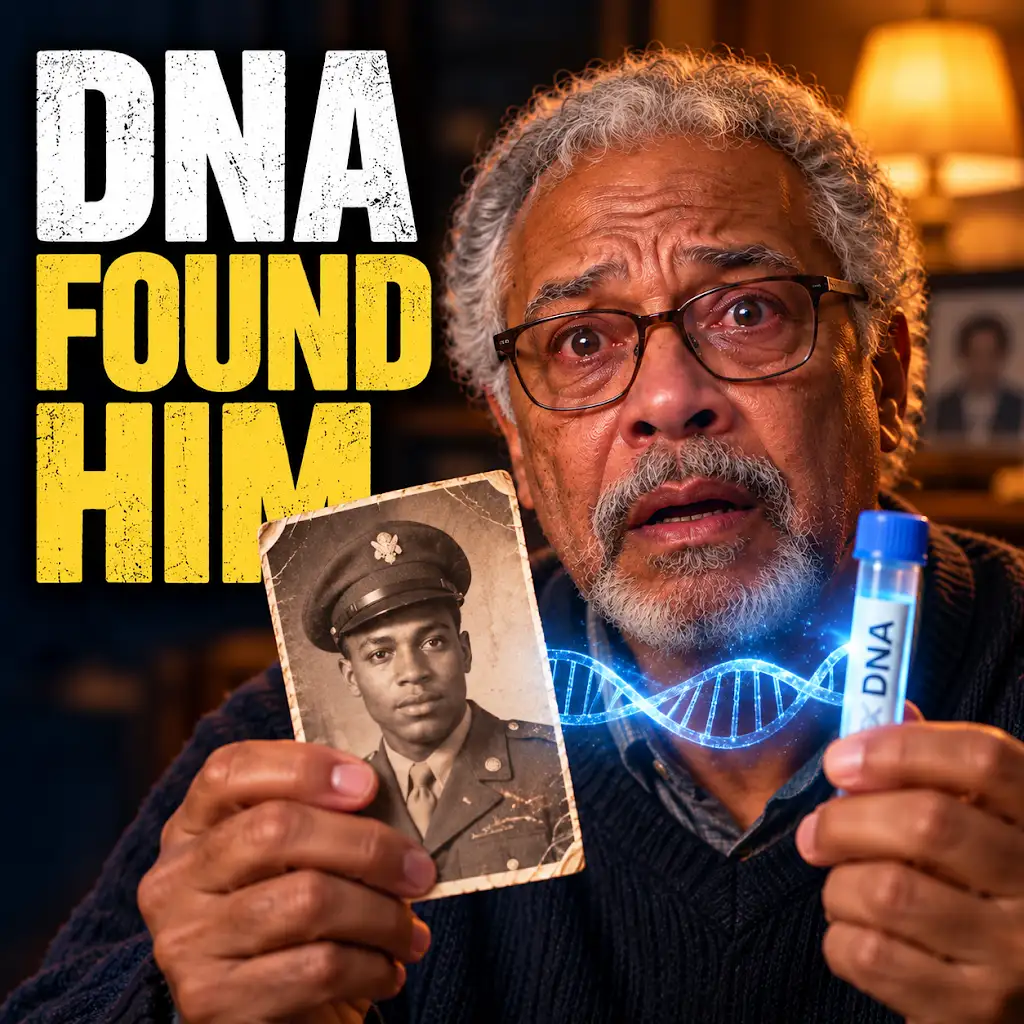
His WWII GI Father Was a Mystery for Nearly 80 Years
FAQs
What are mixed race war babies in Britain?
Mixed race war babies in Britain refer to children born during World War II to British mothers and fathers who were soldiers from countries such as the United States, Canada, and the Caribbean.
How many mixed race war babies were born in Britain during World War II?
It is estimated that around 2,000 mixed race war babies were born in Britain during World War II.
What challenges did mixed race war babies face in Britain after the war?
Mixed race war babies faced challenges such as discrimination, prejudice, and social stigma due to their mixed heritage and the circumstances of their birth during a time of war.
Were mixed race war babies in Britain able to locate their fathers after the war?
Many mixed race war babies in Britain faced difficulties in locating their fathers after the war, as some fathers returned to their home countries or were unaware of the children they had fathered.
What efforts have been made to support mixed race war babies in Britain?
In recent years, there have been efforts to raise awareness about the experiences of mixed race war babies in Britain, provide support for those seeking to trace their heritage, and acknowledge the contributions of these individuals to British society.