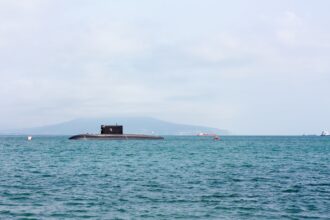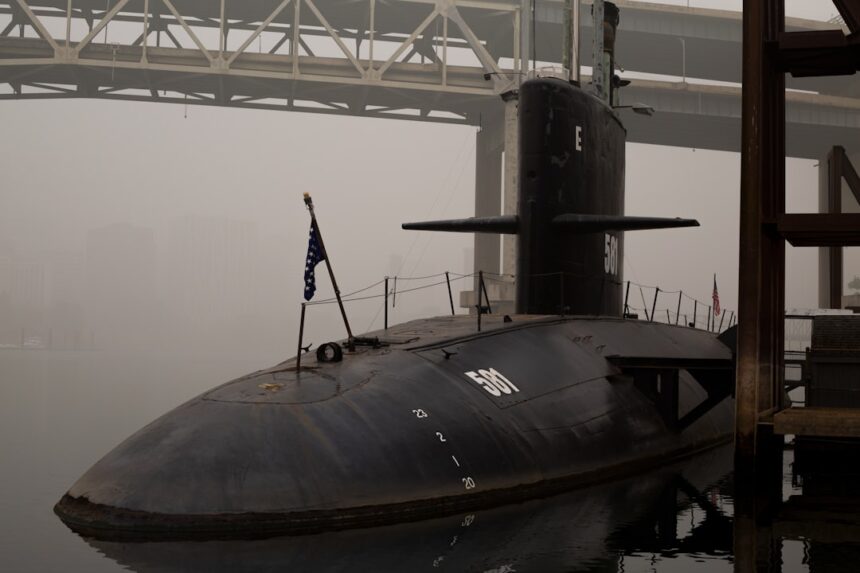
The icy grip of the North Atlantic, a vast and unforgiving expanse, held secrets it was not yet ready to relinquish. On October 27, 1962, a date etched into infamy as “Black Saturday,” the Soviet submarine B-59 found itself adrift in this chilling domain, a floating tomb carrying a crew on the precipice of an unimaginable catastrophe. This was not a tale of grand naval battles or strategic maneuvers, but a chilling chronicle of a single vessel caught in the maelstrom of the Cuban Missile Crisis, a story where human error, escalating tensions, and a fateful malfunction converged to seal its tragic destiny.
The Crucible of the Cuban Missile Crisis
The year 1962 was a tinderbox, a year when the world held its breath, balanced precariously on the brink of nuclear Armageddon. The Cuban Missile Crisis, a thirteen-day confrontation between the United States and the Soviet Union, brought the two superpowers closer to nuclear war than ever before. The discovery of Soviet missile bases being constructed in Cuba, just 90 miles off the coast of Florida, ignited a firestorm of fear and a diplomatic standoff of unprecedented gravity.
A World on the Brink
The gravity of the situation cannot be overstated. The United States, under President John F. Kennedy, imposed a naval blockade around Cuba, demanding the removal of the Soviet missiles. The Soviet Union, led by Premier Nikita Khrushchev, refused to back down, viewing the missiles as a deterrent against potential US aggression. This tense standoff created a palpable sense of dread that permeated global consciousness. News reports spoke of missile readiness, of strategic bomber patrols, and of the terrifying possibility of a nuclear exchange. The world watched with bated breath, a silent observer to the unfolding drama.
The Role of the Submarines
In this high-stakes game of brinkmanship, submarines played a crucial, albeit often unseen, role. They were the silent predators of the deep, capable of delivering a devastating payload and operating with a degree of stealth that made them a potent strategic asset. For the Soviet Union, submarines were a vital component of their nuclear deterrent, and the B-59 was one such vessel. Tasked with a critical mission during the crisis, its journey into the icy Atlantic was fraught with peril, even before the fateful encounter.
The B-59 submarine incident, often referred to as Black Saturday, highlights a critical moment during the Cold War when tensions between the United States and the Soviet Union reached a boiling point. For a deeper understanding of the events surrounding this tense standoff, you can read a related article that delves into the strategic implications and the human stories behind the incident. To explore this further, visit the article at this link.
B-59: A Vessel of Deterrence
The B-59, a Project 641 Foxtrot-class diesel-electric submarine, was a formidable war machine of its era. These submarines were designed for extended patrols and carried a significant offensive capability, including nuclear torpedoes. While not the most advanced of Soviet naval assets, they represented a significant force, capable of projecting power and posing a serious threat to enemy naval formations.
The Crew and Their Mission
Onboard the B-59 was a crew of 90 officers and enlisted men, a microcosm of Soviet sailors trained for the rigors of underwater warfare. Among them were Captain Valentin Savitsky, a seasoned commander, and his two political officers, Ivan Maslennikov and a young, ambitious officer named Vasili Arkhipov. Arkhipov, a lieutenant commander, held a unique position; he was the flotilla commander and the one who would ultimately wield the power to authorize the launch of a nuclear torpedo. The mission assigned to B-59 was clear: to break through the US naval blockade and reach Cuba, reinforcing Soviet presence and demonstrating defiance.
The Nuclear Threat: Torpedoes of Destruction
A particularly chilling aspect of the B-59’s mission was its armament. The submarine carried three nuclear torpedoes, weapons of unimaginable destructive power. The mere presence of these weapons on a vessel operating in such close proximity to American naval forces amplified the stakes exponentially. The possibility of a desperate, retaliatory launch by a cornered submarine crew was a terrifying prospect that haunted military planners on both sides.
The Fateful Encounter: A Whirlwind of Fear
As the Cuban Missile Crisis intensified, the B-59 found itself entangled in a dangerous game of cat and mouse with US Navy destroyers. The American ships were tasked with enforcing the blockade and identifying any vessels attempting to penetrate it. The encounter on Black Saturday would prove to be the most critical moment in the submarine’s history.
The Blockade and the Hunters
The US Navy deployed a formidable force to implement the blockade. Destroyers, frigates, and patrol aircraft relentlessly scanned the waters, searching for any sign of Soviet submarines. Their mission was not only to intercept and identify, but also to herd any detected submarines towards the surface, forcing them to reveal their presence and intentions. For the B-59, submerged and attempting to evade detection, this was a constant and nerve-wracking ordeal.
Depth Charges: A Terrifying Welcome
The encounter began when US destroyers detected the presence of the B-59. In an effort to force the submarine to surface, the destroyers began dropping non-lethal practice depth charges. These were not intended to destroy the submarine, but to send a deafening shockwave through the water, a clear and unambiguous signal to surface. However, for a submarine submerged at considerable depth, these explosions were a terrifying ordeal, rattling the hull and testing the nerves of the crew. The B-59 was already running low on battery power and operating under immense pressure, both literally and figuratively.
The Brink of Nuclear War: The Decision to Launch
The relentless barrage of depth charges, combined with the immense stress of the crisis and the deteriorating conditions within the submarine, pushed Captain Savitsky and his crew to the breaking point. In the suffocating confines of the B-59, with communication with Moscow severed and the roar of exploding depth charges echoing through the hull, a terrifying decision was contemplated.
The Breakdown in Communication
Due to the US Navy’s electronic warfare efforts, the B-59 was cut off from Moscow. They were operating in a vacuum of information, unaware of the de-escalation efforts taking place at the highest levels of government. This lack of communication was a critical factor, preventing them from receiving crucial updates or orders, and fostering a sense of isolation and desperation. Imagine the feeling of being cut off from the world, in a pressurized metal tube, facing an unseen enemy.
Savitsky’s Desperate Plea
Captain Savitsky, convinced that war had already begun and that they were under attack, became increasingly agitated. He believed the only course of action was to retaliate. He argued for the launch of one of the nuclear torpedoes, a desperate gamble that would have plunged the world into unimaginable horror. The order was discussed, the fate of millions hanging in the balance.
Arkhipov’s Courageous Stand
It was here that the role of Vasili Arkhipov became legendary. Under Soviet naval doctrine, the launch of a nuclear weapon required the consent of all three senior officers: the Captain, the Political Officer, and the flotilla commander (Arkhipov). While Savitsky and Maslennikov were inclined to launch, Arkhipov held firm. He understood the devastating consequences of such an action and refused to authorize the launch. His calm demeanor, his unwavering resolve, and his profound understanding of the wider implications of their actions likely averted a global catastrophe. His was the voice of reason in the face of overwhelming panic.
The B-59 submarine incident, often referred to as Black Saturday, highlights the intense tensions of the Cold War and the potential for catastrophic misunderstandings during that period. For a deeper understanding of this critical moment in history, you can explore a related article that delves into the broader implications of submarine warfare and its impact on international relations. This insightful piece can be found at In the War Room, where it discusses the strategic decisions made by military leaders during such high-stakes situations.
The Aftermath: A Narrow Escape and a Silent Tragedy
The tension on board the B-59 eventually subsided, not through a decisive victory or defeat, but through the sheer force of will and the refusal of one man to surrender to fear. The submarine eventually surfaced and was allowed to proceed, its near-catastrophic mission a stark reminder of how close the world came to the abyss.
A Silent Departure
With the threat of nuclear escalation averted, the B-59 was allowed to leave the area. The encounter ended not with a bang, but with a silent, tense withdrawal. The American destroyers, aware of the potential nuclear threat, had likely eased their offensive. The crew of the B-59, shaken but alive, continued their journey, the unspoken terror of what had transpired lingering in the air.
The Unseen Hero
Vasili Arkhipov’s role in preventing the launch of the nuclear torpedo was, for many years, largely unknown. His courageous act of defiance, his refusal to be swept away by the panic, saved countless lives. It was a testament to the individual’s capacity to make the right decision even in the most extreme circumstances. His name, once largely obscure, has since become synonymous with the quiet heroism that can avert global disaster.
The Lingering Shadow of B-59
The story of the B-59 and its near-nuclear confrontation is a somber reminder of the dangers inherent in nuclear brinkmanship. It highlights the critical importance of clear communication, rational decision-making, and the potential for individual courage to shape the course of history. While the world breathed a collective sigh of relief as the Cuban Missile Crisis de-escalated, the spectral presence of the B-59 and its nuclear torpedoes served as a chilling memento mori, a constant reminder of how close humanity came to self-destruction on that “Black Saturday.” The ocean depths, while concealing the physical remains of many lost vessels, also hold the indelible imprint of a moment when the fate of the world rested on the shoulders of a few, and when a single act of defiance prevented unimaginable devastation.
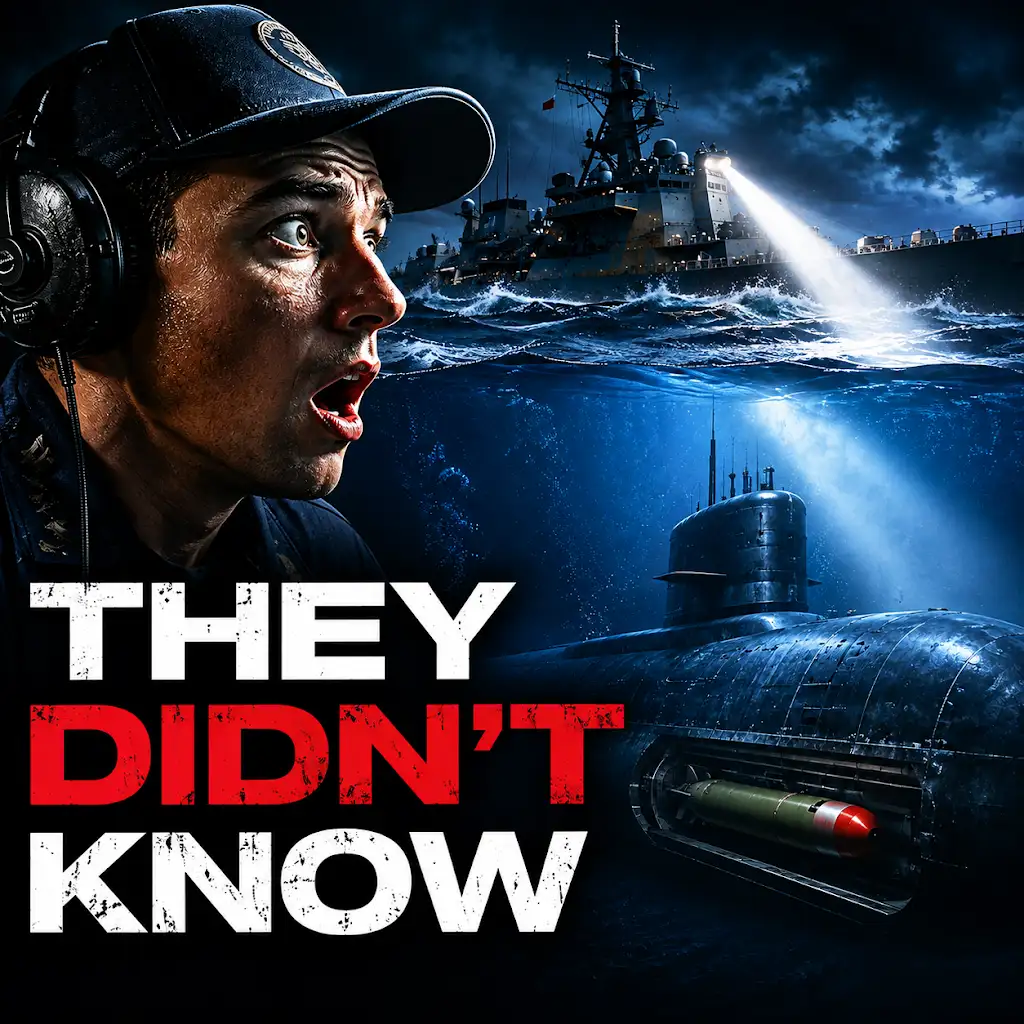
The U.S. Navy Didn’t Know This Submarine Had a Nuclear Torpedo
FAQs
What is the B-59 submarine?
The B-59 submarine was a Soviet submarine that played a significant role in the Cuban Missile Crisis in 1962. It was a Foxtrot-class submarine armed with nuclear torpedoes.
What happened on Black Saturday involving the B-59 submarine?
On Black Saturday, October 27, 1962, the B-59 submarine was located near Cuba and was subjected to depth charging by US Navy forces. The submarine was out of communication with Moscow and the crew believed that a war may have already started.
How did the B-59 submarine crew react to the depth charging?
The crew of the B-59 submarine, feeling under attack, wanted to launch a nuclear torpedo in response to the depth charging. However, the submarine’s captain, Vasili Arkhipov, refused to authorize the launch, preventing a potential nuclear escalation.
What was the outcome of the B-59 submarine’s involvement in the Cuban Missile Crisis?
The B-59 submarine’s involvement in the Cuban Missile Crisis highlighted the potential for miscommunication and unintended escalation during times of heightened tension. The crisis was ultimately resolved through diplomatic negotiations between the United States and the Soviet Union.
What is the significance of the B-59 submarine’s role in history?
The B-59 submarine’s role in the Cuban Missile Crisis serves as a reminder of the dangers of nuclear brinkmanship and the importance of communication and restraint in avoiding catastrophic conflict. The actions of the submarine’s crew, particularly Captain Vasili Arkhipov, are widely regarded as having averted a potential nuclear disaster.