The arrival of American troops in Britain during World War II brought with it a complex social dynamic, none more so than the presence of African American soldiers, known as GIs. These men, often referred to as “colored troops,” stepped onto British soil to a reception that was, in many respects, a stark contrast to the deeply entrenched racial segregation they faced at home. While the United States grappled with Jim Crow laws and systemic discrimination, Britain, though not without its own prejudices, offered a comparatively less overtly hostile environment. This difference, however, did not erase the inherent challenges and injustices faced by Black American GIs, who, despite their vital contributions to the war effort, remain a frequently overlooked chapter in the grand narrative of Allied victory. Their story is one of resilience, defiance, and an enduring struggle for dignity in a land that, for a time, represented both a sanctuary and another battlefield.
A Different Shore, A Different Reception
The initial deployment of African American troops to Britain in 1942 marked a significant moment. These were men eager to fight for democracy abroad, a concept often denied to them within their own nation. The British public, while not immune to racial biases, displayed a less rigid adherence to segregation than their American counterparts. This manifested in various ways, from more integrated social interactions to a general lack of codified segregation in public spaces. For Black GIs, this was a profoundly disorienting yet often welcome experience.
Initial Encounters and Cultural Clashes
Upon arrival, African American soldiers encountered a British society that, while possessing its own forms of social stratification and prejudice, did not operate under the same stringent racial hierarchy as the United States. The absence of “colored only” signs, segregated facilities, and the pervasive daily indignities of Jim Crow America was a palpable difference. This was not to say that racial prejudice vanished entirely; instances of discrimination and misunderstanding certainly occurred, often stemming from British unfamiliarity with American racial dynamics and American GIs’ own ingrained biases. However, the absence of overt, legally enforced segregation created an environment where some Black soldiers experienced a degree of social freedom previously unimaginable. They could, for example, sit next to white soldiers in pubs, attend public events without being relegated to separate areas, and engage in conversations with British civilians more freely. This difference in social atmosphere, while not erasing the fundamental injustices of racism, allowed for a more relaxed and less confrontational existence for many.
The Shadow of American Racial Policy
Despite the comparatively more liberal social climate in Britain, the U.S. military’s own segregationist policies cast a long shadow. American commanders, largely adhering to the prevailing racial attitudes in the States, often enforced segregation within military installations. This meant that while Black and white GIs might interact more freely off-base, on-base life frequently mirrored the racial divisions they had left behind. Barracks, mess halls, and recreational facilities were often segregated, a constant reminder of the discrimination they were fighting to overcome abroad. This duality created a complex and often frustrating reality for Black soldiers, who found themselves in a land that offered them more social respect than their homeland, yet were still subjected to the dictates of their own military’s prejudiced regulations. The War Department’s consistent policy of racial segregation within the ranks, ostensibly to “prevent friction,” served to perpetuate the very divisions it claimed to avoid, forcing Black GIs to confront these realities even while serving the cause of freedom.
During World War II, the experiences of Black American GIs in Britain were marked by both camaraderie and racial challenges, as they navigated a foreign land that was simultaneously a refuge and a site of discrimination. For a deeper understanding of this complex history, you can explore the article titled “The Impact of Black American Soldiers in Britain During WWII,” which delves into the social dynamics and cultural exchanges that occurred during this pivotal time. To read more about this fascinating topic, visit this link.
Contributions on the Front Lines and Behind the Scenes
African American soldiers served in every theater of World War II, their contributions spanning a wide array of roles. From combat units to vital support services, these men played an indispensable part in the Allied victory, often facing both enemy fire and racial discrimination simultaneously. Their bravery and dedication, though frequently underappreciated, were critical to the success of countless military operations.
The Red Ball Express and Logistical Mastery
Perhaps one of the most celebrated and impactful contributions of African American GIs was their role in the Red Ball Express. Following the D-Day landings, the Allied advance across France was hampered by a severe logistical bottleneck. German forces, in their retreat, had destroyed infrastructure, and the rapid movement of troops and supplies outpaced the available transportation networks. The Red Ball Express, a massive, round-the-clock convoy system, was established to overcome this challenge. Primarily operated by African American truck drivers and support personnel, this vital operation kept the Allied armies supplied with ammunition, food, fuel, and medical necessities. These soldiers drove under perilous conditions, navigating treacherous roads, enduring constant enemy air attacks, and operating in the face of overwhelming exhaustion. Their unwavering commitment ensured that Allied forces could maintain their momentum, a feat that would have been impossible without their tireless efforts. The sheer scale of the operation and the critical nature of its function underscore the profound impact of these GIs, who literally kept the wheels of war turning.
Engineering, Medical, and Support Services
Beyond the iconic Red Ball Express, African American soldiers formed the backbone of numerous essential support services. They worked in engineering units, building bridges, repairing roads, and constructing airfields under fire. They served with distinction in medical corps, providing care to wounded soldiers of all races, often in forward-deployed hospitals where conditions were incredibly dangerous. They were mechanics, cooks, stevedores, and technicians, performing the myriad tasks that are the unsung heroes of any military campaign. These roles, while perhaps less glamorous than direct combat, were no less vital. Without their diligent work, front-line units would have been unable to function. Their presence in these critical support roles also served as a testament to their versatility and their commitment to the war effort, demonstrating that their capabilities extended far beyond the limited roles often envisioned by a prejudiced society. They proved their worth through dedication and skill in every capacity they were assigned.
Combat Units and Bravery Under Fire
While the narrative of African American GIs in WWII often highlights their service in support roles, it is crucial to acknowledge their bravery and effectiveness in combat as well. Units like the 761st Tank Battalion, the “Black Panthers,” saw extensive and distinguished service during the European campaign. Their combat prowess was undeniable, participating in major engagements and earning commendations for their valor. Similarly, the 92nd Infantry Division, “Buffalo Soldiers,” fought with courage and distinction in Italy. These units, despite often being deployed with inferior equipment or facing skepticism from some white officers, consistently proved their mettle on the battlefield. Their participation in direct combat challenged racist stereotypes and demonstrated their capacity to fight and die for their country with the same ferocity and patriotism as any other American soldier. Their combat experiences were not only a testament to their individual bravery but also a crucial step in challenging the deeply ingrained racial prejudices that sought to limit their opportunities and diminish their contributions.
Social Interactions and the “Jolly Roger” Effect
The interactions between Black American GIs and the British population were a significant aspect of their wartime experience in Britain. While the absence of overt American-style segregation offered a degree of relief, these interactions were not without their complexities, and the British public’s perception of these American soldiers, particularly the Black GIs, became a notable phenomenon.
A Relative Haven from Jim Crow
For African American soldiers, Britain represented a significant departure from the racial landscape of the United States. The absence of Jim Crow laws, the lack of a rigidly enforced color line in public spaces, and a general British unfamiliarity with American racial segregation created an environment where many Black GIs felt a sense of liberation. They could patronize pubs and cafes without fear of refusal, attend cinemas and dance halls without being segregated, and engage in casual conversations with British civilians more freely. This relative freedom was not simply about social niceties; it was about experiencing a fundamental level of respect and human dignity that was often denied to them at home. The British public, while not entirely free of prejudice, was often more open to integration in social settings, a stark contrast to the daily indignities of segregationist America. This made their time in Britain, for many, a welcome respite from the pervasive racism they had endured their entire lives.
The “Jolly Roger” and British Fascination
A particular aspect of the social dynamic was the phenomenon known as the “Jolly Roger.” This term, often used by Black GIs, referred to the relative freedom and acceptance they experienced in Britain. It was a time when they felt less scrutinized and more at ease. This was partly due to a British fascination with these foreign soldiers, who brought with them different customs, music, and perspectives. While this fascination could sometimes border on exoticism, for the GIs, it often translated into genuine interest and camaraderie. They were invited to social gatherings, dances, and even into British homes. This intermingling, while not always perfectly harmonious, represented a significant shift from the racial barriers they faced in the U.S. The “Jolly Roger” period, as many recalled it, was a time of newfound social mobility and a brief, albeit imperfect, glimpse of a more egalitarian society. This period, however, also saw a rise in interracial relationships, which, while often positive, could also lead to tensions and further complex social dynamics.
Tensions and the American Military Response
Despite the generally more positive social interactions, tensions did arise. These could stem from cultural misunderstandings, instances of lingering prejudice on both sides, or the jealousy of white American soldiers who resented the perceived preferential treatment of Black GIs by some Britons. The American military, still deeply invested in maintaining its segregationist policies, often intervened to quell these tensions, frequently by reinforcing segregation on military bases or by restricting off-base interactions. British authorities sometimes found themselves caught between the American military’s directives and their own more liberal social norms. The desire of the American command to maintain racial order, as they understood it, often superseded the more integrated social realities that were developing, leading to a constant push and pull between the military’s ingrained segregation and the more fluid social interactions occurring in British towns and cities. This often resulted in the implementation of stricter measures to control the behavior of Black GIs, further highlighting the dichotomy of their experience.
The Long Shadow of Discrimination
While Britain offered a comparative respite from the overt racial segregation of the United States, the experience of Black American GIs was far from devoid of discrimination. The American military’s own ingrained prejudices, coupled with instances of bias from some segments of the British population, meant that these soldiers continued to face challenges and injustices throughout their service.
Segregation Within the Ranks
Even on British soil, the U.S. Army’s official policy of racial segregation remained firmly in place. Barracks, mess halls, latrines, and recreational facilities on American bases were often divided along racial lines. This meant that Black GIs were frequently forced to live, eat, and socialize separately from their white counterparts, a stark reminder of the Jim Crow system they had hoped to escape. This policy was justified by the military as a means to prevent racial friction, a rationale that was increasingly questioned by Black soldiers who saw it as a perpetuation of the very discrimination they were fighting against. The irony of fighting for democracy abroad while experiencing its denial within their own military ranks was a bitter pill to swallow for many.
Differential Treatment and Limited Opportunities
Beyond institutional segregation, Black American GIs often experienced differential treatment. They were sometimes assigned less desirable duties, overlooked for promotions, or subjected to harsher disciplinary actions than white soldiers. Their opportunities for advancement and specialized training were often curtailed, reflecting the prevailing racist attitudes that limited their perceived capabilities. This was particularly evident in combat arms, where Black soldiers were often relegated to support roles, despite their proven abilities and desire to engage the enemy directly. The limited deployment of Black combat units early in the war, and the subsequent integration of some units only after significant pressure and proven necessity, illustrates this pervasive issue. Their access to education and re-training programs upon returning home was also often inferior, further entrenching existing inequalities.
The Double Burden of Fighting Two Wars
For Black American GIs, World War II was not just a war against fascism and imperialism; it was also a fight against racism at home and within their own military. They carried the double burden of serving their nation while simultaneously challenging the prejudices that sought to marginalize them. Their experiences in Britain, while offering glimpses of a more equitable society, also highlighted the deeply entrenched nature of racial discrimination in American life and military policy. Their service, therefore, was not merely about contributing to the Allied victory; it was also an act of defiance, a demonstration of their humanity and their right to be treated with dignity and respect, both on the battlefield and in society. Their valor and sacrifices were made in the face of both external threats and internal injustices.
During World War II, the experiences of Black American GIs in Britain were marked by both camaraderie and racial tensions, as they navigated a foreign landscape while serving their country. Their presence not only influenced local communities but also contributed to the broader civil rights movement. For a deeper understanding of this topic, you can explore an insightful article on the subject at In the War Room, which delves into the complexities of their interactions and the impact they had during this pivotal time in history.
Legacy and the Fight for Recognition
| Metric | Data/Value | Notes |
|---|---|---|
| Number of Black American GIs in Britain (WWII) | Approximately 150,000 | Part of the 1.2 million African American soldiers in the US military during WWII |
| Primary Roles | Support, logistics, labor, and some combat roles | Segregated units; limited combat opportunities |
| Major Locations Stationed | East Anglia, Kent, and other southern England bases | Close to airfields and ports |
| Racial Segregation | Strictly enforced in US military units | Contrasted with more integrated British society |
| Impact on British Society | Increased awareness of racial issues | Led to some interracial relationships and cultural exchange |
| Incidents of Racial Tension | Several documented clashes | Between Black GIs and white American soldiers, less so with British civilians |
| Legacy | Contributed to early civil rights awareness | Influenced post-war race relations in both US and UK |
The contributions of Black American GIs in World War II, particularly their often-overlooked roles in Britain, are a testament to their courage, resilience, and unwavering patriotism. Their experiences shed light on the complexities of race relations during wartime and the persistent struggle for equality. Recognizing their sacrifices is not just about historical accuracy; it is about honoring a generation of heroes who fought for a better future for all Americans.
A Quiet Return to a Familiar Struggle
Upon the cessation of hostilities, Black American GIs returned to a United States that, in many ways, remained unchanged by their wartime experiences. The freedoms and relative social acceptance they had experienced in Britain often evaporated upon their return to American shores. The fight for civil rights, which had gained momentum during the war, intensified, and many of these veterans became leaders and active participants in the movement for racial equality. Their wartime experiences, including the stark contrast between their treatment abroad and at home, fueled their determination to dismantle segregation and achieve full citizenship. They carried with them the memories of their service, both the triumphs and the injustices, and channeled that experience into a powerful force for change.
The Importance of Remembering Unsung Heroes
The story of Black American GIs in WWII Britain is a critical, yet often underrepresented, chapter in the history of the war. Their vital logistical support, their bravery in combat, and their resilience in the face of discrimination deserve to be brought to the forefront of historical narratives. Remembering these “unsung heroes” is crucial for a complete understanding of the Allied victory and for acknowledging the multifaceted struggles faced by African Americans during this pivotal period. Their story is a reminder that the fight for freedom and equality is an ongoing one, and that the contributions of all who have striven for a more just society must be recognized and celebrated.
The Enduring Impact on Civil Rights
The experiences of Black American GIs during World War II, including their time in Britain, had a profound and lasting impact on the burgeoning Civil Rights Movement. The hypocrisy of fighting for democracy abroad while experiencing discrimination at home became increasingly untenable. The visibility of Black soldiers serving with distinction, their interactions with diverse populations, and the comparative freedoms experienced in places like Britain all contributed to a growing awareness of racial injustice. Many of these veterans returned with a heightened sense of purpose and a deep-seated commitment to challenging segregation and demanding equal rights. Their wartime service, in essence, laid crucial groundwork for the social and political transformations that would define the latter half of the 20th century. Their courage on the battlefield and their resilience in the face of discrimination served as a powerful inspiration for future generations fighting for a more equitable America.
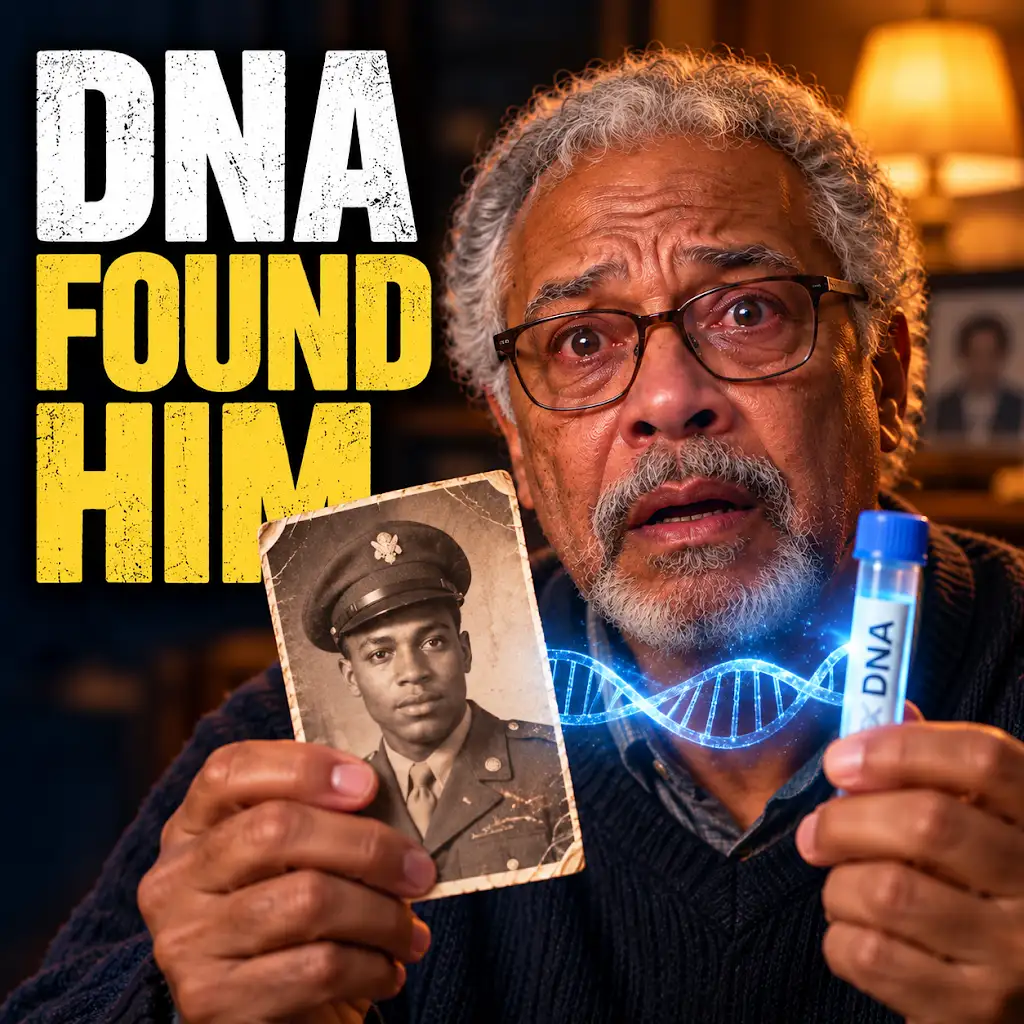
His WWII GI Father Was a Mystery for Nearly 80 Years
FAQs
What role did Black American GIs play in Britain during WWII?
Black American GIs played a significant role in Britain during WWII, serving in various capacities such as combat troops, support personnel, and in segregated units.
How were Black American GIs treated in Britain during WWII?
Black American GIs faced segregation and discrimination in Britain during WWII, both within the military and in civilian life. They were often denied access to facilities and services available to white GIs.
Did Black American GIs face racism from their white counterparts in Britain during WWII?
Yes, Black American GIs faced racism from their white counterparts in Britain during WWII. They were subjected to racial slurs, violence, and segregation within the military and in British society.
Were there any positive interactions between Black American GIs and the British people during WWII?
Despite facing racism and discrimination, there were positive interactions between Black American GIs and the British people during WWII. Many British citizens welcomed and befriended Black GIs, forming lasting relationships.
What impact did the presence of Black American GIs have on race relations in Britain during WWII?
The presence of Black American GIs in Britain during WWII had a significant impact on race relations. It challenged existing racial hierarchies and contributed to the beginnings of the civil rights movement in both the United States and Britain.