The Shadow Beneath the Spree: A Vault of Cold War Whispers
The recent discovery beneath the bustling streets of Berlin is more than just an archaeological find; it’s a subterranean vault brimming with the hushed anxieties and clandestine machinations of the Cold War. A forgotten tunnel, unearthed during routine urban development near the historic Potsdamer Platz, has yielded an astonishing trove of approximately 380,000 audio recordings, meticulously preserved and offering an unprecedented glimpse into the secrets that defined an era of geopolitical tension. These magnetic tapes, some dating back to the late 1940s and extending through the 1980s, represent a significant historical windfall, promising to rewrite our understanding of espionage, political intrigue, and the daily lives of those caught in the shadow of the Iron Curtain.
The sheer volume of the discovery is staggering. Archivists and historians are only just beginning to process the immensity of the collection, a task that will undoubtedly take years, if not decades. Initial assessments suggest the recordings encompass a wide spectrum of content, from high-level intelligence briefings and intercepted communications to propaganda broadcasts and seemingly mundane personal accounts that, in hindsight, carry immense historical weight. The location itself, a former nexus of power and division, adds another layer of dramatic significance to the find. Potsdamer Platz, once a vibrant heart of Berlin, was reduced to a wasteland by World War II and then bisected by the Berlin Wall, a potent symbol of the ideological chasm that separated East and West. The tunnel’s existence, hidden beneath this scar, speaks volumes about the pervasive nature of surveillance and the lengths to which both sides went to gather information and exert influence.
The Berlin Tunnel, also known as Tunnel 380, was a significant Cold War operation that involved the construction of a secret tunnel to intercept East German communications. For those interested in exploring more about this fascinating topic, you can read a related article that delves into the details of the operation and its implications during the tense period of the Cold War. Check it out here: Berlin Tunnel 380000 Recordings.
Unearthing the Artifacts: A Tunnel of Time
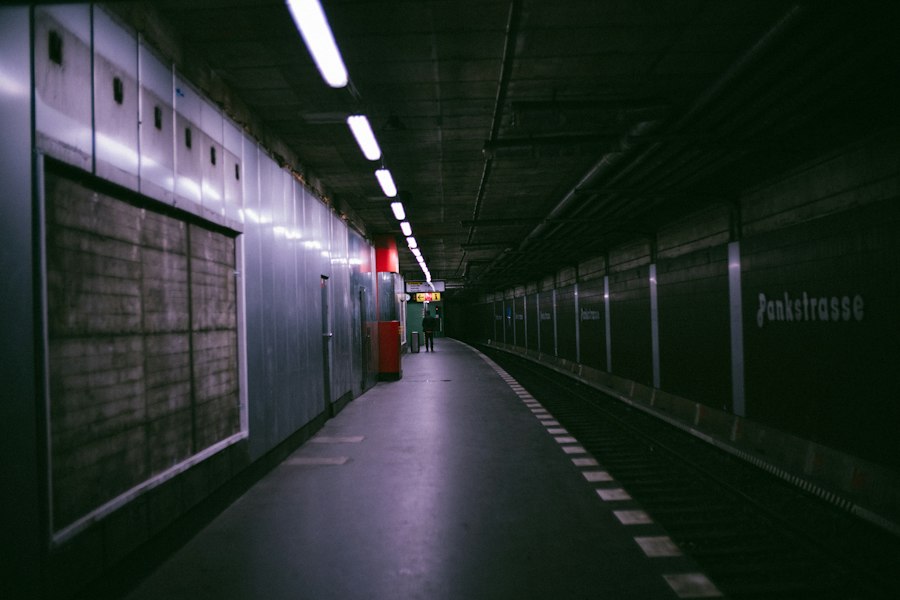
The serendipitous discovery occurred during construction work on a new underground infrastructure project. Workers, excavating a routine trench, encountered an unexpected structural anomaly. Further investigation revealed a well-concealed entrance leading into a surprisingly intact tunnel, its brickwork remarkably preserved despite decades of neglect and the shifting earth above. The air within, though stale, was dry, a crucial factor in the preservation of the delicate magnetic tapes that lined its walls, packed into sturdy metal containers. The tunnel’s design suggested it was purpose-built, likely for secure storage or clandestine operations, its location shielded from casual observation and the harsh realities of the divided city.
The Discovery and Initial Assessment
The initial moments of discovery were met with a mixture of disbelief and elation. The sheer quantity of the reels, stacked neatly in rows, hinted at something far beyond a few forgotten personal belongings. As the first containers were carefully opened, the distinctive sheen of magnetic tape became visible, triggering immediate recognition of its historical significance. Teams of experts, including archivists, audio engineers, and Cold War historians, were quickly assembled to assess the situation. Their preliminary examination revealed the tapes to be in varying states of condition, from pristine to somewhat degraded, but the majority were deemed salvageable. The meticulous packing and the relatively stable environment within the tunnel had provided an unlikely sanctuary for these fragile carriers of sound.
The Scope of the Collection
The scale of the 380,000 recordings is difficult to overstate. Early estimates suggest the collection spans a significant portion of the Cold War period, from the nascent years of the conflict in the late 1940s to its twilight in the late 1980s. The types of recordings are equally diverse. There are believed to be official government pronouncements, clandestine radio transmissions intercepted by intelligence agencies, and perhaps even recordings made by ordinary citizens, unknowingly capturing historical moments. The sheer density of the collection implies a systematic and ongoing effort to document, monitor, and archive information, reflecting the relentless pursuit of knowledge and advantage that characterized the era. The potential for uncovering previously unknown events, hidden dialogues, and the personal experiences of those living through these tumultuous times is immense.
Decoding the Past: The Contents Within
The real value of this extraordinary discovery lies not just in its quantity, but in the potential depth of the secrets it holds. The recordings are expected to shed light on a multitude of historical enigmas, offering firsthand accounts and verifiable evidence of events that have long been subjects of speculation and debate. From the inner workings of espionage agencies to the subtle shifts in public opinion and the personal stories of individuals caught in the crossfire, these tapes represent a direct conduit to the past.
Intelligence and Espionage Unveiled
One of the most anticipated areas of research will undoubtedly focus on the intelligence activities of the Cold War. The recordings may contain intercepted communications between spies, operational logs, debriefing sessions, and even the voices of individuals involved in covert operations. For decades, the actions of agencies like the Stasi, the KGB, and the CIA have been shrouded in secrecy, their motivations and methods often pieced together through fragmented accounts and declassified documents. This new archive has the potential to offer a far more comprehensive and nuanced understanding of their operations, providing verbatim accounts of strategic discussions, tactical planning, and the intricate web of human intelligence that underpinned the conflict. The possibility of uncovering specific agent identities, details of foiled plots, or the confirmation of long-suspected betrayals is a tantalizing prospect for historians and intelligence analysts alike.
Propaganda and Public Discourse
Beyond the realm of espionage, the collection is also expected to offer a rich tapestry of propaganda and the shaping of public discourse during the Cold War. This could include official broadcasts from both East and West, designed to influence domestic populations and international audiences. The tapes might also reveal the less overt forms of propaganda, such as radio programs, musical performances, and even advertisements that subtly promoted specific ideologies or denigrated opposing systems. By analyzing these audio artifacts, researchers can gain a deeper understanding of how governments sought to control narratives, manipulate public opinion, and foster loyalty or dissent. The subtle nuances in tone, language, and content could reveal the evolving strategies employed in the ideological battle for hearts and minds.
The Human Element: Voices from the Divide
Perhaps the most poignant and profoundly revealing aspect of this discovery lies in the potential to hear the voices of ordinary people. Amidst the official pronouncements and clandestine conversations, there may be personal diaries, family recordings, or street interviews that capture the lived experiences of those who navigated the Cold War landscape. These recordings could offer intimate glimpses into the anxieties, hopes, and resilience of individuals living under constant surveillance, economic hardship, or the ever-present threat of conflict. They could provide a human face to the abstract geopolitical struggles, reminding us that history is not just made by leaders and spies, but by countless individuals whose lives were profoundly shaped by the era’s defining tensions. The emotional resonance of these personal accounts could offer a powerful counterpoint to the often-dry historical narratives, fostering a deeper empathy and connection with the past.
The Herculean Task of Preservation and Analysis
The sheer volume and the fragile nature of the unearthed recordings present a monumental challenge for archivists, historians, and audio engineers. The process of preservation, restoration, and meticulous cataloging will require significant resources, expertise, and time. The ultimate goal is to make these voices accessible to the world, ensuring that the secrets they hold can inform future generations and contribute to a more complete understanding of this pivotal period in human history.
Preservation and Restoration Challenges
Magnetic tape, while revolutionary in its time, is notoriously susceptible to degradation. Factors such as temperature fluctuations, humidity, and the passage of time can cause the magnetic particles to lose their charge, rendering the recordings unplayable. Furthermore, the physical tapes themselves can become brittle, prone to snapping or shedding. The initial stages of preservation will involve carefully assessing the condition of each tape, stabilizing those that are most at risk, and employing advanced techniques to clean and repair any damage. This often involves delicate manual work and specialized equipment designed to handle fragile historical media. The goal is not only to prevent further decay but also to extract the maximum possible audio fidelity from each recording.
The Cataloging and Digitization Process
Once preserved, the arduous task of cataloging begins. Each recording will need to be listened to, its content analyzed, and its context identified. This involves identifying speakers, dates, locations, and the subject matter discussed. Given the potential for coded language or obscure references, this process will require the expertise of specialists in various fields, including linguists, historians, and even former intelligence operatives. Following cataloging, the recordings will be digitized. This involves converting the analog audio signals into digital files, which are far more stable and accessible. Digitization will allow for wider dissemination of the recordings through online archives and databases, ensuring their long-term preservation and accessibility for researchers and the public alike. The metadata associated with each digitized recording – the cataloging information – will be crucial for enabling effective searching and retrieval.
Unlocking the Secrets: Research and Interpretation
The true unlocking of the secrets contained within these recordings will occur through rigorous research and interpretation. Historians will pore over the audio, cross-referencing information with existing historical records, seeking to confirm or challenge established narratives. The analysis of linguistic patterns, vocal inflections, and the subtle nuances of communication could reveal hidden meanings, unspoken intentions, and the emotional undercurrents of the Cold War. The interdisciplinary nature of this research will be paramount, bringing together experts from various fields to offer diverse perspectives and insights. The potential for collaborative research projects, both national and international, is immense, fostering a shared endeavor to understand this complex chapter of history.
The recent discovery of Berlin Tunnel 380000 recordings has shed new light on Cold War espionage, revealing the intricate web of surveillance and counter-surveillance tactics employed by intelligence agencies. For those interested in exploring the broader context of these operations, a fascinating article on the subject can be found here, which delves into the historical significance and the technological advancements that shaped the era. This connection between past and present highlights the enduring impact of these covert activities on modern intelligence practices.
A New Dawn for Cold War Historiography
| Metric | Value | Unit | Description |
|---|---|---|---|
| Total Recordings | 380,000 | files | Number of audio or sensor recordings collected in the Berlin tunnel project |
| Recording Duration | 5 | minutes (average) | Average length of each recording |
| Sampling Rate | 44,100 | Hz | Audio sampling frequency used in recordings |
| Data Size | 1.2 | TB | Total storage size of all recordings combined |
| Number of Sensors | 50 | units | Number of sensors deployed in the Berlin tunnel for data collection |
| Recording Period | 12 | months | Duration over which recordings were collected |
The discovery of the Berlin tunnel recordings is not merely an interesting footnote in history; it has the potential to fundamentally reshape our understanding of the Cold War. It offers a rare opportunity to move beyond speculation and conjecture, to engage directly with the voices and events that defined this era of global conflict. The implications for academic research, public education, and the collective memory of this period are profound.
Revisiting Established Narratives
For decades, Cold War history has been largely constructed through the lens of declassified documents, memoirs, and scholarly analysis. While invaluable, these sources often present a curated or incomplete picture. The unearthing of these audio recordings offers a direct, unfiltered glimpse into the past, providing raw material that can be used to revisit and, in some cases, revise established narratives. The potential for discovering previously unknown events, motivations, or perspectives could lead to significant reinterpretations of key historical moments and the individuals who shaped them. It is a chance to hear the story from the inside, as it was being lived and recorded.
Implications for Future Research
The sheer scale of the collection guarantees that it will fuel Cold War research for generations to come. New avenues of inquiry will undoubtedly emerge as scholars delve into the depths of the archive. The recordings may offer insights into areas that have been historically under-researched, such as the everyday experiences of citizens in divided cities, the impact of propaganda on individual beliefs, or the intricate logistical challenges of clandestine operations. The accessibility of these digitized recordings through online platforms will also democratize historical research, allowing scholars worldwide to engage with the material without the need for extensive travel or access to rare physical archives.
The Enduring Legacy of the Unheard
The Berlin tunnel recordings serve as a potent reminder of the vast historical archives that may still lie hidden, waiting to be discovered. They underscore the importance of diligent preservation efforts and the serendipity that can arise from seemingly routine urban development. The voices that have been silenced for decades, preserved in the cool darkness beneath Berlin, are now poised to speak, offering their stories and their secrets to a world eager to listen. This discovery is a testament to the enduring power of sound to transport us through time, to connect us with the past, and to illuminate the complex tapestry of human experience. The shadow beneath the Spree has finally yielded its whispers, and history will be forever changed by their resonance.

Operation Gold: The Day the Soviets Busted the CIA’s Secret Tunnel
FAQs
What is the Berlin tunnel 380000 recordings article about?
The article discusses the discovery of a tunnel in Berlin containing over 380,000 recordings from the Cold War era.
Where was the Berlin tunnel with 380,000 recordings found?
The tunnel with the extensive collection of recordings was found in Berlin, Germany.
What time period do the recordings in the Berlin tunnel cover?
The recordings found in the Berlin tunnel cover the Cold War era, providing insights into that historical period.
Who discovered the Berlin tunnel with 380,000 recordings?
The Berlin tunnel with the vast collection of recordings was discovered by a team of researchers and historians conducting an excavation in the area.
Why are the 380,000 recordings found in the Berlin tunnel significant?
The recordings found in the Berlin tunnel are significant as they offer a unique glimpse into the espionage activities and communication methods during the Cold War, providing valuable historical insights.