The discovery of a hidden World War II tunnel beneath the bustling streets of Berlin has sent ripples of excitement and intrigue through historical and archaeological communities. Unearthed during routine construction work in the Charlottenburg district, the labyrinthine structure promises to shed new light on the clandestine operations and desperate measures employed during the final years of the conflict. Initial explorations have already revealed a remarkable array of artifacts and architectural features, offering a tangible link to a period of immense upheaval and immense human stories. The implications of this find extend far beyond mere historical curiosity, potentially reshaping our understanding of Berlin’s underground defenses, civilian survival strategies, and even the movements of key figures in the Nazi regime.
Echoes from the Depths
The discovery was entirely serendipitous. Workers excavating for a new subway line encountered an unusually solid section of earth that resisted their machinery. Further investigation with more sensitive equipment revealed a concealed entrance, heavily disguised and remarkably well-preserved. The air within, though musty, was relatively breathable, a testament to the engineering and sealing techniques employed by its creators. The initial entry was cautious, led by a team of experienced archaeologists and structural engineers, their every move documented and analyzed. The sheer scale of the tunnel system, as it began to unfold, hinted at a far more extensive network than initially anticipated. The darkness within, pierced only by the beams of their headlamps, seemed to hold its breath, as if waiting to reveal its long-guarded secrets.
The Unforeseen Entrance
The precise location of the discovery, a seemingly unremarkable construction site, belied the significance of what lay beneath. For decades, the site had been subject to various urban developments, each layer adding to the city’s complex history. That this particular tunnel remained undiscovered for so long speaks to the ingenuity of its concealment. The original entrance, now partially revealed, is a masterpiece of camouflage. It appears to have been integrated into the foundation of a pre-existing structure, or perhaps even disguised as a utilitarian access point for an above-ground facility that no longer exists. The lack of any overt signage or identifying markers further contributed to its anonymity. The rubble and debris that had accumulated over the years had effectively sealed it, a silent tomb for wartime secrets.
Initial Survey and Preliminary Findings
The first few days of exploration were characterized by a meticulous, almost reverent, pace. Teams focused on mapping the immediate area, assessing structural integrity, and cataloging any visible artifacts without disturbing their context. Early findings included discarded tools, remnants of military equipment, and personal effects that offered fleeting glimpses into the lives of those who used the tunnels. The air quality was continuously monitored, and specialized lighting was employed to avoid damage from intense heat or light. The sheer darkness and the oppressive silence, broken only by the sounds of dripping water and the careful footsteps of the explorers, created an atmosphere that was both awe-inspiring and deeply somber. The weight of history felt palpable, pressing down from the earth above.
The recent discovery of a tunnel in Berlin has sparked significant interest among historians and archaeologists, shedding light on the city’s complex past during the Cold War era. For those looking to delve deeper into the implications of this find, a related article can be found at this link, which explores the historical context and the potential stories hidden beneath the surface of the city.
Architects of the Underground

The construction of such an extensive tunnel system during wartime would have been a monumental undertaking, requiring significant resources, labor, and technical expertise. The design and execution of these underground passages reveal a sophisticated understanding of engineering principles, adapted to the exigencies of a besieged city. The purpose of these tunnels likely varied, from defensive positions and escape routes to secret storage facilities and even living quarters. Understanding who built them and why is crucial to piecing together the narrative of Berlin’s final days. The meticulous planning evident in their construction suggests a clear strategic intent, even as the city faced relentless bombardment from Allied forces.
Engineering Marvels of the Third Reich
The tunnels themselves are a testament to the engineering capabilities of the era, albeit employed for a desperate cause. Constructed with reinforced concrete and, in some sections, brickwork, they demonstrate a foresight that aimed to provide protection and operational continuity even as the surface world crumbled. The presence of ventilation shafts, some cleverly disguised, suggests an effort to maintain habitable conditions for extended periods. The internal architecture reveals a degree of standardization in some areas, hinting at mass production of prefabricated components, while other sections show signs of rapid, ad-hoc construction. The sheer labor involved, likely utilizing forced labor alongside skilled engineers and soldiers, underscores the immense pressure and urgency that characterized the period.
Unveiling the Purpose
The primary purpose of the tunnels is a subject of ongoing speculation and investigation. While some sections appear to be clearly designed as air-raid shelters, others suggest more specialized functions. Evidence of communication lines, such as conduits for electrical wiring, points to their use as nerve centers for command and control. The discovery of what appear to be storage chambers, some containing remnants of supplies, indicates their role in maintaining logistical capabilities. The possibility of escape routes for high-ranking officials or for ferrying vital personnel cannot be discounted. Each section of the unearthed network, from its layout to the artifacts found within, offers clues that, when pieced together, begin to form a more comprehensive picture of their multifaceted roles.
Artifacts of a Forgotten Era
The true historical value of the tunnel discovery lies not only in its physical structure but also in the tangible remnants of the past it has preserved. These artifacts, frozen in time, offer invaluable insights into the daily lives, struggles, and anxieties of those who sought refuge or operated within these subterranean depths. From personal mementos to official documents, each item tells a story, contributing to a more nuanced and human understanding of the war. The delicate process of excavation and preservation is paramount, ensuring that these fragile pieces of history are not lost in their retrieval.
Personal Traces of Civilians and Soldiers
Among the most poignant discoveries are personal effects that speak to the humanity of those who used the tunnels. Faded photographs, worn letters, a child’s toy, or a soldier’s diary can evoke a powerful emotional connection to the past. These items offer a stark contrast to the grim realities of war and the sterile efficiency of military planning. They reveal the hopes, fears, and affections that persisted even in the most dire circumstances. The careful cataloging and analysis of these items will contribute to a more intimate and relatable portrayal of life during the Blitz and the subsequent invasion of Berlin.
Military Equipment and Operational Clues
The presence of military equipment provides direct evidence of the tunnel’s strategic importance. Scattered ammunition casings, discarded weapons, fragments of uniforms, and communication devices offer clues about the types of military operations that may have taken place or been supported by the tunnels. The condition of these items, whether pristine or damaged, can indicate their status at the time of abandonment. For instance, intact equipment might suggest a planned evacuation, while scattered or damaged items could point to a hasty retreat or combat engagement within the tunnels.
Cryptic Documents and Unanswered Questions
Perhaps the most exciting, yet most challenging, discoveries are documents. If any are found to be legible and intact, they could offer direct insights into strategic plans, orders, or communications. The potential for unearthing previously unknown information about specific events, operations, or even the identities of key personnel is immense. However, the fragility of paper in underground environments poses significant preservation challenges. The meticulous work of archivists and conservators will be crucial in deciphering any textual material that is recovered, potentially unlocking secrets that have been buried for decades.
Implications for Historical Understanding
The Berlin tunnel discovery is more than just a fascinating archaeological find; it has the potential to significantly reframe our understanding of several key aspects of World War II. The information gleaned from the tunnels could fill gaps in existing historical narratives, challenge long-held assumptions, and provide new perspectives on the final days of Nazi Germany. The ongoing research will undoubtedly contribute to a richer and more detailed historical record.
Revisiting the Battle of Berlin
The Battle of Berlin was a brutal and decisive confrontation. The existence and nature of these tunnels could offer a new perspective on the defensive strategies employed by the German forces and the challenges faced by the advancing Soviet troops. If the tunnels were used for troop movements, as command centers, or as fortified positions, they would have played a significant role in the city’s defense. Understanding their extent and connectivity could reveal previously unknown operational plans and the true extent of the underground war fought beneath the surface.
Civilian Resilience and Survival
The tunnels may also illuminate the strategies employed by Berlin’s civilian population to survive the relentless bombing and the ensuing urban warfare. Evidence of longer-term habitation, such as makeshift living quarters or communal areas, could demonstrate the remarkable resilience and adaptability of ordinary people in extraordinary circumstances. The personal artifacts found could speak volumes about their daily struggles, their hopes for survival, and their enduring humanity.
The Fate of Key Figures
The possibility that these tunnels might have been utilized by high-ranking Nazi officials for communication, escape, or as hidden command posts is a tantalizing prospect. While evidence of this would be extremely difficult to uncover and definitively prove, any hints or clues found within the tunnels could contribute to ongoing debates and research into the final movements and decisions of the Nazi leadership. The discovery could, in theory, shed light on escape routes or hidden facilities that were previously only rumored.
The recent discovery of a tunnel in Berlin has sparked significant interest among historians and archaeologists alike. This underground passage, believed to date back to the Cold War era, offers a fascinating glimpse into the city’s divided past. For those looking to delve deeper into the implications of such findings, a related article discusses the broader context of Cold War espionage and its impact on urban development. You can read more about it in this insightful piece on urban history.
The Future of the Subterranean City
| Metric | Details |
|---|---|
| Location | Berlin, Germany |
| Discovery Date | April 2024 |
| Length of Tunnel | Approximately 150 meters |
| Depth | 10-15 meters below ground |
| Purpose | Historical Cold War espionage |
| Construction Era | 1960s |
| Materials Found | Old communication cables, metal pipes, wooden supports |
| Current Status | Under archaeological and historical investigation |
The unearthing of this tunnel system is just the beginning. The ongoing work will require patience, significant resources, and a multidisciplinary approach. The long-term implications of the discovery extend beyond immediate historical research, potentially influencing urban planning, historical preservation efforts, and even public education about the realities of wartime.
Ongoing Excavation and Preservation
The excavation process will be lengthy and complex, requiring careful planning and execution to ensure the safety of the site and the preservation of the artifacts. Advanced techniques in archaeology, structural engineering, and conservation science will be employed. The challenges of maintaining structural integrity, managing humidity and temperature, and preventing further decay of organic materials will be paramount. The goal is not simply to unearth, but to preserve what has been found for future generations.
Public Access and Educational Initiatives
The potential for public engagement with this discovery is immense. Once thoroughly explored and stabilized, parts of the tunnel system could potentially be opened to the public, offering a unique and powerful educational experience. Such a site could serve as a stark reminder of the human cost of war and a testament to the resilience of the human spirit. Educational programs and exhibitions accompanying any public access would be crucial for contextualizing the findings and conveying their historical significance effectively.
The Ongoing Search for Hidden History
This discovery serves as a potent reminder that even in a densely populated and well-documented city like Berlin, profound historical secrets can remain hidden beneath the surface. It ignites the imagination and encourages a deeper appreciation for the layers of history that lie beneath our feet. The Berlin tunnel discovery is likely not the last such revelation, and it underscores the importance of continued vigilance and exploration in uncovering the lost narratives of our past. The city beneath the city, silent for decades, has finally begun to speak.
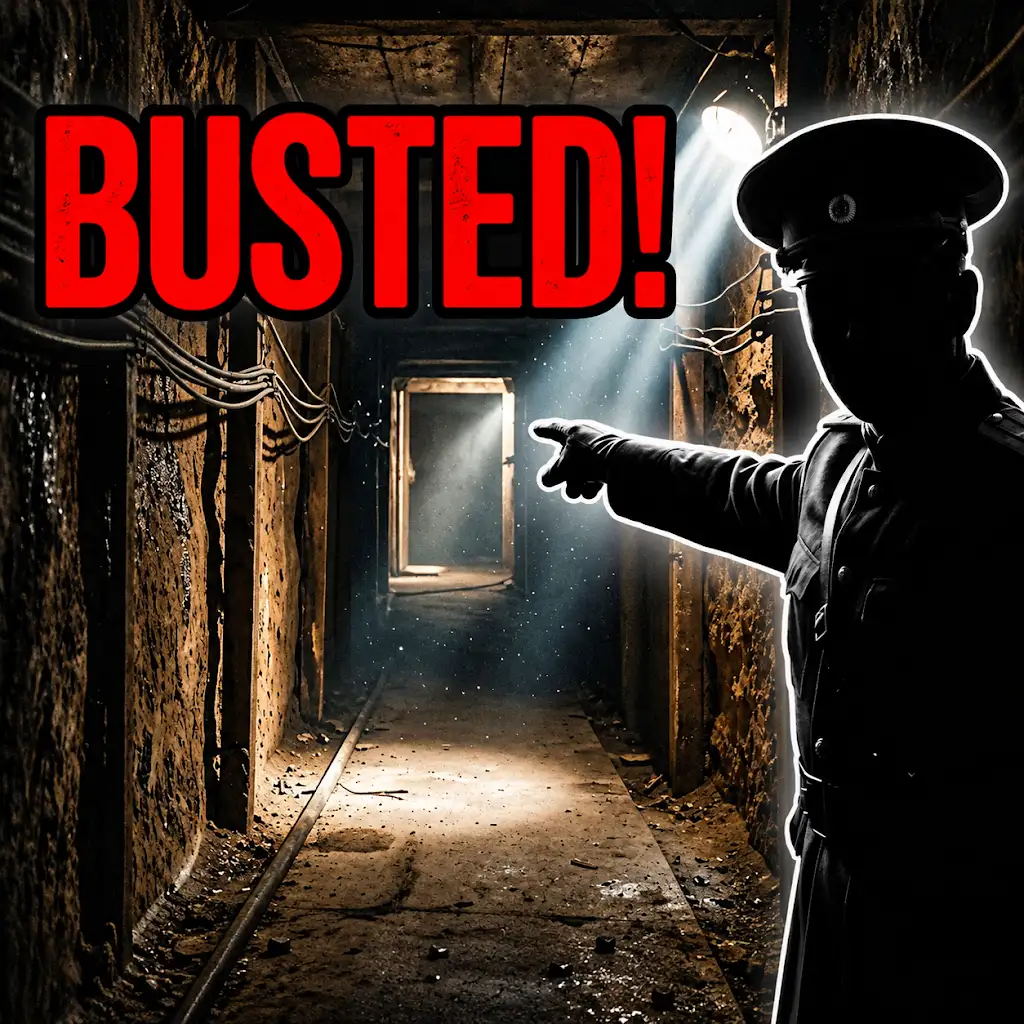
Operation Gold: The Day the Soviets Busted the CIA’s Secret Tunnel
FAQs
What was discovered in Berlin?
A tunnel dating back to World War II was discovered in Berlin. It was found during construction work in the city.
How long is the Berlin tunnel?
The Berlin tunnel is approximately 70 meters long, running beneath the streets of the city.
When was the Berlin tunnel likely built?
The Berlin tunnel is believed to have been constructed during World War II, possibly as an air raid shelter or a means of transportation for soldiers.
Who made the discovery of the Berlin tunnel?
The construction workers in Berlin made the discovery of the tunnel while working on a project in the city.
Is the Berlin tunnel open to the public?
As of now, the Berlin tunnel is not open to the public due to safety concerns and ongoing investigations into its historical significance.