The shadows of the Cold War, a period defined by ideological conflict and a constant dance on the brink of annihilation, are often perceived through the lens of grand political pronouncements and visible military might. Yet, beneath the surface of diplomatic sparring and nuclear posturing lay a clandestine world of espionage, sabotage, and covert operations, a realm where the stakes were immeasurably high and the players operated in absolute secrecy. The documentary “Behind the Iron Curtain: Secret Cold War Operations” plunges viewers into this hidden arena, peeling back the layers of deception and revealing the extraordinary lengths to which both sides, particularly the United States and the Soviet Union, went to gain an advantage. This compelling film, through expert interviews, declassified documents, and chilling personal accounts, paints a vivid and often unsettling picture of the unseen battles that shaped the latter half of the 20th century.
The very inception of the Cold War set the stage for an unprecedented escalation in clandestine activities. The ideological chasm between the capitalist West and the communist East, cemented by the ashes of World War II, created a fertile ground for suspicion and mutual distrust. Both superpowers, possessing nuclear arsenals and vast spheres of influence, recognized that direct confrontation was too perilous. This realization propelled them into a new kind of warfare, one fought in the shadows, through intelligence agencies, and with the ultimate goal of undermining the enemy’s resolve and capabilities without igniting a global conflagration.
The Birth of the Intelligence State
The end of World War II witnessed the formalization and expansion of intelligence gathering and covert action capabilities. For the United States, the establishment of the Central Intelligence Agency (CIA) in 1947 marked a significant shift, consolidating various intelligence functions under a single, powerful umbrella. This agency, conceived as a tool to protect national security in the burgeoning bipolar world, was empowered to conduct espionage, gather intelligence, and engage in “covert activities.” Similarly, the Soviet Union, with its long-standing tradition of formidable intelligence operations through the KGB (Committee for State Security), was equally prepared to leverage its clandestine apparatus.
Ideological Warfare and the Battle for Hearts and Minds
The Cold War was not merely a territorial or military struggle; it was also an intense ideological battle. Both the United States and the Soviet Union sought to prove the superiority of their respective systems, not only through propaganda but also through more subtle means. This often involved influencing public opinion in neutral countries, supporting proxy forces, and actively working to destabilize the political and economic structures of the opposing bloc. The documentary highlights how covert operations were frequently designed to amplify existing societal fissures and sow discord within the enemy’s borders.
The Iron Curtain: A Metaphor for Division and Secrecy
Winston Churchill’s iconic phrase, “an iron curtain has descended across the Continent,” perfectly captured the stark division that emerged in Europe. This physical and ideological barrier not only separated East from West but also served as a potent symbol of the secrecy and isolation that characterized life behind Soviet control. The documentary emphasizes how this “iron curtain” became a crucial theater of operations, a place where intelligence operatives risked their lives to extract information and where covert actions aimed to weaken Soviet influence and support nascent dissident movements.
For those interested in exploring the covert activities that shaped the Cold War, a fascinating documentary titled “Secret Cold War Operations” delves into the clandestine missions and strategies employed by various nations during this tense period. To gain further insights into the historical context and implications of these operations, you can read a related article that provides an in-depth analysis of the geopolitical landscape at the time. Check it out here: In the War Room.
Eyes and Ears Beyond the Wall: Espionage and Intelligence Gathering
The documentary dedicates a significant portion to the intricate and perilous world of espionage. In an era where information was the most valuable currency, both sides invested heavily in clandestine intelligence gathering operations. These operations were not confined to traditional spycraft; they encompassed a wide array of technologies and methodologies, all designed to penetrate the heavily guarded secrets of the adversary. The risks involved were immense, with capture often leading to lengthy imprisonment or even execution.
The Art of Human Intelligence (HUMINT)
Despite the advent of new technologies, human intelligence remained a cornerstone of Cold War espionage. The documentary delves into the dangerous work of agents, double agents, and informants who risked everything to gather vital information. These individuals operated in deeply hostile environments, often under constant surveillance, their lives dependent on their ability to blend in, build trust, and extract crucial intelligence. Stories of daring exfiltrations, risky dead drops, and the constant threat of betrayal are woven into the narrative, highlighting the human cost of this silent war.
Technological Marvels and the Spy Game
The Cold War also witnessed a technological arms race that extended to the realm of intelligence. The documentary showcases the ingenious and often audacious development of spy technology. From sophisticated listening devices and miniature cameras to high-altitude reconnaissance aircraft like the U-2, both sides pushed the boundaries of what was technically possible. The constant cat-and-mouse game between developing new surveillance tools and creating countermeasures to detect and neutralize them is a fascinating aspect explored in the film.
The U-2 Program: Flying High in Enemy Skies
The U-2 spy plane program, a key element of American intelligence gathering, is a particularly compelling case study presented in the documentary. These high-altitude aircraft provided invaluable photographic intelligence of Soviet military installations and missile sites, offering crucial insights into the enemy’s capabilities. The film recounts the daring flights, the constant threat of being shot down, and the eventual downing of Gary Powers in 1960, a public humiliation that underscored the risks of such operations.
SIGINT and Electronic Warfare
Signals intelligence (SIGINT) played an increasingly vital role as communication technologies advanced. The documentary explores how both sides sought to intercept and decipher enemy communications, from radio transmissions to encrypted messages. This involved the development of complex decryption techniques and the deployment of sophisticated listening posts. The constant struggle to maintain communications security while simultaneously attempting to break enemy codes was a crucial element of the intelligence war.
The Berlin Tunnel: A Monument to Audacity
One of the most ambitious and audacious operations discussed is the construction of the Berlin Tunnel. This joint effort by the CIA and the British Secret Intelligence Service (MI6) aimed to tap into Soviet communication lines running beneath East Berlin. The documentary vividly portrays the immense logistical challenges, the constant fear of discovery, and the strategic importance of this operation, which provided a wealth of intelligence for over a year before being compromised. The sheer ingenuity and bravery required to execute such a plan are truly astounding.
Beyond Spying: Covert Actions and Sabotage
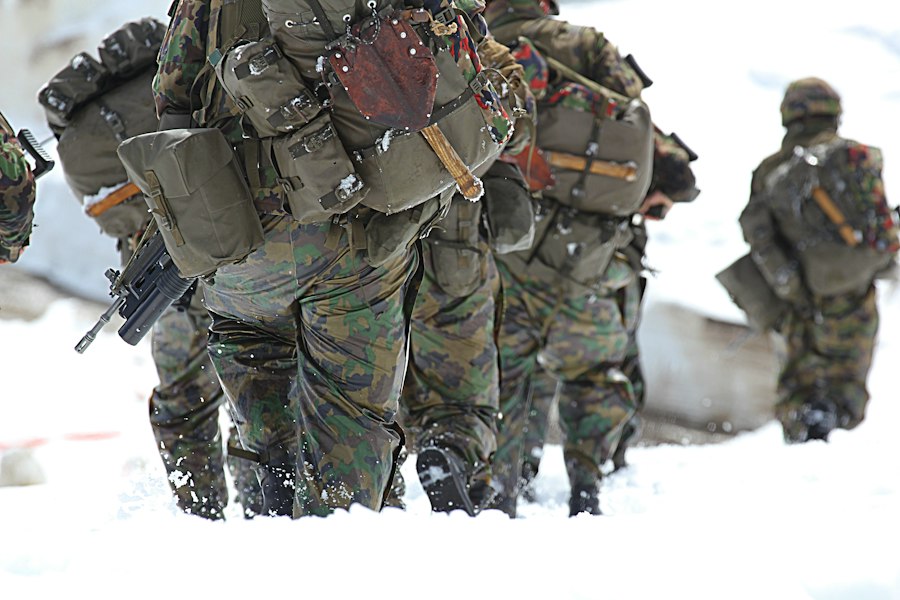
Espionage, while critical, was only one facet of the covert Cold War. The documentary delves into the more active and often more dangerous realm of covert actions, which aimed to directly influence events and undermine the enemy’s power. These operations ranged from political interference and economic sabotage to propaganda campaigns and even assassination plots. The ethical implications and the potential for unintended consequences were always present, adding another layer of complexity to these clandestine endeavors.
Psychological Warfare and Propaganda
The battle for hearts and minds extended beyond overt propaganda. The documentary reveals how both sides engaged in sophisticated psychological warfare operations, designed to sow dissent, erode trust in opposing governments, and promote their own ideologies through more subtle means. This included the dissemination of misinformation, the staging of events to create specific perceptions, and the support of underground media and cultural exchanges that favored their own narratives.
Radio Free Europe and Radio Liberty
The role of Western-funded radio stations like Radio Free Europe and Radio Liberty is examined as a key tool in broadcasting Western perspectives and critical information into Soviet-bloc countries. The documentary highlights the bravery of the broadcasters and the impact of these stations in countering Soviet propaganda and providing a voice for dissent, even while facing constant jamming and attempts at subversion.
Destabilization and Regime Change
The desire to weaken and destabilize the enemy led to operations aimed at influencing political outcomes. The documentary touches upon instances where intelligence agencies provided support to opposition movements, funded anti-government activities, and even engaged in efforts to orchestrate regime change in strategically important nations. These operations were fraught with peril, as miscalculations could lead to prolonged conflict and unintended humanitarian crises.
The Bay of Pigs and its Fallout
While not strictly behind the Iron Curtain, the failed Bay of Pigs invasion of Cuba serves as a stark reminder of the risks and potential for catastrophic failure in covert intervention. The documentary may use such examples to illustrate the broader spectrum of covert action and the lessons learned from its successes and failures, emphasizing the difficulty of achieving desired outcomes through clandestine means.
Economic Sabotage and Disruption
Undermining an adversary’s economy was another tactic employed. The documentary may explore instances where covert operations aimed to disrupt supply chains, sabotage key industries, or devalue currency. These actions, while less visible than military engagement, could have a significant impact on a nation’s stability and its ability to wage the broader Cold War.
The Human Element: Courage, Betrayal, and Sacrifice
Behind the machinations of intelligence agencies and the grand strategies of nations were individuals who lived lives of extraordinary danger and often faced profound moral dilemmas. “Behind the Iron Curtain: Secret Cold War Operations” humanizes this conflict by focusing on the experiences of the people who lived and operated within its shadow. Their stories are filled with tales of incredible courage, agonizing betrayal, and immense personal sacrifice.
The Double Agent Phenomenon
The world of espionage was rife with the phenomenon of the double agent. Individuals who seemingly served one side were, in reality, working for the other, or perhaps playing a complex game of deception for their own reasons. The documentary likely explores the motivations and the psychological toll of such betrayals, where loyalty was a fluid and often deadly commodity.
Kim Philby: A Master of Deception
The infamous case of Kim Philby, a high-ranking British intelligence officer who was also a Soviet mole, serves as a prime example of the profound damage that deep-cover agents could inflict. The documentary might revisit his story, highlighting how his betrayal compromised countless operations and lives, emphasizing the constant threat of infiltration.
Defectors and Their Stories
The decision to defect from one bloc to the other was a life-altering choice, often made under extreme duress. The documentary likely features accounts of defectors who risked everything to escape and share their knowledge, providing invaluable intelligence and often becoming targets themselves. Their testimonies offer a raw and personal perspective on life within the Soviet system and the risks of opposition.
The Price of Information: Imprisonment and Execution
For those caught engaging in espionage or covert activities, the consequences could be dire. The documentary shines a light on the harsh realities of imprisonment and the ultimate penalty of execution for many who operated behind enemy lines. These stories serve as a stark reminder of the human cost of the Cold War and the sacrifices made by those involved.
In exploring the intricate web of covert activities during the Cold War, the documentary on secret operations provides a fascinating glimpse into the strategies employed by both superpowers. For those interested in delving deeper into this topic, a related article offers additional insights and analysis on the impact of these clandestine missions. You can read more about it in this detailed article, which examines the historical context and the lasting effects of these operations on modern geopolitics.
Legacies and Lessons: The Enduring Impact of Covert Warfare
| Operation Name | Year | Location | Description |
|---|---|---|---|
| Operation Paperclip | 1945 | Germany | Recruitment of German scientists to work for the United States after World War II |
| Operation Gladio | 1956 | Europe | Covert operation to counter communist influence in Western Europe |
| Operation Mongoose | 1961 | Cuba | Covert operation to overthrow the Cuban government |
| Operation CHAOS | 1967 | United States | Surveillance and infiltration of domestic anti-war and civil rights groups |
The end of the Cold War did not erase the impact of these secret operations. The documentary, in its concluding segments, reflects on the enduring legacies of this period of clandestine conflict and the lessons learned, or perhaps not learned, for contemporary global affairs. The intricate web of intelligence and covert action developed during this era continues to shape the tools and tactics of modern intelligence agencies.
The Evolution of Intelligence Agencies
The operations conducted during the Cold War fundamentally reshaped the intelligence apparatus of nations. The documentary might explore how the experiences gained, both positive and negative, influenced the structure, funding, and operational doctrines of agencies like the CIA, KGB, and their contemporaries. The emphasis on technical collection, psychological warfare, and the integration of intelligence with foreign policy are all legacies of this era.
The Moral Ambiguity of Covert Action
The documentary likely prompts viewers to consider the moral complexities of covert operations. The necessity of secrecy often means operating outside the bounds of traditional law and ethical norms. The film may not offer easy answers but encourages a critical examination of the justifications for such actions and their potential for unintended consequences and collateral damage.
The Continuing Shadow War
While the specific ideological battle of the Cold War has concluded, the documentary might suggest that the methods and mentality forged during that era persist. The rise of new geopolitical challenges and the continued existence of state-sponsored clandestine activities suggest that the “shadow war” is far from over, and the lessons from the Cold War remain relevant. The tools of espionage, misinformation, and covert influence are still employed in the 21st century, albeit with new technologies and evolving targets.
“Behind the Iron Curtain: Secret Cold War Operations” offers a crucial glimpse into a vital, yet often overlooked, dimension of history. It is a testament to the ingenuity, bravery, and sometimes the ruthlessness of human endeavor in the pursuit of perceived national interest. The documentary serves as a powerful reminder that beneath the visible currents of history, unseen battles were fought, shaping the world we inhabit today in profound and lasting ways.
The Pentagon Plan to Fake an Attack on America—and Blame Cuba
FAQs
What is the secret Cold War operations documentary about?
The secret Cold War operations documentary explores covert operations conducted by various countries during the Cold War era, shedding light on previously classified information and providing a deeper understanding of this historical period.
Who produced the secret Cold War operations documentary?
The secret Cold War operations documentary was produced by a team of historians, researchers, and filmmakers who have dedicated themselves to uncovering and documenting the hidden aspects of Cold War history.
What kind of operations are covered in the secret Cold War operations documentary?
The secret Cold War operations documentary covers a wide range of covert operations, including espionage, sabotage, propaganda, and intelligence gathering activities carried out by intelligence agencies and military forces of different countries during the Cold War.
Where can I watch the secret Cold War operations documentary?
The secret Cold War operations documentary may be available for viewing on various streaming platforms, such as Netflix, Amazon Prime, or Hulu, or it may be accessible through a documentary film website or a historical documentary channel.
Why is the secret Cold War operations documentary important?
The secret Cold War operations documentary is important because it provides a comprehensive and detailed account of the clandestine activities that took place during the Cold War, offering valuable insights into the strategies and tactics employed by nations to gain an advantage in the global power struggle of that time.