The Dawn of a New Era: The Ballistic Research Laboratory’s Role in Nuclear Testing
The Ballistic Research Laboratory (BRL), an integral part of the U.S. Army’s Aberdeen Proving Ground in Maryland, played a surprisingly significant, albeit often overshadowed, role in the early days of nuclear weapons development and testing. While the Manhattan Project and the Los Alamos National Laboratory are more widely recognized for the design and creation of the atomic bomb, the BRL’s expertise in ballistics, aerodynamics, and engineering was crucial for understanding the practical deployment and effects of these revolutionary weapons. The intense period of nuclear testing following World War II presented a unique set of challenges that demanded innovative solutions, and the BRL found itself at the forefront of many of these endeavors. Their involvement spanned from the intricate engineering required to deliver nuclear payloads to the meticulous analysis of blast effects and the development of specialized instrumentation. This article will explore the multifaceted impact of the BRL’s contributions to nuclear testing, delving into the specific innovations they pioneered and the lasting legacy of their work.
The Ballistic Research Laboratory has played a crucial role in the development and testing of nuclear weapons, contributing significantly to the understanding of their effects and capabilities. For those interested in exploring this topic further, a related article can be found at this link, which delves into the historical context and technological advancements in nuclear testing.
Engineering the Unthinkable: Delivery Systems and Projectile Dynamics
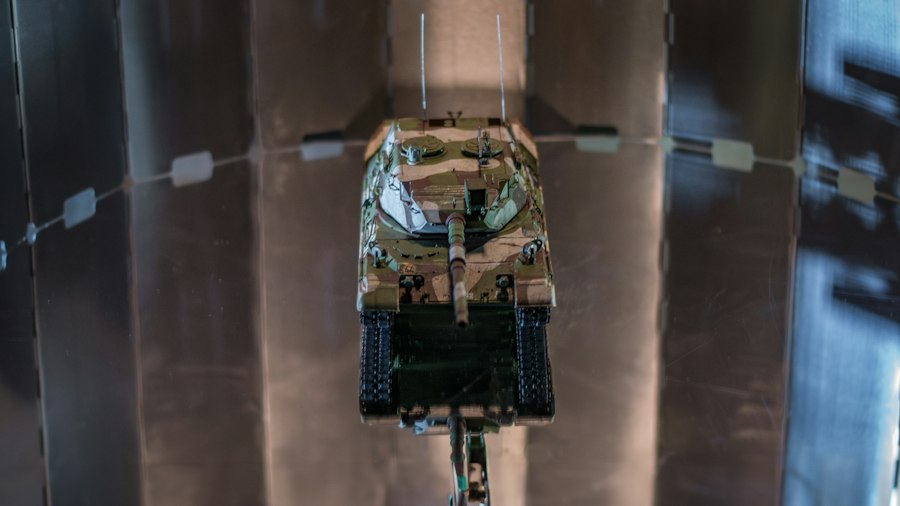
The successful detonation of a nuclear weapon is only one part of the equation; delivering that weapon to its intended target safely and effectively is another, equally complex challenge. The BRL, with its deep understanding of projectile motion, aerodynamics, and high-speed dynamics, was ideally positioned to tackle these engineering hurdles. Their involvement was not merely theoretical; it extended to the physical design and testing of components and systems that would carry and deploy these unprecedentedly powerful devices.
Aerodynamics of Nuclear Delivery
The deployment of a nuclear weapon, whether by aircraft or missile, involves complex aerodynamic considerations. The BRL’s expertise in fluid dynamics and flight mechanics allowed them to analyze the behavior of bombs and their delivery systems at high speeds and altitudes. This was particularly critical for the early generation of nuclear weapons, which were often bulky and less streamlined than their predecessors. Understanding the drag, lift, and stability characteristics of these payloads in various atmospheric conditions was paramount for ensuring accurate delivery. The laboratory developed sophisticated wind tunnel testing techniques and computational models to simulate these conditions, providing engineers with the data necessary to refine bomb designs and flight trajectories. This research directly informed the design of bomb casings, stabilizing fins, and parachute systems, all of which had to perform flawlessly under extreme stress.
Ballistic Trajectory Analysis
The trajectory of a nuclear bomb dropped from an aircraft is influenced by a multitude of factors, including wind, altitude, speed, and the bomb’s own aerodynamic properties. The BRL’s core competency in ballistics allowed them to develop precise mathematical models for predicting these trajectories. This was essential for calculating bombing runs, ensuring that the weapon would reach its target with a high degree of accuracy, even under challenging environmental conditions. Their work involved not only theoretical calculations but also the development of specialized instrumentation for measuring crucial parameters during test drops. These measurements, in turn, fed back into the models, creating a continuous cycle of refinement and improvement. The precision required was orders of magnitude greater than that for conventional ordnance, given the catastrophic potential of a nuclear detonation.
Specialized Ejection and Deployment Mechanisms
Beyond the flight itself, the moment of release and subsequent deployment of a nuclear weapon required specialized engineering. The BRL was instrumental in designing and testing the mechanisms that would safely eject nuclear payloads from delivery vehicles. This included developing robust bomb bay doors, release latches, and, for gravity bombs, robust aerodynamic surfaces that would orient the bomb correctly for its fall. For early thermonuclear devices, the intricate fusing and arming sequences also needed to be reliable and survivable during the violent ejection process. The engineers at BRL had to consider factors such as shock, vibration, and high G-forces, ensuring that critical components remained intact and functional.
Understanding the Unleashed Fury: Blast Effects and Instrumentation
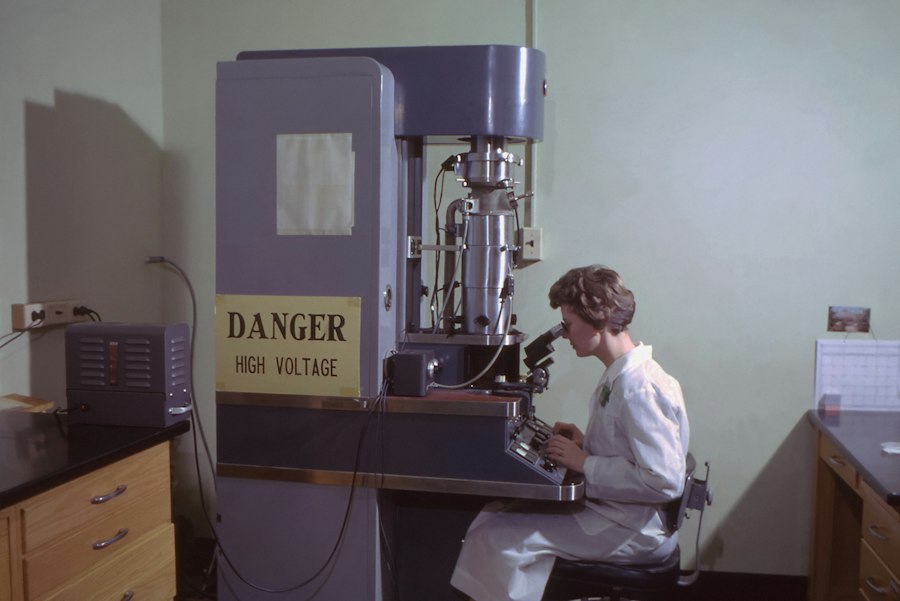
The testing of nuclear weapons was not solely about their delivery; a significant portion of the effort was dedicated to understanding the devastating effects of these detonations. The BRL played a crucial role in developing the sophisticated instrumentation and methodologies needed to measure and analyze the immense blast waves, thermal radiation, and subsequent phenomena generated by nuclear explosions. This understanding was vital for developing effective defense strategies, designing hardened structures, and mitigating the impact on personnel and equipment.
Designing for the Blast Wave
The propagation of a nuclear blast wave is a complex phenomenon, characterized by rapid pressure changes, high velocities, and intense turbulence. The BRL’s expertise in shock physics and high-speed flow was indispensable in characterizing these effects. They developed and deployed a vast array of sensors, including pressure gauges, accelerometers, and strain gauges, strategically placed at various distances from ground zero. These instruments, often specially hardened to withstand the extreme conditions, provided real-time data on the peak overpressure, impulse, and duration of the blast wave. This data was critical for understanding the destructive potential of different yield weapons and for developing structural design criteria for buildings, bunkers, and military equipment. The laboratory’s efforts in this area contributed directly to the development of robust military hardware and civil defense recommendations.
Measuring Thermal Radiation
The intense flash of light and heat emitted by a nuclear detonation, known as thermal radiation, can cause severe burns and ignite fires over vast areas. The BRL was involved in developing methods and instruments to quantify this radiative energy. This included the use of radiometers, calorimeters, and photographic techniques to measure the radiant flux and total thermal energy incident on surfaces. Understanding the spectral distribution and temporal profile of this radiation was crucial for predicting the range of flash blindness, skin burns, and the likelihood of widespread fires. This information was essential for developing personal protective equipment, implementing fire-fighting strategies, and assessing the overall impact of nuclear attacks.
Advanced Instrumentation for Extreme Environments
The environments encountered during nuclear testing are among the most extreme imaginable. The BRL was a pioneer in developing instrumentation capable of surviving and functioning in these conditions. This involved creating hardened electronics, robust sensor housings, and specialized data acquisition systems. For example, instruments placed near ground zero had to withstand immense pressures, temperatures, and radiation. The laboratory’s engineers designed and built specialized cables, connectors, and recording devices that could transmit critical data even as the test environment rapidly deteriorated. This pursuit of reliable instrumentation pushed the boundaries of materials science and engineering, leading to innovations that found applications far beyond nuclear testing. The development of high-speed cameras, for instance, capable of capturing events in microseconds, was partly driven by the need to analyze the rapid onset of nuclear effects.
The Technological Ripple Effect: Innovations Beyond the Battlefield
The intense focus on solving complex problems during nuclear testing at the Ballistic Research Laboratory inadvertently spurred innovations that transcended the military applications for which they were originally conceived. The unique challenges posed by nuclear effects demanded novel approaches to measurement, data processing, and material science, leading to advancements that benefited various civilian sectors. The BRL’s contributions, therefore, represent a significant, albeit often unacknowledged, source of technological progress.
High-Speed Data Acquisition and Analysis
The ephemeral nature of nuclear detonation effects necessitated the development of advanced data acquisition and analysis techniques. The BRL was at the forefront of this effort, pushing the limits of analog and digital recording technologies. They developed systems capable of capturing vast amounts of data at incredibly high sampling rates, often in real-time. This required innovative solutions for data storage and processing. The insights gained from analyzing these massive datasets also led to advancements in computational modeling and simulation. These techniques, initially honed for predicting nuclear blast effects, found broader applications in fields such as weather forecasting, seismic analysis, and aerodynamic design for aircraft and automobiles. The need to process and interpret complex, high-volume data spurred the development of early computer algorithms and data visualization tools.
Materials Science and Engineering Advancements
The extreme conditions of nuclear testing – immense pressures, temperatures, and radiation – placed unprecedented demands on materials. The BRL, in its quest to develop survivable instrumentation and robust structural components, contributed to advancements in materials science. This included research into high-strength alloys, heat-resistant ceramics, and radiation-hardened polymers. The development of specialized coatings to protect equipment from blast effects and thermal radiation also saw significant progress. These material innovations, born out of the necessity of nuclear testing, eventually found their way into a variety of civilian applications, from aerospace and automotive industries to medical devices and consumer electronics, enhancing durability, performance, and safety. The understanding of material behavior under extreme stress, a direct outcome of BRL’s work, was invaluable.
The Evolution of Scientific Instrumentation
The development of specialized sensors and measurement devices for nuclear testing was a major undertaking for the BRL. They designed and built instruments that could measure parameters like pressure, temperature, acceleration, and radiation with unparalleled accuracy and reliability under the most adverse conditions. This included pioneering work in strain gauges, piezoelectric sensors, and ionization chambers. The miniaturization and ruggedization of these instruments, driven by the need to deploy them in vast numbers and in challenging environments, had a profound impact on the development of scientific instrumentation across many fields. The advancements in sensor technology and data acquisition systems developed by the BRL paved the way for more sophisticated tools used in research, industry, and everyday life, from medical diagnostic equipment to environmental monitoring systems.
The Ballistic Research Laboratory has played a crucial role in the development and testing of nuclear weapons, contributing significantly to our understanding of their effects and capabilities. For those interested in exploring the broader implications of nuclear testing and its historical context, a related article can be found at In the War Room, which delves into the strategic considerations and consequences of such research. This resource provides valuable insights into the ongoing discussions surrounding nuclear policy and its impact on global security.
Collaboration and Dissemination: Sharing Knowledge in a Time of Secrecy
| Test Name | Date | Location | Yield (kilotons) | Purpose | Notes |
|---|---|---|---|---|---|
| Shot Apple-2 | 1955-07-26 | Nevada Test Site | 1.2 | Ballistic missile warhead effects | First BLR nuclear test focusing on missile reentry vehicle survivability |
| Shot Teapot MET | 1955-03-24 | Nevada Test Site | 22 | Blast and thermal effects on missile components | Tested missile hardware resistance to nuclear blast |
| Shot Plumbbob John | 1957-07-19 | Nevada Test Site | 55 | High-yield warhead effects on missile systems | Evaluated missile guidance system performance post-detonation |
| Shot Dominic Swordfish | 1962-05-11 | Pacific Proving Grounds | 80 | Atmospheric nuclear effects on ballistic missile trajectories | Studied EMP and radiation impact on missile electronics |
| Shot Plowshare Gasbuggy | 1967-12-10 | New Mexico | 29 | Peaceful nuclear explosion for gas stimulation | Indirectly related to BLR for underground effects on missile silos |
Despite the inherently secretive nature of nuclear weapons development, the Ballistic Research Laboratory understood the importance of collaboration and the dissemination of knowledge, albeit within controlled parameters. Their work often involved inter-agency cooperation and the sharing of findings with other research institutions and military branches. The controlled release of information was crucial for advancing the overall understanding of nuclear effects and for informing national defense strategies.
Inter-Agency Cooperation and Information Exchange
Nuclear testing was a massive undertaking involving numerous government agencies, including the Department of Defense, the Atomic Energy Commission (AEC), and various scientific laboratories. The BRL actively engaged in collaboration with these entities, sharing its expertise in ballistics and engineering. This cooperative spirit was essential for coordinating test activities, interpreting results, and developing comprehensive strategies for nuclear defense and preparedness. The exchange of data and methodologies between BRL and other organizations, such as Los Alamos Scientific Laboratory and Lawrence Livermore National Laboratory, fostered a synergistic approach to understanding and mitigating the effects of nuclear weapons. This collaboration was vital for ensuring that the collective knowledge of the nation was brought to bear on the unprecedented challenges of the nuclear age.
Publication and Technical Reports
While much of the BRL’s work was classified, the laboratory did produce a significant volume of technical reports and, in some cases, published findings in scientific journals. These documents, meticulously detailing experimental procedures, data analysis, and conclusions, served as invaluable resources for researchers and engineers working in related fields. Even with redactions and security classifications, these reports provided crucial insights into the physics of explosions, the behavior of materials under extreme stress, and the effectiveness of various countermeasures. The archival of these reports ensures that the legacy of BRL’s contributions to nuclear testing remains accessible for historical and scientific study. These documents often contained detailed schematics and performance data that were instrumental for future research.
Training and Knowledge Transfer
The expertise developed at the BRL was not confined to its own staff. The laboratory played a role in training military personnel and civilian scientists in the principles of ballistics, blast effects, and nuclear weapons effects analysis. This knowledge transfer was crucial for ensuring that the U.S. military and scientific community could effectively utilize and respond to nuclear technologies. Through lectures, workshops, and on-site participation in tests, BRL personnel helped to build a broader understanding of the complexities of nuclear warfare and its implications. This educational component was a vital part of ensuring national security and preparedness in the nuclear age.
The Enduring Legacy: Lessons Learned and Future Applications
The era of extensive nuclear testing, while marked by immense destruction and profound ethical questions, yielded invaluable scientific and technological advancements. The Ballistic Research Laboratory, through its dedicated work in understanding and mitigating the effects of nuclear weapons, made a significant contribution to this complex legacy. The innovations spurred by the demands of nuclear testing continue to influence various fields, serving as a testament to the enduring power of scientific inquiry and engineering ingenuity.
Deactivation and the Shift to Simulation
As the international community moved towards arms control agreements and a moratorium on atmospheric nuclear testing, the nature of nuclear research and development began to shift. The BRL, like many other institutions involved in physical testing, saw a gradual transition towards sophisticated computer simulations. While direct physical testing became less frequent, the foundational knowledge and data generated during the previous decades remained invaluable. The BRL’s expertise in validating simulation models against real-world data became a critical component of this new phase of research. The understanding of complex physical phenomena, painstakingly gathered through decades of experimentation, provided the essential grounding for the development of highly accurate predictive models.
Continued Relevance of Ballistic Principles
The fundamental principles of ballistics, aerodynamics, and blast wave physics that were so central to the BRL’s work in nuclear testing remain highly relevant today. These principles are applied in a wide range of fields, from the design of conventional munitions and protective armor to the study of atmospheric phenomena and even forensic investigations. The sophisticated analytical tools and methodologies developed by the BRL to understand the effects of nuclear detonations have found applications in understanding and mitigating the impact of other high-energy events, such as industrial accidents and natural disasters. The legacy of their work is embedded in the scientific understanding of explosive forces and their consequences.
Ethical Considerations and Responsible Innovation
The history of nuclear testing is inextricably linked to profound ethical considerations. The immense destructive power of nuclear weapons and the environmental consequences of testing have raised serious questions about the responsible development and use of technology. The Ballistic Research Laboratory, by contributing to the understanding of these effects, also played a role in informing the discussions around nuclear proliferation and arms control. The legacy of their work serves as a reminder of the dual-use nature of scientific advancements and the critical importance of ethical considerations in guiding technological innovation. The data they gathered, while contributing to weapons development, also provided crucial information for understanding the humanitarian impact of nuclear war, fostering a greater appreciation for the need for peace and disarmament.

The 1958 Space Nukes Meant to Destroy Soviet Missiles
FAQs
What is a ballistic research laboratory?
A ballistic research laboratory is a facility dedicated to conducting research and testing related to ballistics, which involves the study of projectiles in motion, such as bullets, rockets, and missiles.
What is nuclear testing?
Nuclear testing is the process of detonating a nuclear device to observe and measure its effects, such as the explosion’s power, radiation levels, and impact on the surrounding environment.
How are nuclear tests conducted in a ballistic research laboratory?
In a ballistic research laboratory, nuclear tests are typically conducted underground to contain the explosion and minimize its impact on the surrounding area. Specialized equipment and monitoring devices are used to collect data and analyze the test results.
What are the purposes of conducting nuclear tests in a ballistic research laboratory?
The purposes of conducting nuclear tests in a ballistic research laboratory include evaluating the performance and safety of nuclear weapons, studying the effects of nuclear explosions, and advancing scientific knowledge in the field of nuclear physics and engineering.
What safety measures are in place during nuclear testing at a ballistic research laboratory?
During nuclear testing at a ballistic research laboratory, strict safety protocols are followed to protect personnel, prevent radiation exposure, and minimize environmental impact. This may include remote operation of equipment, shielding, and monitoring radiation levels before, during, and after the test.