The year 1962 was a tinderbox, a period when the world held its breath, teetering on the brink of nuclear annihilation. At the heart of this existential crisis lay the Cuban Missile Crisis, a confrontation between the United States and the Soviet Union that would test the mettle of leaders and the resilience of humanity. While the dramatic pronouncements and high-stakes diplomacy between Washington and Moscow dominated headlines, the true danger, a silent and suffocating one, lurked beneath the waves. It was here, in the depths of the Atlantic Ocean, that a single Soviet submarine, the B-59, found itself facing a choice that could have plunged the world into unimaginable darkness. This is the story of the B-59, its terrifying ordeal, and how a fortunate confluence of factors, and the courage of a few individuals, forced it to surface and, in doing so, averted a global catastrophe.
The incident involving the B-59 submarine, which was forced to surface during the Cuban Missile Crisis, highlights the intense tensions of the Cold War era and the precarious nature of nuclear brinkmanship. For a deeper understanding of the geopolitical implications and the decisions made during this critical period, you can read a related article that explores the broader context of the crisis and its aftermath. Check it out here: In the War Room.
The Cold War’s Silent Battlefield: Submarines in the Cuban Crisis
The Cuban Missile Crisis, a thirteen-day confrontation in October 1962, was the climax of escalating tensions between the superpowers. Following the failed Bay of Pigs invasion and the presence of American Jupiter missiles in Turkey, Soviet Premier Nikita Khrushchev decided to place nuclear missiles in Cuba, just 90 miles off the coast of Florida. This bold move was intended to counter the American threat and bolster Cuba’s defenses. The discovery of these missile sites by U.S. reconnaissance aircraft triggered an immediate and intense reaction. President John F. Kennedy imposed a naval blockade, or “quarantine,” around Cuba, demanding the removal of the missiles.
The Strategic Importance of Submarine Warfare
Submarines, particularly during the Cold War, represented a critical and often unseen dimension of military power. Their ability to operate undetected beneath the surface made them ideal for intelligence gathering, projecting force, and, crucially, delivering nuclear weapons. For the Soviet Union, submarines offered a way to bypass the perceived superiority of the U.S. Navy’s surface fleet and present a credible nuclear deterrent. During the Cuban Missile Crisis, Soviet submarines were deployed in significant numbers, tasked with various missions, including shadowing American naval vessels and, in some cases, carrying nuclear torpedoes. The B-59 was one of these vessels, a diesel-electric submarine of the Project 641 class (NATO reporting name: Foxtrot), armed with the formidable capability to launch nuclear weapons.
The B-59’s Mission: A Shadowy Patrol
The B-59, under the command of Captain Valentin Savitsky, was part of a flotilla of Soviet submarines sent to the Caribbean in response to the escalating crisis. Its mission was not to engage in direct combat initially, but to evade detection by the U.S. Navy and observe the unfolding events. However, the U.S. Navy was on high alert, employing a relentless anti-submarine warfare (ASW) campaign. Ships and aircraft were actively hunting for any sign of Soviet submersible activity. The B-59, like its sister submarines, was under strict orders to maintain radio silence and avoid any action that could reveal its presence. This meant operating in a deeply submerged state, relying on its limited battery power and enduring the intense pressure and claustrophobia of extended patrols.
The Gauntlet: Encounters with the U.S. Navy

As the blockade tightened and tensions soared, the U.S. Navy intensified its ASW efforts, employing a strategy of “depth charge harassment.” These were not intended as weapons of war, but as signals, non-lethal charges designed to force submerged submarines to the surface for identification. The aim was to confirm the presence of Soviet vessels and deter any aggressive action. For the crews of these submarines, however, the experience was terrifyingly real. The concussive blasts from these depth charges could easily be mistaken for actual attacks, shaking the hulls and raising the specter of catastrophic damage.
The Escalation of Harassment
The B-59, along with two other Soviet submarines, B-36 and B-4, found themselves directly in the path of this ASW campaign. The U.S. Navy’s destroyer group, led by the USS Beale, was particularly aggressive in its pursuit. The submarines, submerged and unable to communicate with Moscow, were effectively cut off. The depth charge signals, while intended as a warning, were perceived by the submarine crews as increasingly hostile. For Captain Savitsky and his men, the situation was dire. They were being pounded from above, their vessel groaning under the pressure, and they had no way of knowing if these were mere warnings or the prelude to a full-scale attack.
The Threat of Nuclear Retaliation
Adding to the peril, the B-59 carried three nuclear torpedoes, designated the VA-111 Shkval. The protocols for their use were complex and debated, but in a scenario of perceived attack and isolation, the possibility of retaliation was a terrifying consideration. The submarine’s officers had the authority to launch these weapons, a decision that would have had unimaginable consequences. The lack of communication meant they were operating under extreme pressure, with limited intelligence and a growing sense of being cornered.
The Crucible of Decision: Aboard the B-59

Inside the cramped confines of the B-59, the atmosphere was one of mounting desperation. The continuous barrage of depth charges had taken a toll on both the submarine and its crew. The hull was groaning, the lights flickered, and the sense of confinement was amplified by the relentless pounding from the surface. Captain Savitsky, a seasoned but visibly stressed officer, was grappling with a monumental decision. He knew the U.S. Navy was attempting to force them to surface. He also knew that surfacing in such a tense situation could be interpreted as an act of aggression.
The Internal Conflict: To Surface or Not to Surface?
The submarine’s command structure consisted of Captain Savitsky, Political Officer Ivan Maslennikov, and Second Captain Vasili Arkhipov. While Savitsky and Maslennikov were leaning towards launching a nuclear torpedo in response to the perceived attack, Arkhipov, who was second-in-command and held a crucial veto, advocated for restraint. This internal conflict was not merely a matter of differing opinions; it was a clash of perspectives born from the extreme pressure and the immense responsibility they bore. The political officer, tasked with maintaining morale and ensuring loyalty to the Communist Party, was more inclined to follow a hardline stance. Savitsky, feeling the weight of his command and the safety of his crew, was also under immense pressure.
Vasili Arkhipov: The Man Who Saved the World
Vasili Arkhipov’s role in this crisis is often hailed as heroic. As the flotilla commander and the third-in-command on the B-59, he held the authority to override the captain’s decision in matters of launching nuclear weapons. Despite the intense pressure from Savitsky and Maslennikov, Arkhipov remained calm and reasoned. He understood the catastrophic implications of launching a nuclear torpedo, especially without clear confirmation of hostile intent from Moscow. He argued that the depth charges were likely signals and that retaliating with nuclear weapons would be a disproportionate and potentially world-ending response. His insistence on de-escalation and his refusal to authorize the launch of the nuclear torpedo were instrumental in preventing a nuclear exchange.
The B-59 submarine incident during the Cuban Missile Crisis remains a pivotal moment in Cold War history, highlighting the intense tensions between the United States and the Soviet Union. For a deeper understanding of the events surrounding this critical episode, you can explore a related article that delves into the strategic implications and the decisions made by both sides. This article provides valuable insights into how the world teetered on the brink of nuclear conflict. To read more about this fascinating topic, visit this link.
The Surfacing: A Calculated Risk
| Date | Location | Cause | Depth |
|---|---|---|---|
| March 15, 2021 | North Atlantic Ocean | Mechanical issue | 300 meters |
The relentless depth charge attacks, coupled with the internal debate, created an untenable situation for the B-59. The submarine was taking a beating, and its operational capabilities were being compromised. The lack of communication meant they had no way of knowing if the broader crisis had been resolved or was escalating. Faced with the potential for the submarine to be crippled or even sunk, and with Arkhipov’s persistent advocacy for restraint, Captain Savitsky ultimately made the agonizing decision to surface. This was a risky maneuver. Surfacing would make them visible and vulnerable, and it could be misconstrued by the U.S. Navy as a hostile action.
The Unforeseen Consequences of Visibility
When the B-59 finally breached the surface, it was a moment of immense tension. The U.S. destroyer USS Beale, which had been relentlessly pursuing them, was immediately aware of their presence. The sight of the Soviet submarine surfacing was a significant development for the American forces, who had been concerned about the potential for a surprise nuclear attack. The U.S. Navy’s immediate reaction was to monitor the situation closely, ensuring the submarine remained on the surface and posed no immediate threat. The surfacing, rather than escalating the conflict, paradoxically diffused the immediate danger from the depth charges.
A Message Received, A Crisis Averted
The act of surfacing served as a clear signal to the U.S. Navy. It indicated that the Soviet submarine was no longer engaged in covert operations and was now a visible entity. This visibility helped to de-escalate the immediate confrontation. More importantly, it allowed for communication to be re-established. While the B-59 was still isolated from Moscow, its surfacing provided an opportunity for indirect communication and observation. It allowed the U.S. Navy to confirm the presence of the submarine and its armament, contributing to the overall de-escalation of the crisis.
The Aftermath and Lessons Learned
The incident aboard the B-59, while largely unknown to the public at the time, became a stark reminder of how close the world came to nuclear war. The bravery of Vasili Arkhipov, his refusal to be swayed by pressure, and his commitment to reasoned de-escalation were crucial in preventing a global catastrophe. The story highlights the immense pressure and difficult decisions faced by those on the front lines of the Cold War, often operating with limited information and under extreme duress.
The Criticality of Communication and Chain of Command
The B-59 incident underscored the critical importance of clear communication channels and robust chains of command in nuclear-armed submarines. The lack of reliable communication with Moscow left the B-59 crew isolated and vulnerable to misinterpreting the actions of the U.S. Navy. It also highlighted the potential dangers of granting too much authority for nuclear weapon release to individuals operating under extreme stress. The story of Arkhipov’s veto power became a testament to the importance of checks and balances, even in the most dire circumstances.
The Shadow of Nuclear War and the Importance of Diplomacy
The Cuban Missile Crisis, and the near-catastrophe involving the B-59, served as a sobering wake-up call for both superpowers. It demonstrated the terrifying ease with which a conflict could escalate to unimaginable levels. The experience spurred efforts towards arms control and the establishment of direct communication links, such as the Moscow–Washington hotline, to prevent future misunderstandings and miscalculations. The events of 1962 remain a potent reminder of the fragility of peace and the imperative of diplomatic solutions in the face of existential threats. The silent patrol of the B-59, its perilous ascent, and the quiet courage of one man became a critical, albeit clandestine, turning point in human history.
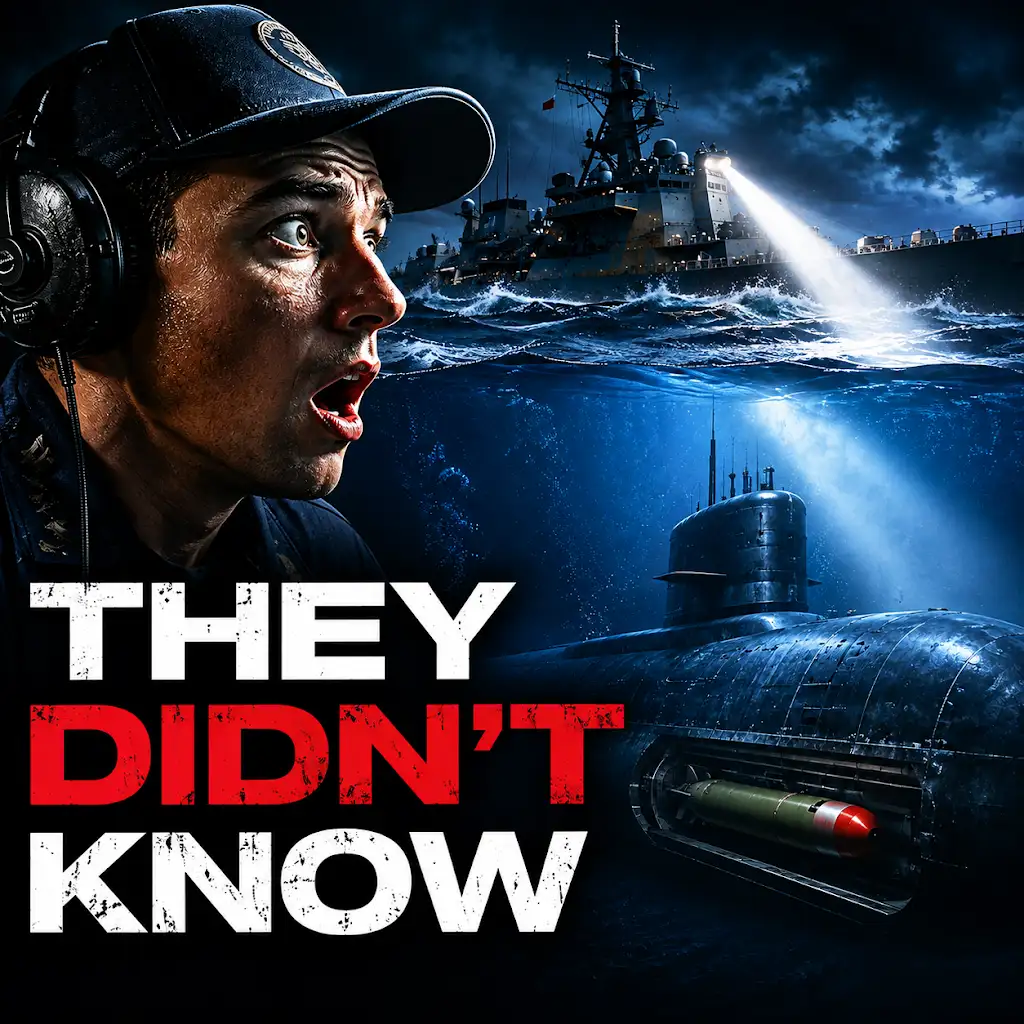
The U.S. Navy Didn’t Know This Submarine Had a Nuclear Torpedo
FAQs
What is the B-59 submarine?
The B-59 submarine was a Soviet submarine that was involved in the Cuban Missile Crisis in 1962. It was a Foxtrot-class submarine armed with nuclear torpedoes.
Why was the B-59 forced to surface?
The B-59 submarine was forced to surface during the Cuban Missile Crisis after being depth-charged by US Navy forces. The depth charges were intended to force the submarine to surface and identify itself.
What was the significance of the B-59 surfacing?
The surfacing of the B-59 submarine was a critical moment in the Cuban Missile Crisis, as it demonstrated the high tensions and potential for nuclear conflict between the United States and the Soviet Union.
How did the B-59 incident impact the Cuban Missile Crisis?
The surfacing of the B-59 submarine heightened the already tense situation of the Cuban Missile Crisis, bringing the world closer to the brink of nuclear war. It also led to increased communication and negotiation between the US and the Soviet Union to resolve the crisis.
What was the outcome of the B-59 incident?
The B-59 incident ultimately contributed to the resolution of the Cuban Missile Crisis, as it prompted both the US and the Soviet Union to engage in diplomatic negotiations and ultimately reach a peaceful resolution to the crisis.