
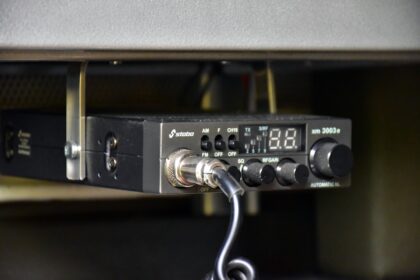
Unlocking the Potential of VLF Radio for Nuclear Communications
Very Low Frequency (VLF) radio waves, which range from 3 kHz to…

Seismic Sensing: Nuclear Detection Advancements
Seismic sensing, a technology rooted in the study of earth vibrations, has…

Detecting Overpressure in Nuclear Blasts
Overpressure is a critical phenomenon associated with nuclear explosions, characterized by a…
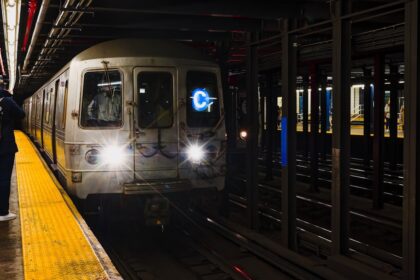
Monitoring Radiation from Nuclear Weapons
Radiation is energy that propagates through space in multiple forms, including alpha…

Securing Nuclear Facilities with Cryptography Authentication
Nuclear facilities, including power plants, research reactors, and waste management sites, constitute…

Protecting Nuclear Systems: EMP Hardening Strategies
Electromagnetic pulses (EMPs) are sudden bursts of electromagnetic radiation that can interfere…

The Two Person Rule: Ensuring Safety in Nuclear Weapons
The Two Person Rule is a critical safety protocol designed to enhance…
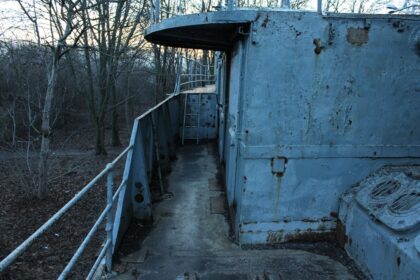
Duty Officer Nuclear Bunker: Ensuring Preparedness and Safety
The duty officer in a nuclear bunker maintains operational oversight and security…

Chernobyl’s Nuclear Command Systems: A Legacy of Disaster
Chernobyl's nuclear command systems were designed to ensure reactor safety and operational…

Norwegian Rocket Scare 1995: A Close Call
On January 25, 1995, at approximately 7:00 AM local time, Norway launched…