The embers of the recent conflict with Iran had barely begun to cool before a critical question loomed large over the United States: what is the state of its military readiness in the wake of this high-stakes engagement? The confrontation, though not escalating into a full-blown war, undeniably placed a significant strain on American forces, demanding rapid deployment, sustained operations, and substantial resource allocation. Now, as the immediate crisis recedes, the imperative to rigorously assess the impact of these demands on the U.S. military’s ability to confront future threats becomes paramount. This period of reflection is not merely an academic exercise; it is a strategic necessity for ensuring national security in an increasingly volatile global landscape. The lessons learned, the matériel expended, and the personnel fatigued all contribute to a complex picture that requires careful and comprehensive evaluation.
The Iran conflict, while avoiding large-scale ground invasions, still necessitated a substantial commitment of conventional military assets. Air power, naval presence, and the readiness of ground forces for potential escalation were all critical components. Understanding the precise toll these deployments have taken on the United States’ ability to project power and sustain operations in other theaters is a primary concern.
Air Superiority and Strike Power: Ammunition Expenditure and Aircraft Utilization
The skies over the Persian Gulf and surrounding regions were far from empty during the recent tensions. U.S. Air Force and Navy aircraft were engaged in constant surveillance, deterrence patrols, and the execution of limited strike missions. This sustained operational tempo undoubtedly led to a significant drain on the inventories of precision-guided munitions. Assessing the precise quantities of expended missiles, bombs, and other ordnance is a crucial first step. Beyond mere numbers, however, lies the question of the impact on the availability of specific weapon types that might be critical for future engagements. Furthermore, the prolonged flight hours and operational cycles for combat aircraft raise concerns about the increased need for maintenance, spare parts, and potential wear and tear on airframes. Understanding the degradation in aircraft readiness, the backlog of maintenance, and the projected timeline for replenishment of critical munition stocks are all vital components of this assessment.
Munitions Stockpiles: Quantifying Depletion and Replenishment Timelines
The rapid and sustained use of precision-guided munitions, particularly advanced air-to-ground missiles and smart bombs, during the Iran conflict directly impacted U.S. military stockpiles. Initial assessments indicate significant depletion rates, necessitating urgent replenishment efforts. The focus of this evaluation is not just on the raw numbers of expended rounds but on identifying specific types of munitions that are now in critically short supply. This includes understanding the production capacities of defense contractors for these items, the lead times for manufacturing and delivery, and the strategic implications of any prolonged shortages. The ability to rapidly surge production and replenish depleted stocks is a key indicator of long-term readiness.
Aircraft Readiness and Maintenance Backlogs: Assessing Operational Availability
The operational tempo experienced by U.S. Air Force and naval aviation units during the recent conflict placed a considerable strain on aircraft maintenance schedules and the availability of spare parts. Extended deployment cycles, coupled with the demands of combat operations, inevitably lead to increased wear and tear on airframes and engines. Assessing the current readiness rates of key aircraft platforms, identifying the extent of maintenance backlogs, and projecting the time and resources required to restore these assets to peak operational status are critical. This includes evaluating the availability of skilled maintenance personnel and the supply chain for critical components.
Naval Presence and Power Projection: Ship Availability and Operational Strain
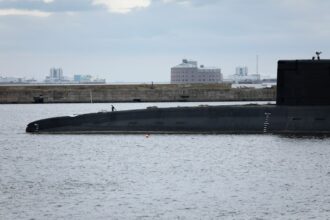
The U.S. Navy played a pivotal role in the Iran conflict, with aircraft carrier strike groups, amphibious assault ships, and various escort vessels operating in close proximity to the theater of operations. The sustained presence and operational tempo of these naval assets have raised questions about their current readiness and the impact on their long-term sustainability.
Carrier Strike Group Readiness: Sustained Operations and Crew Fatigue
Aircraft carrier strike groups (CSGs) are the cornerstone of U.S. naval power projection. During the Iran conflict, these powerful formations were deployed and operated at a high tempo, demanding continuous operational readiness. Assessing the readiness of these CSGs involves evaluating the operational status of each component, from the aircraft carrier itself to the escorting cruisers, destroyers, and submarines. The prolonged periods at sea, coupled with the demands of flight operations and potential combat scenarios, undoubtedly contributed to crew fatigue. Understanding the impact of this fatigue on crew performance, morale, and the potential for human error is a crucial, albeit often intangible, aspect of readiness. Furthermore, the strain on the availability of logistical support, such as underway replenishment ships and port facilities, also needs careful consideration.
Amphibious Assault Capabilities: Personnel and Equipment Readiness
While large-scale amphibious assaults were not a feature of the Iran conflict, the U.S. Marine Corps and naval components responsible for amphibious operations maintained a high state of readiness. The presence of amphibious assault ships and the training of embarked Marine expeditionary units were critical deterrents. However, assessing the readiness of these capabilities involves more than just the number of ships available. It requires an evaluation of the training cycles for both naval crews and Marine units, the availability and condition of specialized amphibious vehicles and landing craft, and the logistical support infrastructure required to sustain such operations. The potential for wear and tear on specialized equipment and the need for re-certification of personnel are also important considerations.
In the wake of the recent conflict with Iran, discussions surrounding U.S. military readiness have intensified, highlighting the need for strategic reassessments and resource allocations. A related article that delves into these critical issues can be found at In The War Room, where experts analyze the implications of the war on military preparedness and future defense strategies. This resource provides valuable insights into how the U.S. can enhance its operational capabilities in response to evolving global threats.
The Impact on Personnel Readiness and Human Capital
Beyond the hardware, the human element of military readiness is arguably the most critical. The Iran conflict placed significant psychological and physical demands on U.S. service members, and assessing the long-term consequences for personnel readiness is a complex undertaking.
Crew Fatigue and Mental Health: Operational Stress and Reintegration Challenges
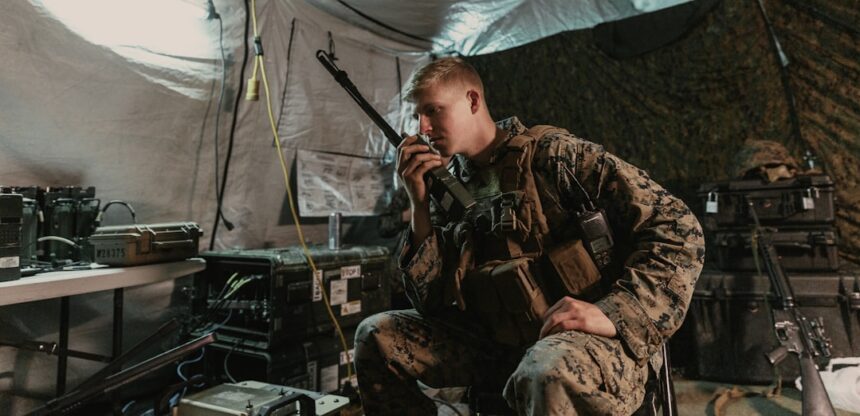
The sustained operational tempo and the inherent stress of operating in a high-threat environment have undoubtedly taken a toll on the mental and physical well-being of U.S. service members. This assessment must delve into the prevalence of crew fatigue, the psychological impact of prolonged deployments, and the challenges associated with reintegrating service members back into their home units and civilian lives. Understanding the effectiveness of existing mental health support systems and identifying areas for improvement are paramount. The readiness of the force is inextricably linked to the resilience and well-being of its members.
Psychological Strain and Post-Deployment Support: Identifying Gaps and Needs
The psychological strain of operating in close proximity to a hostile adversary, coupled with the constant threat of escalation, can have profound and lasting effects on service members. This assessment needs to examine the efficacy of pre-deployment psychological screening, in-theater mental health support, and post-deployment reintegration programs. Identifying any gaps in these support systems and understanding the long-term psychological needs of personnel who have experienced high-stress deployments are critical for maintaining a healthy and effective fighting force.
Training Regimen and Skill Attrition: Adapting to Evolving Threats
The nature of modern warfare demands continuous adaptation and skill development. The Iran conflict may have highlighted specific skill gaps or necessitated a deviation from established training protocols. Assessing the impact on the overall training regimen and identifying any attrition of critical skills is essential for ensuring that U.S. forces remain proficient in the face of evolving threats.
Special Operations Forces (SOF) Readiness: Sustained Operations and Unique Demands
U.S. Special Operations Forces (SOF) are often at the tip of the spear in complex and sensitive geopolitical situations. The Iran conflict likely involved clandestine operations, intelligence gathering, and rapid response capabilities from SOF units. Assessing their readiness involves understanding the sustained operational tempo, the wear and tear on specialized equipment, and the potential impact on the unique skillsets and highly trained personnel within these elite units. The continuous demand for SOF capabilities in various theaters can lead to burnout and the erosion of specialized expertise if not carefully managed and replenished.
Cyber Warfare and Electronic Warfare Capabilities: Assessing Deterioration and Enhancement Needs
The Iran conflict, like many modern confrontations, undoubtedly saw significant activity in the cyber and electronic warfare domains. While often unseen, these capabilities are crucial for intelligence gathering, disrupting enemy communications, and protecting friendly networks. Assessing the readiness of U.S. cyber and electronic warfare units involves evaluating their operational tempo, the effectiveness of their tools and techniques, and the ongoing need for investment and training to counter evolving threats from adversaries. The rapid pace of technological advancement in these fields means that even short periods of reduced focus can lead to a significant decline in relative capability.
Strategic Stockpiles and Logistics: The Supply Chain’s Resilience

The ability to sustain military operations, especially over extended periods and in distant theaters, is fundamentally dependent on robust supply chains and adequate strategic stockpiles. The Iran conflict put these systems to the test, and assessing their resilience is a critical component of post-conflict readiness evaluation.
Ammunition and Equipment Depletion: Beyond the Battlefield
The visible expenditure of ammunition and the operational strain on major weapon systems are only part of the story. The Iran conflict also likely led to significant depletion of spare parts, logistical support equipment, and even less glamorous but equally vital consumables. A comprehensive assessment must extend beyond frontline weaponry to encompass the entire logistical pipeline.
Spare Parts and Consumables: Assessing Availability and Production Bottlenecks
The operational tempo of the Iran conflict undoubtedly placed a heavy demand on the supply of spare parts for aircraft, vehicles, naval vessels, and other critical equipment. Beyond immediate battlefield needs, the sustained operations also consumed vast quantities of lubricants, fuel, and other essential consumables. Assessing the availability of these items, identifying any production bottlenecks that may have been exacerbated by the conflict, and understanding the lead times for replenishment are crucial for ensuring that future operations are not hampered by logistical shortfalls.
Strategic Reserve Assessment: Identifying Gaps in Critical Materiel
The concept of strategic reserves is designed to buffer against unforeseen demands and prolonged conflicts. The Iran conflict, while not a full-scale war, may have significantly drawn down these reserves of critical materiel. This assessment needs to meticulously evaluate the current state of U.S. strategic stockpiles, identifying any gaps in critical ammunition types, specialized equipment, or essential resources. Furthermore, it is important to consider the rate at which these reserves are being replenished and the long-term sustainability of their maintenance.
Industrial Base Capacity: The Engine of Replenishment
The ability of the U.S. defense industrial base to rapidly replenish expended matériel is a cornerstone of long-term military readiness. The Iran conflict serves as a stress test for this capacity, and its performance will dictate the speed at which the U.S. military can recover from the demands placed upon it.
Defense Contractor Responsiveness: Production Surges and Lead Times
The speed and efficiency with which defense contractors can ramp up production to meet increased demand are critical indicators of industrial base health. This assessment needs to examine the responsiveness of key manufacturers to the demands generated by the Iran conflict, paying close attention to any production delays, supply chain disruptions, or limitations in skilled labor that may have been encountered. The ability to shorten lead times for critical components and munitions is a vital aspect of national security.
Modernization Programs and Investment Priorities: Balancing Current Needs with Future Threats
The demands of the Iran conflict may have necessitated diverting resources from ongoing modernization programs or re-prioritizing investment in specific areas. Assessing the impact on the long-term modernization roadmap and identifying any critical investments that may have been deferred or accelerated due to the conflict is crucial. A balance must be struck between addressing immediate readiness concerns and ensuring that the U.S. military remains technologically superior in the future.
The Geopolitical Landscape and Future Threat Assessment
The Iran conflict did not occur in a vacuum. It was a manifestation of complex geopolitical dynamics, and the lessons learned from this engagement must be viewed through the lens of the evolving global threat landscape.
Evolving Adversaries and Their Capabilities: Adapting to New Challenges
The capabilities and strategies of potential adversaries are in constant flux. The Iran conflict may have offered new insights into the evolving military doctrines, technological advancements, and strategic intentions of nations like Iran and its proxies. This assessment must incorporate these observations into a broader evaluation of future threats.
Lessons from Hybrid Warfare: Asymmetric Threats and Irregular Warfare
The Iran conflict, like many contemporary conflicts, likely involved elements of hybrid warfare, blurring the lines between conventional and unconventional tactics. This includes the use of proxy forces, cyberattacks, disinformation campaigns, and economic coercion. Assessing U.S. military readiness in this context requires evaluating the effectiveness of its strategies and capabilities in countering asymmetric threats and irregular warfare, which often bypass traditional military strengths.
Emerging Technologies and Their Impact: AI, Drones, and Hypersonics
The rapid proliferation of emerging technologies such as artificial intelligence, advanced drone systems, and hypersonic missiles poses new and significant challenges to military readiness. The Iran conflict may have provided early indicators of how these technologies are being employed by adversaries or how they could impact future engagements. A critical assessment must consider the U.S. military’s ability to counter these emerging threats, as well as its own capacity to develop and integrate these technologies effectively.
Alliance Commitments and Interoperability: The Strength of Partnerships
In an increasingly interconnected world, the ability of the U.S. military to operate effectively with its allies is paramount. The Iran conflict may have highlighted the strengths and weaknesses of existing alliances and the need for enhanced interoperability between U.S. forces and those of its partners.
Joint Operations and Interoperability Challenges: Enhancing Multinational Capabilities
The complexities of operating in a coalition environment are significant. The Iran conflict may have revealed areas where interoperability between U.S. forces and those of its allies needs improvement, whether in terms of communication systems, command and control structures, or standardized procedures. Assessing the effectiveness of joint operations and identifying any challenges in achieving seamless multinational capabilities is crucial for collective security.
Maintaining Global Commitments: Balancing Regional Engagements
The United States maintains a global military presence and numerous alliance commitments. The demands placed on U.S. forces during the Iran conflict may have strained the military’s capacity to fulfill all of these commitments simultaneously. Assessing the ability to balance regional engagements and maintain a credible presence across multiple theaters of operation is a critical aspect of overall readiness.
In the wake of the recent conflict with Iran, discussions surrounding US military readiness have intensified, highlighting the need for strategic evaluations and adjustments. A related article delves into the implications of this war on military preparedness and offers insights into future defense strategies. For a comprehensive analysis, you can read more about it in this detailed report, which examines the challenges and opportunities that lie ahead for the US armed forces.
The Path Forward: Recommendations for Enhanced Readiness
| Metrics | Readiness Level |
|---|---|
| Personnel | High |
| Equipment | Moderate |
| Training | High |
| Morale | Stable |
The comprehensive assessment of U.S. military readiness post-Iran conflict would be incomplete without concrete recommendations for improvement. This section should outline actionable steps to address identified deficiencies and strengthen the nation’s defense posture.
Strategic Investments and Modernization Priorities: Future-Proofing the Force
Based on the assessment of hardware, personnel, and logistical capabilities, this section should propose targeted strategic investments. This includes prioritizing the replenishment of critical munitions, accelerating the acquisition of advanced weaponry, and investing in the modernization of aging platforms. Furthermore, it should address the need for continued investment in research and development to maintain a technological edge.
Munitions Replenishment and Industrial Mobilization Strategies
Developing robust strategies for the rapid and efficient replenishment of expended munitions is essential. This includes exploring options for increasing production capacity, establishing more resilient supply chains, and potentially pre-positioning critical munitions in strategic locations. Furthermore, the establishment of clear industrial mobilization plans will ensure that the defense industrial base can respond effectively to future crises.
Next-Generation Platforms and Technologies: Staying Ahead of the Curve
The assessment should identify the next-generation platforms and technologies that are critical for maintaining U.S. military superiority. This includes continued investment in areas such as artificial intelligence, hypersonic weapons, advanced cyber capabilities, and space-based assets. The goal is to ensure that the U.S. military is equipped to face the threats of the future, not just those of the past.
Personnel Development and Welfare: Investing in the Human Element
Recognizing the indispensable role of its service members, this section should propose measures to enhance personnel readiness and well-being. This includes expanding mental health support services, refining training programs to address evolving threats, and investing in initiatives that promote physical and psychological resilience.
Enhanced Training and Simulation Programs: Preparing for Diverse Scenarios
The assessment should advocate for the enhancement of training and simulation programs to better prepare service members for the diverse and complex scenarios they may encounter. This includes incorporating lessons learned from the Iran conflict into training curricula, utilizing advanced simulation technologies to replicate real-world conditions, and fostering a culture of continuous learning and adaptation.
Crew Sustainment and Talent Management: Retaining Expertise and Mitigating Burnout
Addressing crew fatigue and ensuring the long-term well-being of service members is critical. This section should propose strategies for improving crew sustainment, such as optimized deployment schedules, enhanced rest and recuperation opportunities, and robust talent management programs designed to retain experienced personnel and mitigate burnout. Investing in the welfare and professional development of service members is an investment in the long-term readiness of the U.S. military.
Strengthening Alliances and International Cooperation: A United Front
In an increasingly complex global security environment, robust alliances are essential. This section should propose strategies for strengthening partnerships, enhancing interoperability, and fostering greater cooperation with allies to address shared threats.
Joint Exercise Development and Interoperability Enhancements
The assessment should call for an increase in the frequency and complexity of joint exercises with allies, designed to enhance interoperability and test combined operational capabilities. This includes standardizing procedures, investing in compatible communication and command systems, and fostering a deeper understanding of each partner’s strengths and limitations.
Strategic Dialogues and Burden Sharing: A Collaborative Approach to Security
Engaging in regular strategic dialogues with allies to share intelligence, assess threats, and coordinate responses is crucial. This section should emphasize the importance of burden-sharing, ensuring that allies contribute equitably to collective security efforts and that the U.S. military is not unduly strained by regional security responsibilities.
The post-Iran conflict period presents a critical juncture for the United States military. A thorough and honest assessment of its readiness is not an indictment of past performance but a vital prerequisite for future success. By meticulously evaluating the impact on conventional capabilities, personnel, logistical chains, and the broader geopolitical landscape, the U.S. can identify areas of strength and weakness, and chart a course towards a more resilient, adaptable, and ultimately, more secure future. The lessons learned from this recent engagement must translate into concrete actions and strategic investments that ensure the U.S. military remains the most capable fighting force in the world, ready to confront the challenges of an ever-changing global security environment.
What Happens If China Moves Before America Rearms?
FAQs
What is the current state of US military readiness after the Iran war?
The current state of US military readiness after the Iran war is being closely monitored and evaluated by military officials. The conflict with Iran has prompted a re-assessment of military capabilities and preparedness.
How has the Iran war impacted US military readiness?
The Iran war has prompted a re-evaluation of US military readiness, with a focus on potential threats and areas for improvement. The conflict has highlighted the importance of maintaining a high level of readiness and preparedness.
What measures are being taken to enhance US military readiness post-Iran war?
In response to the Iran war, measures are being taken to enhance US military readiness, including increased training exercises, equipment upgrades, and strategic planning to address potential future conflicts.
What are the key areas of focus for improving US military readiness?
Key areas of focus for improving US military readiness include modernizing equipment and technology, enhancing training and preparedness for various types of conflicts, and strengthening alliances with other countries.
What is the outlook for US military readiness in the near future?
The outlook for US military readiness in the near future is focused on continued assessment and improvement, with a commitment to maintaining a high level of readiness to address potential threats and conflicts.