The behavior of Soviet missile seekers has long been a subject of intrigue and analysis within military and defense circles. These seekers, integral components of missile systems, are designed to detect, track, and engage targets with precision. Understanding their behavior is crucial for comprehending the broader implications of Soviet military strategy during the Cold War and beyond.
The sophistication of these systems reflects the technological advancements of the Soviet Union, as well as the strategic imperatives that drove their development. As military analysts delve into the intricacies of missile seeker behavior, they uncover not only the technical capabilities but also the underlying philosophies that shaped Soviet military doctrine. Soviet missile seekers were engineered to operate in a variety of environments and against diverse threats.
Their behavior is influenced by numerous factors, including the type of guidance system employed, the operational context, and the countermeasures deployed by adversaries. By examining these elements, one can gain insights into how Soviet missile seekers functioned in real-world scenarios and how they adapted to evolving military challenges. This article aims to explore the historical context, types, performance, and future trends of Soviet missile seekers, ultimately shedding light on their significance in international security dynamics.
Learn about the fascinating story of a Soviet radar engineer espionage Cold War operation that changed history.
Key Takeaways
- Soviet missile seekers evolved through distinct historical phases, reflecting technological and strategic priorities.
- Various types of seekers, including infrared and radar-guided, served specific tactical functions.
- Environmental factors like weather and countermeasures significantly influenced seeker performance.
- Soviet missile seeker technology faced challenges such as limited accuracy and susceptibility to jamming.
- Understanding Soviet seeker behavior is crucial for shaping military strategy and international security policies.
Historical Context of Soviet Missile Seeker Development
The development of Soviet missile seekers can be traced back to the early years of the Cold War when the arms race between the United States and the Soviet Union intensified. The need for effective missile systems became paramount as both superpowers sought to establish dominance in nuclear deterrence and conventional warfare. The Soviet Union invested heavily in research and development, leading to significant advancements in missile technology, including seeker systems.
These developments were not merely technical achievements; they were also reflections of the geopolitical landscape that demanded innovative solutions to emerging threats. Throughout the 1950s and 1960s, Soviet engineers faced numerous challenges in creating reliable missile seekers capable of engaging fast-moving aerial targets. The introduction of radar-guided and infrared-guided systems marked a turning point in missile technology.
The Soviet Union’s focus on developing robust seeker systems was driven by its strategic doctrine, which emphasized rapid response capabilities and the ability to counter Western military advancements. As a result, the evolution of missile seekers became intertwined with broader military strategies, shaping the trajectory of Soviet defense initiatives.
Types of Soviet Missile Seekers and Their Functions
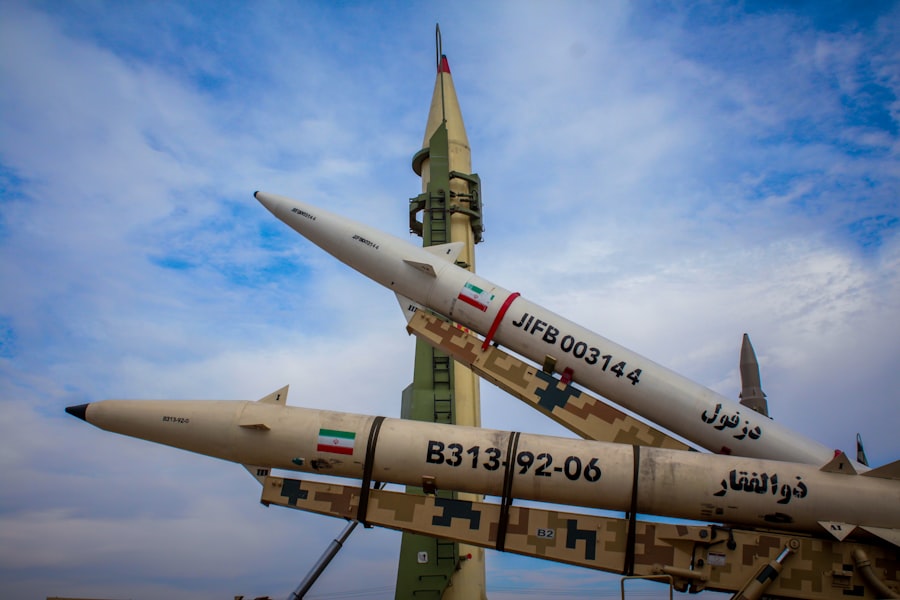
Soviet missile seekers can be categorized into several types based on their guidance mechanisms and operational functions. Among these, radar-guided seekers were prominent, utilizing active or semi-active radar to lock onto targets. These systems were particularly effective against high-speed aircraft and missiles, allowing for precise targeting even in challenging conditions.
The development of radar seekers showcased the Soviet Union’s commitment to harnessing advanced technology for military applications, reflecting a deep understanding of aerial combat dynamics. In addition to radar-guided systems, infrared seekers played a crucial role in Soviet missile technology. These seekers relied on heat signatures emitted by targets, making them effective against various aerial threats, including aircraft and missiles.
The versatility of infrared seekers allowed for engagement in diverse environments, from arctic conditions to urban landscapes. Furthermore, the integration of multiple seeker types into a single missile system enhanced overall effectiveness, enabling Soviet forces to adapt to different combat scenarios seamlessly.
Factors Affecting Soviet Missile Seeker Behavior
Several factors influenced the behavior of Soviet missile seekers, shaping their performance and effectiveness in various operational contexts. One significant factor was environmental conditions, which could impact sensor performance and target acquisition capabilities. For instance, adverse weather conditions such as rain, fog, or snow could hinder radar performance, necessitating adaptations in seeker algorithms to maintain effectiveness.
Understanding these environmental influences was critical for ensuring that missile systems could operate reliably under diverse circumstances. Another key factor affecting seeker behavior was the presence of countermeasures employed by adversaries. As Western military forces developed sophisticated electronic warfare capabilities and decoys, Soviet missile seekers had to evolve to counter these threats effectively.
This led to ongoing research and development efforts aimed at enhancing seeker resilience against jamming and other countermeasures. The interplay between adversarial tactics and seeker technology created a dynamic environment where continuous innovation was essential for maintaining a competitive edge.
Analysis of Soviet Missile Seeker Performance in Different Environments
| Metric | Description | Value / Range | Unit | Notes |
|---|---|---|---|---|
| Seeker Type | Type of guidance system used in missile seeker | Infrared (IR), Radar, Semi-active Radar | N/A | Common seeker types in Soviet missiles |
| Detection Range | Maximum distance at which seeker can detect target | 5 – 20 | km | Varies by seeker and target signature |
| Tracking Accuracy | Angular error in target tracking | 0.1 – 0.5 | degrees | Lower values indicate better accuracy |
| Response Time | Time taken for seeker to adjust to target maneuvers | 0.05 – 0.2 | seconds | Critical for engaging fast-moving targets |
| Jamming Resistance | Ability to resist electronic countermeasures | Medium to High | N/A | Depends on seeker design and ECCM features |
| Field of View | Angular coverage of seeker sensor | 20 – 60 | degrees | Wider FOV allows better target acquisition |
| Seeker Cooling Method | Method used to cool IR seeker sensors | Cryogenic, Stirling Cooler | N/A | Cooling improves IR sensitivity |
| Target Discrimination | Ability to distinguish target from decoys | High | N/A | Important for countering flares and chaff |
The performance of Soviet missile seekers varied significantly across different environments, highlighting their adaptability and limitations. In open-air engagements, radar-guided seekers demonstrated remarkable effectiveness against high-speed targets, capitalizing on their ability to track and engage multiple threats simultaneously. However, in cluttered environments such as urban areas or mountainous terrains, the performance of these seekers could be compromised due to interference from buildings or natural obstacles.
This necessitated a nuanced understanding of operational contexts when deploying missile systems. Conversely, infrared seekers excelled in environments where heat signatures were prominent. Their ability to detect targets based on thermal emissions made them particularly effective during nighttime operations or in scenarios where visual identification was challenging.
However, factors such as temperature variations and background noise could impact their performance. Analyzing these environmental influences provided valuable insights into how Soviet forces could optimize missile deployment strategies based on specific operational conditions.
Comparison of Soviet Missile Seekers with Other Global Powers
When comparing Soviet missile seekers with those developed by other global powers, distinct differences emerge in design philosophy and technological approaches. For instance, while Western nations often emphasized modularity and interoperability in their missile systems, Soviet designs tended to prioritize robustness and reliability under extreme conditions. This divergence reflected broader strategic priorities; the Soviet Union’s focus on rapid response capabilities often led to designs that could withstand harsh environments without compromising performance.
Moreover, advancements in seeker technology varied across nations due to differing research priorities and funding levels. While Western powers invested heavily in miniaturization and advanced materials for seeker systems, the Soviet Union concentrated on maximizing performance through innovative algorithms and signal processing techniques. This resulted in unique strengths and weaknesses for each approach, influencing how missile systems were deployed in various theaters of conflict.
Impact of Soviet Missile Seeker Behavior on Military Strategy
The behavior of Soviet missile seekers had profound implications for military strategy during the Cold War era. Their ability to engage targets with precision allowed Soviet forces to develop doctrines centered around rapid response and deterrence. The integration of advanced seeker technology into missile systems enabled the Soviet Union to project power effectively across vast distances, challenging Western military assumptions about air superiority and deterrence strategies.
Furthermore, the adaptability of Soviet missile seekers influenced operational planning at both strategic and tactical levels. Commanders could leverage these systems to counter perceived threats from NATO forces while simultaneously deterring potential adversaries through credible strike capabilities. The interplay between seeker behavior and military strategy underscored the importance of technological innovation in shaping geopolitical dynamics during this tumultuous period.
Challenges and Limitations of Soviet Missile Seeker Technology
Despite their advancements, Soviet missile seekers faced several challenges and limitations that impacted their overall effectiveness. One significant challenge was the complexity of integrating multiple sensor types into a single system while maintaining reliability and performance standards.
Additionally, limitations in processing power and data fusion capabilities constrained the ability of some Soviet missile seekers to operate effectively in highly contested environments. As adversaries developed more sophisticated countermeasures and electronic warfare tactics, the need for continuous innovation became paramount. These challenges highlighted the necessity for ongoing research and development efforts within the Soviet defense establishment to keep pace with evolving threats.
Future Trends in Soviet Missile Seeker Development
Looking ahead, future trends in Soviet missile seeker development are likely to be shaped by advancements in artificial intelligence (AI) and machine learning technologies. The integration of AI could enhance target recognition capabilities, allowing seekers to adapt dynamically to changing battlefield conditions while improving overall accuracy. Furthermore, developments in sensor fusion techniques may enable more effective data integration from multiple sources, enhancing situational awareness for operators.
Additionally, as geopolitical tensions continue to evolve, there may be an increased emphasis on developing multi-role missile systems capable of engaging a wider array of targets across diverse environments. This trend could lead to innovations in seeker design that prioritize versatility without sacrificing performance or reliability. By anticipating these future trends, military strategists can better prepare for potential shifts in global security dynamics.
Implications of Soviet Missile Seeker Behavior for International Security
The behavior of Soviet missile seekers carries significant implications for international security dynamics today. As nations continue to modernize their military capabilities, understanding historical developments in seeker technology can inform contemporary defense strategies. The lessons learned from past experiences with Soviet missile seekers can guide policymakers in addressing emerging threats posed by advanced missile systems globally.
Moreover, as new technologies emerge that blur traditional boundaries between state and non-state actors in warfare, comprehending how seeker behavior influences military strategy becomes increasingly vital. Nations must remain vigilant against potential adversaries leveraging advanced seeker technologies while simultaneously investing in countermeasures that can mitigate risks associated with evolving threats.
Conclusion and Recommendations for Understanding and Responding to Soviet Missile Seeker Behavior
In conclusion, understanding Soviet missile seeker behavior is essential for comprehending broader military strategies employed during the Cold War era and their lasting impact on contemporary security dynamics. By analyzing historical developments alongside current trends in technology, military analysts can gain valuable insights into how these systems functioned under various conditions while informing future defense initiatives. To effectively respond to challenges posed by advanced missile systems globally, nations should prioritize investment in research and development aimed at enhancing counter-seeker technologies while fostering international cooperation on arms control measures that address emerging threats posed by sophisticated missile capabilities.
By adopting a proactive approach rooted in historical understanding combined with forward-looking strategies focused on innovation and collaboration among allies, nations can navigate an increasingly complex security landscape shaped by evolving technologies like those seen within Soviet missile seeker programs throughout history.
In the study of Soviet missile seeker behavior analysis, understanding the intricacies of guidance systems is crucial. A related article that delves into the technical aspects and historical context of these systems can be found at this link. This resource provides valuable insights that complement the analysis of missile seeker behavior, offering a broader perspective on the evolution of missile technology during the Cold War era.
WATCH THIS! 🕵️ HE CHOSE BETRAYAL—And His Wife Paid the Price | The Billion Dollar Spy
FAQs
What is a missile seeker in the context of Soviet missile technology?
A missile seeker is a guidance system component that detects and tracks targets, enabling the missile to home in on them. In Soviet missile technology, seekers were designed to operate using various methods such as radar, infrared, or optical tracking.
What types of seekers were commonly used in Soviet missiles?
Soviet missiles commonly used radar seekers, infrared seekers, and semi-active radar homing seekers. Each type had specific applications depending on the missile’s intended target and operational environment.
Why is analyzing Soviet missile seeker behavior important?
Analyzing Soviet missile seeker behavior helps in understanding their guidance capabilities, countermeasure vulnerabilities, and overall effectiveness. This knowledge is crucial for developing defensive measures and improving missile technology.
How do Soviet missile seekers detect and track targets?
Soviet missile seekers detect targets by emitting signals (such as radar waves) or sensing emissions (like infrared radiation) from the target. The seeker processes this information to maintain a lock on the target and guide the missile accordingly.
What challenges did Soviet missile seekers face during operation?
Challenges included electronic countermeasures from adversaries, environmental factors like weather and terrain, and limitations in sensor sensitivity and processing speed, which could affect target acquisition and tracking accuracy.
How did Soviet missile seekers respond to electronic countermeasures?
Soviet missile seekers incorporated features such as frequency agility, signal processing algorithms, and backup guidance modes to resist jamming and deception techniques used by opposing forces.
What role does seeker behavior analysis play in missile defense?
Understanding seeker behavior allows defense systems to predict missile targeting patterns, develop effective countermeasures, and improve interception strategies to neutralize incoming threats.
Are there differences between Soviet missile seekers and those of other countries?
Yes, Soviet missile seekers often had distinct design philosophies, technological approaches, and operational tactics compared to Western counterparts, influenced by differing military doctrines and technological capabilities.
Can knowledge of Soviet missile seeker behavior be applied to modern missile technology?
Yes, studying Soviet seeker behavior provides historical insights that can inform the development of modern seekers, improve countermeasure techniques, and enhance overall missile system performance.
Where can one find detailed technical information about Soviet missile seekers?
Detailed information can be found in declassified military documents, defense analysis reports, academic research papers, and specialized publications on missile technology and Cold War-era weapon systems.