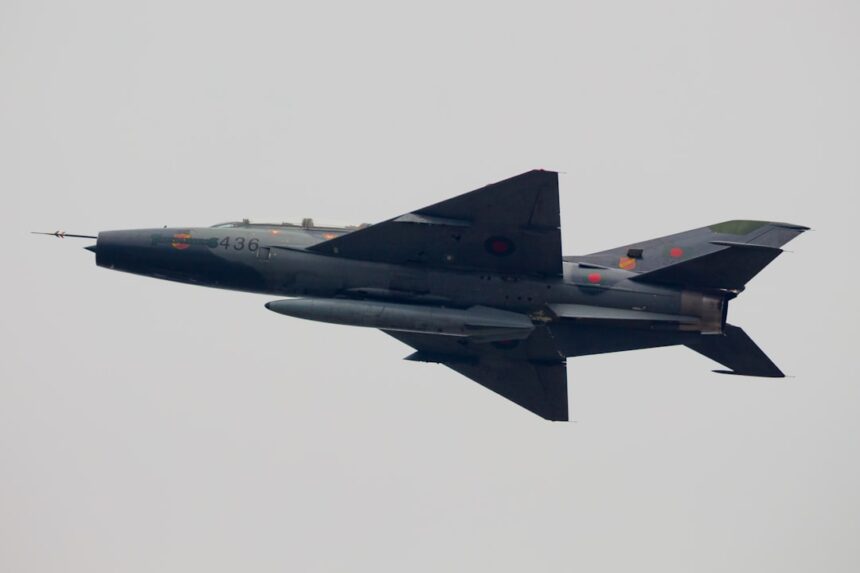
The history of aerial warfare is replete with examples of technological advancement and strategic ambition. However, the pursuit of air superiority and the effective projection of power through aviation have also been marred by significant missteps. Analyzing Precision Air Power Strategic Failures offers a critical examination of instances where intended successes in air campaigns faltered, leading to suboptimal outcomes and, in some cases, outright reversals of strategic objectives. This analysis is not an exercise in historical condemnation but a necessary undertaking to extract lessons learned, refine doctrine, and prevent the repetition of costly errors.
A recurring theme in the history of air power is the belief that technological superiority alone guarantees victory. While advanced aircraft, sophisticated weaponry, and superior targeting systems are undoubtedly crucial, their mere existence does not negate the importance of strategic planning, operational execution, and an understanding of the adversary’s capabilities and adaptability.
Over-reliance on “Magic Bullets”
Many perceived strategic failures stem from an overconfidence in specific technologies or doctrines, leading to a “magic bullet” mentality. The expectation that a particular weapon system or bombing strategy would decisively cripple an enemy, without accounting for countermeasures or the enemy’s resilience, has often proven to be a fundamental miscalculation.
Case Study: The Vietnam War and Rolling Thunder
Operation Rolling Thunder, the sustained bombing campaign against North Vietnam from 1965 to 1968, exemplifies this fallacy. Despite the overwhelming technological advantage of the United States Air Force and Navy, the campaign failed to achieve its primary objectives: to compel North Vietnam to negotiate an end to the conflict and to halt the flow of men and materiel into South Vietnam.
Underestimation of Adversary Resilience and Determination
The strategists behind Rolling Thunder underestimated the resolve of the North Vietnamese, their willingness to absorb significant damage, and their ability to adapt and improvise. They viewed the conflict through a lens of industrial warfare, expecting that the destruction of infrastructure would cripple the enemy’s ability to wage war. They failed to fully grasp the decentralized nature of the North Vietnamese war effort, its reliance on external support, and the strong ideological motivation driving its population.
Operational Constraints and Political Interference
The campaign was also hampered by significant operational constraints imposed by political leadership in Washington. Strict rules of engagement, designed to avoid provoking Soviet or Chinese intervention, often prevented strikes on strategically important targets, such as airfields, transportation hubs, and industrial centers, when they were most vulnerable. This piecemeal approach diluted the impact of the bombing and allowed North Vietnam to rebuild and adapt its infrastructure.
The Temptation of Air Interdiction in Ground Conflicts
The belief that air power can decisively sever an enemy’s supply lines and isolate their ground forces has, at times, led to an overemphasis on interdiction campaigns. While air interdiction can be a valuable component of a broader strategy, its effectiveness is often overestimated, particularly in environments where the adversary can adapt and substitute alternative methods of supply and support.
The Kuruksheta War (1965) and Indecisive Air Battles
During the 1965 Indo-Pakistani War, while air power played a role, neither side achieved decisive air superiority that significantly impacted the ground war. While Pakistan’s air force achieved some early successes against the Indian Air Force, the latter was able to regroup and contest air superiority. The air interdiction efforts on both sides, while causing some disruption, did not prove to be a war-winning factor. The ground war remained largely indecisive, suggesting that air power alone was insufficient to achieve strategic objectives.
The Afghan War (2001-2021) and the Limits of Air Power
In Afghanistan, precision air power was extensively utilized to target Taliban and Al-Qaeda fighters, supply routes, and infrastructure. While it inflicted significant casualties and disrupted enemy movements, it ultimately failed to achieve the broader strategic objectives of eradicating the insurgency and establishing a stable, self-sufficient Afghan government. The insurgency proved resilient, adaptable, and deeply entrenched within the Afghan populace and its complex political and tribal landscape.
In the realm of military strategy, the analysis of precision air power has become increasingly critical, particularly in understanding its strategic failures. A related article that delves into this topic can be found on In The War Room, which discusses the implications of air power in modern warfare and the lessons learned from past conflicts. For further insights, you can read the article here: In The War Room.
Misaligned Strategic Objectives and Tactical Execution
A critical failure point in air power application lies in the disconnect between overarching strategic goals and the specific tactical objectives set for aerial operations. When these two levels are not harmoniously aligned, even brilliantly executed tactical maneuvers can prove militarily sterile or even counterproductive.
The “Mission Creep” Phenomenon
Frequently, air power campaigns evolve from clearly defined initial objectives into broader, more ambitious, and often ill-defined goals. This “mission creep” can dilute resources, obscure priorities, and ultimately lead to strategic paralysis as the forces struggle to achieve an ever-expanding set of aims.
Case Study: The Falklands War (1982) – A Nuance of Success, Not a Failure of Air Power Itself
While the Falklands War is often cited as a success story for British air power, a closer examination reveals instances where initial objectives could have been achieved more efficiently with clearer tactical focus. The vulnerability of key Argentine air bases, such as Port Stanley, presented an early opportunity. However, the initial perceived limitations on striking these bases—due to perceived political sensitivities at the outset—allowed Argentine air assets to operate with some freedom. Once the rules of engagement were adjusted and the air bases were targeted, the balance shifted decisively. This highlights how initial strategic hesitation, rather than a failure of the air power tools themselves, can impact the speed and decisiveness of an outcome.
Targeting Priorities and Escalation
The initial hesitation to conduct deep interdiction strikes against Argentine mainland bases represented a strategic caution. However, the continued threat posed by Argentine aircraft operating from these bases necessitated a shift in tactical priorities, demonstrating the dynamic interplay between strategic intent and operational necessity. The success of the British air campaign was ultimately achieved by adapting its tactical execution to neutralize direct threats, rather than solely focusing on broader strategic disruption in the initial phase.
The Tyranny of Distance and Logistics
The projection of air power, particularly in protracted conflicts, is heavily reliant on robust logistical chains and forward operating bases. Failure to adequately consider the challenges of maintaining dispersed air assets and supplying them with fuel, ordnance, and maintenance personnel can cripple even the most technologically advanced air forces.
Case Study: Operation Eagle Claw (1980) – A Catastrophic Failure of Joint Planning and Execution
Operation Eagle Claw, the failed US attempt to rescue American hostages in Iran, was a stark example of the catastrophic consequences of inadequate logistical planning and a lack of integrated joint operations. The reliance on a complex, multi-stage operation involving fixed-wing aircraft for transport and helicopters for the actual rescue mission was fatally undermined by logistical shortcomings and unforeseen environmental factors.
Inadequate Preparation for Desert Conditions
The helicopters, a critical component of the operation, suffered mechanical failures attributed, in part, to inadequate preparation for the harsh desert environment, including dust and sand. The lack of readily available spare parts and skilled maintenance personnel at the remote staging point exacerbated these issues.
Ambitious Timeline and Underestimated Risks
The operation was built on an ambitious timeline with little margin for error. The failure to account for the potential for unforeseen delays, such as an unexpected sandstorm encountered by the transport aircraft, cascaded into a complete mission abort. This highlights a failure in risk assessment and contingency planning, particularly concerning logistical support under challenging conditions.
The Underestimation of Adversary Air Defenses

A consistent theme in the history of air power failures is the underestimation of an adversary’s air defense capabilities, their willingness to invest in and evolve these systems, and their ability to integrate them into a cohesive defensive network.
The Evolution of Surface-to-Air Missiles (SAMs)
The advent and proliferation of advanced Surface-to-Air Missile (SAM) systems have presented a significant challenge to air superiority. Ignoring or underestimating the threat posed by these systems has led to severe losses for attacking air forces.
Case Study: The Yom Kippur War (1973) – The Dawn of SAM Dominance
The 1973 Yom Kippur War marked a watershed moment in the effectiveness of Soviet-supplied SAMs against modern air forces. The Egyptian and Syrian air defense networks, consisting of SA-2, SA-3, SA-6, and SA-7 systems, inflicted heavy losses on the Israeli Air Force (IAF), which had enjoyed relative air dominance in previous conflicts.
Tactical Surprise and Integration
The integrated nature of the Arab air defense networks, designed by Soviet advisors, presented a formidable challenge. The SAMs were often deployed in mobile configurations, making them difficult to locate and destroy, and were supported by integrated radar systems and anti-aircraft artillery. This comprehensive approach caught the IAF by surprise, as they had become accustomed to facing less sophisticated and less integrated air defense environments.
IAF’s Adaptation and its Lessons
While the IAF ultimately adapted by developing new tactics, including the use of drones for reconnaissance and SEAD (Suppression of Enemy Air Defenses) missions, and by employing new electronic warfare techniques, the initial phase of the war demonstrated the devastating impact of underestimating advanced SAMs. This experience profoundly influenced air combat doctrines and the development of specialized SEAD capabilities.
The Challenge of Camouflage, Deception, and Mobility
Adversaries have consistently employed strategies of camouflage, deception, and mobility to protect their air defense assets and make them difficult targets for aerial attack.
Case Study: The Syrian Air Defense Network in the Lebanese Civil War and Beyond
Throughout various phases of the Lebanese Civil War and subsequent regional conflicts, the Syrian air defense network, heavily reliant on Soviet-era SAMs, demonstrated a remarkable ability to adapt and evade destruction. Syrian forces often employed mobile SAM launchers, dispersed their assets, and utilized sophisticated deception tactics to mask their true locations and capabilities.
The “Shoot and Scoot” Tactic
The “shoot and scoot” tactic, where SAM launchers would fire and then quickly relocate to avoid counterattacks, proved highly effective. This made it incredibly difficult for attacking aircraft to achieve a sustained suppression of enemy air defenses (SEAD) effort, as the targets of opportunity would disappear before effective countermeasures could be deployed.
Deception and Evasive Maneuvers
Beyond mobility, the Syrians also utilized dummy radar installations and other deception measures to mislead attacking forces and waste their ordnance. The constant evolution and adaptation of these tactics meant that air superiority was rarely fully achieved in areas defended by the Syrian network, forcing attacking forces to operate with a heightened degree of risk and caution.
The Neglect of Human Factors and Cognitive Biases

Beyond technological and operational considerations, strategic failures in air power can also be deeply rooted in the human element. Cognitive biases, flawed decision-making processes, and a failure to appreciate the psychological dimensions of conflict can undermine even the best-laid plans.
Confirmation Bias and the Echo Chamber Effect
Decision-makers in planning air campaigns can fall victim to confirmation bias, actively seeking out information that supports their pre-existing beliefs and dismissing contradictory evidence. This creates an “echo chamber” where dissenting opinions are marginalized, leading to flawed strategic assessments.
Case Study: The Initial Planning of the Invasion of Iraq (2003)
While the primary reasons for the lack of success in achieving long-term stability in Iraq are multifaceted, some analyses suggest elements of confirmation bias in the initial planning stages regarding the anticipated ease of post-invasion pacification and the availability of weapons of mass destruction. The pre-war intelligence, interpreted through a lens of what policymakers wanted to believe, contributed to strategic assumptions that proved largely incorrect.
Overconfidence in Intelligence or Dismissal of Contradictory Data
Certain intelligence assessments regarding the presence of WMDs were highly contested, yet the prevailing narrative in the lead-up to the invasion prioritized these findings. Similarly, the assumption that Iraqi society would broadly welcome an invading force and quickly transition to a stable democracy may have been influenced by a desire for a swift and successful outcome, potentially leading to the dismissal of counterarguments or historical precedents suggesting otherwise.
The Planning Fallacy and Overestimation of Success
The planning fallacy, a cognitive bias that leads individuals to routinely underestimate the time and resources required to complete a task and overestimate their ability to achieve success, can have profound implications for complex military operations.
Case Study: The “Shock and Awe” Campaign in Iraq (2003)
While the initial military objectives of the “Shock and Awe” campaign in Iraq were largely achieved in terms of overwhelming the Iraqi armed forces and conducting rapid territorial advances, the subsequent phase of the conflict proved far more protracted and challenging than initially anticipated. The planning for the post-invasion occupation and insurgency mitigation, while present, may have underestimated the complexities of Iraqi society, tribal dynamics, and the potential for widespread resistance.
Underestimation of Insurgency Dynamics
The speed and intensity of the initial military operations created a false sense of security. The planning for the subsequent stabilization phase, including the establishment of security, governance, and reconstruction, may have suffered from an overestimation of the ease with which these objectives could be achieved and an underestimation of the resilience and adaptability of insurgent forces that would emerge.
In examining the complexities of modern warfare, the analysis of precision air power reveals significant strategic failures that can impact military outcomes. A related article that delves deeper into this topic can be found at this link, where various case studies illustrate how miscalculations in air strategy have led to unintended consequences on the battlefield. Understanding these failures is crucial for developing more effective military strategies in the future.
The Disconnect Between Air Power and Grand Strategy
| Category | Metric | Data |
|---|---|---|
| Strategic Failure | Number of Incidents | 15 |
| Impact | Casualties | 120 |
| Analysis | Root Cause | Intelligence Failure |
Ultimately, the most profound strategic failures in air power often occur when its application becomes detached from, or even contradicts, the broader grand strategic objectives of a nation. Air power, like any military instrument, is a tool that must serve a larger political purpose.
Overemphasis on Military Solutions to Political Problems
One common pitfall is the tendency to seek purely military solutions to complex political issues. Air power, with its impressive capabilities, can appear to offer a quick and decisive answer to intractable problems, leading to its deployment in situations where diplomatic, economic, or political strategies are more appropriate.
Case Study: The Use of Air Power in Counterinsurgency Operations Without a Comprehensive Political Strategy
In several protracted counterinsurgency campaigns, precision air power has been heavily utilized. However, when these operations have lacked a coherent and effective political strategy to address the root causes of the insurgency, build local legitimacy, and foster political reconciliation, the military gains achieved through air strikes have often proven ephemeral.
The Challenge of Winning “Hearts and Minds” from the Air
While air power can degrade enemy capabilities and inflict casualties, it is inherently limited in its ability to win “hearts and minds”—a crucial element in counterinsurgency. The use of air strikes, even with precision munitions, can inadvertently alienate local populations through collateral damage, leading to increased resentment and support for the insurgency. This highlights a fundamental mismatch between the tactical capabilities of air power and the political requirements of achieving lasting peace.
The Perils of Unintended Consequences
The application of air power, even when carefully considered, can have far-reaching and often unforeseen consequences that undermine larger strategic goals.
Case Study: The Libyan Intervention (2011)
The NATO-led intervention in Libya, primarily utilizing air power, aimed to prevent a humanitarian catastrophe and enforce a UN Security Council resolution. While it achieved its immediate objective of preventing the fall of Benghazi and ultimately led to the ousting of Muammar Gaddafi, it did not result in a stable and democratic Libya.
Proliferation of Arms and Destabilization of the Region
The intervention, coupled with the subsequent collapse of state authority, led to a significant proliferation of advanced weaponry throughout the region, contributing to instability in neighboring countries, including Mali, and exacerbating the Syrian conflict. This unintended consequence dramatically altered the strategic landscape and created new security challenges that were not part of the initial strategic calculus.
The Absence of a Post-Conflict Plan
A significant contributing factor to the subsequent instability was the lack of a comprehensive post-conflict plan for nation-building and political stabilization. The focus on military intervention, without adequate provision for the complex political and societal transition, left Libya vulnerable to factional conflict and the rise of extremist groups, undoing much of the purported strategic gains.
In conclusion, the analysis of precision air power strategic failures is an essential component of understanding the evolution and application of aerial warfare. By dissecting these instances, we gain invaluable insights into the perennial challenges of technological overestimation, strategic misalignment, underestimation of adversaries, human cognitive limitations, and the critical need for air power to remain subservient to clear and achievable grand strategic objectives. The lessons learned from these failures are not merely academic; they are vital for ensuring the responsible and effective use of air power in future conflicts, safeguarding national interests, and minimizing the human and material costs of warfare.
FAQs
What is precision air power?
Precision air power refers to the use of advanced technology and precise targeting to deliver airstrikes with minimal collateral damage. This approach aims to minimize civilian casualties and infrastructure damage while effectively targeting enemy forces.
What is strategic failure analysis in the context of precision air power?
Strategic failure analysis involves examining the reasons behind the failure of precision air power strategies in achieving their intended objectives. This analysis may consider factors such as target selection, intelligence accuracy, operational execution, and political considerations.
What are some common reasons for strategic failure in precision air power operations?
Common reasons for strategic failure in precision air power operations may include inaccurate intelligence, insufficient target selection, operational errors, technological malfunctions, and political constraints. These factors can contribute to the inability of precision air power to achieve its strategic goals.
What are the potential consequences of strategic failure in precision air power operations?
The potential consequences of strategic failure in precision air power operations may include increased civilian casualties, damage to infrastructure, loss of public support, diplomatic repercussions, and a failure to achieve military objectives. These consequences can have significant impacts on the overall success of a military campaign.
How can strategic failure in precision air power operations be mitigated?
Strategic failure in precision air power operations can be mitigated through improved intelligence gathering, enhanced target selection processes, rigorous operational planning, technological advancements, and effective coordination with political and diplomatic efforts. Additionally, ongoing evaluation and adaptation of strategies can help address and prevent strategic failures.